Black Pepper
Overview
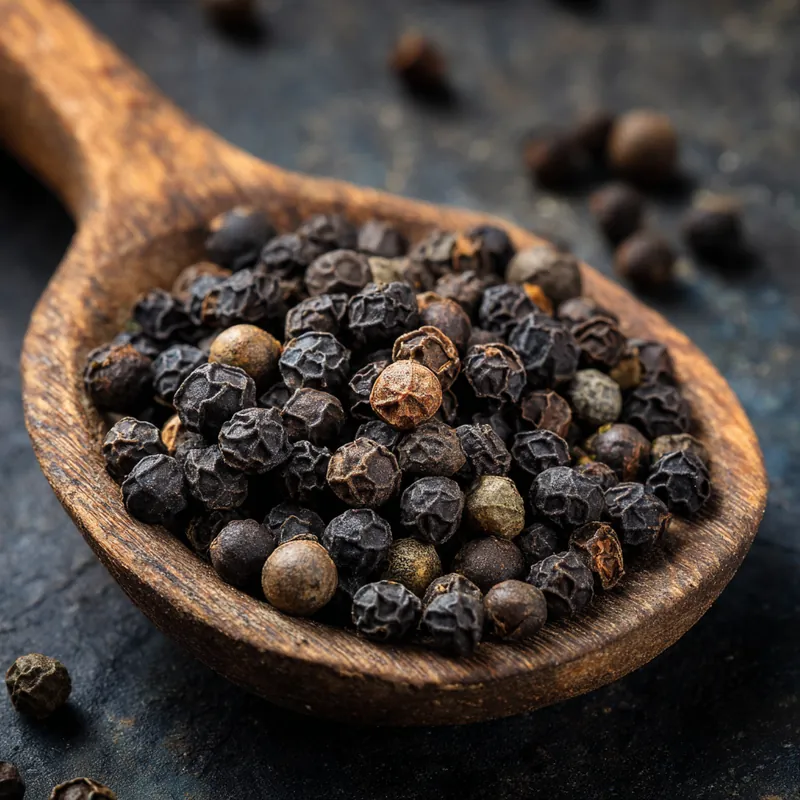
Black pepper is a culinary spice characterised by piperine. It is used in small amounts as a flavouring, not as a bulk food.
Within a BRAIN-aligned pattern it remains a flavouring. Piperine–curcumin pharmacokinetic evidence used isolated compounds at specified doses and should not be read as proof that ordinary seasoning produces the same effect [1].
Food Context
Synergies
- Black pepper and turmeric are often used together, but the cited piperine study tested a defined constituent dose rather than an ordinary culinary pairing [1].
Preparation
- Use in culinary amounts; grind peppercorns shortly before serving.
Recipes
1 recipe containing this food
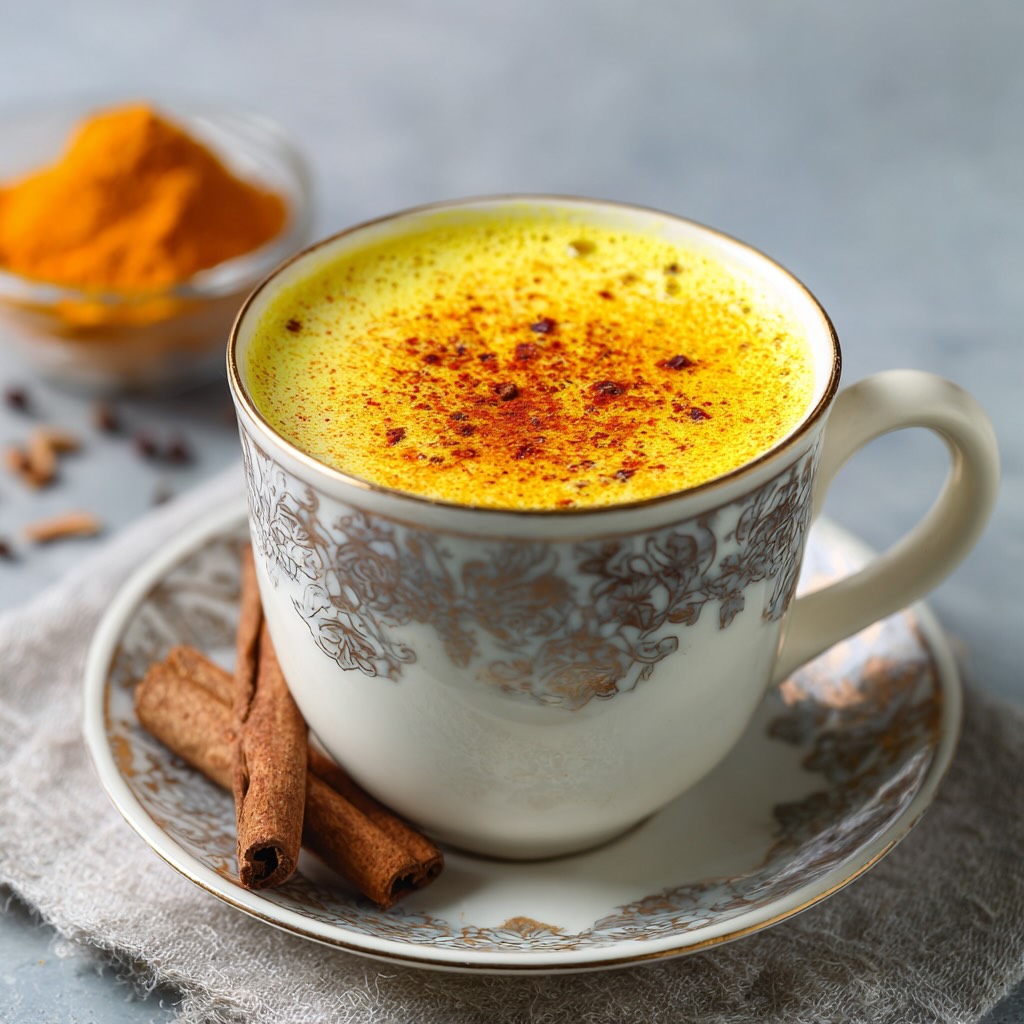
Turmeric Milk
A warming drink combining turmeric (curcumin) with milk/fat for enhanced curcumin absorption
Nutrient Tables (per 100 g)
Selected food and preparation: Spices, pepper, black. per 100 g edible portion.
Core nutrients
| Nutrient | Amount per 100 g | % reference intake per 100 g |
|---|---|---|
| Energy | 251 kcal | — |
| Protein | 10.4 g | — |
| Total fat | 3.3 g | — |
| Saturated fat | 1.4 g | — |
| Carbohydrates | 64 g | — |
| Sugars | 0.6 g | — |
| Fibre | 25.3 g | — |
Key vitamins and minerals
Vitamins and minerals supplying at least 10% of an adult reference intake per 100 g, derived from the composition panel.
| Nutrient | Amount per 100 g | % reference intake per 100 g |
|---|---|---|
| Iron | 9.7 mg | 53.9% |
| Zinc | 1.2 mg | 10.8% |
| Magnesium | 171 mg | 40.7% |
| Calcium | 443 mg | 44.3% |
| Potassium | 1329 mg | 39.1% |
| Copper | 1.3 mg | 147.8% |
| Vitamin B6 | 0.3 mg | 22.4% |
Substances
References
[1] Shoba et al. (1998). Influence of Piperine on the Pharmacokinetics of Curcumin in Animals and Human Volunteers. Constituent-dose pharmacokinetic evidence for piperine with curcumin; not a trial of culinary black pepper and turmeric.