Grass-Fed Butter

Overview
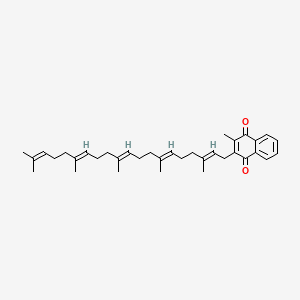
Grass-fed butter is a nutrient-dense dairy fat that supplies butyrate, conjugated linoleic acid (CLA), fat-soluble vitamins A and D, vitamin K2 (menaquinones), selenium, and the odd-chain saturated fatty acid C15:0 (pentadecanoic acid). Relative to grain-fed dairy, pasture feeding shifts the fatty-acid profile—including CLA—and can enrich phylloquinone (K1) and MK-4 in butter [1][2].
Within the BRAIN Diet framework, grass-fed butter is retained as a compact culinary source of vitamin K2 and C15:0, not excluded on saturated-fat grounds alone. Butter, hard cheeses such as Parmesan, and pasture-raised egg yolks are among the principal Western dietary sources of menaquinones; hard cheeses are especially rich in longer-chain forms [3][4]. Circulating C15:0 tracks dairy-fat intake and has been proposed as a candidate essential odd-chain fatty acid with mitochondrial and cardiometabolic associations [5]. Prefer modest finishing amounts of unprocessed, pasture-raised dairy fats alongside these foods within an otherwise plant-forward, micronutrient-dense pattern.
Key Nutritional Highlights
- Butter, cheese, and egg yolk contribute dietary vitamin K2 (menaquinones); hard cheeses are major Western sources of longer-chain MKs [3][4]
- C15:0 (pentadecanoic acid) is concentrated in dairy fat (including butter and Parmesan); higher circulating C15:0 associates with more favourable cardiometabolic profiles and is under study as a potential essential fatty acid [5]
- Use culinary portions for flavour and fat-soluble micronutrient delivery—not as a primary cooking oil at high heat
Food Context
Synergies
- Pairs with Parmesan cheese and pasture-raised egg yolks as a vitamin K2 / C15:0 food cluster
- Part of a nutrient-dense fat strategy alongside olive oil and other unsaturated culinary fats
Sourcing
- Prefer grass-fed / pasture-raised butter for CLA, vitamin K, and odd-chain fatty-acid enrichment relative to conventional dairy [1][2]
- When used in moderation within an anti-inflammatory, micronutrient-rich pattern, grass-fed butter contributes vitamin K2, butyrate, and fat-soluble vitamins A and D
Preparation
- Best for finishing vegetables, grains, or low-to-moderate heat cooking; pair with a higher smoke-point oil when searing to avoid burning
- Supports dietary vitamin K2 and C15:0 intake in small culinary amounts
Essential Amino Acid Profile
This food provides a complete essential amino acid profile typical of animal proteins.
Recipes
Nutrition
Reliable composition data for this preparation are not yet available.
Recorded constituents
Bioactive compounds
| Compound / class | Content | Notes |
|---|---|---|
| Vitamin K2 | Present [6] | butter, egg yolk or fermented soybean food |
- Vitamin K2: Contains menaquinones (vitamin K2); the amount is product-dependent. [6]
Technical provenance
Vitamin K2: Schurgers and Vermeer (2000), Determination of phylloquinone and menaquinones in food. Primary abstract explicitly identifies K2 in butter, egg yolk, natto and cheese. No total vitamin K value used as K2. [6]
Substances
3 substances in this food
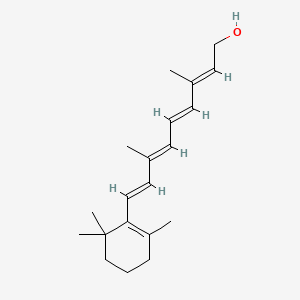
Vitamin A (Retinoids; β-Carotene precursor)
Contains vitamin A; the generic butter record does not establish a grass-fed-specific amount.
References
[1] Pasture- versus grain-fed ruminant fats differ in fatty-acid and CLA profile. Daley et al. 2010. A review of nutritional differences between grass-fed and grain-fed beef
[2] Pasture-fed milk butter shows higher vitamin K1 and MK-4 than total-mixed-ration butter. Zhou et al. 2025. The effect of bovine diets and stages of lactation on vitamin K content in butter and Cheddar cheese
[3] Butter, cheese, and egg yolk contribute dietary vitamin K2 (menaquinones). Schurgers & Vermeer 2000. Determination of Phylloquinone and Menaquinones in Food
[4] Hard cheeses are major Western sources of longer-chain menaquinones. Vermeer et al. 2018. Menaquinone Content of Cheese
[5] C15:0 in dairy fat; circulating levels associate with cardiometabolic benefit and candidate essential-fatty-acid status. Venn-Watson et al. 2020. Efficacy of dietary odd-chain saturated fatty acid pentadecanoic acid parallels broad associated health benefits in humans: could it be essential?
[6] Schurgers and Vermeer (2000), Determination of phylloquinone and menaquinones in food
[7] USDA FoodData Central, Butter, without salt (FDC 173430)