Tahini

Overview
Tahini is a paste of ground sesame seeds. Its composition follows the seeds used — hulled or unhulled, raw or roasted — and it keeps substantially more of the seed matrix (protein, fibre, minerals and lignans) than isolated sesame oil [1]. The fat is predominantly unsaturated; linoleic acid and oleic acid are the principal fatty acids.
Within a BRAIN-aligned pattern, tahini is a practical sesame exposure, not a second plant. A typical serving is about 15–30 g; per-100 g figures are for comparison, not a portion. At that serving, copper, phosphorus, iron, selenium and thiamin still contribute, while folate and vitamin B6 are modest. Use it in dressings, hummus, sauces and spreads. The lipid phase can support carotenoid absorption from vegetables in the same meal; that mechanism comes from salad-dressing research, not a tahini trial [2]. Sesame is a major food allergen [3].
Other Nutritional Highlights
- Calcium in hulled-kernel tahini is substantially lower than in whole unhulled seed, because much of the seed calcium sits in the hull [4].
- Table minerals are amounts present in this roasted-kernel paste, not amounts absorbed. Phytate remains after grinding [5].
Food Context
Sourcing
- Unhulled tahini is darker and typically higher in measured calcium and fibre than hulled tahini [4].
- Raw and roasted pastes differ in flavour and in lignan profile. Roasting can generate sesamol from sesamolin; that is a processing change, not a reason to treat roasted tahini as universally superior [1].
- Do not combine composition figures from different tahini types. This page follows one roasted-and-toasted-kernel paste.
Synergies
- Pair with carotenoid-rich vegetables (for example mixed-leaf salads or roasted carrots). Co-ingested dietary fat improves carotenoid bioavailability in salads; Brown et al. demonstrated that with salad dressings, not with tahini [2].
- A vitamin-C-rich food in the same meal can support non-haem iron absorption despite phytate; that is mixed-meal iron evidence, not a tahini trial [5].
- Pair with legumes when tahini is used as a protein contributor. Grains are typically lysine-limited as well [6].
- Tahini and sesame seeds are two forms of the same plant. They should not generate two separate weekly plant-diversity points. “Thirty plants per week” is a practical observational target, not a proven threshold [7].
Preparation
- Use in dressings, hummus, sauces and spreads. Natural oil separation is normal; stir before use.
- Store according to the manufacturer. Protect from heat and prolonged oxidation.
- Grinding improves physical accessibility but does not eliminate phytate [5].
Essential Amino Acid Profile
Tahini contributes plant protein but is not a complete protein; lysine is typically limiting for sesame, as for other nuts and seeds [6].
Protein pairing strategy:
Pair with legumes to improve lysine coverage. Grains are typically lysine-limited as well and should not be treated as the lysine complement to tahini.
Safety
Sesame is a major regulated food allergen. Tahini is a concentrated sesame paste, so labelling and cross-contamination matter in kitchens and manufactured foods [3].
Recipes
1 recipe containing this food
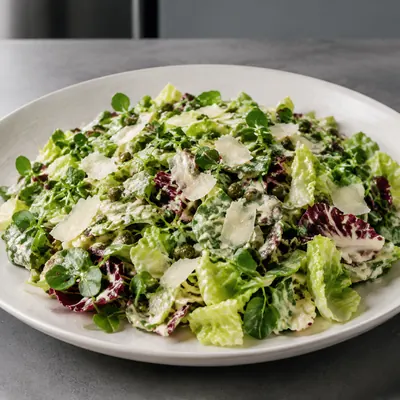
Mixed-Leaf Tahini Caesar Salad
A Caesar-style mixed-leaf salad with a tahini, anchovy, caper and Parmesan dressing, using extra virgin olive oil retained from oil-packed capers.
Nutrient Tables (per 100 g)
Selected food and preparation: Seeds, sesame butter, tahini, from roasted and toasted kernels (most common type). per 100 g edible portion.
Core nutrients
| Nutrient | Amount per 100 g | % reference intake per 100 g |
|---|---|---|
| Energy | 595 kcal | — |
| Protein | 17 g | — |
| Total fat | 53.8 g | — |
| Saturated fat | 7.5 g | — |
| Carbohydrates | 21.2 g | — |
| Sugars | 0.5 g | — |
| Fibre | 9.3 g | — |
Key vitamins and minerals
Vitamins and minerals supplying at least 10% of an adult reference intake per 100 g, derived from the composition panel.
| Nutrient | Amount per 100 g | % reference intake per 100 g |
|---|---|---|
| Iron | 9 mg | 49.7% |
| Zinc | 4.6 mg | 42% |
| Magnesium | 95 mg | 22.6% |
| Phosphorus | 732 mg | 104.6% |
| Manganese | 1.5 mg | 63.3% |
| Selenium | 34.4 µg | 62.5% |
| Calcium | 426 mg | 42.6% |
| Potassium | 414 mg | 12.2% |
| Copper | 1.6 mg | 178.9% |
| Folate | 98 µg | 24.5% |
| Vitamin B6 | 0.1 mg | 11.5% |
| Vitamin B2 | 0.5 mg | 36.4% |
| Vitamin B1 | 1.2 mg | 101.7% |
| Vitamin B3 | 5.5 mg | 34.1% |
| Vitamin B5 | 0.7 mg | 13.9% |
Bioactive compounds
Content applies to the food and preparation identified in the source notes.
| Compound / class | Amount per 100 g | Notes |
|---|---|---|
| Oleic Acid | 20 g | — |
| Linoleic Acid | 23.1 g | — |
Substances
5 substances in this food
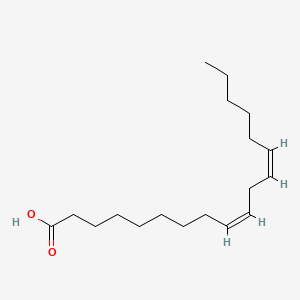
Linoleic Acid (LA, n-6)
USDA FoodData Central reports linoleic acid in Seeds, sesame butter, tahini, from roasted and toasted kernels (most common type).

Oleic Acid (OA, n-9)
USDA FoodData Central reports oleic acid in Seeds, sesame butter, tahini, from roasted and toasted kernels (most common type).

References
[1] Andargie et al. (2021). Lignans of Sesame (Sesamum indicum L.): A Comprehensive Review. Sesamin and sesamolin are the major native lignans of sesame; concentration varies by cultivar, seed fraction and processing. Sesamol and sesaminol arise mainly during roasting and oil processing. No single ordinary-tahini lignan amount is taken from this review.
[2] Brown et al. (2004). Carotenoid bioavailability is higher from salads ingested with full-fat than with fat-reduced salad dressings. Human salad study showing higher carotenoid bioavailability with full-fat than fat-reduced dressings. General dietary-fat mechanism; not a tahini-specific clinical trial.
[3] Adatia et al. (2017). Sesame allergy: current perspectives. Clinical review: sesame is a priority food allergen with mandatory labelling in the EU, Canada and Australia, and a recognised cross-contamination risk.
[4] Elleuch et al. (2007). Quality characteristics of sesame seeds and by-products. Hull versus dehulled fractions: much of the measured calcium is in the coat, so hulled products are not equivalent to whole seed.
[5] Hallberg et al. (1989). Iron absorption in man: ascorbic acid and dose-dependent inhibition by phytate. Human iron-absorption series: phytate inhibits non-haem iron absorption; ascorbic acid can counteract that inhibition. Mixed-meal evidence, not a tahini trial.
[6] Mariotti and Gardner (2019). Dietary Protein and Amino Acids in Vegetarian Diets—A Review. Nut and seed proteins are typically lysine-limited, as are cereal proteins; legumes are the lysine-rich plant complement.
[7] McDonald et al. (2018). American Gut: an Open Platform for Citizen Science Microbiome Research. Observational citizen-science cohort: self-reported intake of more than 30 plant types per week, versus 10 or fewer, associated with greater representation of putative fermenters. Not a randomised trial and not a proven threshold.
[8] Effect of the form of the sesame-based diet on the absorption of lignans (2008)