Metabolic & Neuroendocrine Stress (HPA Axis & ANS)
Whole-body regulation layer — stress allocation, autonomic tone, hormonal coordination and energy prioritisation.
Overview
The stress response is a complex physiological system that plays a crucial role in brain health and cognitive function. The neuroendocrine and autonomic systems, together with the Enteric Nervous System (ENS), form a tightly interwoven network regulating stress responses, metabolism, and gut–brain communication. The hypothalamic–pituitary–adrenal (HPA) axis orchestrates cortisol rhythms and systemic stress signaling, while the autonomic nervous system (ANS) integrates sympathetic "fight-or-flight" activity with parasympathetic recovery pathways. Within this circuitry, the sympatho-adreno-medullary (SAM) axis represents the most immediate arm, releasing adrenaline and noradrenaline within seconds of a stressor (paper.txt, line 769).
Recipes
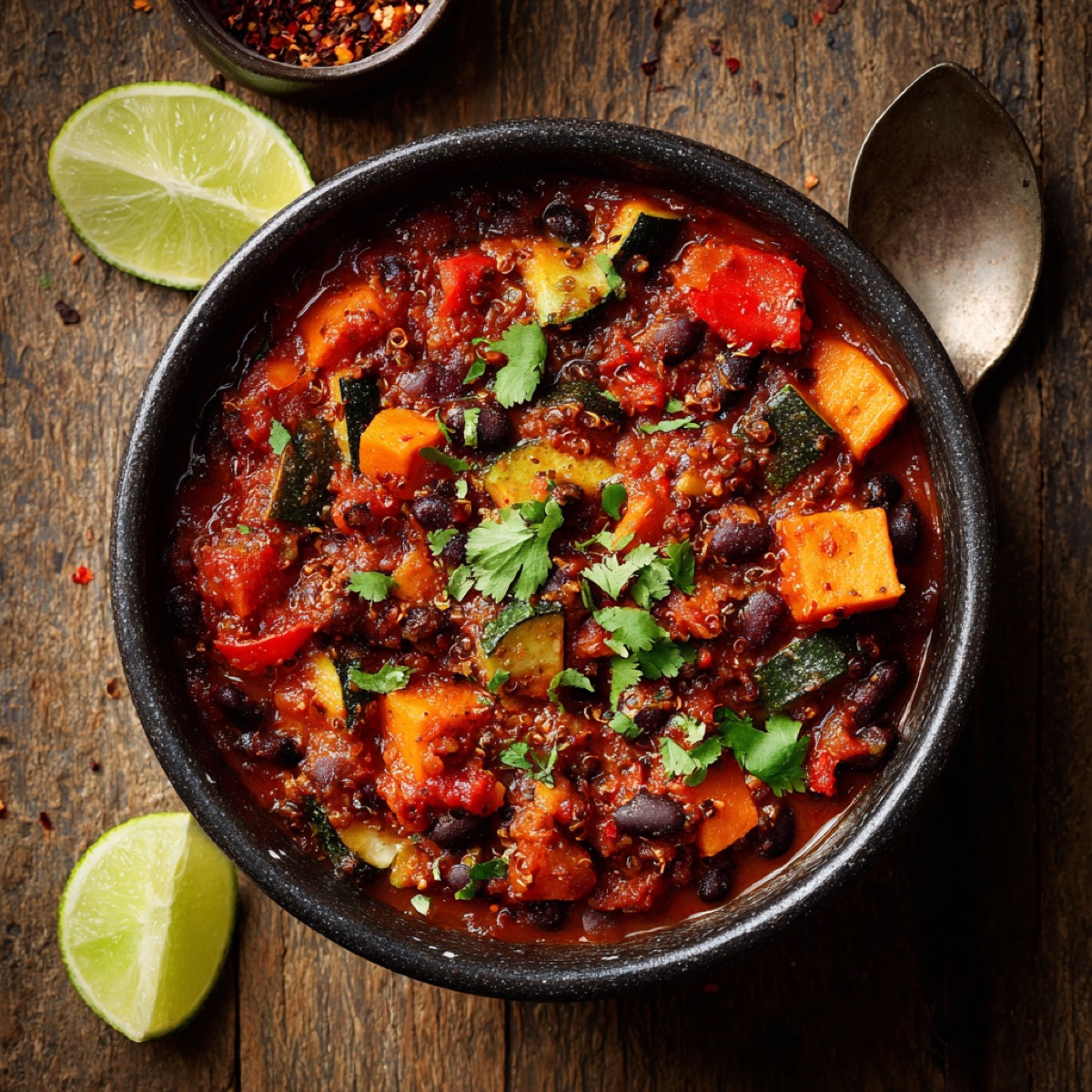
Black Bean & Sweet Potato Vegetable Chilli
A fibre-rich bean and vegetable chilli with warming spices and slow carbohydrates for steady energy and satiety.

Turkey Wing Stew
A collagen-rich, glycine-heavy slow-cooked stew made from affordable turkey wings — rich in protein, tryptophan, and B vitamins.
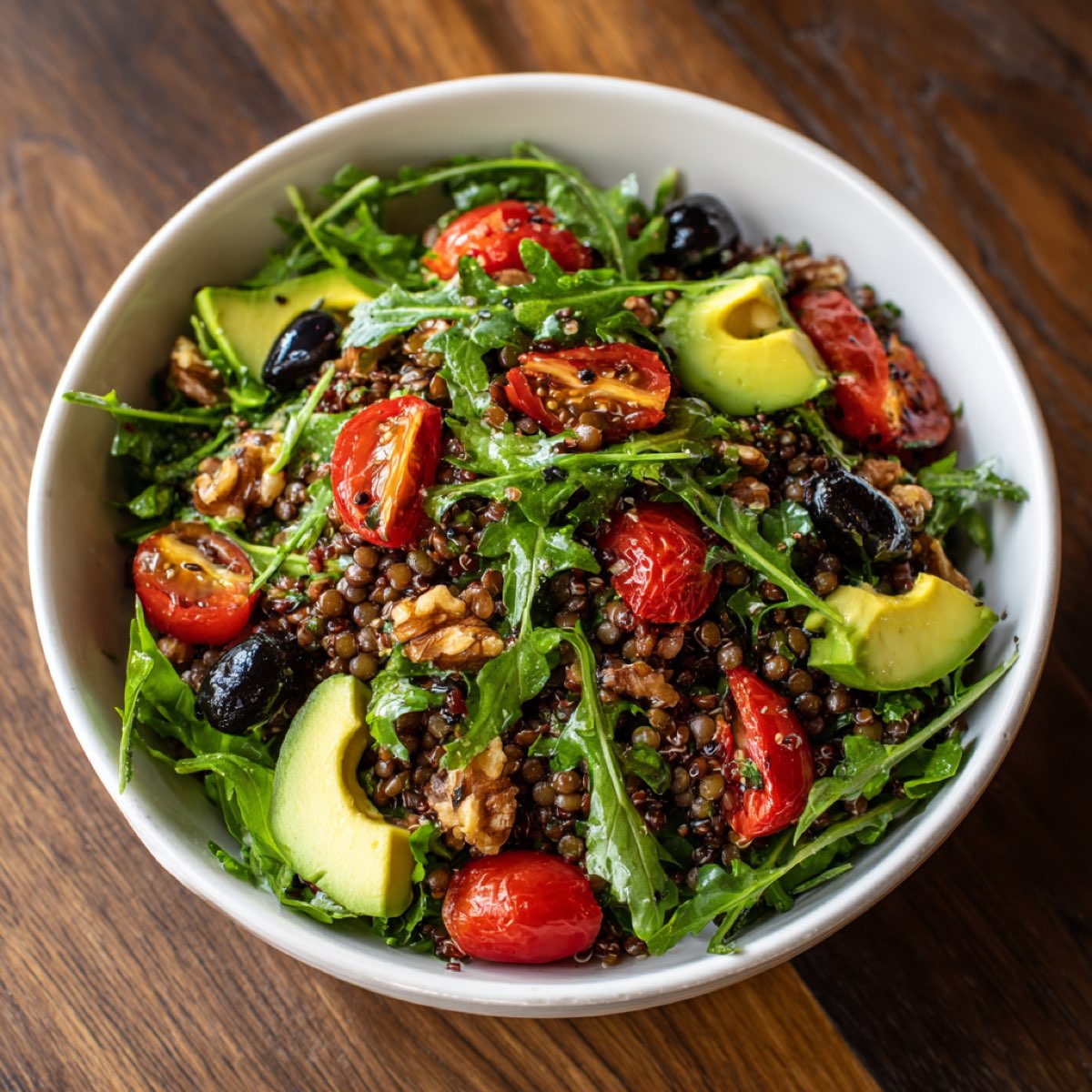
Rocket Lentil Avocado Midday Salad (Gut-Supporting)
Polyphenol-rich midday salad with quinoa or lentils, vegetables, avocado, and early harvest olive oil
Therapeutic Areas

ADHD
Dietary strategies targeting inflammation, neurochemical balance, mitochondrial function, and gut-brain axis to support attention, focus, and executive function
Anxiety & GAD
Nutritional strategies targeting HPA axis regulation, stress response, neurochemical balance, and gut-brain communication to reduce anxiety and support emotional regulation
Depression & MDD
Food-first dietary interventions targeting neurochemical balance, inflammation, gut-brain axis, and metabolic health to support mood regulation and emotional resilience
Postnatal Depression (PND / PPD) — Evidence Base
Evidence-based overview of postpartum/postnatal depression, mechanisms, screening, and interventions (clinical + lifestyle-adjunct).
Substances
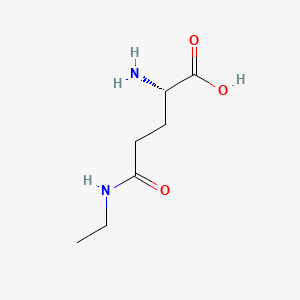
L-Theanine
Calming amino acid from tea; increases alpha waves; sleep-friendly
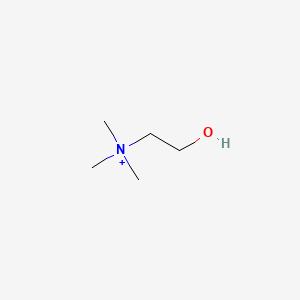
Choline
Acetylcholine precursor; methyl donor; phospholipid synthesis for membranes
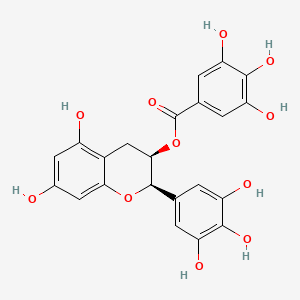
EGCG (Green Tea Catechin)
Polyphenol; antioxidant; gut barrier/LPS modulation; supports microbiome
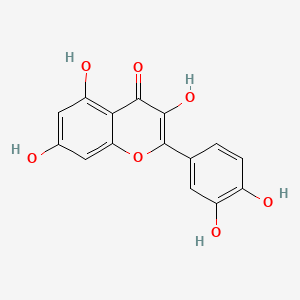
Quercetin (and Isoquercetin)
Polyphenol; antioxidant; mitochondrial support; bioavailability improved with vitamin C
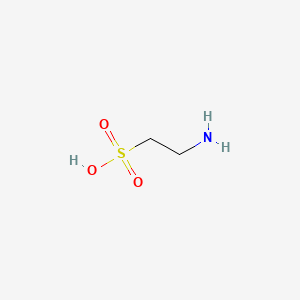
Taurine
Osmoregulator; GABA modulation; mitochondrial membrane stabilizer; anti-inflammatory
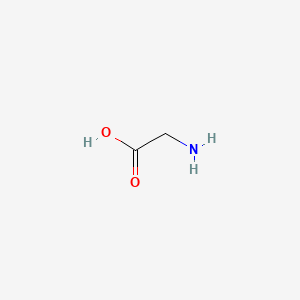
Glycine
Nonessential amino acid; inhibitory neurotransmitter; supports sleep, gut barrier repair, and glutathione production
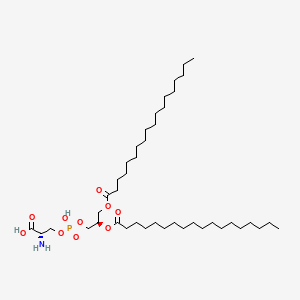
Phosphatidylserine (PS)
Neuronal membrane phospholipid; cognition; stress modulation

Omega-3 Fatty Acids
(EPA, DHA) Anti-inflammatory, membrane, and neuromodulatory lipids central to BRAIN Diet

Magnesium
Enzymatic cofactor (>300 reactions); neurotransmitters; mitochondria; redox balance
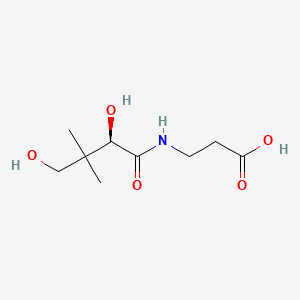
Vitamin B5 (Pantothenic Acid)
CoA synthesis; fatty-acid oxidation; TCA cycle flux
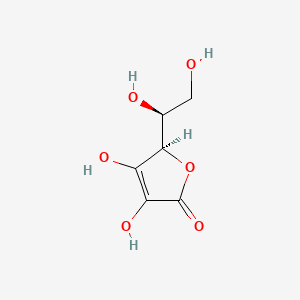
Vitamin C (Ascorbate)
Antioxidant; supports iron absorption; neuronal SVCT2 transport
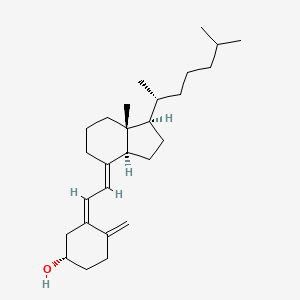
Vitamin D
Neurotrophic and immune modulation; calcium homeostasis
Biological Implications
The neuroendocrine and autonomic systems, together with the Enteric Nervous System (ENS), form a tightly interwoven network regulating stress responses, metabolism, and gut–brain communication. These overlapping systems mediate key feedback loops between diet, inflammation, and brain function, and are highly responsive to circadian and nutritional inputs (paper.txt, line 769).
In ADHD, stress circuitry is often dysregulated. Children with sensory over-responsivity show prolonged sympathetic arousal and sustained cortisol elevations, suggesting compounded dysregulation of SAM and HPA systems. Epidemiological findings link this to clinical fatigue: while ~20% of the general population report clinically relevant fatigue, the rate in ADHD is ~62%. ADHD burnout may therefore arise from sustained sympathetic drive combined with blunted cortisol recovery, leading to chronic exhaustion (paper.txt, line 771).
Cortisol profiles in ADHD are frequently abnormal, including blunted cortisol awakening responses and flattened daily rhythms. Genetic variation in HPA-axis regulators, including NR3C1 polymorphisms, further supports a heritable component to stress dysregulation. These hormonal irregularities can invoke many ADHD related symptoms such as poor resilience, amplified impulsivity and anxiety, and impaired decision-making (paper.txt, line 774).
Many of the nutritional strategies discussed in this paper—such as glycemic stabilization, SCFA production, polyphenol intake, and anxiolytic probiotic interventions—are expected to exert downstream effects on emotional regulation through modulation of HPA axis activity, limbic signalling, and neurotransmitter systems (paper.txt, line 335).
Omega-3s (EPA/DHA) improve vagal tone and HRV control, improving cortisol rhythms and inflammation, BDNF signaling (paper.txt, line 796).
References
- The neuroendocrine and autonomic systems, together with the Enteric Nervous System (ENS), form a tightly interwoven network regulating stress responses, metabolism, and gut–brain communication Mohamed and Kobeissy 2024
- The sympatho-adreno-medullary (SAM) axis represents the most immediate arm, releasing adrenaline and noradrenaline within seconds of a stressor Wadsworth et al. 2019
- Children with sensory over-responsivity show prolonged sympathetic arousal and sustained cortisol elevations Lane 2010
- While ~20% of the general population report clinically relevant fatigue, the rate in ADHD is ~62% Rogers et al. 2017
- Cortisol profiles in ADHD are frequently abnormal, including blunted cortisol awakening responses and flattened daily rhythms Isaksson et al. 2012
- Cortisol profiles in ADHD are frequently abnormal, including blunted cortisol awakening responses and flattened daily rhythms Chang et al. 2021
- Cortisol profiles in ADHD are frequently abnormal, including blunted cortisol awakening responses and flattened daily rhythms Jue et al. 2023
- Genetic variation in HPA-axis regulators, including NR3C1 polymorphisms, further supports a heritable component to stress dysregulation Fortier et al. 2013
- Genetic variation in HPA-axis regulators, including NR3C1 polymorphisms, further supports a heritable component to stress dysregulation Carpena et al. 2022
- Omega-3s (EPA/DHA) improve vagal tone and HRV control, improving cortisol rhythms and inflammation Kiecolt-Glaser et al. 2011