Lemon
Overview
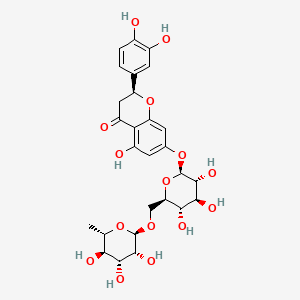
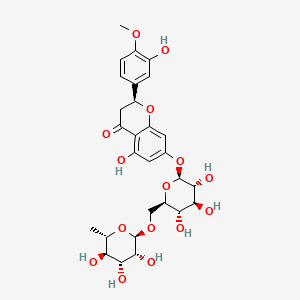
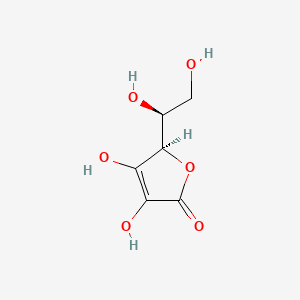
Lemon provides vitamin C that enhances non-heme iron absorption and can be used to adjust pH in food preparation (e.g., bean soaking). Lemon also contains citrus flavanones, including eriocitrin (often misspelled in secondary sources) and hesperidin, which are studied for antioxidant and cardiometabolic relevance [1,2].
Key Nutritional Highlights
- Lemon is best understood as a functional modifier food: small amounts can meaningfully change flavour, acidity, and meal context.
- Fibre depends on form: whole lemon (especially pith) contains fibre, but typical juice use contributes negligible fibre; whole blended lemon is a practical exception where fibre rises meaningfully.
- Citrus flavanones (e.g. eriocitrin, hesperidin) are part of lemon’s bioactive identity; exposure depends strongly on whether peel/pith are included [2].
Food Context
Food Matrix & Functional Properties
Common Culinary Forms & Functional Impact
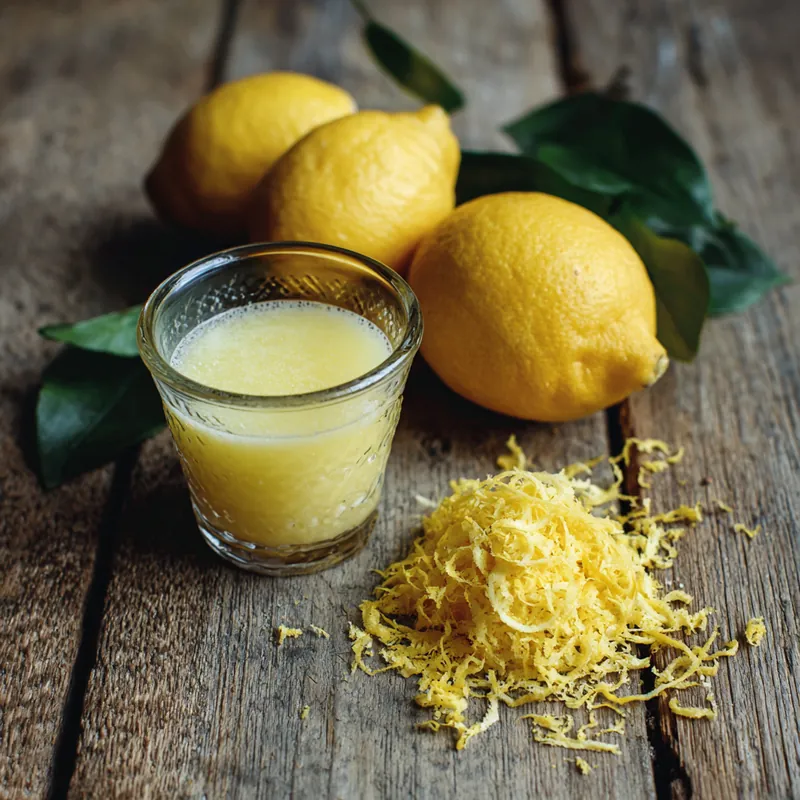
Lemon juice is the dominant culinary form. It mainly contributes acidity, vitamin C, and flavour, but in normal culinary use it contributes negligible fibre.
Lemon zest / peel is a concentrated source of aromatic oils and peel-associated compounds; small quantities can still add meaningful functional value (flavour intensity and a different bioactive profile than juice alone).
Whole blended lemon (less common) retains pith and peel. This meaningfully increases fibre and exposure to peel/pith-associated bioactives compared with juice alone.
Peel / skin compounds: Lemon is not “juice only” in many real-world uses. The skin/zest contains volatile compounds such as limonene and related citrus oils, and flavonoids that can be more concentrated in peel and pith than in juice. Treating lemon purely as juice can under-represent this peel-associated functional layer.
Synergies
- Part of food synergy strategy
Preparation
- Add to iron-rich plant meals to enhance absorption
- Use in bean soaking for pH optimization
- Can be added to tea to reduce iron-binding effects
Recipes
Whole blended lemon recipes can be surprisingly palatable and functionally useful; they’re one of the few realistic culinary contexts where pith/peel fibre and peel-associated bioactives are actually retained (worth developing as a site recipe direction).
6 recipes containing this food
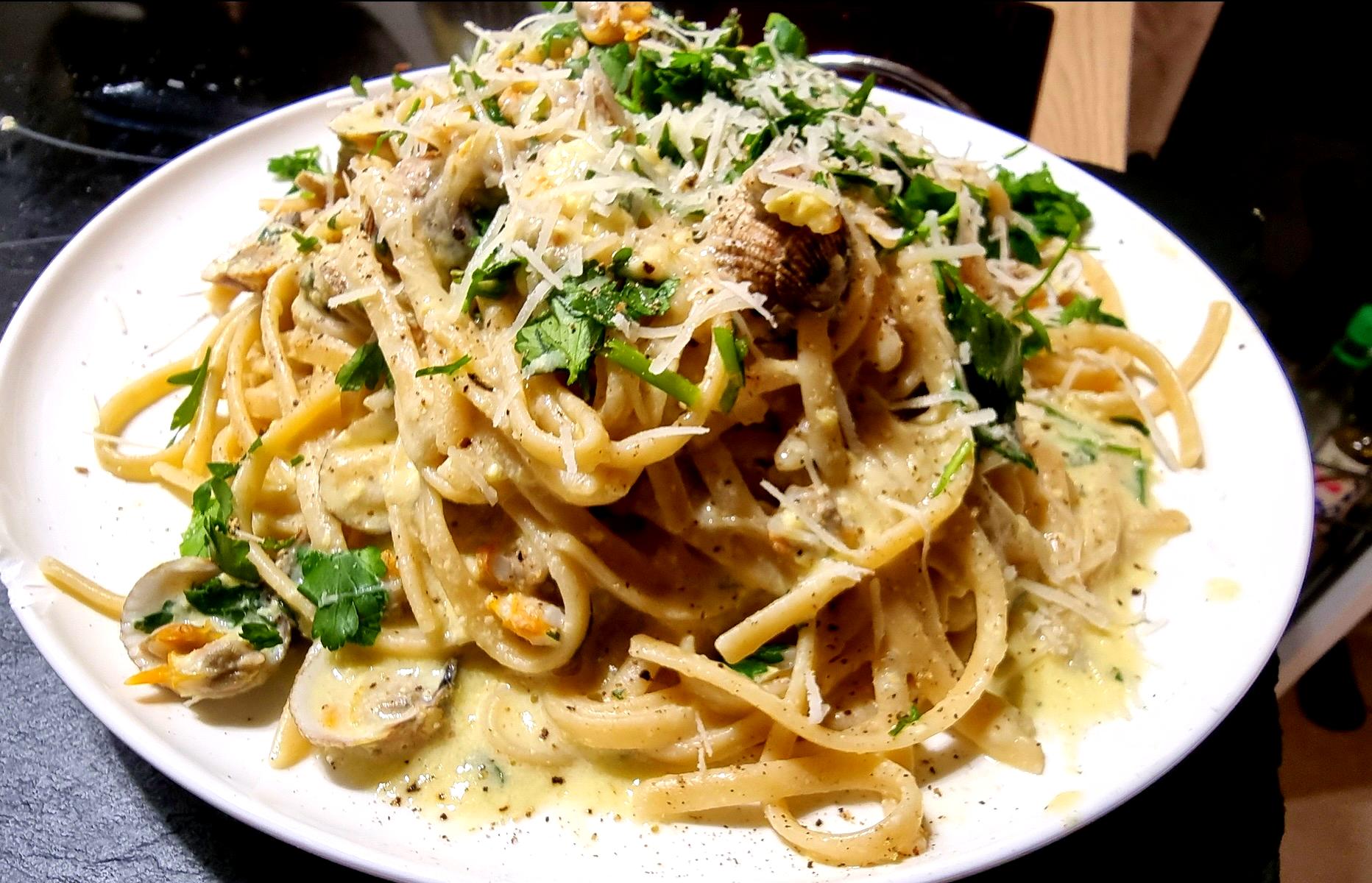
Linguine alle vongole mantecate (Linguine with cockles in a silky emulsified sauce)
Whole-wheat linguine with cockles in a silky emulsified sauce; Italian emulsification technique without cream, supporting taurine, B12, and choline intake.
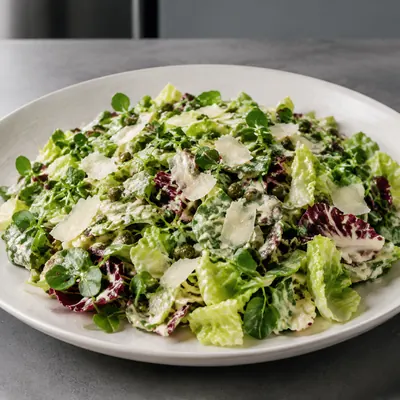
Mixed-Leaf Tahini Caesar Salad
A Caesar-style mixed-leaf salad with a tahini, anchovy, caper and Parmesan dressing, using extra virgin olive oil retained from oil-packed capers.
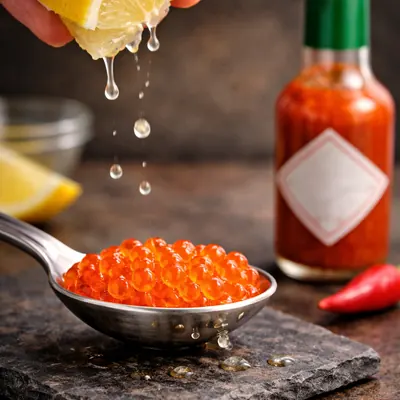
Neuroeshot (Roe, Lemon, Hot Sauce)
A small savory shot of roe, lemon juice, and fermented hot sauce for concentrated omega-3s and choline.
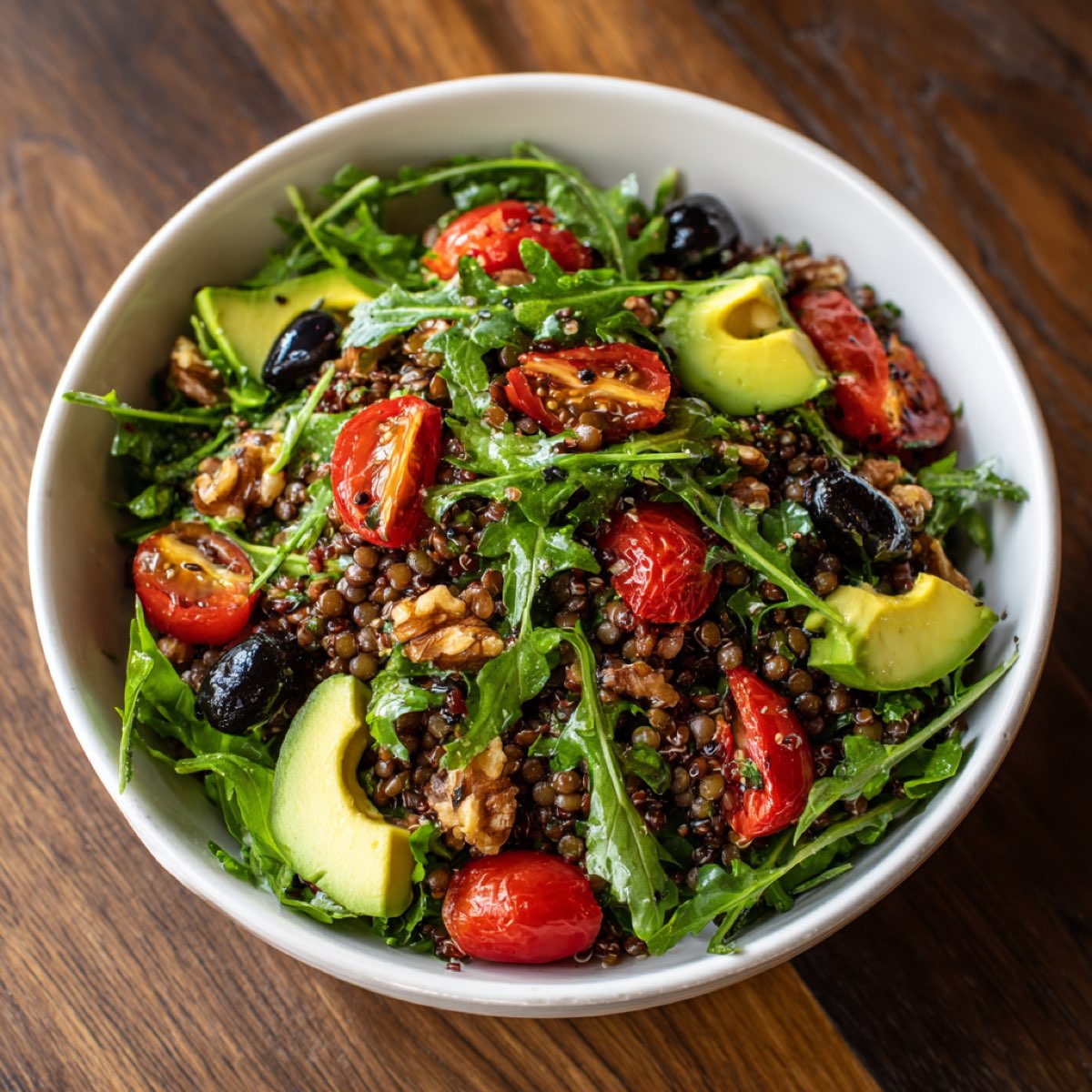
Rocket Lentil Avocado Midday Salad (Gut-Supporting)
Polyphenol-rich midday salad with quinoa or lentils, vegetables, avocado, and early harvest olive oil
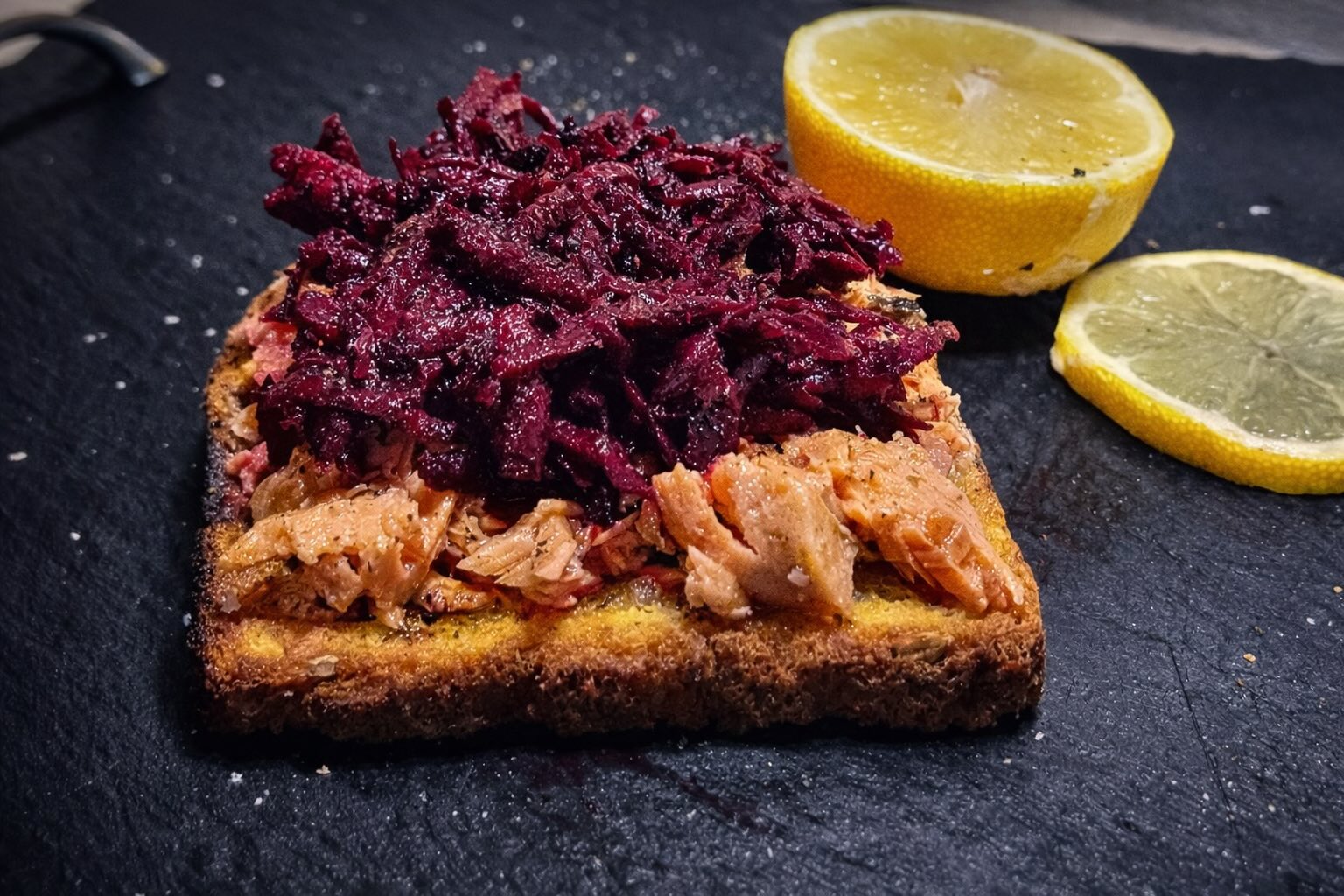
Salmon & Grated Beetroot Toast (with Lemon)
A fast, brain-forward open sandwich combining omega-3 rich salmon, nitrate/polyphenol beetroot, and lemon acidity for a sharp, savoury bite.
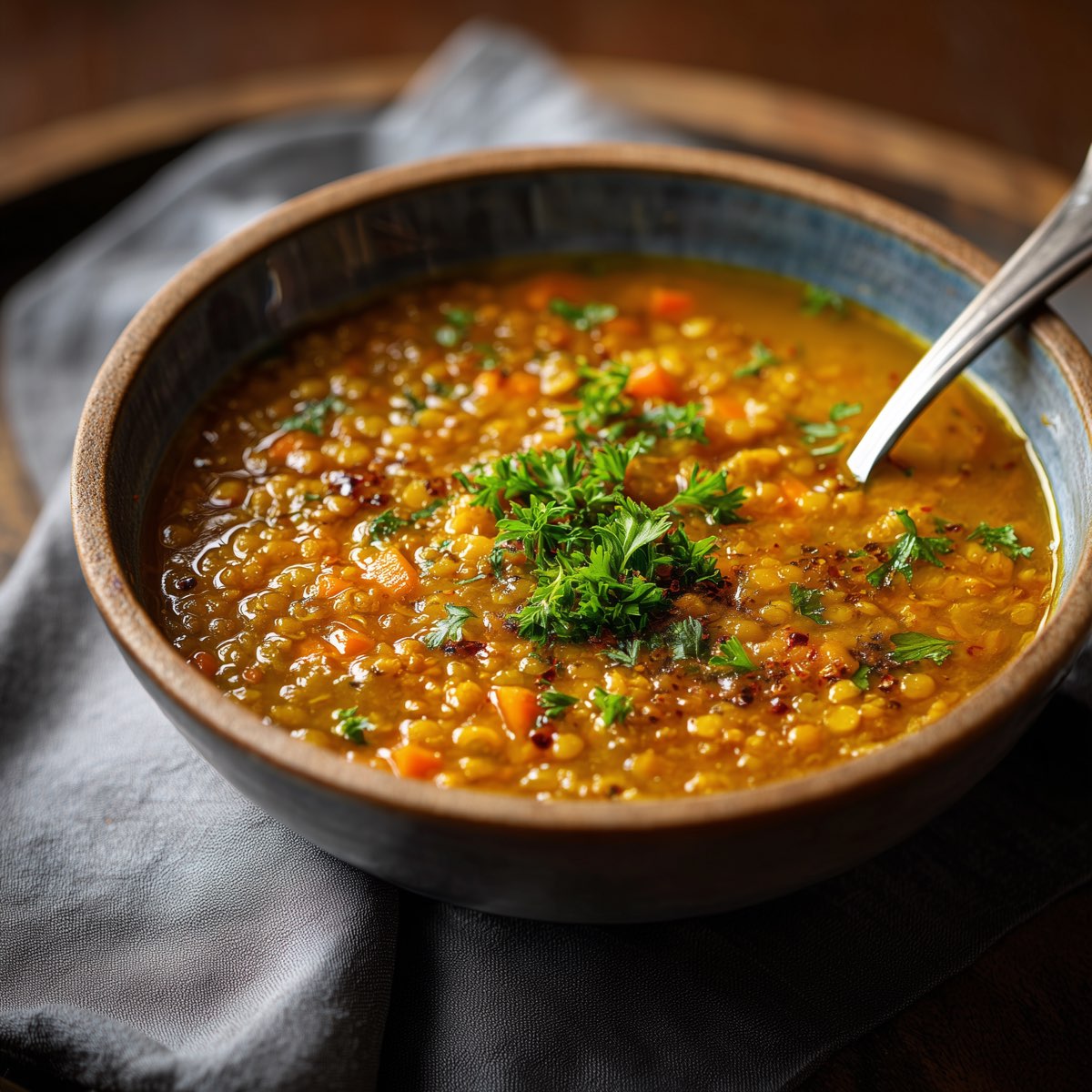
Turmeric Lentil Dahl
Turmeric- and ginger-spiced lentil dish rich in fibre, folate, and polyphenols
Note on reference form: The per-100 g nutrition values and any table-derived “substances” reflect the page’s reference food form. If lemon is mainly used as small amounts of juice, real-world fibre and many peel-associated bioactives will be much lower than a “whole fruit / whole portion” mental model.
Nutrient Tables (per 100 g)
Selected food and preparation: Lemons, raw, without peel. per 100 g edible portion.
Core nutrients
| Nutrient | Amount per 100 g | % reference intake per 100 g |
|---|---|---|
| Energy | 29 kcal | — |
| Protein | 1.1 g | — |
| Total fat | 0.3 g | — |
| Saturated fat | 0 g | — |
| Carbohydrates | 9.3 g | — |
| Sugars | 2.5 g | — |
| Fibre | 2.8 g | — |
Key vitamins and minerals
Vitamins and minerals supplying at least 10% of an adult reference intake per 100 g, derived from the composition panel.
| Nutrient | Amount per 100 g | % reference intake per 100 g |
|---|---|---|
| Vitamin C | 53 mg | 58.9% |
Bioactive compounds
| Compound / class | Amount per 100 g | Notes |
|---|---|---|
| Eriocitrin | Present [2] | lemon juice |
| Hesperidin | Present [2] | lemon juice |
- Eriocitrin, Hesperidin: Reported in lemon juice. [2]
Technical provenance
Eriocitrin: Caristi et al. (2003), Flavonoids detection by HPLC-DAD-MS-MS in lemon juices. Primary abstract identifies eriocitrin and hesperidin separately in lemon juice. [2]
Hesperidin: Caristi et al. (2003), Flavonoids detection by HPLC-DAD-MS-MS in lemon juices. Primary abstract identifies eriocitrin and hesperidin separately in lemon juice. [2]
Substances
3 substances in this food
References
[1] Gimenez-Bastida et al. (2021). Comparative human pharmacokinetics of citrus flavanones eriocitrin and hesperidin. Comparative human pharmacokinetics of citrus flavanones eriocitrin and hesperidin.
[2] Caristi et al. (2003), Flavonoids detection by HPLC-DAD-MS-MS in lemon juices