Dairy Products

Overview
Dairy products provide complete protein, calcium, B vitamins, and in fermented forms, probiotics and postbiotic compounds supporting gut-brain axis communication. Dairy products are listed as sources for vitamin B12, and fermented forms provide probiotics and postbiotic compounds.
Food Context
Preparation
- Complete protein for neurotransmitter synthesis
- Calcium for bone and cardiovascular health
- Probiotics (in fermented forms) for gut microbiome
- Nicotinamide riboside (in milk/whey) for NAD+ support
Recipes
Nutrient Tables (per 100 g)
Core nutrients
| Nutrient | Amount per 100 g | % RDA per 100 g |
|---|---|---|
| Total fat | 82.2 g | — |
| Saturated fat | 45.6 g | — |
| Sugars | 0.6 g | — |
Key micronutrients
| Nutrient | Amount per 100 g | % RDA per 100 g |
|---|---|---|
| Iron | 0.1 mg | 0.3% |
| Zinc | 0.1 mg | 0.6% |
| Magnesium | 1.6 mg | 0.4% |
| Selenium | 0 µg | 0% |
| Calcium | 21 mg | 2.1% |
| Potassium | 23 mg | 0.7% |
| Folate | 5 µg | 1.3% |
| Vitamin B12 | 0 µg | 0% |
| Vitamin B6 | 0 mg | 0% |
Bioactive compounds
Values below are often from specialist compositional databases or literature, not the standard USDA panel. Asterisks (*) refer to source notes at the bottom of this section.
| Compound / class | Amount per 100 g | Notes |
|---|---|---|
| ALA | 17 mg | — |
| EPA | 24 mg | — |
| DHA | 2 mg | — |
Note: Bioactive-compound values vary substantially by cultivar, species, cocoa or oil percentage, processing, and brand formulation. Show quantitative values only where a defensible source exists; otherwise prefer qualitative presence statements or ranges in source notes.
Substances
Substances in this food: editorial (Overview / literature) plus analytical (nutrition table).
9 substances in this food

Calcium
Bone health; neurotransmission; interacts with vitamin D and K2

Iron
Oxygen transport; dopamine synthesis (tyrosine hydroxylase cofactor)

Zinc
Cofactor in neurotransmission and antioxidant enzymes; dopamine modulation

Magnesium
Enzymatic cofactor (>300 reactions); neurotransmitters; mitochondria; redox balance

Potassium
Electrolyte for nerve transmission, muscle function, and blood pressure regulation
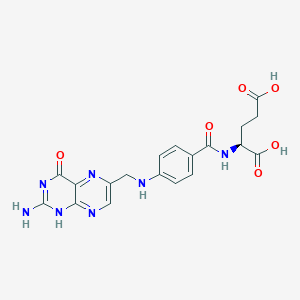
Vitamin B9 (Folate; 5-MTHF)
One-carbon metabolism; methylation; homocysteine recycling
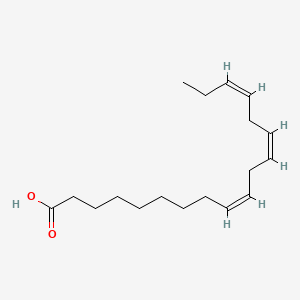
ALA (Alpha-Linolenic Acid)
Essential omega-3 precursor; limited conversion to DHA/EPA
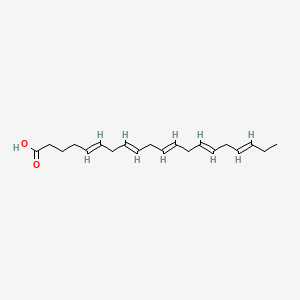
EPA (Eicosapentaenoic Acid)
Potent anti-inflammatory; precursor to E-series resolvins; modulates dopamine and serotonin signalling
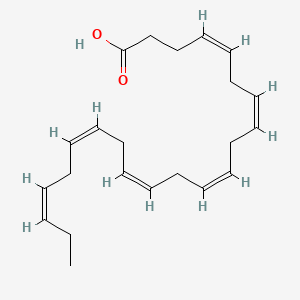
DHA (Docosahexaenoic Acid)
Accounts for ~10–15% of total brain fatty acids, 20–30% of neuronal phospholipids (PE, PS), and >90% of brain omega-3 PUFA; critical for membrane fluidity, synaptic vesicle fusion, neurodevelopment
References
These references link to the BRAIN Diet bibliography page, where the full citation and DOI/external source link are provided.