Biological Regulatory Systems
The BRAIN Framework was developed from research into ADHD, depression, anxiety, cognitive decline, and other brain-related disorders. Across these conditions, studies have repeatedly identified associations within six broad biological domains: neurotransmitter regulation, methylation, inflammation and oxidative stress, bioenergetics, gut–brain signalling, and metabolic regulation.
These recurring themes are organised into six Biological Regulatory Systems (BRS), which form the foundation of the BRAIN Diet. The framework proposes that these systems do not operate in isolation but interact as part of a wider regulatory architecture. Their combined state may therefore be more informative than viewing individual nutrients, pathways, or mechanisms alone.
The Six Biological Regulatory Systems
BRS1 - Neurotransmitter Regulation
Signal layer: synaptic communication and behavioural expression.
BRS2 - Methylation & One-Carbon Metabolism
Biochemical regulation: synthesis, repair, and epigenetic control.
BRS3 - Inflammation & Oxidative Stress
Immune/redox regulation: inflammatory tone, antioxidant defence, and repair balance.
BRS4 - Mitochondrial Function & Bioenergetics
Capacity layer: ATP production, mitochondrial resilience, and bioenergetic efficiency.
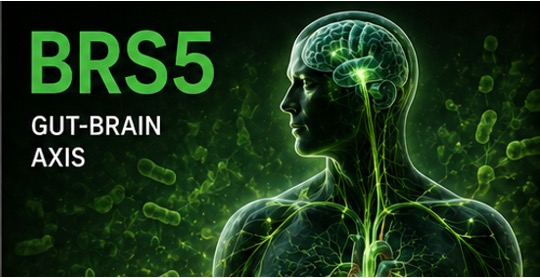
BRS5 - Gut-Brain Axis & Enteric Nervous System
Peripheral neural-immune interface: gut signalling, microbial metabolites, and vagal integration.
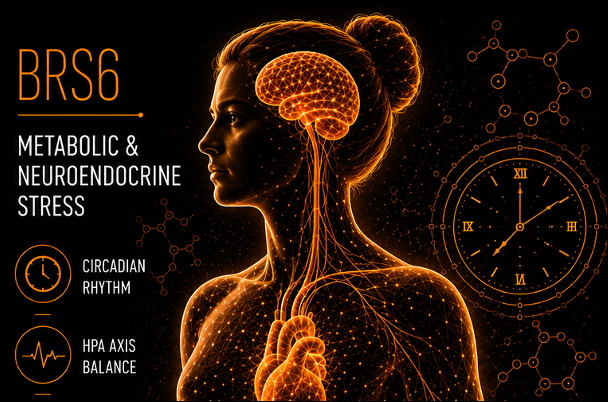
BRS6 - Metabolic & Neuroendocrine Regulation
Whole-body regulation: stress allocation, autonomic tone, hormonal coordination, and energy prioritisation.
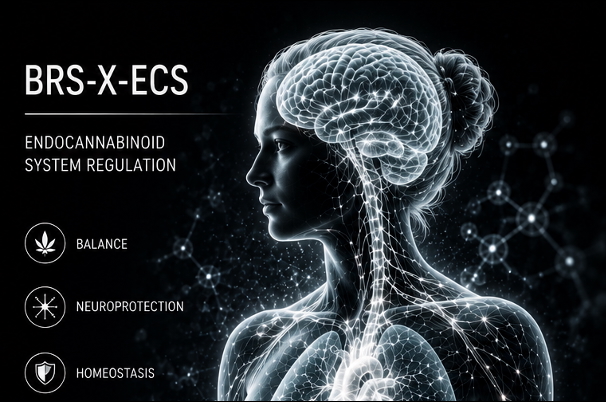
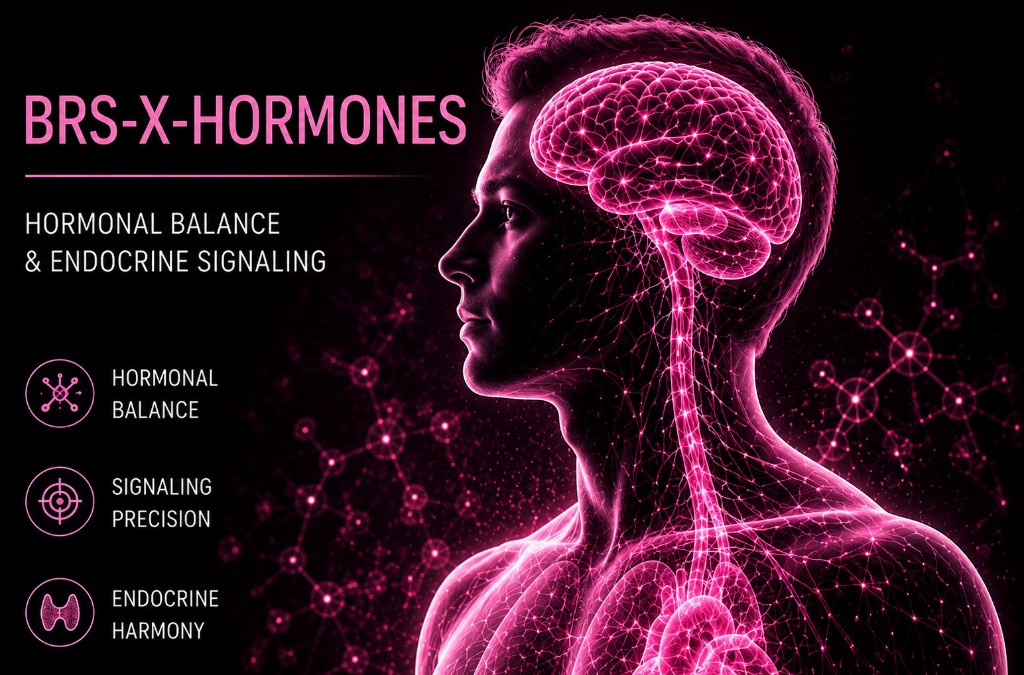
BRS-X - Cross-System Regulation
Some biological systems operate across multiple BRSs simultaneously and cannot be accurately represented within a single domain.
BRS-X systems capture these cross-system regulatory networks. They function as higher-order signalling architectures that influence multiple BRSs concurrently and provide important integration layers within the wider framework — spanning domains such as endocannabinoid and hormone signalling.
Each BRS System features
- Key Constraints (KCs) describe shared substrate, precursor and structural biological pools that underpin the effective operation of multiple Primary Mechanisms.
- Primary Mechanisms (PMs) describe the core biological mechanisms, processing systems, and regulatory interactions operating within those shared constraints.
- Functional Mechanisms (FMs) represent integrated biological states that emerge from the coordinated activity of related Primary Mechanisms (PMs). They describe the functional capacities, desired states or regulatory conditions that arise from underlying biological processes and serve as the principal biological targets of the framework.
- Specific Mechanisms (SMs) are interpretation layers that provide additional biological context for applying the BRAIN Framework. Current SM categories include SM-SNP (genetic variation), SM-CROSS (multi-BRS interpretive concepts), SM-Male and SM-Female (sex-specific biology), SM-Lifestage (e.g. childhood, pregnancy, older adulthood), and SM-Pattern (e.g. vegan, vegetarian, ketogenic). Functional phenotype interpretation is handled via the Phenome Registry rather than SM-PHEN pages. Individual SMs may be combined to create richer biological profiles and support future precision-nutrition applications.
- Cross-BRS Dependencies describe how each Biological Regulatory System supports, constrains or preserves the adaptive performance of others through integrated regulatory capacities rather than isolated mechanisms. The six BRSs form a coordinated adaptive network in which resilience depends on system-wide performance. Each BRS hub page includes a Cross-BRS Dependencies section with a high-level summary of that system's dependencies with the others.
The BRAIN Framework draws conceptually on Metabolic Control Analysis [Kacser and Burns, 1973], constraint-based biology [Orth et al., 2010], and allostatic physiology [Sterling and Eyer, 1988][McEwen, 2006]. MCA supports the idea that biological control is distributed across networks rather than governed by single rate-limiting steps [Kacser and Burns, 1973]. Constraint-based models show that biological systems operate within feasible state spaces shaped by substrate, energetic, enzymatic, and resource-allocation limits [Orth et al., 2010]. Allostasis and allostatic load describe regulatory capacity dynamically allocated under adaptive, behavioural, and environmental pressures, with cumulative cost when stress-mediator systems are chronically overactive or poorly regulated [Sterling and Eyer, 1988][McEwen, 2006]. Together, these ideas support the framework’s hierarchy of KCs as shared feasibility conditions, PMs as operational biological mechanisms, FMs as integrated biological states, and SMs as context-dependent expressions of those states [Kacser and Burns, 1973][Orth et al., 2010][Sterling and Eyer, 1988][McEwen, 2006].
Biological effects rarely arise from a single nutrient, pathway, or control point in isolation; they emerge through the integration of multiple systems operating under shared physiological demands [Kacser and Burns, 1973][Orth et al., 2010][Sterling and Eyer, 1988][McEwen, 2006].
Viewed this way, the framework is not intended to divide biology into separate boxes. It is a structured way of understanding how shared constraints, distributed regulation, integrated biological states, and context-specific expression interact across the six systems that contribute to our brain and overall health.