Tyrosine
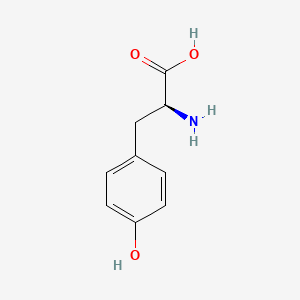
Overview
Tyrosine is a nonessential amino acid that serves as the precursor for the catecholamine neurotransmitters dopamine and norepinephrine, which are essential for attention, motivation, and executive function. Tyrosine's brain transport via LAT1 competes with other large neutral amino acids, and moderate carbohydrate intake can reduce this competition. The conversion of tyrosine to dopamine requires tyrosine hydroxylase, which depends on iron as an essential cofactor, along with B6, folate, omega-3s, and BH₄ (tetrahydrobiopterin) to support rate-limiting steps in catecholamine synthesis.
Recipes
6 recipes containing this substance
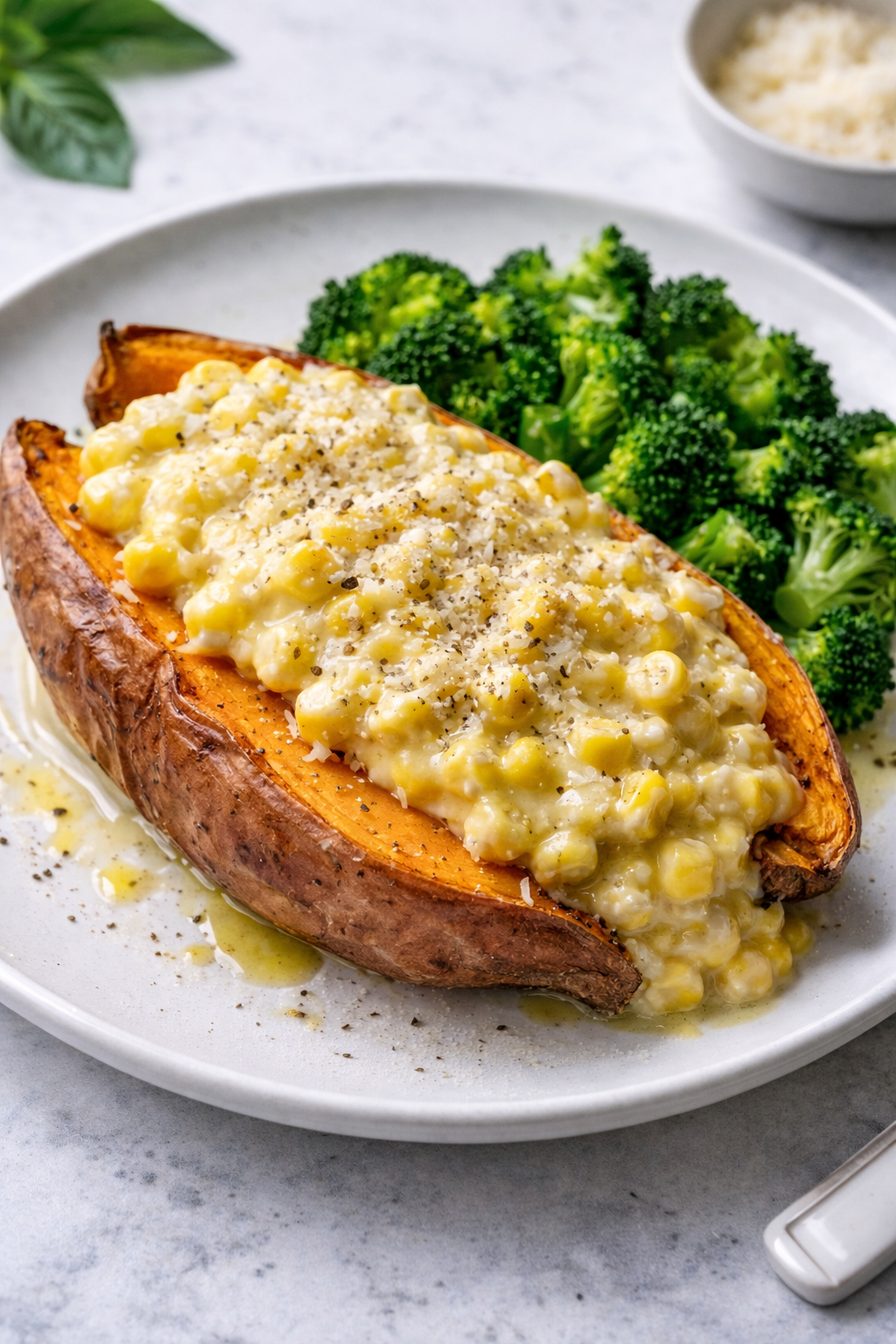
Creamed Corn on Roasted Sweet Potato
Roasted sweet potato with creamed corn and a mixed lipid phase to enhance carotenoid absorption; served with broccoli for fibre and glucosinolates.
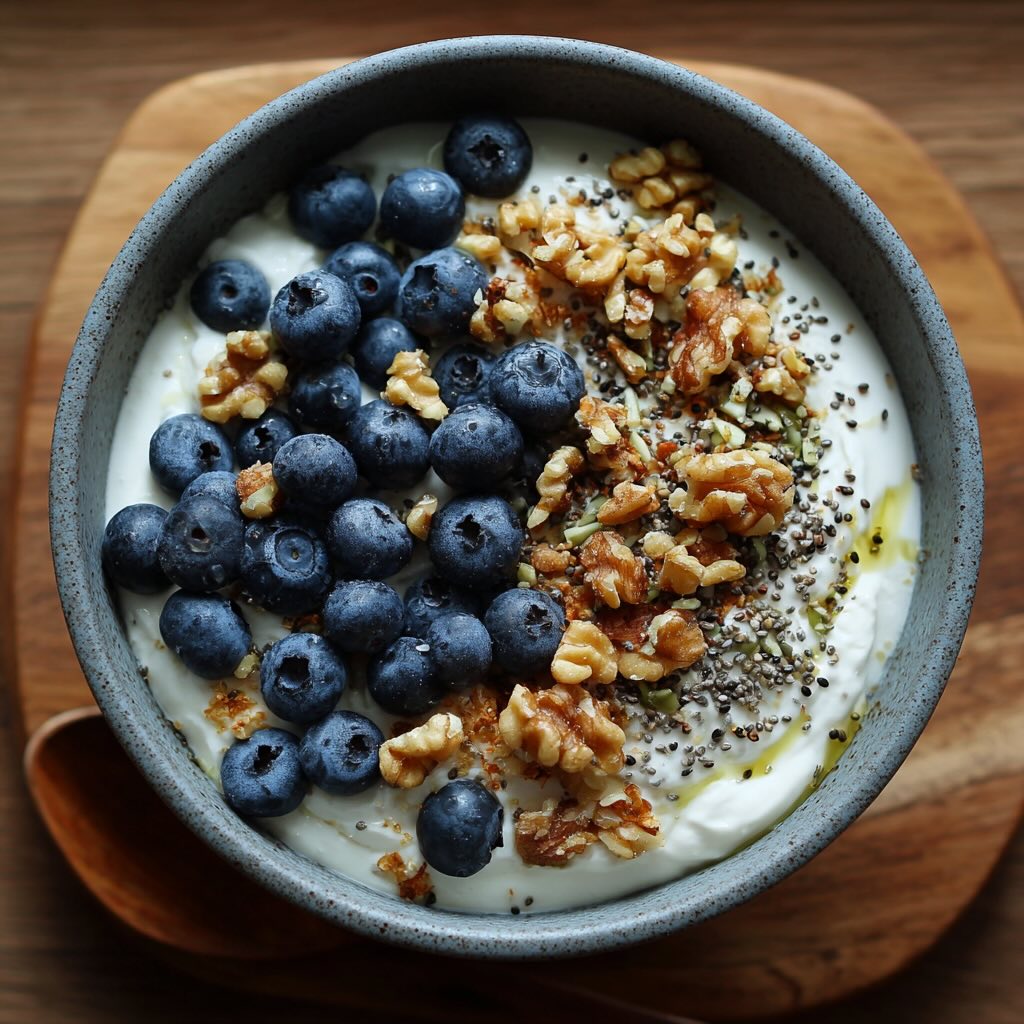
Ginger Yogurt and Blueberries
A polyphenol-rich breakfast bowl with high fibre, combining ginger, omega-3 nuts, blueberry polyphenols, and probiotic yogurt.
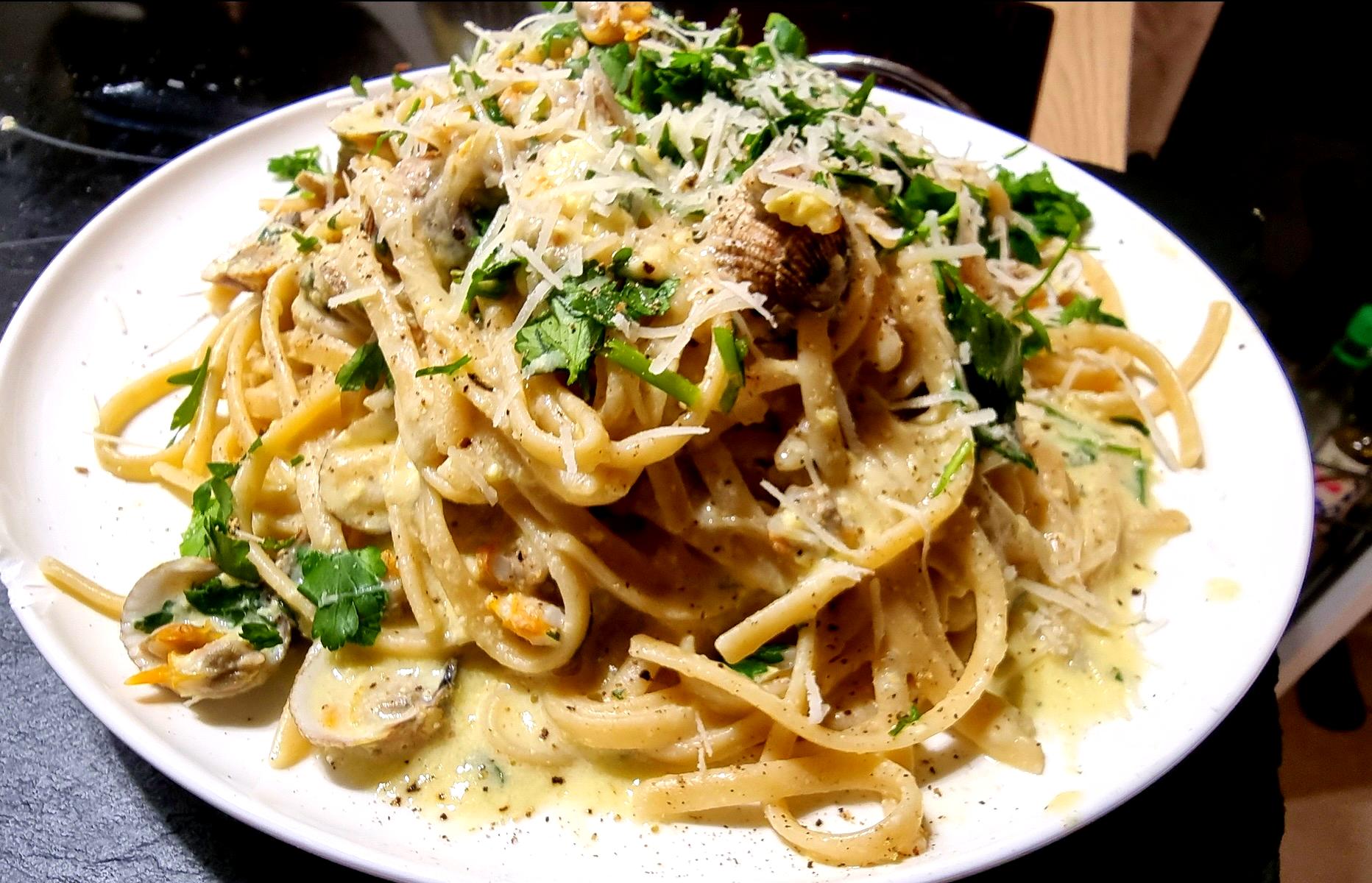
Linguine alle vongole mantecate (Linguine with cockles in a silky emulsified sauce)
Whole-wheat linguine with cockles in a silky emulsified sauce; Italian emulsification technique without cream, supporting taurine, B12, and choline intake.
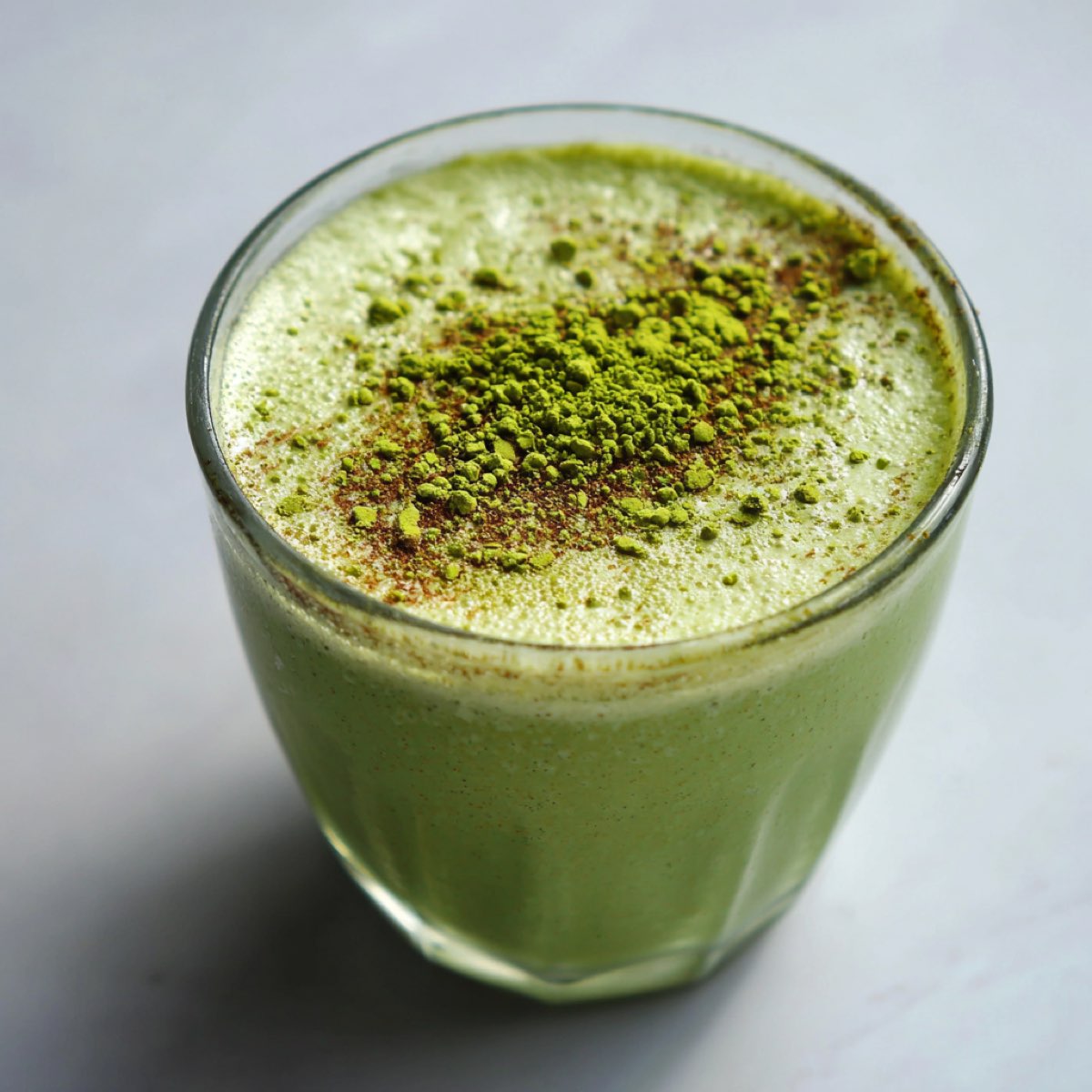
Matcha Mitochondria Smoothie
Mitochondrial energising smoothie rich in polyphenols, magnesium, and antioxidants
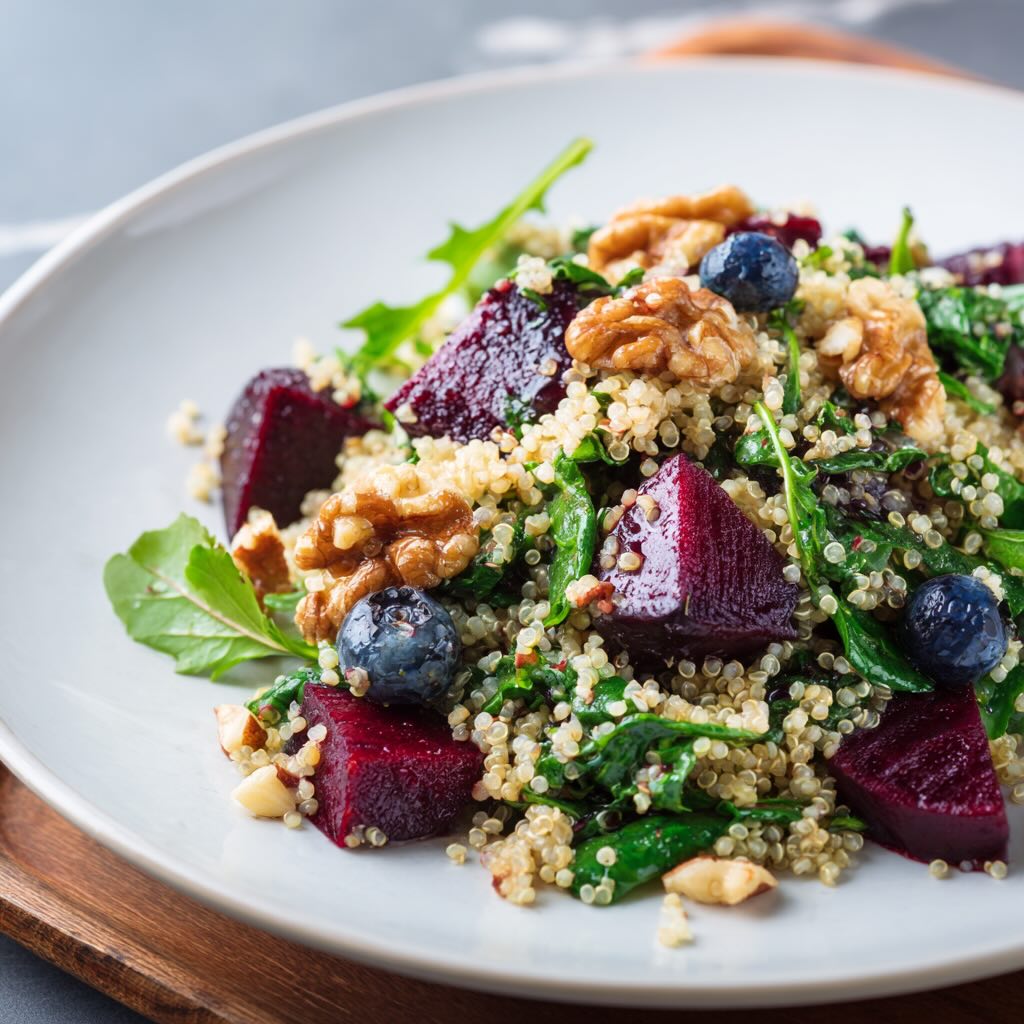
Mitochondrial Power Bowl
A nitrate-rich, polyphenol-dense bowl combining leafy greens, beets, berries, nuts, and early harvest olive oil
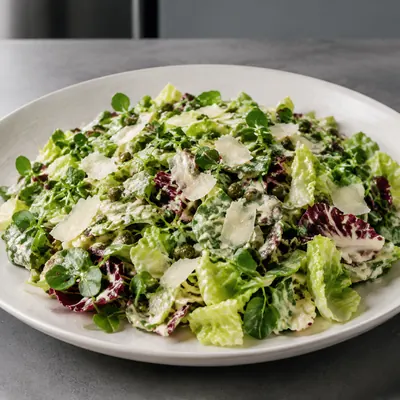
Mixed-Leaf Tahini Caesar Salad
A Caesar-style mixed-leaf salad with a tahini, anchovy, caper and Parmesan dressing, using extra virgin olive oil retained from oil-packed capers.
Foods
6 foods containing this substance
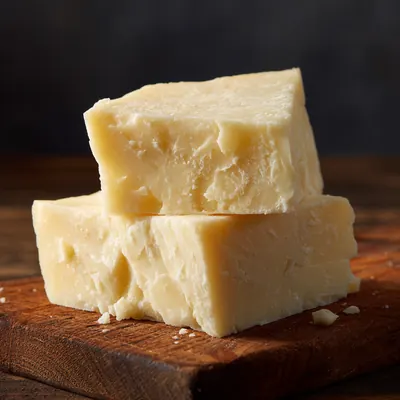
Cheddar Cheese
Hard cow’s-milk cheese rich in protein, calcium, and vitamin B12
Parmesan Cheese
CLA, K2, C15:0, and high protein/calcium
Pumpkin Seeds
High zinc, tryptophan, and magnesium for neurotransmitter support
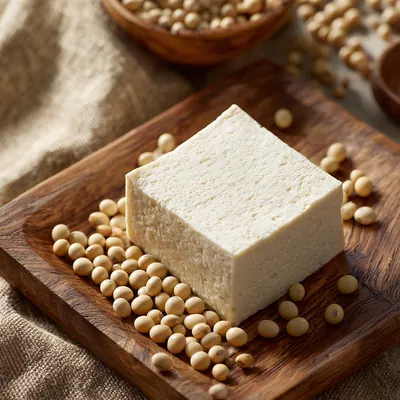
Soy
Complete plant protein with isoflavones (genistein) and choline
Tempeh
Fermented soy providing probiotics and enhanced nutrient bioavailability
Tofu
Soy-based protein source with isoflavones and choline
Biological Mechanisms and Implications
References
- Tyrosine is a catecholamine precursor (dopamine, norepinephrine); brain transport via LAT1 competes with other LNAAs; iron/B6/folate/BH4 are cofactors
- Dopamine: Attention, motivation, executive function; DMN-to-task switching; cofactors include tyrosine, phenylalanine, iron, B6, folate, omega-3s
- Iron is an essential cofactor for tyrosine hydroxylase, the rate-limiting enzyme in the conversion of tyrosine to dopamine Beard et al. 2003 Erikson et al. 2000
- Moderate carbohydrate intake reduces competition at the LAT1 transporter; both pathways rely on cofactors (iron, B6, folate, omega-3s, and BH₄) to support rate-limiting steps in catecholamine synthesis Fanet et al. 2021
- These nutrients, along with omega-3 fatty acids, support LAT1 transport, membrane fluidity, and neurotransmitter production
- Compared to the high carbohydrate breakfast, the high protein breakfast raised the tyrosine:LNAA ratio by a median ~28% (range ~10–64%)
- Norepinephrine: Attention, arousal, executive modulation; cofactors include tyrosine, phenylalanine, vitamin C, copper
- Tyrosine may enhance working memory performance in healthy older adults, potentially through modulating functional connectivity in brain regions associated with cognitive control Hensel et al. 2019
- Meta-analysis of L-tyrosine suggests quick tolerance after limited efficacy of only 2 weeks, suggesting that extra tyrosine will not fix a dopamine dysregulation problem alone F W Reimherr and M Ward 1987
- Enhancing dietary protein, prebiotics, and microbiome diversity promotes microbial metabolism and absorption of key amino acids, increasing tyrosine availability for central serotonin and dopamine synthesis Sinha et al. 2024 O'Mahony et al. 2015