Iron
Fe2+
Overview
Iron is an essential mineral that plays a central role in oxygen transport throughout the body via hemoglobin in red blood cells. In the brain, iron is critical for oxygen delivery and serves as an essential cofactor for tyrosine hydroxylase, the rate-limiting enzyme in dopamine synthesis. This makes iron particularly important for catecholamine neurotransmitter production, which is relevant for attention, motivation, and executive function. Iron exists in two forms: heme iron from animal sources, which is more bioavailable, and non-heme iron from plant sources, which benefits from being paired with vitamin C to enhance absorption.
Dietary absorption and meal context
- Most absorbable form: Heme iron (animal foods) is generally absorbed more efficiently than non-heme iron.
- Enhancers: Pair non-heme iron foods with vitamin C sources to improve uptake.
- Inhibitors and timing: Tea and coffee polyphenols can reduce non-heme iron absorption when taken with meals; spacing intake can help.
- Processing support: Soaking and sprouting legumes/grains can reduce phytate burden and improve non-heme iron availability.
Recipes
12 recipes containing this substance
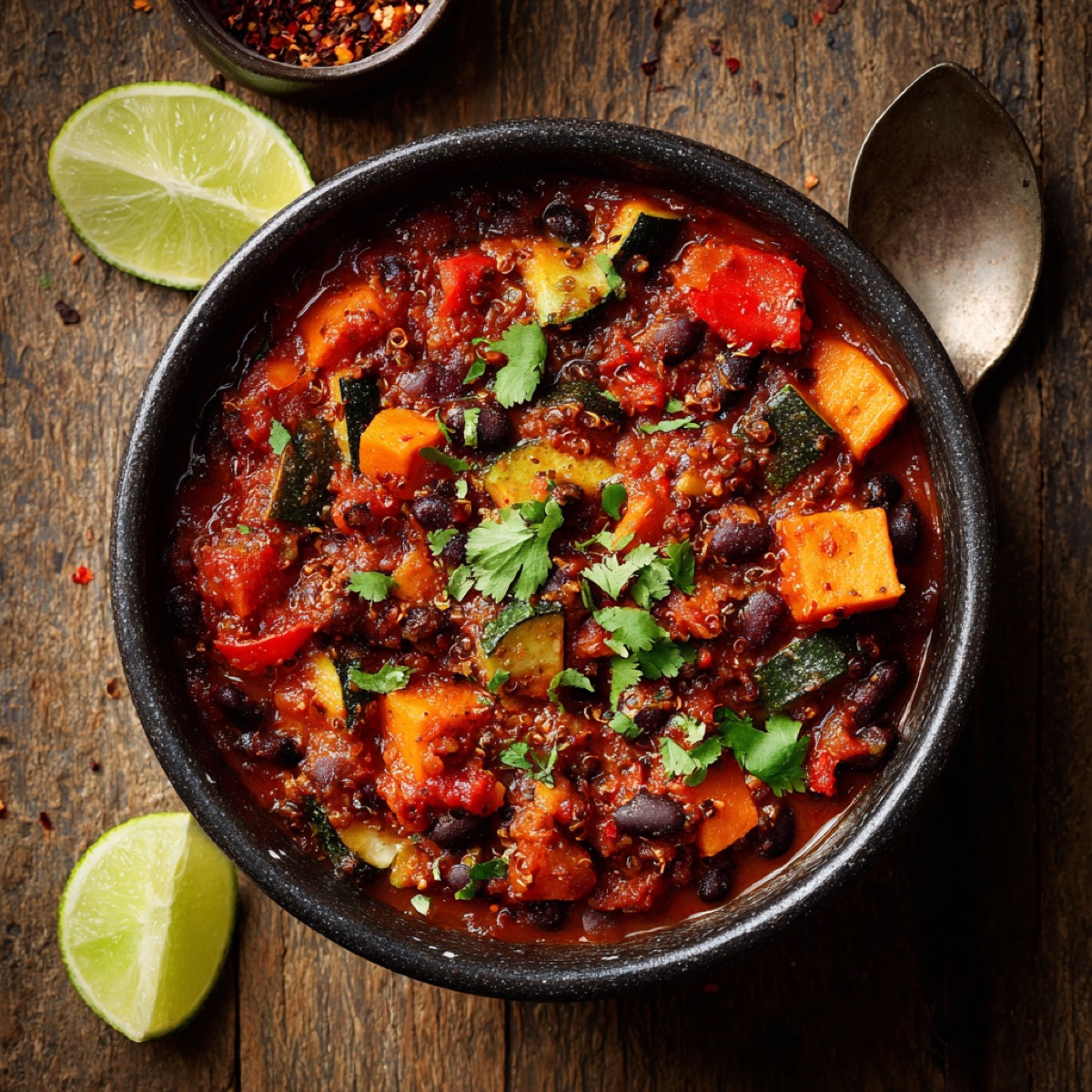
Black Bean & Sweet Potato Vegetable Chilli
A fibre-rich bean and vegetable chilli with warming spices and slow carbohydrates for steady energy and satiety.
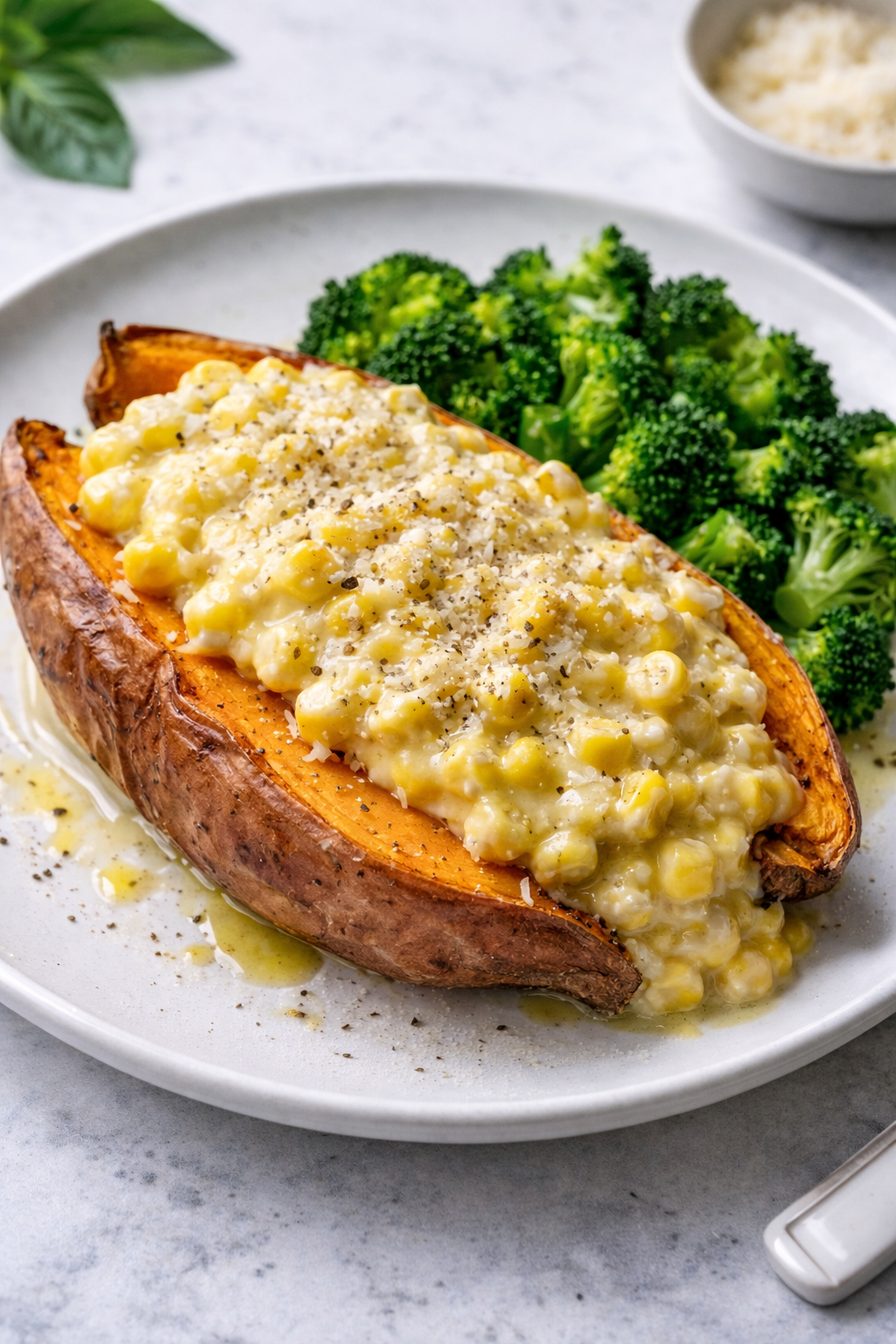
Creamed Corn on Roasted Sweet Potato
Roasted sweet potato with creamed corn and a mixed lipid phase to enhance carotenoid absorption; served with broccoli for fibre and glucosinolates.
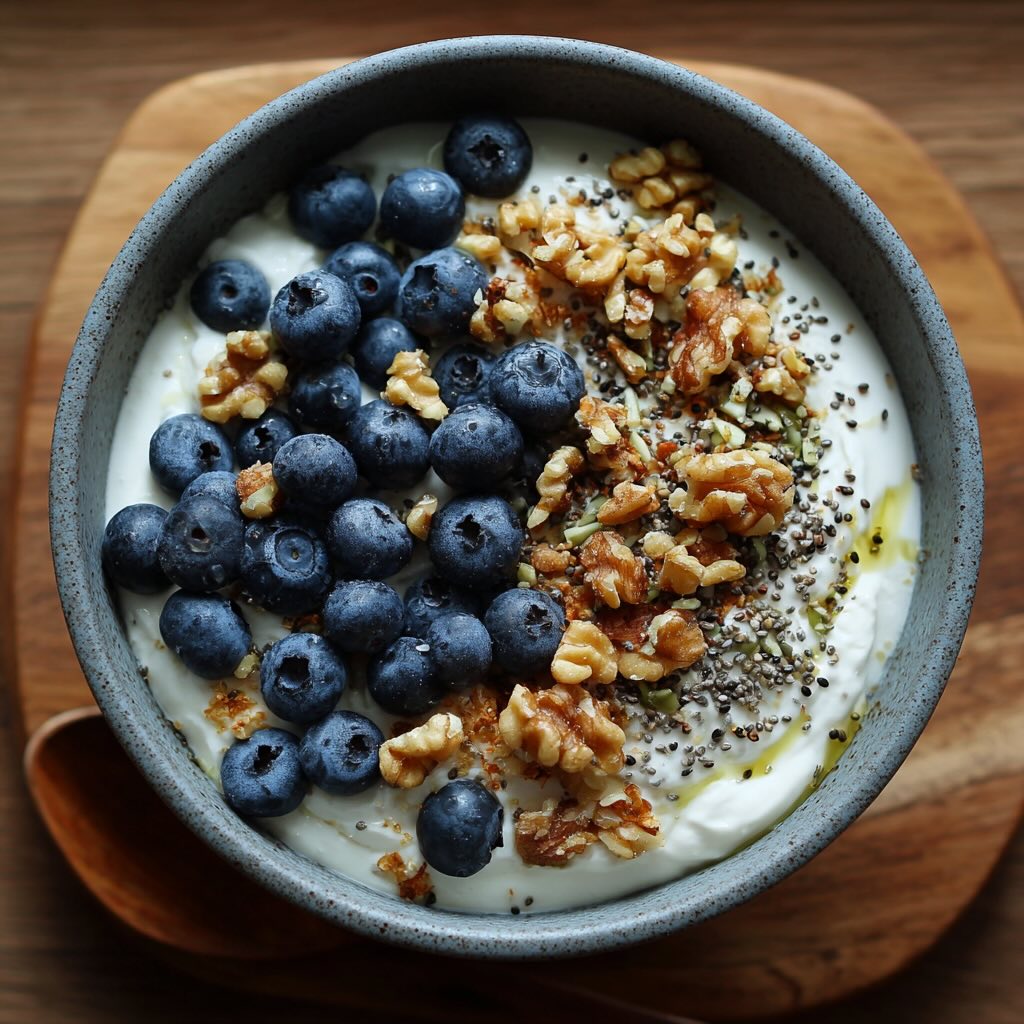
Ginger Yogurt and Blueberries
A polyphenol-rich breakfast bowl with high fibre, combining ginger, omega-3 nuts, blueberry polyphenols, and probiotic yogurt.
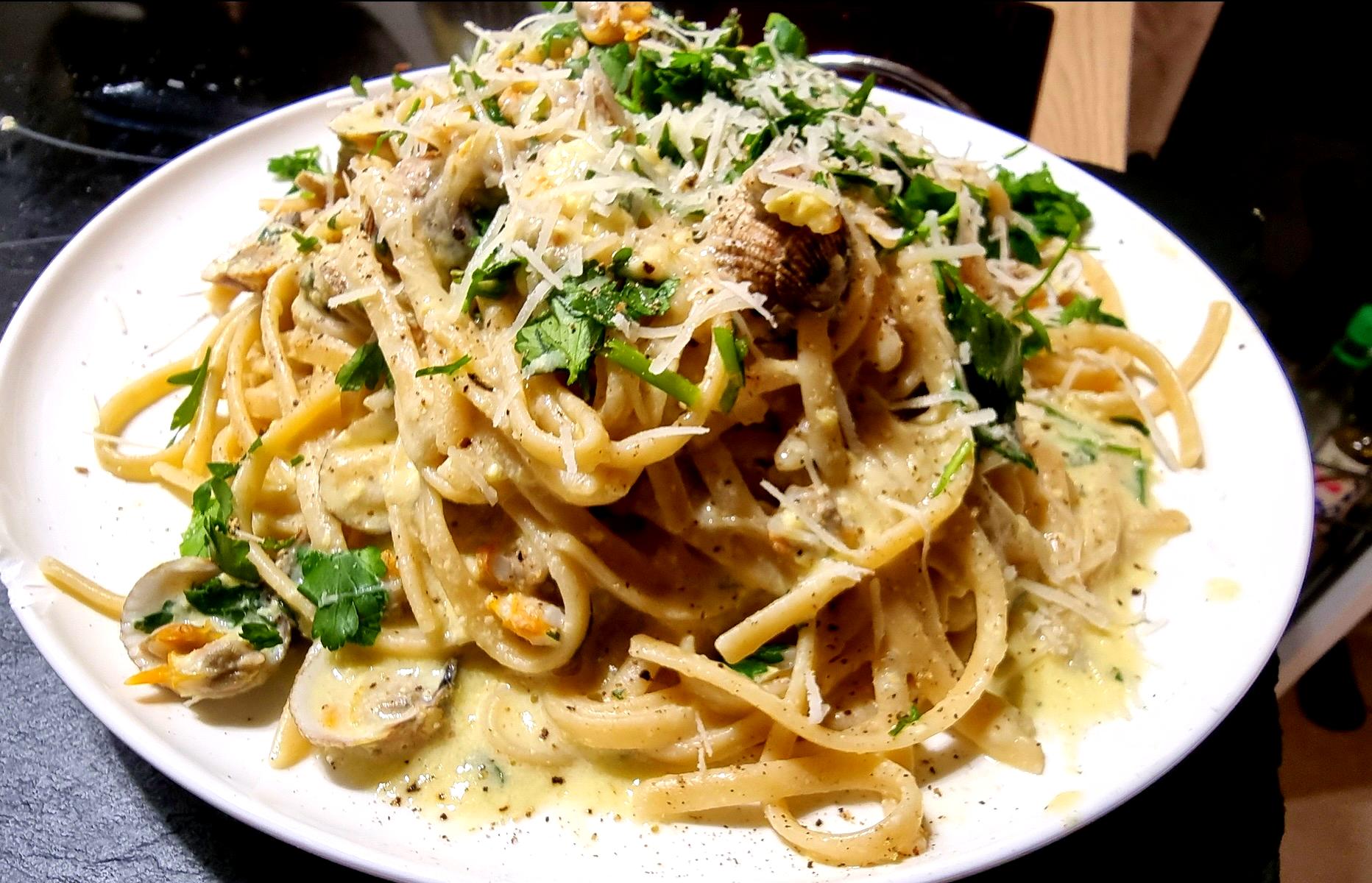
Linguine alle vongole mantecate (Linguine with cockles in a silky emulsified sauce)
Whole-wheat linguine with cockles in a silky emulsified sauce; Italian emulsification technique without cream, supporting taurine, B12, and choline intake.
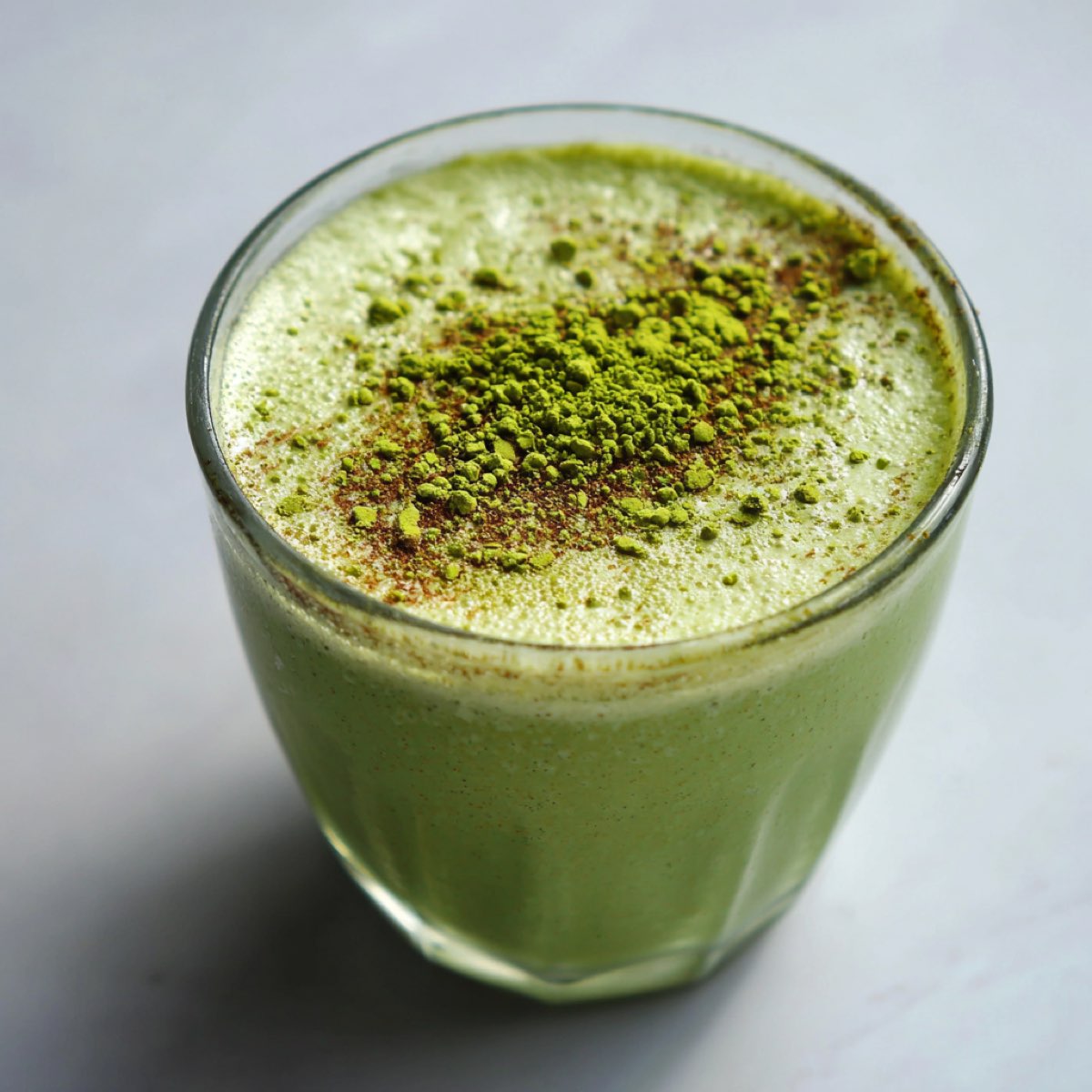
Matcha Mitochondria Smoothie
Mitochondrial energising smoothie rich in polyphenols, magnesium, and antioxidants
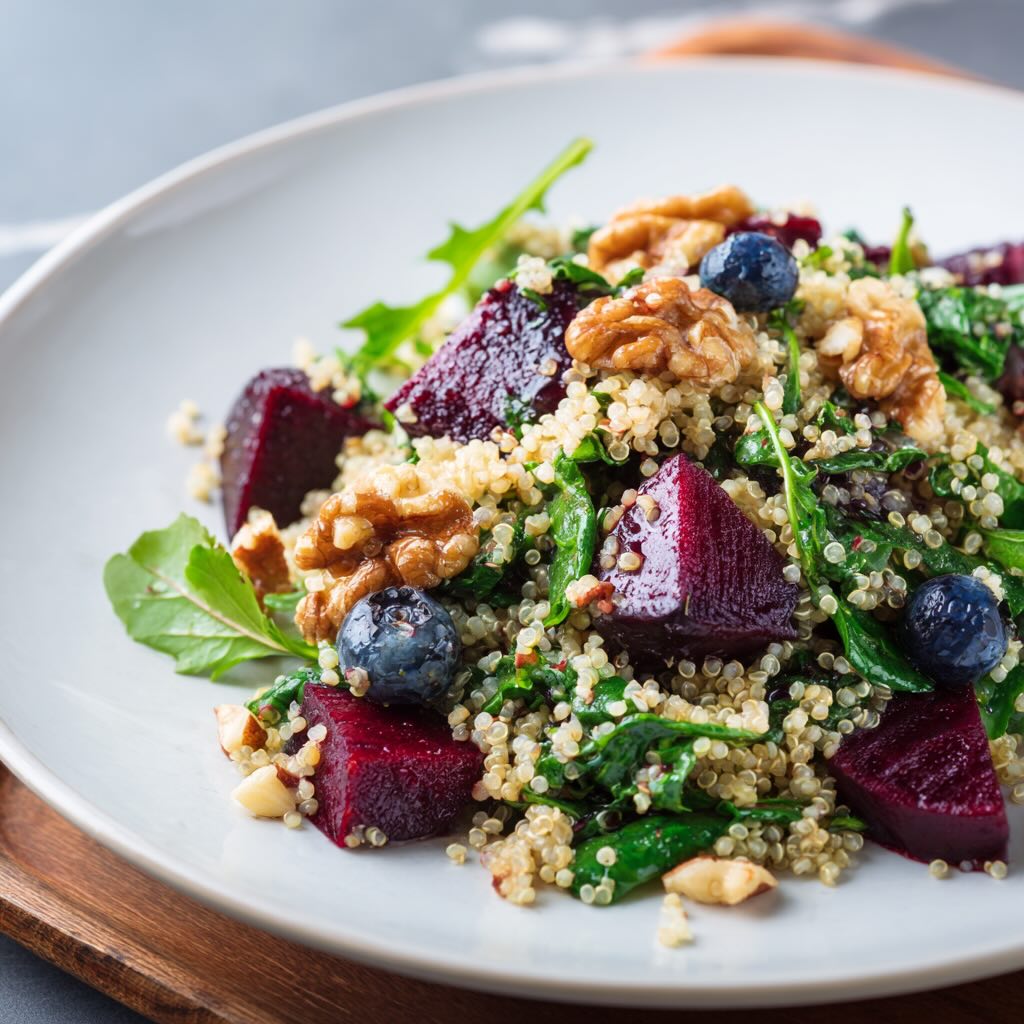
Mitochondrial Power Bowl
A nitrate-rich, polyphenol-dense bowl combining leafy greens, beets, berries, nuts, and early harvest olive oil
Mixed-Leaf Tahini Caesar Salad
A Caesar-style mixed-leaf salad with a tahini, anchovy, caper and Parmesan dressing, using extra virgin olive oil retained from oil-packed capers.
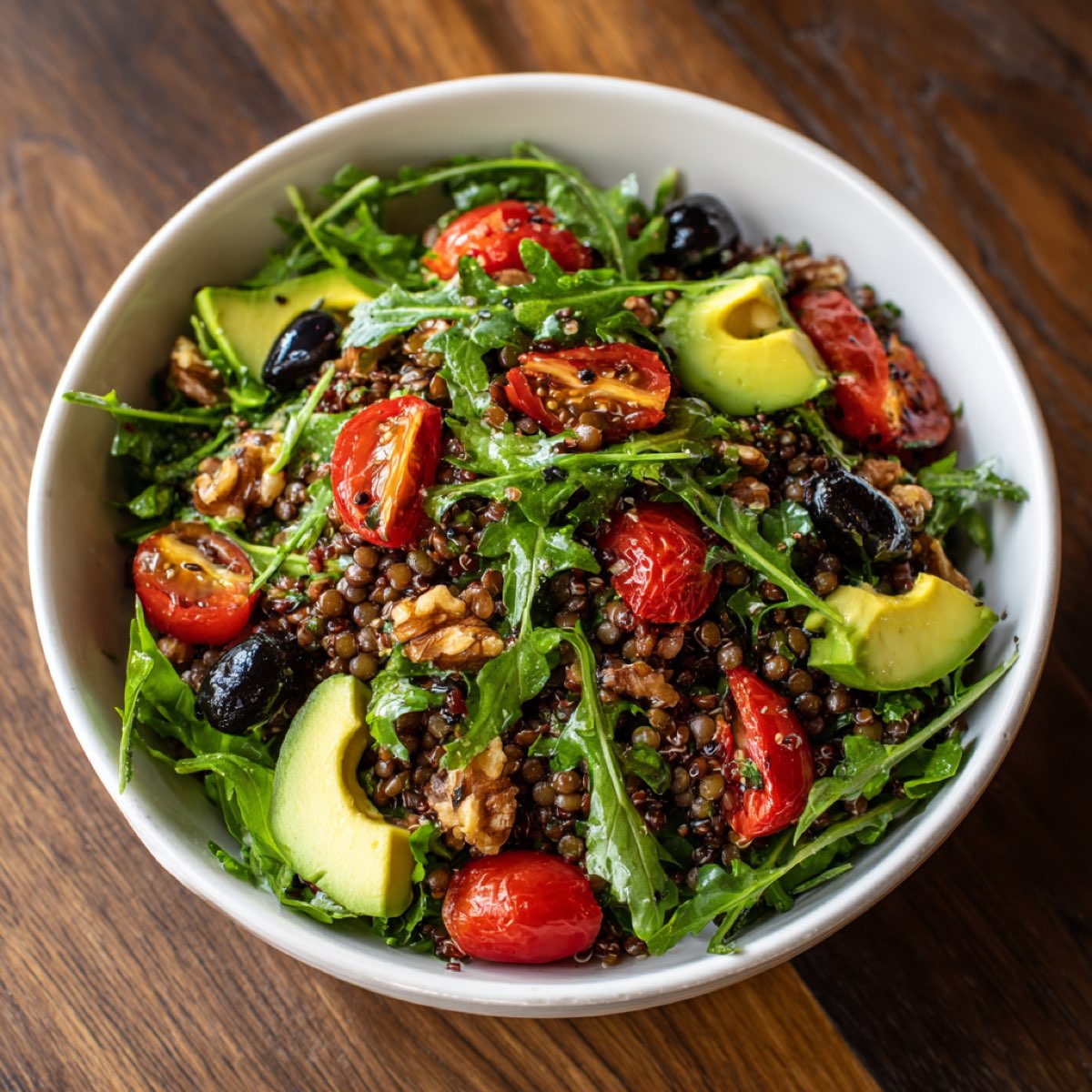
Rocket Lentil Avocado Midday Salad (Gut-Supporting)
Polyphenol-rich midday salad with quinoa or lentils, vegetables, avocado, and early harvest olive oil
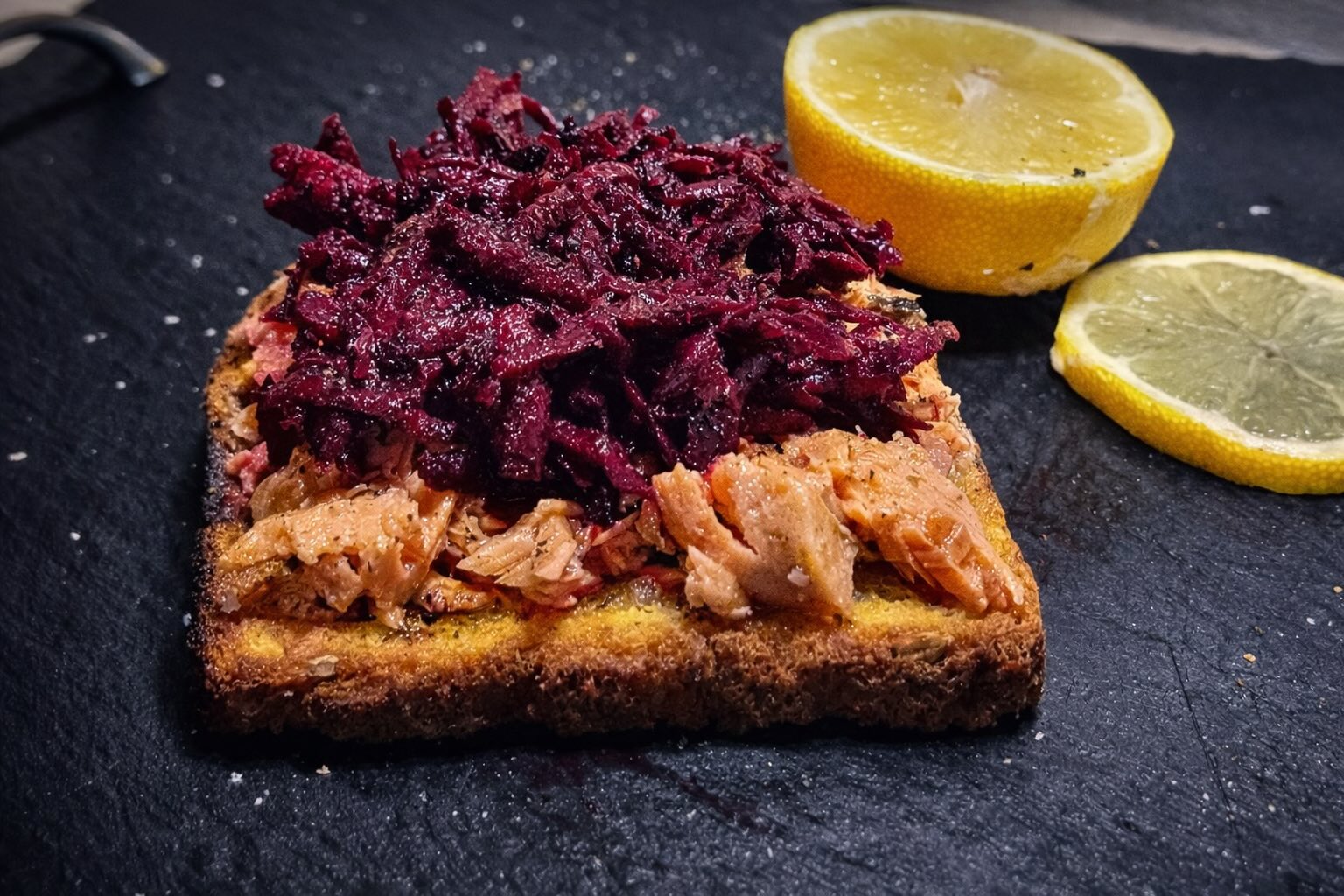
Salmon & Grated Beetroot Toast (with Lemon)
A fast, brain-forward open sandwich combining omega-3 rich salmon, nitrate/polyphenol beetroot, and lemon acidity for a sharp, savoury bite.
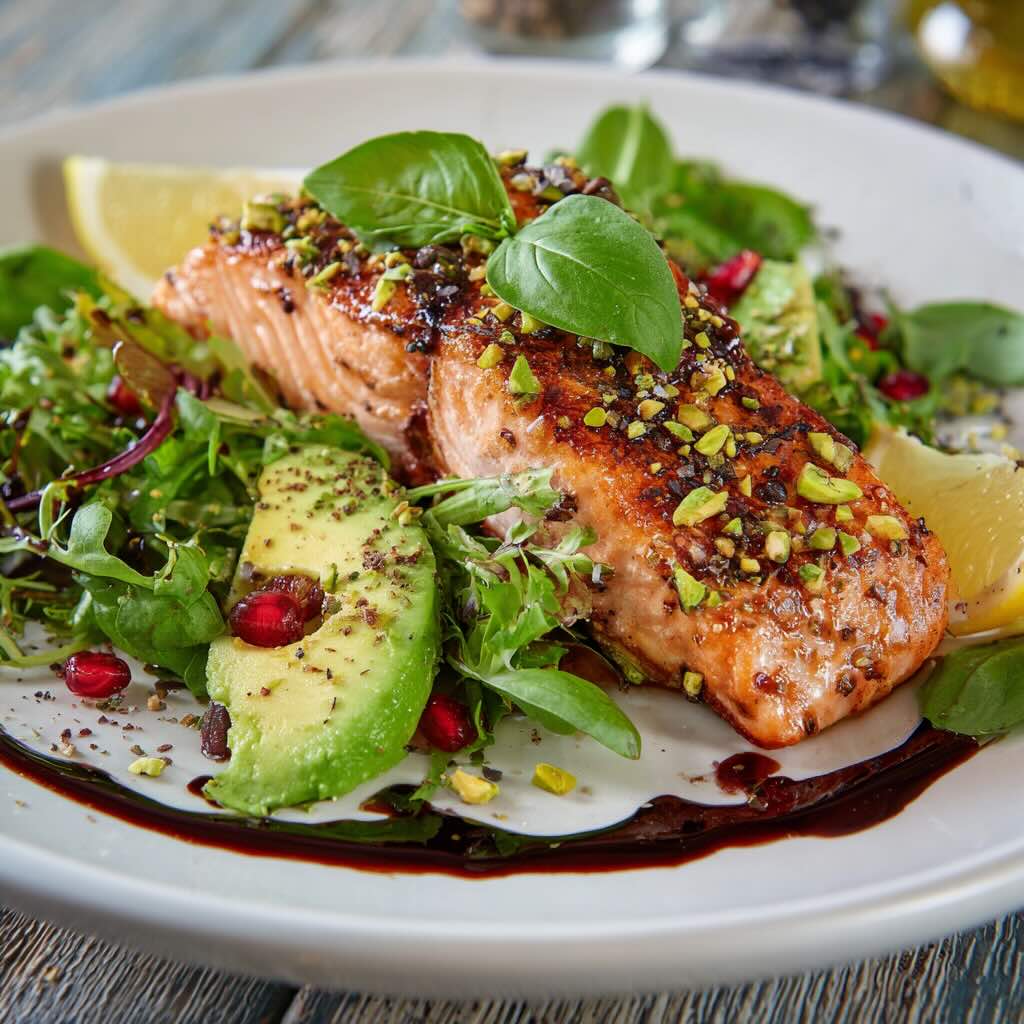
Salmon Bowl-pistachio-cacao-nibs
A Mediterranean-style bowl combining salmon, avocado, pistachios, cacao nibs, and early harvest olive oil — rich in omega-3 fats, polyphenols, and fibre.
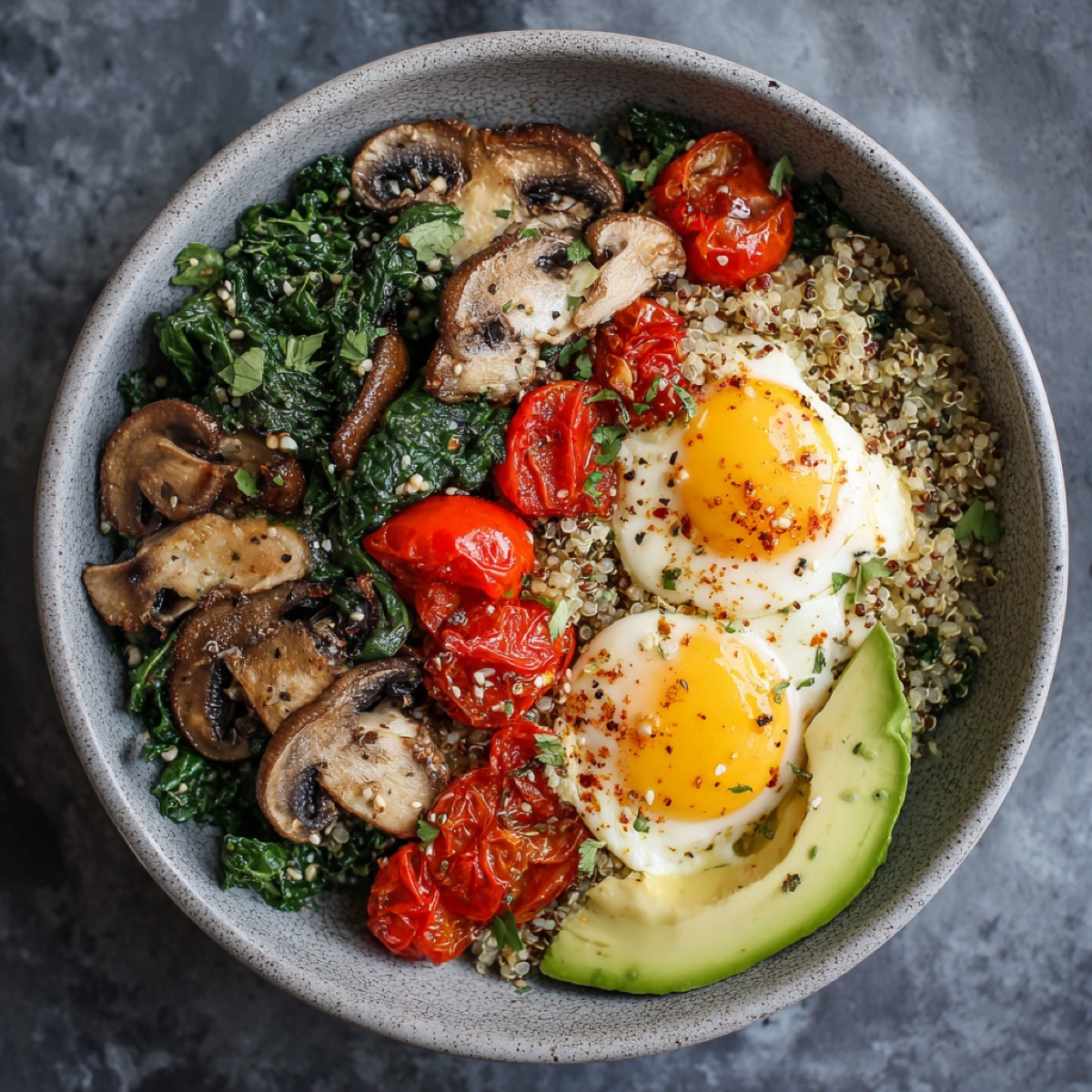
Savoury Greens & Egg Breakfast Skillet
A warm savoury breakfast skillet with eggs, greens, and slow carbohydrates for steady morning energy.
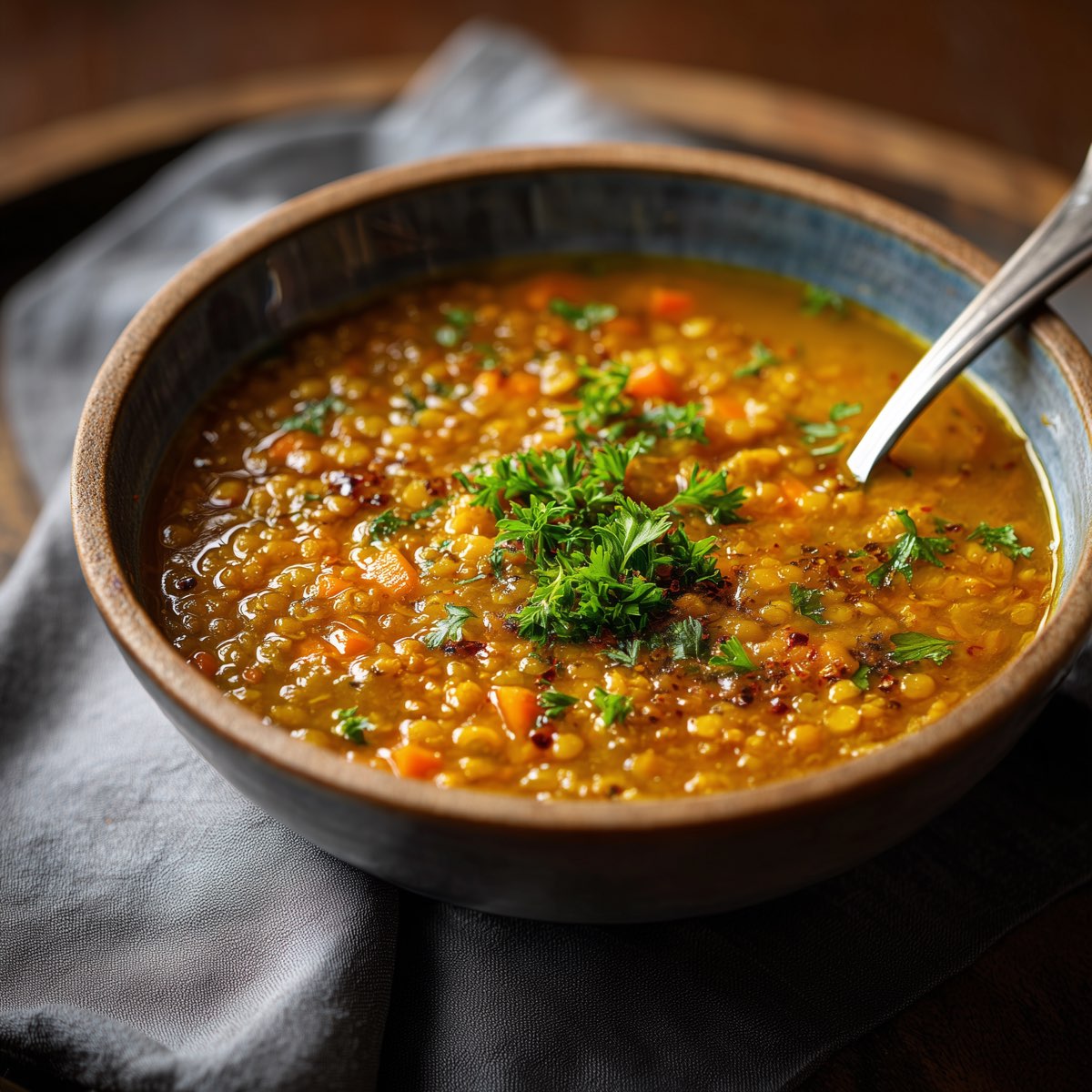
Turmeric Lentil Dahl
Turmeric- and ginger-spiced lentil dish rich in fibre, folate, and polyphenols
Foods
44 foods containing this substance
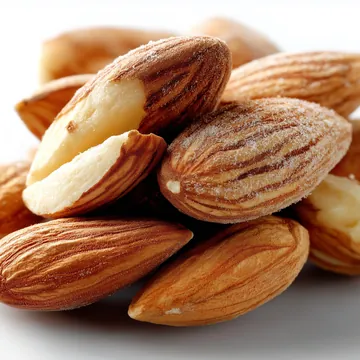
Almonds
Nutrient-dense nut providing vitamin E, magnesium, fibre and unsaturated fats
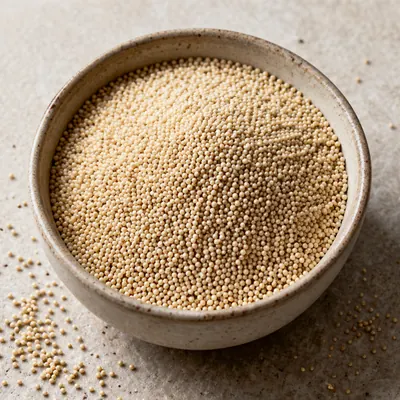
Amaranth
Comparatively lysine-rich pseudograin providing protein, magnesium and iron
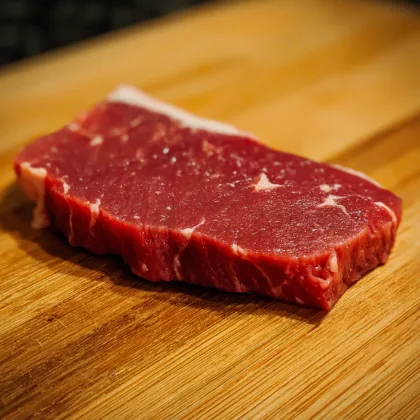
Beef
High creatine, CoQ10, and bioavailable heme iron
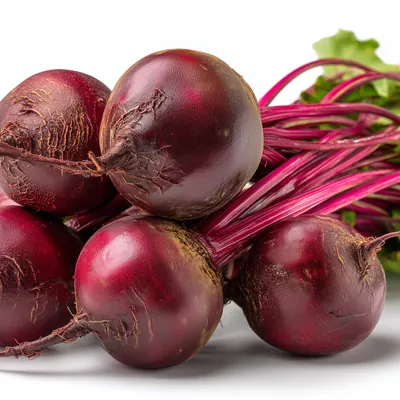
Beetroot
Root vegetable providing dietary nitrate and betalain pigments
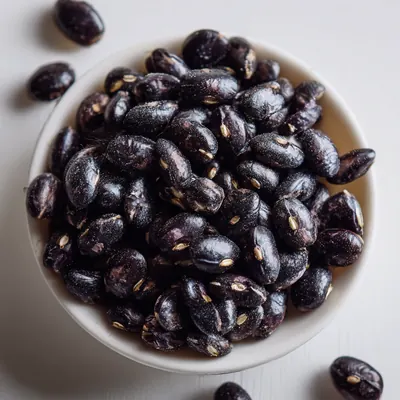
Black Beans
Legume with polyphenols and protein; optimal soaking conditions detailed
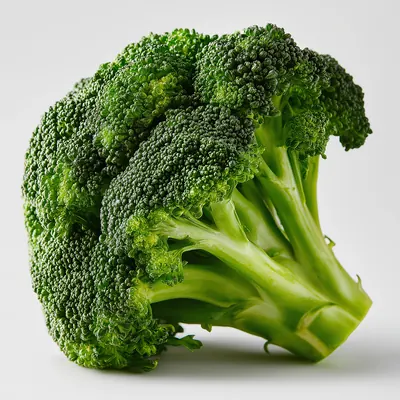
Broccoli
Cruciferous vegetable rich in sulforaphane, folate, and glutathione precursors
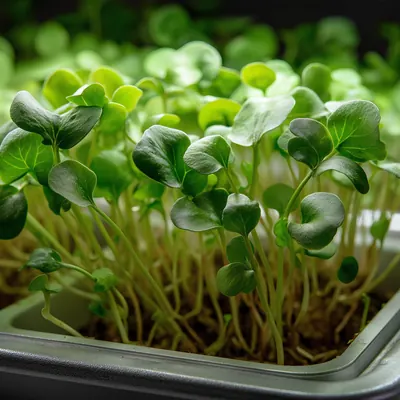
Broccoli Sprouts
Young broccoli sprouts valued for glucoraphanin and sulforaphane potential, vitamin C, and Nrf2-supportive phytochemistry
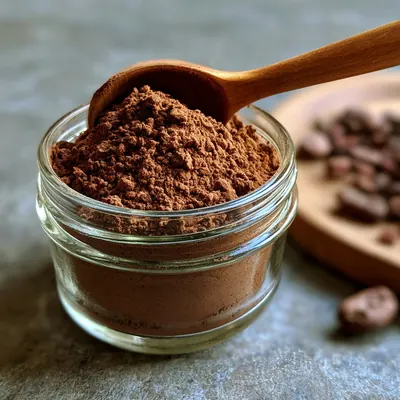
Cacao Powder
Minimally processed cacao powder with higher native flavanol retention relative to more processed cocoa products.
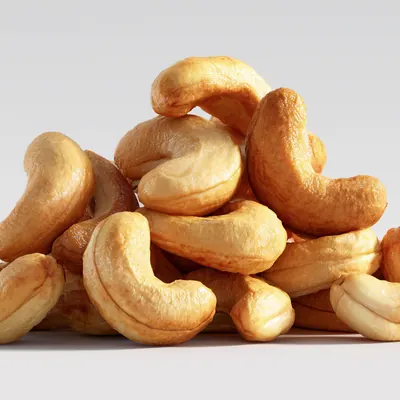
Cashews
Plant protein and zinc source
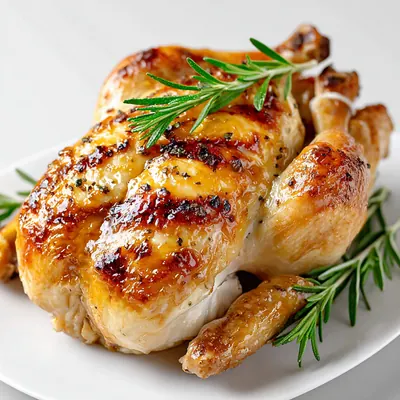
Chicken
Niacin, zinc, and tryptophan
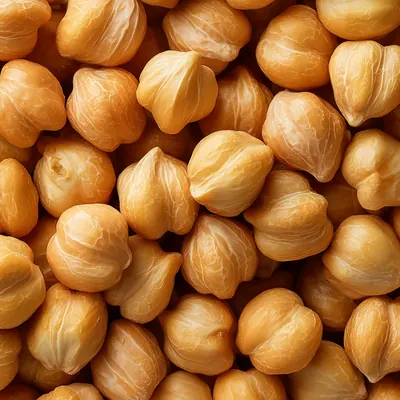
Chickpeas
Legume providing protein, fiber, folate, magnesium, and B6
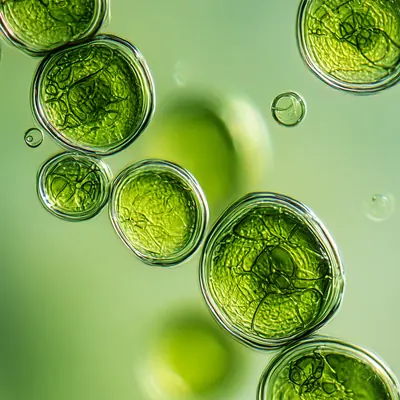
Chlorella
Algae with bioavailable true vitamin B12 and antioxidant support

Clams
High taurine and B12 content

Cockles
Bivalve shellfish providing B12, iron, zinc, selenium, and marine taurine

Cocoa
Processed cocoa products — flavanol-rich when unsweetened; see cacao powder and dark chocolate for sourcing.
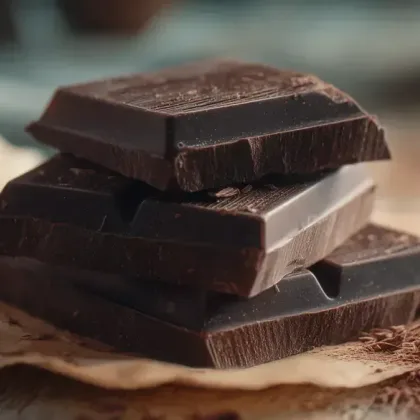
Dark Chocolate
Cocoa flavanols for cognitive support; heavy metal considerations

Dark-Meat Poultry
Higher taurine content than white meat

Edamame
Young soybeans providing NMN (NAD+ precursor) and complete plant protein
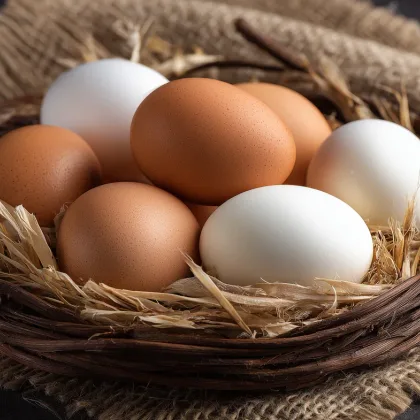
Eggs
Complete protein with choline, B vitamins, and phospholipids

Heart
Highest CoQ10 source among organ meats

Kale
Leafy green rich in iron, magnesium, zinc, quercetin, and carotenoids

Kidney
Organ meat with high nutrient density

Kidney Beans
Polyphenol-rich legume supporting gut health

Lamb
Creatine and bioavailable heme iron

Lentils
Legume rich in protein, fibre, folate, iron, and prebiotics

Liver
Nutrient-dense organ meat with bioavailable B12, retinol, iron, and CoQ10
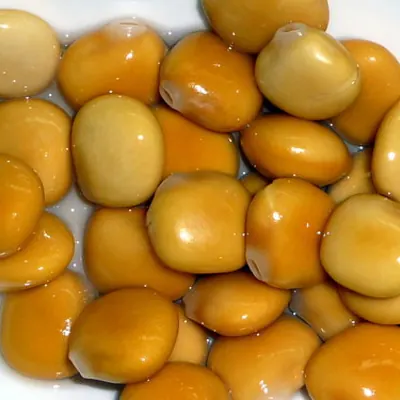
Lupin Beans
High-protein legume with strong arginine and lysine density

Mankai (Duckweed)
Functional plant food with iron and B12 for vegan nutrient gaps
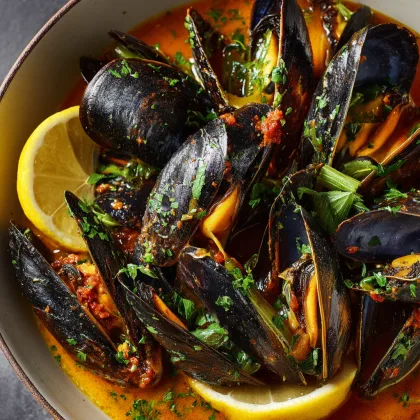
Mussels
Nutrient-dense bivalve providing phospholipid-bound omega-3s; accepted by some vegans (ostroveganism)

Nori
Red seaweed providing iodine and amino acid precursors for creatine synthesis

Oats
Beta-glucans, B vitamins, and minerals for gut and neurotransmitter support
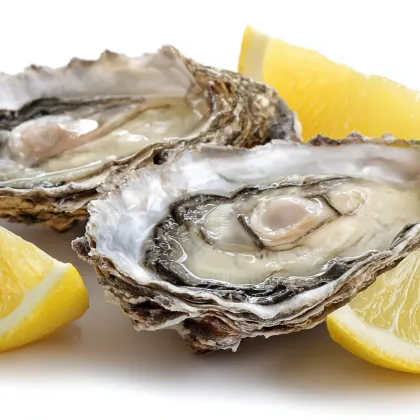
Oysters
Highest zinc content among common foods; unique source of phospholipid-bound omega-3s; accepted by some vegans (ostroveganism)

Pumpkin Seeds
High zinc, tryptophan, and magnesium for neurotransmitter support

Quinoa
Pseudograin with magnesium, iron, and balanced plant protein

Sesame Seeds
Whole sesame seed with unsaturated fat, minerals and lignans

Sourdough Bread
Fermented bread with GABA, improved amino acid bioavailability, and optimized Maillard products
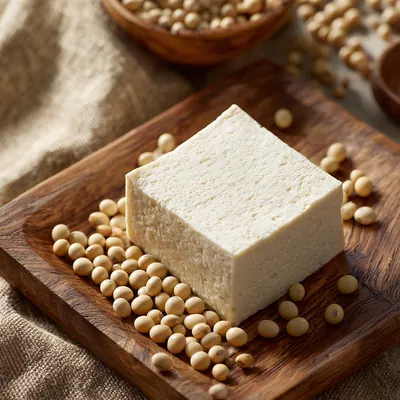
Soy
Complete plant protein with isoflavones (genistein) and choline

Spinach
Leafy green rich in iron, magnesium, folate, and carotenoids

Spirulina
Algae with pseudovitamin B12 (inactive) but other beneficial compounds

Swiss Chard
Leafy green rich in iron, magnesium, folate, and carotenoids

Tempeh
Fermented soy providing probiotics and enhanced nutrient bioavailability

Tofu
Soy-based protein source with isoflavones and choline

Wheat
Whole grain providing B vitamins, fiber, and minerals

Whole Grains
General category of whole grain foods
Biological Mechanisms and Implications
References
- Iron is critical for oxygen delivery and catecholamine synthesis; heme iron is more bioavailable than non-heme iron
- Iron is an essential cofactor for tyrosine hydroxylase, the rate-limiting enzyme in the conversion of tyrosine to dopamine Beard et al. 2003 Erikson et al. 2000
- Iron supplementation has not proven consistently effective in relieving ADHD symptoms; lower serum ferritin levels found in ADHD patients compared to controls
- Ferritin limits free iron that can produce oxidative radicals; lower levels in ADHD patients imply reduced iron regulation, resulting in more free iron and potentially increased oxidative stress
- Small intestinal bacterial overgrowth (SIBO) impairs absorption of vitamin B12, iron, and tryptophan, depriving the brain of essential neurotransmitter precursors
- Pairing plant-based iron sources with vitamin C (citrus) can enhance iron absorption (up to 4× increase) Hallberg et al. 1989
- Polyphenol-rich beverages (tea/coffee) can reduce non-heme iron absorption if taken with iron-rich plant meals; spacing them ≥1 hour away or adding vitamin-C sources favors iron uptake
- Phytates can bind essential minerals such as zinc, iron, and calcium, potentially impairing their absorption; soaking and sprouting can reduce phytates and improve bioavailability Taylor et al. 2009
- Soaking and sprouting reduces phytates in legumes/grains, improving non-heme iron and zinc bioavailability GREINER and KONIETZNY 1999