Zeaxanthin
Overview
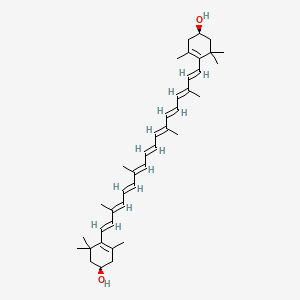
Zeaxanthin is a carotenoid pigment found in dark green leafy vegetables, corn, egg yolks, and other yellow-orange foods. Along with lutein, it accumulates in neural tissues and the retina, where it provides antioxidant protection and supports visual function. Zeaxanthin exhibits neuroprotective properties through its antioxidant and anti-inflammatory effects, helping protect brain cells from oxidative stress. It has been associated with improved cognitive performance, particularly in memory, processing speed, and visual-spatial function. Like other carotenoids, zeaxanthin's absorption is enhanced when consumed with dietary fats.
Recipes
8 recipes containing this substance
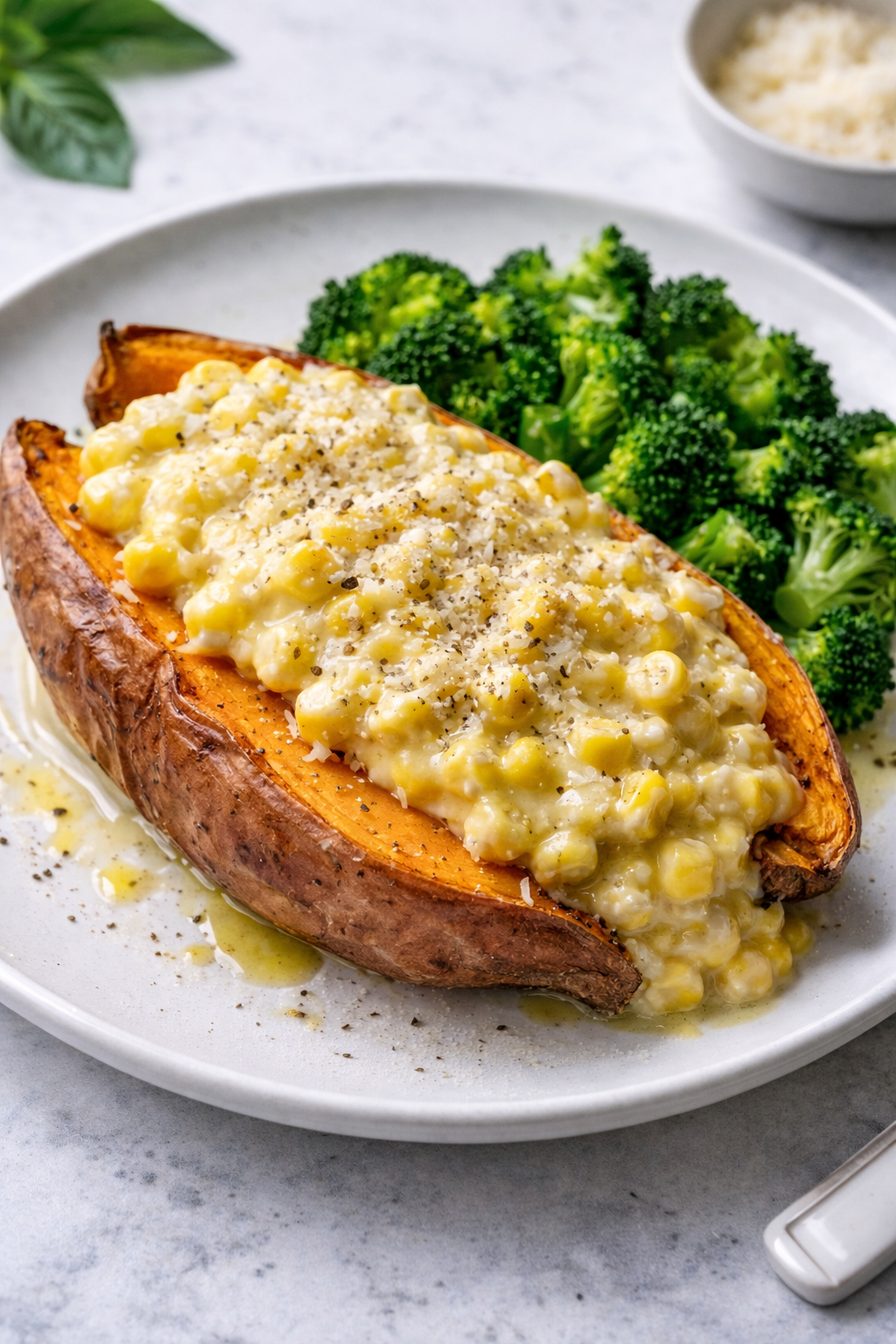
Creamed Corn on Roasted Sweet Potato
Roasted sweet potato with creamed corn and a mixed lipid phase to enhance carotenoid absorption; served with broccoli for fibre and glucosinolates.
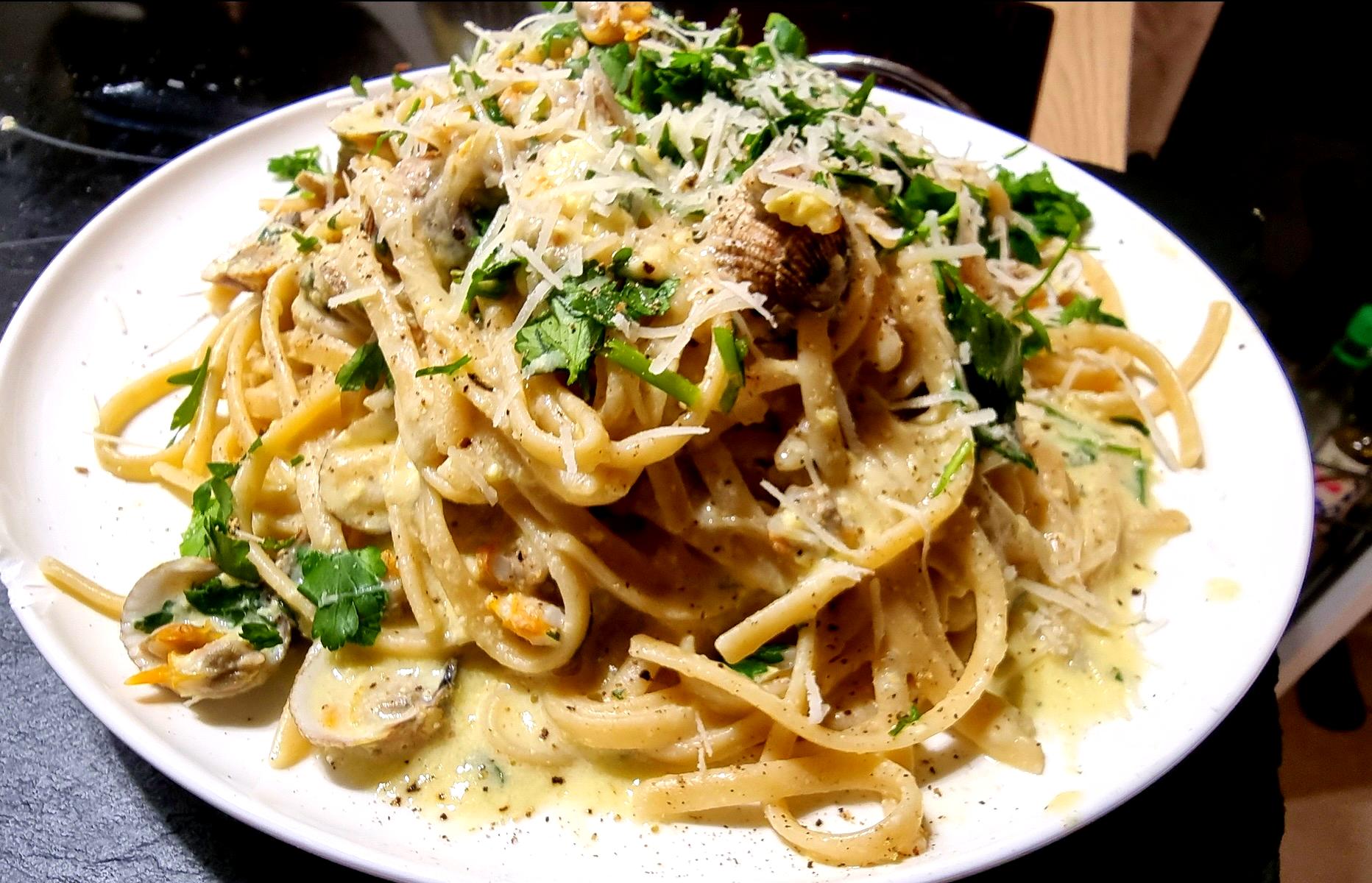
Linguine alle vongole mantecate (Linguine with cockles in a silky emulsified sauce)
Whole-wheat linguine with cockles in a silky emulsified sauce; Italian emulsification technique without cream, supporting taurine, B12, and choline intake.
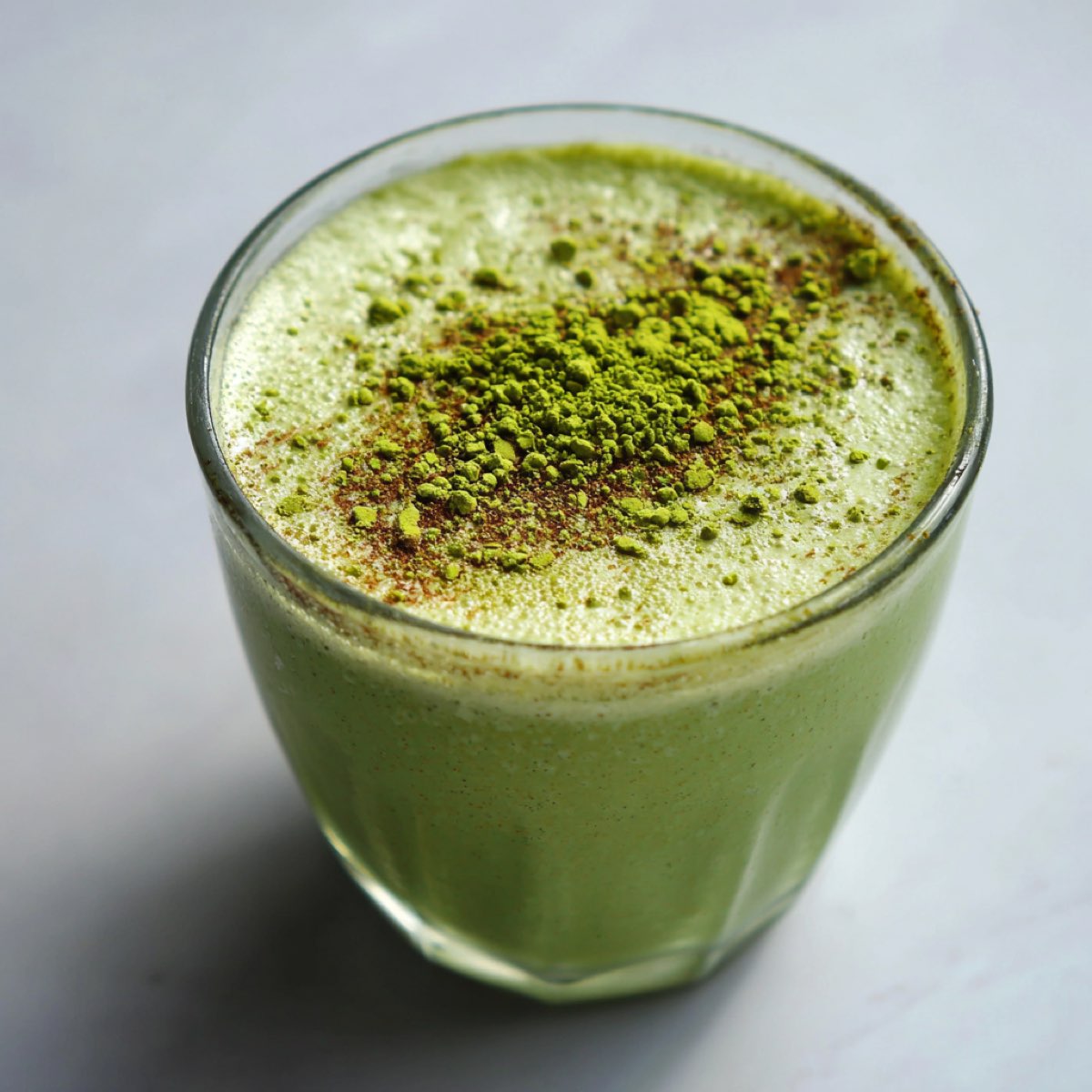
Matcha Mitochondria Smoothie
Mitochondrial energising smoothie rich in polyphenols, magnesium, and antioxidants
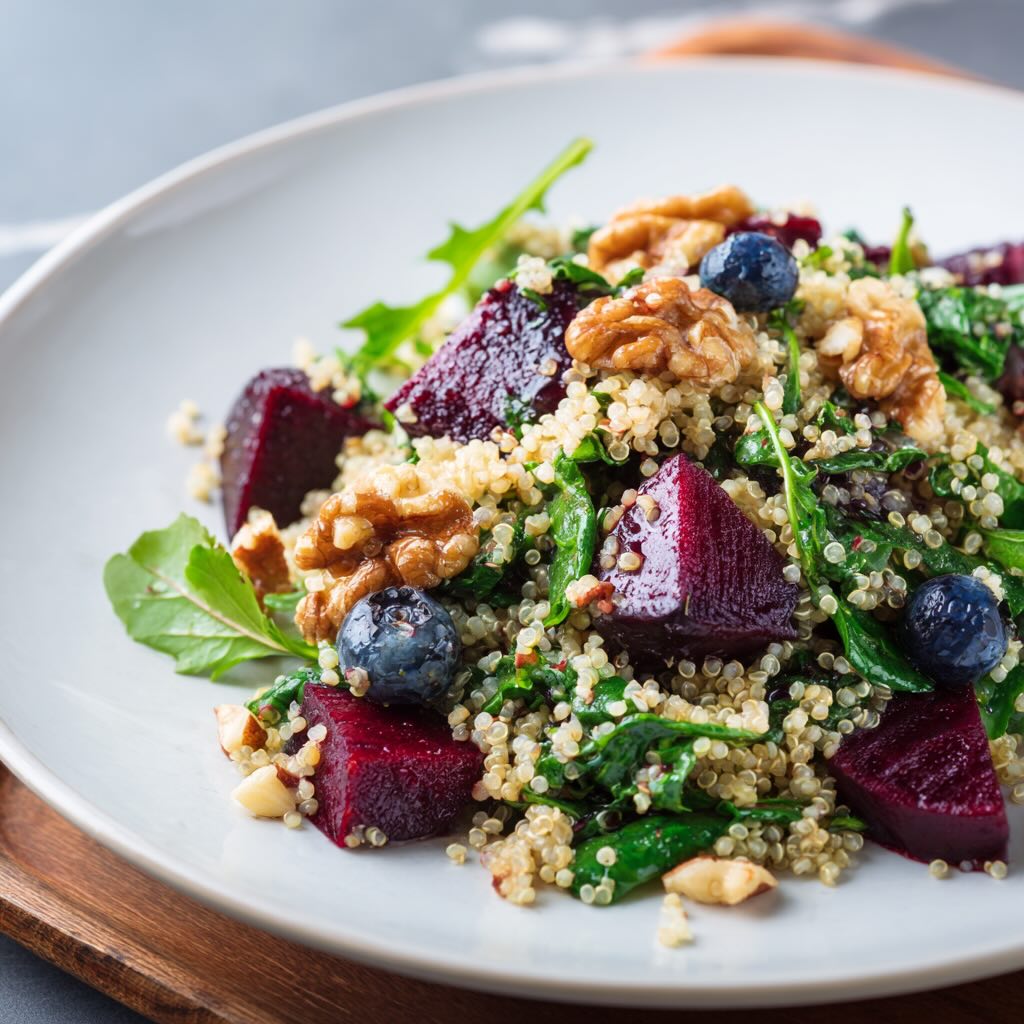
Mitochondrial Power Bowl
A nitrate-rich, polyphenol-dense bowl combining leafy greens, beets, berries, nuts, and early harvest olive oil
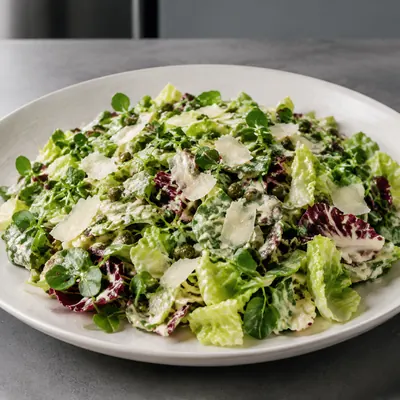
Mixed-Leaf Tahini Caesar Salad
A Caesar-style mixed-leaf salad with a tahini, anchovy, caper and Parmesan dressing, using extra virgin olive oil retained from oil-packed capers.
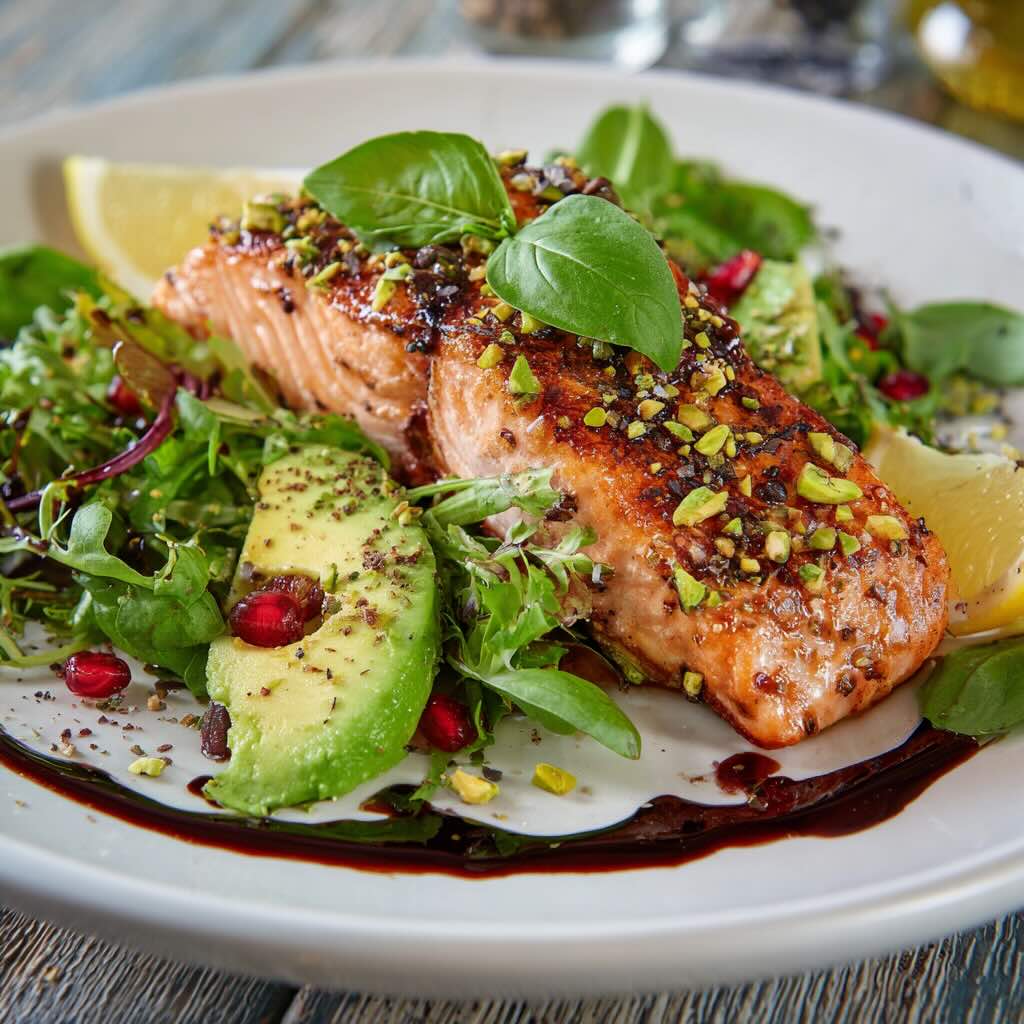
Salmon Bowl-pistachio-cacao-nibs
A Mediterranean-style bowl combining salmon, avocado, pistachios, cacao nibs, and early harvest olive oil — rich in omega-3 fats, polyphenols, and fibre.
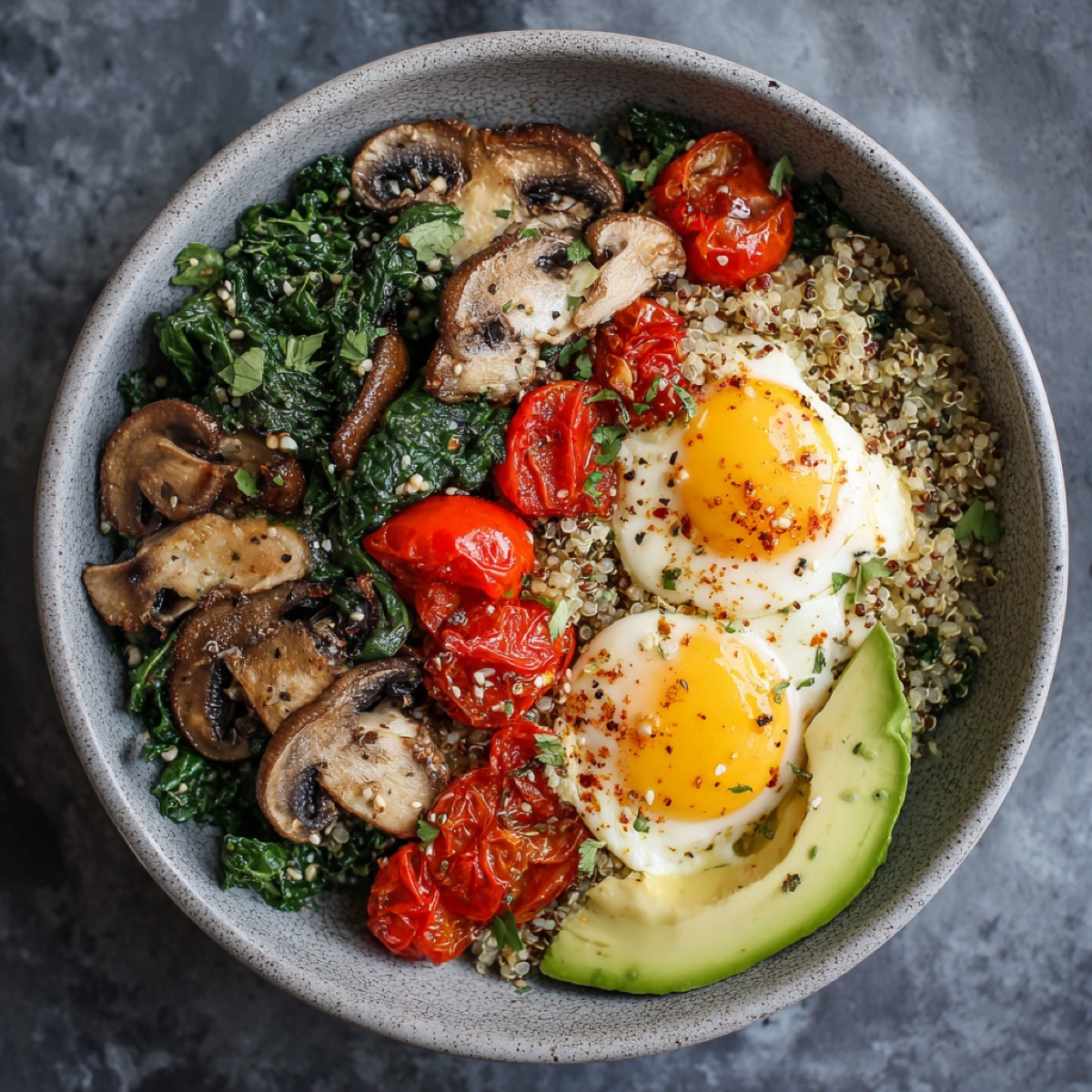
Savoury Greens & Egg Breakfast Skillet
A warm savoury breakfast skillet with eggs, greens, and slow carbohydrates for steady morning energy.
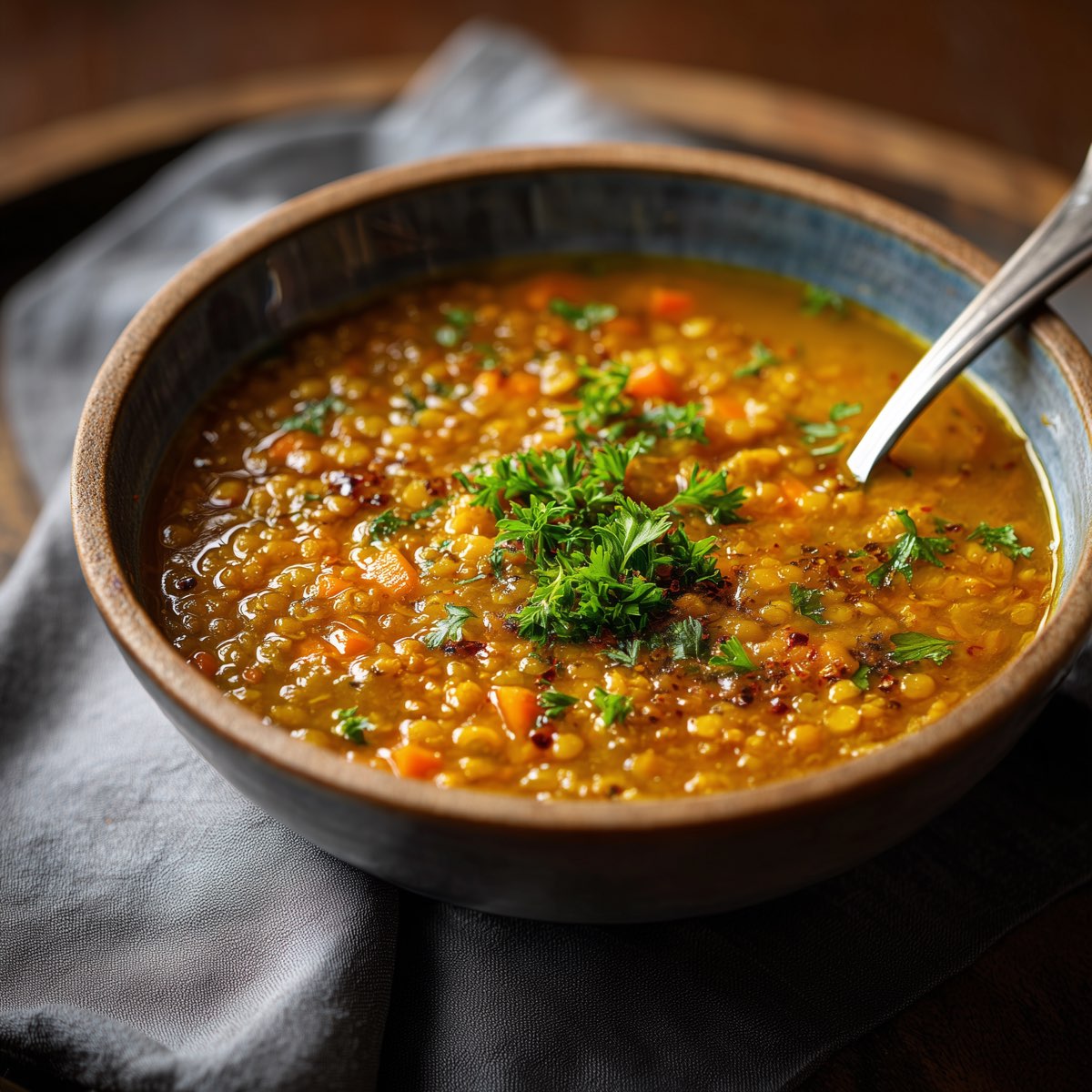
Turmeric Lentil Dahl
Turmeric- and ginger-spiced lentil dish rich in fibre, folate, and polyphenols
Foods
9 foods containing this substance

Corn
Carotenoid source (lutein, zeaxanthin) and complex carbohydrate
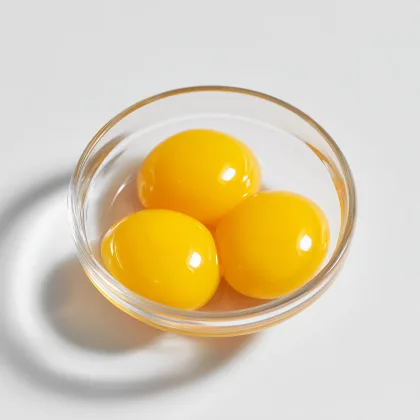
Egg Yolks
Nutrient-dense part of eggs with choline, lutein, and fat-soluble vitamins
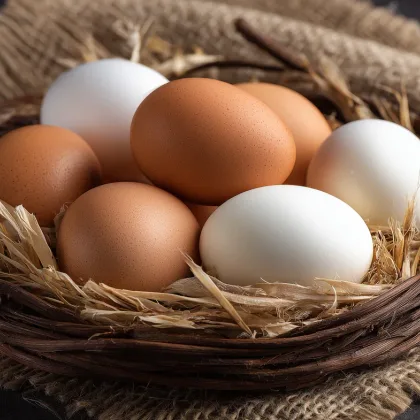
Eggs
Complete protein with choline, B vitamins, and phospholipids

Kale
Leafy green rich in iron, magnesium, zinc, quercetin, and carotenoids
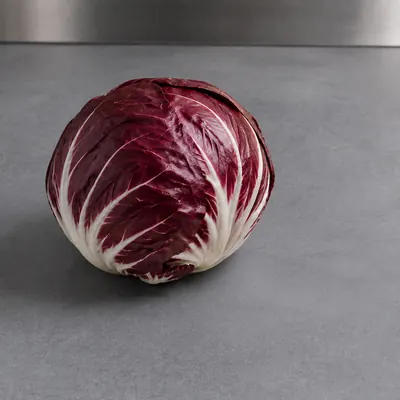
Radicchio
Bitter red chicory leaf providing lutein and vitamin K
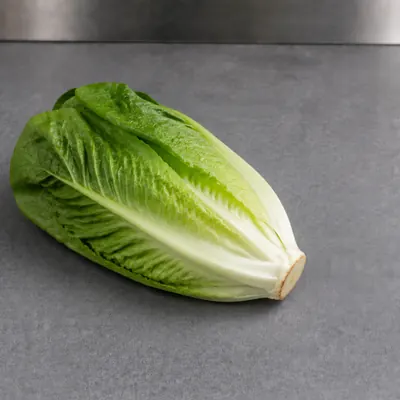
Romaine Lettuce
Crisp salad lettuce providing vitamin K, folate and carotenoids

Spinach
Leafy green rich in iron, magnesium, folate, and carotenoids

Swiss Chard
Leafy green rich in iron, magnesium, folate, and carotenoids

Watercress
Peppery brassica salad leaf providing vitamin C, vitamin K and carotenoids
Biological Mechanisms and Implications
References
- Carotenoids, particularly lutein, zeaxanthin, and β-carotene, play a neuroprotective role through their antioxidant and anti-inflammatory properties Johnson 2014
- Lutein and zeaxanthin have been associated with improved cognitive performance, especially in domains such as memory, processing speed, and visual-spatial function Yagi et al. 2021 Lieblein-Boff et al. 2015 Vishwanathan et al. 2014
- The bioaccessibility of carotenoids in vegetables is remarkably low—only 1-3% of the β-carotene in raw carrots is accessible for absorption Fielding et al. 2005
- Co-consuming a small amount of unsaturated fat with polyphenol-rich foods improves micelle formation and chylomicron packaging, increasing carotenoid absorption Kindel et al. 2010 Brown et al. 2004