Olive Oil
Overview
Regular olive oil (refined or blended) has significantly lower bioactive polyphenol content compared to extra virgin olive oil (EVOO). Olive oil's brain benefits come from polyphenols, not fatty acids. Regular olive oil undergoes processing that reduces or eliminates the secoiridoids and phenolics (oleuropein, oleocanthal, oleacein, hydroxytyrosol, tyrosol) that provide the neuroprotective, anti-inflammatory, and antioxidant effects.
Within the BRAIN Diet framework, for brain health benefits, extra virgin olive oil, particularly early harvest EVOO, is strongly recommended due to its much higher concentration of bioactive polyphenols.
Key Nutritional Highlights
- Olive oil's brain benefits come from polyphenols, not fatty acids. Regular olive oil undergoes processing that reduces or eliminates the secoiridoids and phenolics (oleuropein, oleocanthal, oleacein, hydroxytyrosol, tyrosol) that pro… [2]
Food Context
Preparation
- See Extra Virgin Olive Oil for detailed information on bioactive polyphenols
- Regular olive oil has significantly lower polyphenol content than EVOO
- For brain health benefits, use extra virgin olive oil, preferably early harvest
- EVOO provides secoiridoids and phenolics (oleuropein, oleocanthal, oleacein, hydroxytyrosol, tyrosol) that are largely absent in regular olive oil
Recipes
6 recipes containing this food
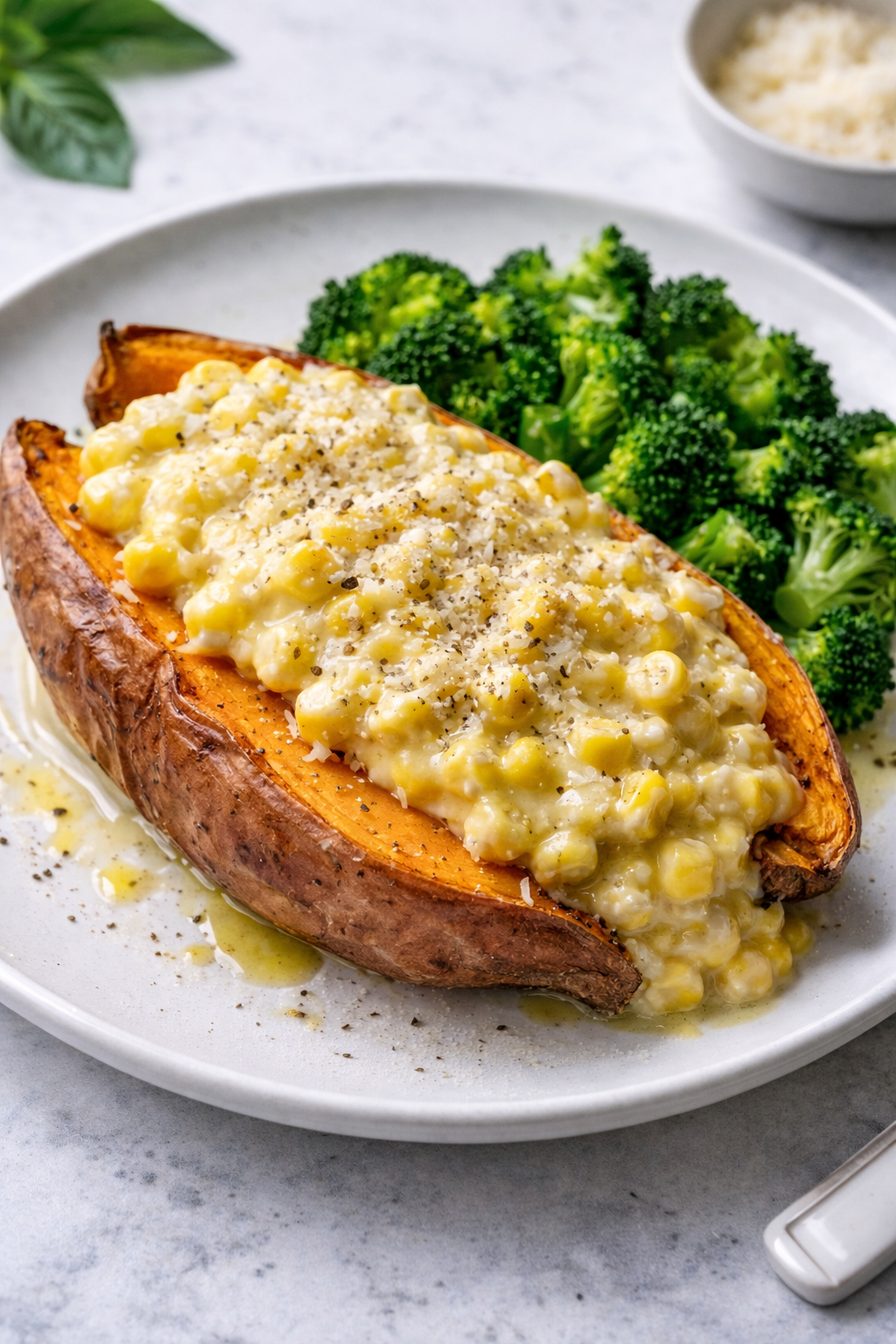
Creamed Corn on Roasted Sweet Potato
Roasted sweet potato with creamed corn and a mixed lipid phase to enhance carotenoid absorption; served with broccoli for fibre and glucosinolates.
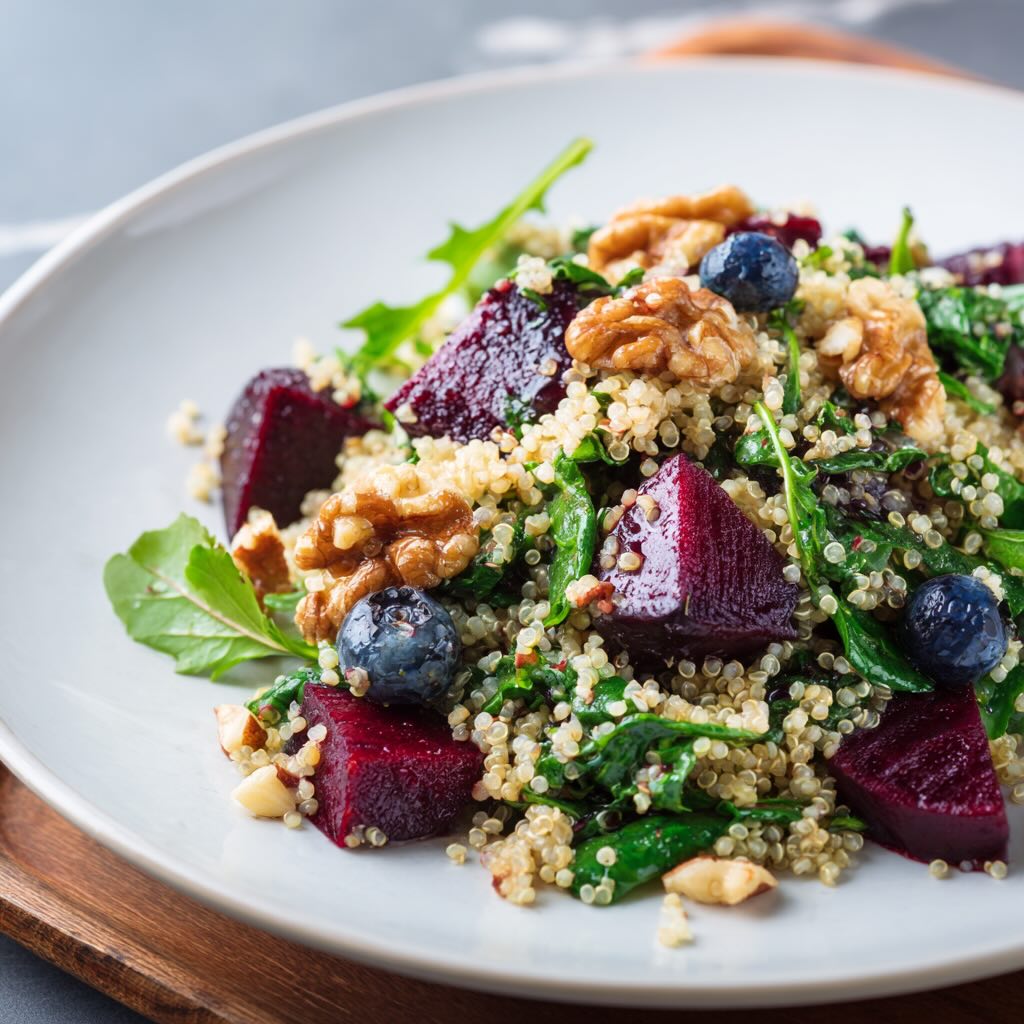
Mitochondrial Power Bowl
A nitrate-rich, polyphenol-dense bowl combining leafy greens, beets, berries, nuts, and early harvest olive oil
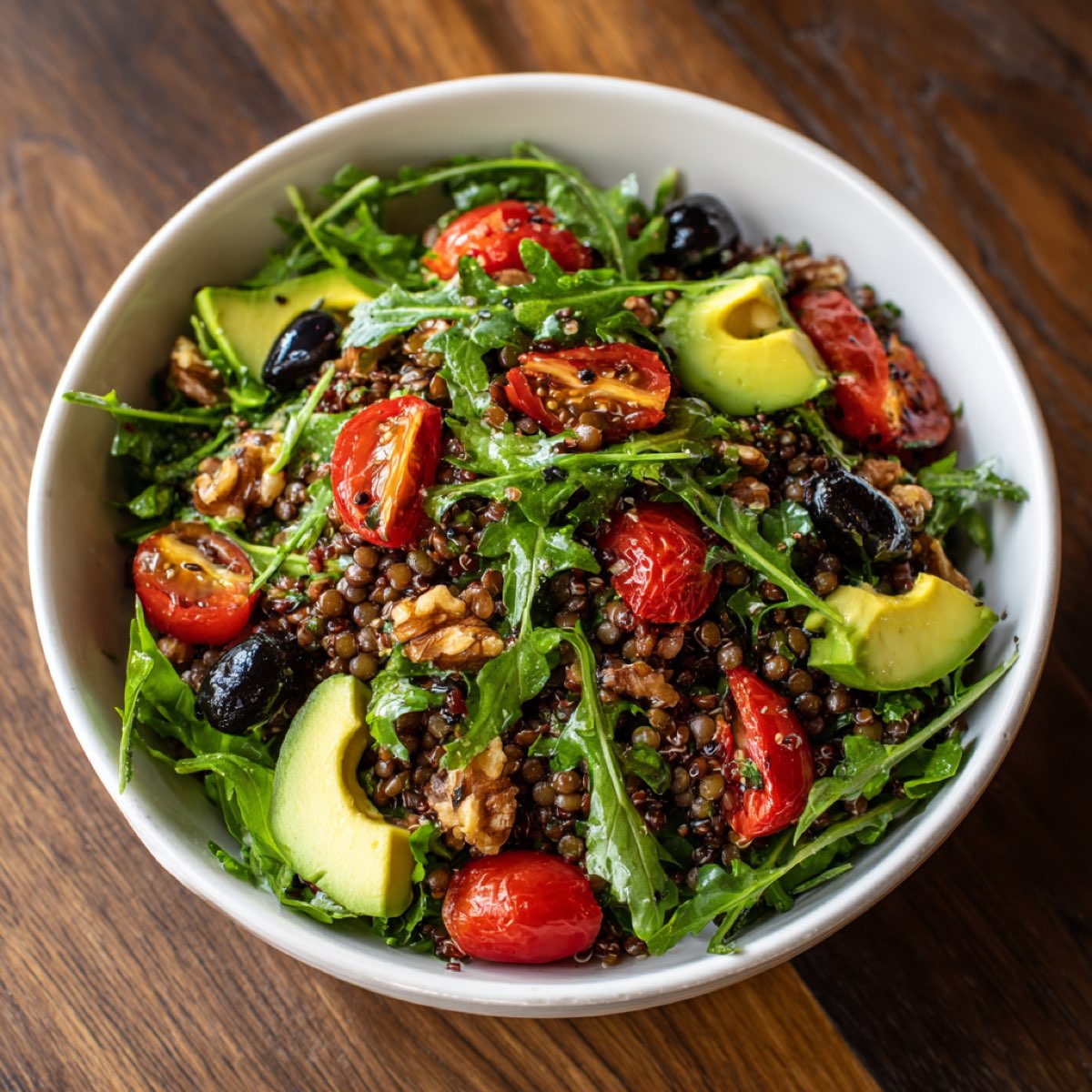
Rocket Lentil Avocado Midday Salad (Gut-Supporting)
Polyphenol-rich midday salad with quinoa or lentils, vegetables, avocado, and early harvest olive oil
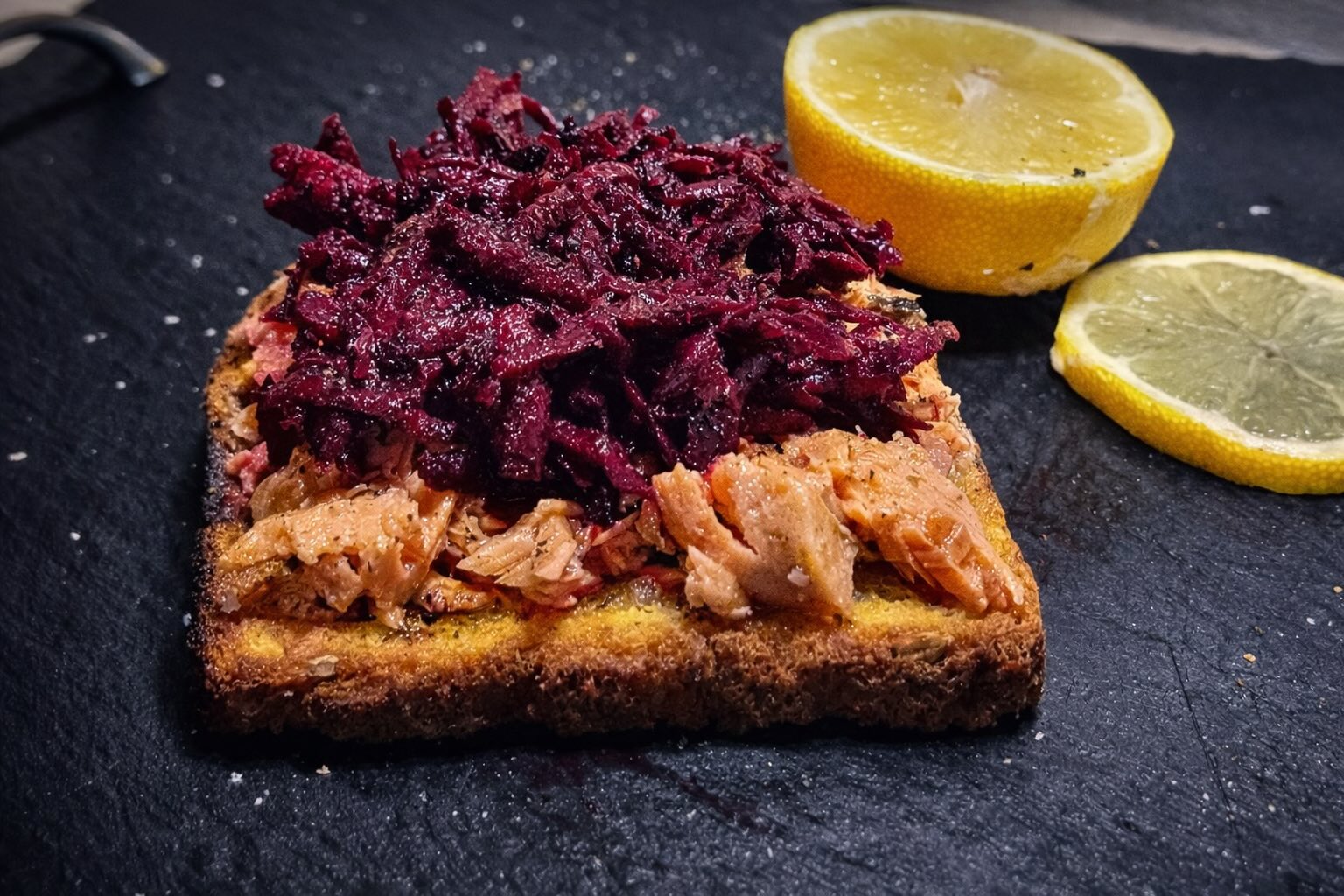
Salmon & Grated Beetroot Toast (with Lemon)
A fast, brain-forward open sandwich combining omega-3 rich salmon, nitrate/polyphenol beetroot, and lemon acidity for a sharp, savoury bite.
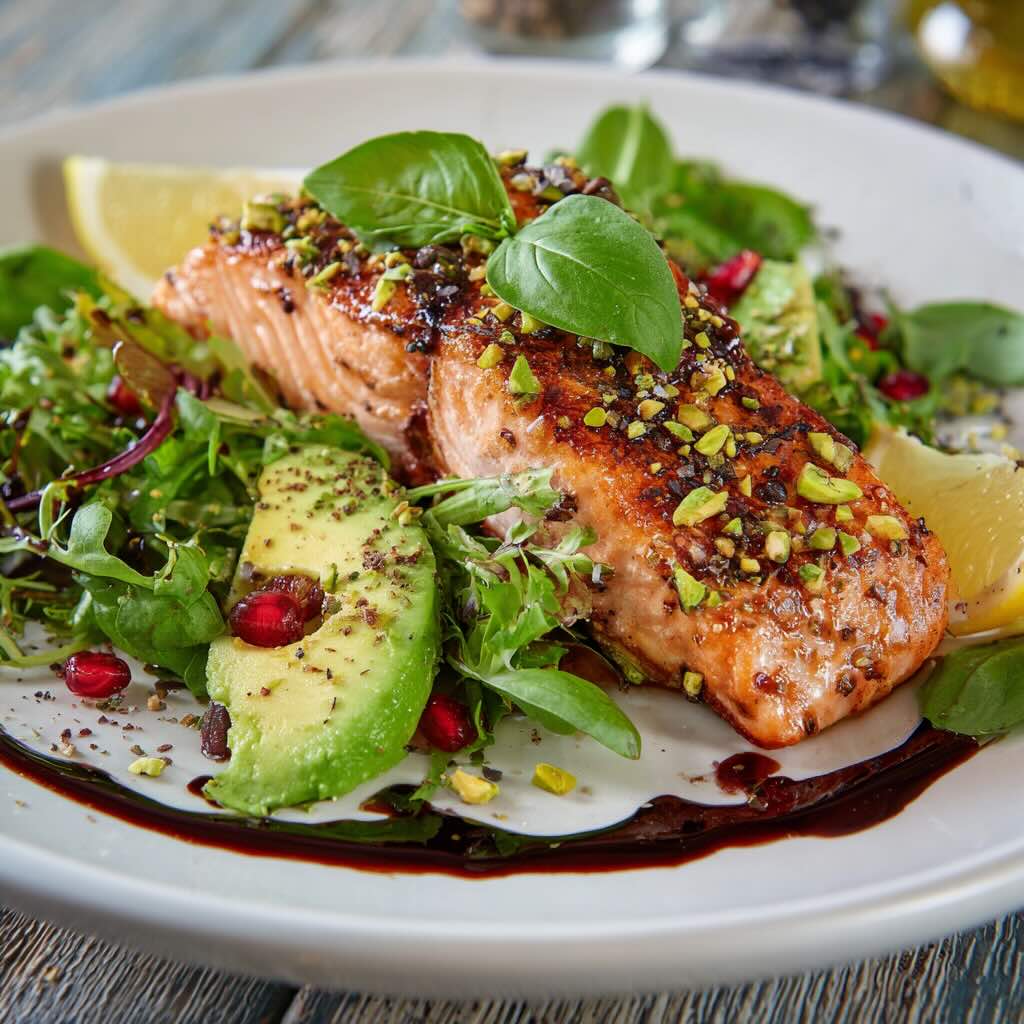
Salmon Bowl-pistachio-cacao-nibs
A Mediterranean-style bowl combining salmon, avocado, pistachios, cacao nibs, and early harvest olive oil — rich in omega-3 fats, polyphenols, and fibre.
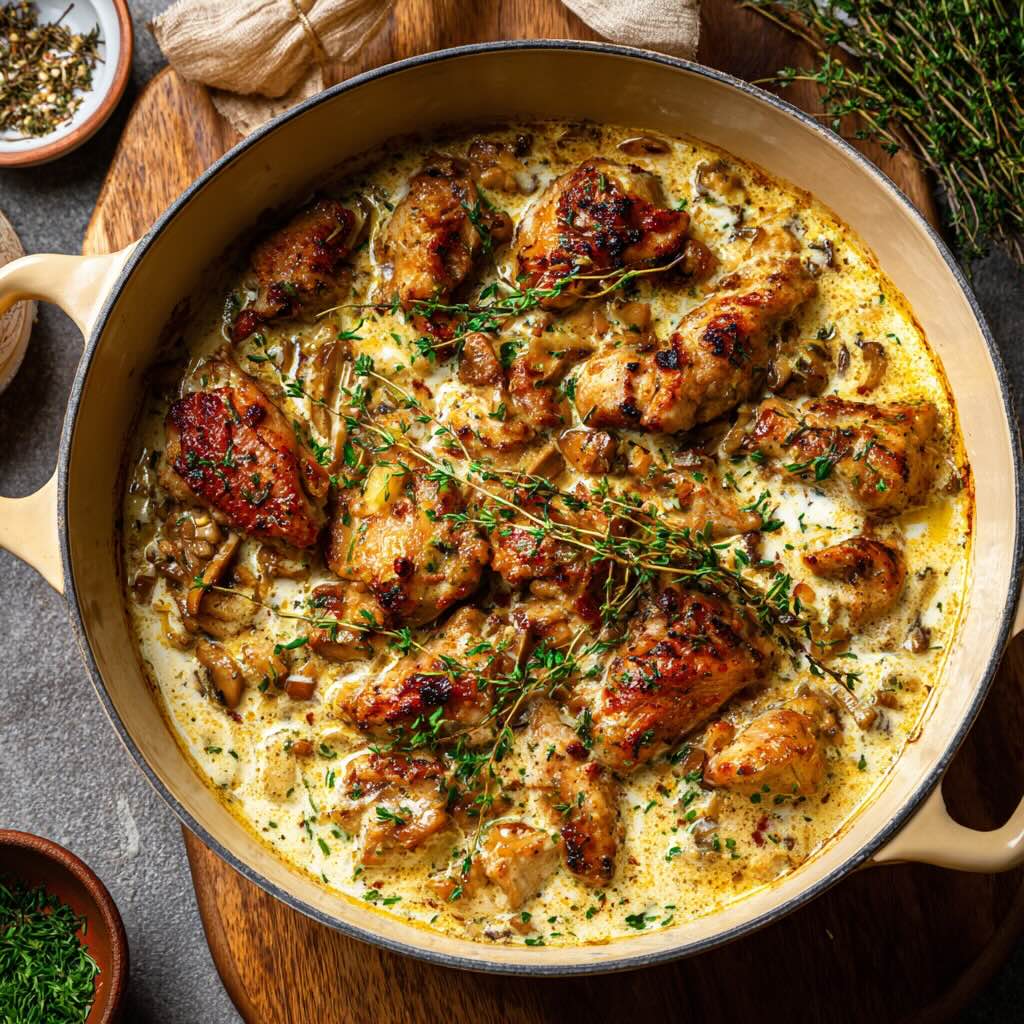
Turkey Wing Stew
A collagen-rich, glycine-heavy slow-cooked stew made from affordable turkey wings — rich in protein, tryptophan, and B vitamins.
Nutrient Tables (per 100 g)
Selected food and preparation: OLIVE OIL. per 100 g edible portion.
Core nutrients
| Nutrient | Amount per 100 g | % reference intake per 100 g |
|---|---|---|
| Energy | 800 kcal | — |
| Protein | 0 g | — |
| Total fat | 93.3 g | — |
| Saturated fat | 13.3 g | — |
| Carbohydrates | 0 g | — |
Substances
References
[1] Extra-virgin olive oil polyphenols contribute cardiovascular and anti-inflammatory effects beyond fatty acids alone. Schwingshackl et al. 2017. Olive oil in the prevention and management of type 2 diabetes mellitus: a systematic review and meta-analysis of cohort studies and intervention trials
[2] Olive oil polyphenols at sufficient dose are associated with LDL oxidation protection in regulatory reviews. EFSA Panel on Dietetic Products & Allergies (NDA) 2011. Scientific Opinion on the substantiation of health claims related to polyphenols in olive oil and protection of LDL particles from oxidative damage pursuant to Article 13(1) of Regulation (EC) No 1924/2006