Oranges

Overview
Oranges provide high vitamin C content that enhances non-heme iron absorption when paired with iron-rich plant foods.
Within the BRAIN Diet framework, pairing plant-based iron sources with citrus enhances iron absorption, and eating beans with vitamin C-rich foods (e.g., tomatoes, peppers, citrus) improves iron bioavailability.
Food Context
Synergies
- Pair with iron-rich plant meals to enhance absorption
- Part of food synergy strategy
Preparation
- Can be consumed as whole fruit or juice (whole fruit preferred for fiber)
- Supports iron sufficiency in plant-based diets
Recipes
Nutrient Tables (per 100 g)
Selected food and preparation: Oranges, raw, all commercial varieties. per 100 g edible portion.
Core nutrients
| Nutrient | Amount per 100 g | % reference intake per 100 g |
|---|---|---|
| Energy | 47 kcal | — |
| Protein | 0.9 g | — |
| Total fat | 0.1 g | — |
| Saturated fat | 0 g | — |
| Carbohydrates | 11.8 g | — |
| Sugars | 9.4 g | — |
| Fibre | 2.4 g | — |
Key vitamins and minerals
Vitamins and minerals supplying at least 10% of an adult reference intake per 100 g, derived from the composition panel.
| Nutrient | Amount per 100 g | % reference intake per 100 g |
|---|---|---|
| Vitamin C | 53.2 mg | 59.1% |
Substances
2 substances in this food
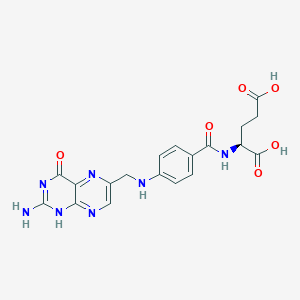
Vitamin B9 (Folate)
USDA FoodData Central reports folate in Oranges, raw, all commercial varieties. The recorded analyte is folate.
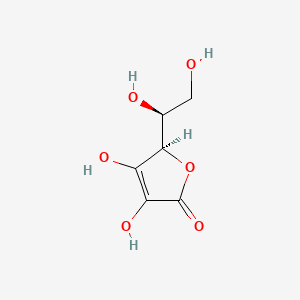
Vitamin C (Ascorbate)
USDA FoodData Central reports vitamin C in Oranges, raw, all commercial varieties.
References
[1] Flavanone-rich orange juice interventions are associated with cognitive performance endpoints. Kean et al. 2015. The effects of flavanone-rich citrus juice on cognitive function and cerebral blood flow: an acute and chronic randomized controlled trial in healthy older adults
[2] Hallberg et al. (1989). Iron absorption in man: ascorbic acid and dose-dependent inhibition by phytate. Human mixed-meal iron-absorption series: phytate inhibits non-haem iron absorption; ascorbic acid can counteract that inhibition. Mixed-meal evidence, not a trial of this food.