Organ Meats

Overview
Organ meats (offal) are among the most nutrient-dense animal foods, often providing disproportionately high amounts of vitamin B12, heme iron, zinc, choline, and fat‑soluble vitamins depending on the specific organ. Reviews of edible offal highlight their potential to help close nutrient gaps when used in modest portions and at appropriate frequency [1].
Within the BRAIN Diet framework, “organ meats” are best treated as a periodic micronutrient strategy (e.g., liver for B12/folate/retinol; heart for CoQ10), rather than a daily protein staple. Choosing reputable sources and using gentler cooking methods helps preserve micronutrients and supports an overall plant-forward pattern [1,2].
Key Nutritional Highlights
- Nutrient-dense source of complete protein plus highly bioavailable vitamins and minerals.
- Typically richer than standard muscle meat in vitamin B12 and other micronutrients.
- Contains no dietary fibre, so meals are usually more balanced with vegetables, legumes, or whole grains.
- Nutrient concentrations can be very high, so portion size and frequency are useful practical levers.
- Processing and cooking method still matter for overall dietary context.
Food Context
Sourcing
- Source from grass-fed/pasture-raised when possible
Preparation
- Moderate consumption due to high nutrient density
- Important for closing nutrient gaps
- Part of nose-to-tail approach
Essential Amino Acid Profile
This food provides a complete essential amino acid profile typical of animal proteins.
Recipes
Nutrient Tables (per 100 g)
Core nutrients
| Nutrient | Amount per 100 g | % RDA per 100 g |
|---|---|---|
| Energy | 184 kcal | — |
| Protein | 13.4 g | — |
| Total fat | 14.6 g | — |
| Saturated fat | 5.8 g | — |
| Carbohydrates | 1.1 g | — |
| Fibre | 0.2 g | — |
Key micronutrients
| Nutrient | Amount per 100 g | % RDA per 100 g |
|---|---|---|
| Iron | 1.4 mg | 7.7% |
| Zinc | 1.9 mg | 17.3% |
| Magnesium | 11 mg | 2.6% |
| Selenium | 13.3 µg | 24.2% |
| Calcium | 34 mg | 3.4% |
| Potassium | 114 mg | 3.4% |
| Choline | 56.8 mg | 10.3% |
| Folate | 11 µg | 2.8% |
| Vitamin B12 | 0 µg | 0% |
| Vitamin B6 | 0.1 mg | 4.7% |
Bioactive compounds
Values below are often from specialist compositional databases or literature, not the standard USDA panel. Asterisks (*) refer to source notes at the bottom of this section.
| Compound / class | Amount per 100 g | Notes |
|---|---|---|
| ALA | 785 mg | — |
Note: Bioactive-compound values vary substantially by cultivar, species, cocoa or oil percentage, processing, and brand formulation. Show quantitative values only where a defensible source exists; otherwise prefer qualitative presence statements or ranges in source notes.
Substances
Substances in this food: editorial (Overview / literature) plus analytical (nutrition table).
13 substances in this food
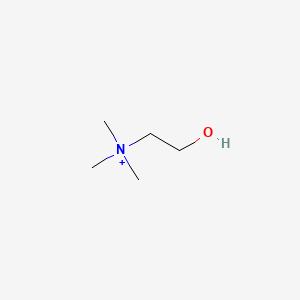
Choline
Acetylcholine precursor; methyl donor; phospholipid synthesis for membranes
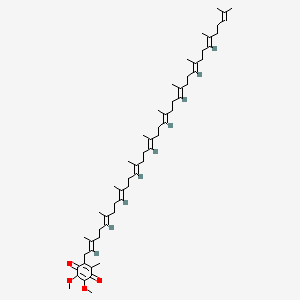
Coenzyme Q10 (CoQ10)
Electron transport chain cofactor and antioxidant relevant to mitochondrial function
Iron
Oxygen transport; dopamine synthesis (tyrosine hydroxylase cofactor)
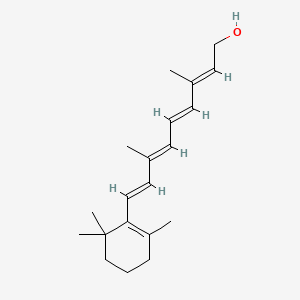
Vitamin A (Retinoids; β-Carotene precursor)
Neurodevelopment; immune regulation; antioxidant via carotenoids
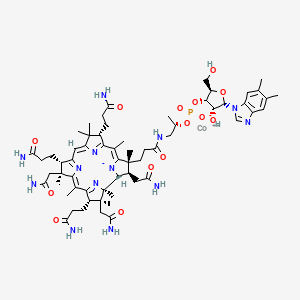
Vitamin B12 (Cobalamin)
Methylation; myelin; mitochondrial odd-chain FA metabolism

Zinc
Cofactor in neurotransmission and antioxidant enzymes; dopamine modulation
Magnesium
Enzymatic cofactor (>300 reactions); neurotransmitters; mitochondria; redox balance

Selenium
Antioxidant enzyme cofactor (GPx); supports redox balance

Calcium
Bone health; neurotransmission; interacts with vitamin D and K2

Potassium
Electrolyte for nerve transmission, muscle function, and blood pressure regulation
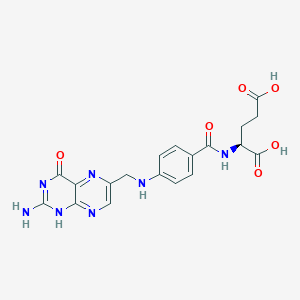
Vitamin B9 (Folate; 5-MTHF)
One-carbon metabolism; methylation; homocysteine recycling
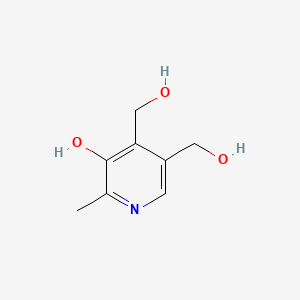
Vitamin B6 (Pyridoxine → PLP)
PLP cofactor for neurotransmitter synthesis; relies on brain PDXK activation
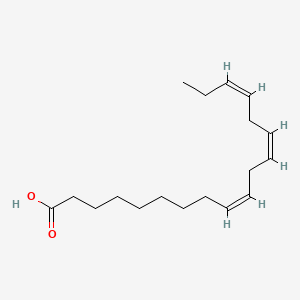
ALA (Alpha-Linolenic Acid)
Essential omega-3 precursor; limited conversion to DHA/EPA
References
These references link to the BRAIN Diet bibliography page, where the full citation and DOI/external source link are provided.