Rosemary

Overview
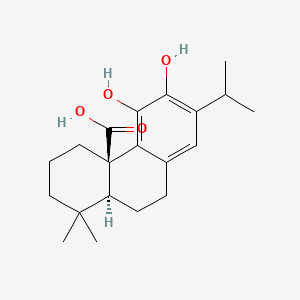
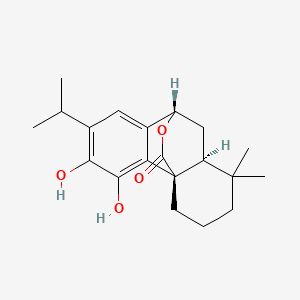
Rosemary is an aromatic culinary herb (Salvia rosmarinus) with a polyphenol- and diterpene-rich profile. Alongside micronutrients, its key bioactive identity is commonly attributed to carnosic acid and carnosol, lipophilic phenolic diterpenes that account for much of rosemary extract antioxidant activity in experimental systems [1].
In the BRAIN Diet framework, rosemary is best used as a concentrated flavor-and-bioactive herb rather than a bulk food. Mechanistic and preclinical data support antioxidant and redox-modulating actions, with additional anti-inflammatory and anti-cancer pathway signals reported for carnosol in review-level synthesis, but human clinical outcome data remain limited; composition is also highly variable across cultivar, harvest conditions, and processing, so practical interpretation should emphasize food-form context (fresh herb vs standardized extract) [1,2,3].
Key Nutritional Highlights
- Carnosic acid and carnosol are major rosemary diterpenes linked to much of extract antioxidant activity in vitro [1].
- Quantitative fresh-leaf datasets report wide concentration ranges for these bioactives, indicating strong variability by plant material and handling [2].
- Carnosol has broad anti-inflammatory and anti-cancer mechanistic evidence in preclinical models, but this should not be interpreted as proven clinical efficacy in humans [3].
- Rosemary has useful micronutrient density per 100 g, but culinary portions are typically small, so real-world intake is dose-limited by serving size.
- Evidence for tissue availability exists (including transport/metabolite detection), but robust human dose-response bioavailability data remain limited [2].
Food Context
Synergies
- Use rosemary within mixed herb/spice patterns to increase antioxidant phytochemical diversity across meals.
Preparation
- Add near the end of cooking when possible to help preserve heat-labile phenolics.
- For supplements/extracts, prefer products standardized to carnosic acid/carnosol content when dose consistency is required.
Recipes
2 recipes containing this food
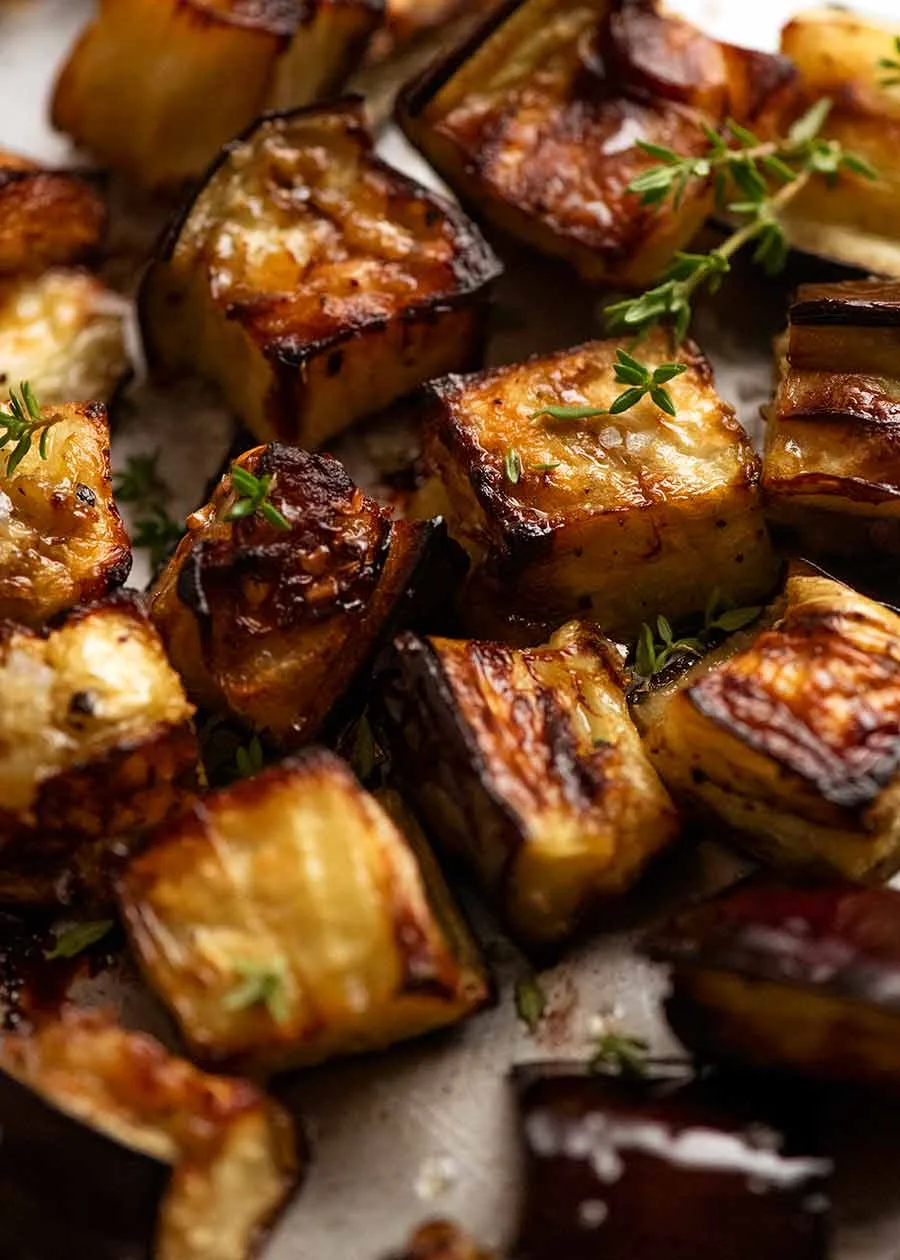
Roasted Aubergine with Herb Olive Oil
Soft roasted aubergine finished with a late-added herb oil of rosemary, thyme, chilli flakes and olive oil, served with a light balsamic drizzle.
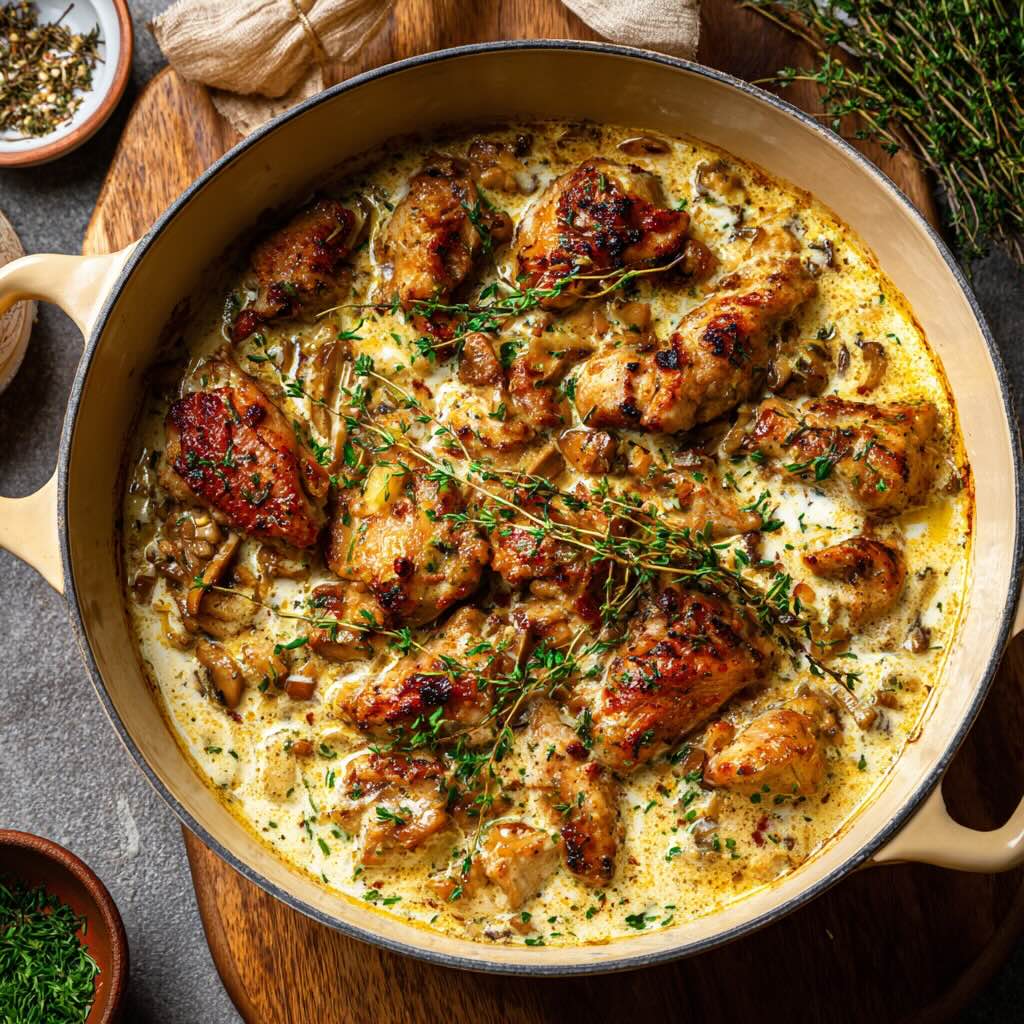
Turkey Wing Stew
A collagen-rich, glycine-heavy slow-cooked stew made from affordable turkey wings — rich in protein, tryptophan, and B vitamins.
Nutrient Tables (per 100 g)
Selected food and preparation: Rosemary, fresh. per 100 g edible portion.
Core nutrients
| Nutrient | Amount per 100 g | % reference intake per 100 g |
|---|---|---|
| Energy | 131 kcal | — |
| Protein | 3.3 g | — |
| Total fat | 5.9 g | — |
| Saturated fat | 2.8 g | — |
| Carbohydrates | 20.7 g | — |
| Fibre | 14.1 g | — |
Key vitamins and minerals
Vitamins and minerals supplying at least 10% of an adult reference intake per 100 g, derived from the composition panel.
| Nutrient | Amount per 100 g | % reference intake per 100 g |
|---|---|---|
| Iron | 6.7 mg | 36.9% |
| Magnesium | 91 mg | 21.7% |
| Manganese | 1 mg | 41.7% |
| Calcium | 317 mg | 31.7% |
| Potassium | 668 mg | 19.6% |
| Copper | 0.3 mg | 33.4% |
| Folate | 109 µg | 27.3% |
| Vitamin B6 | 0.3 mg | 25.8% |
| Vitamin B2 | 0.2 mg | 11.7% |
| Vitamin B5 | 0.8 mg | 16.1% |
| Vitamin C | 21.8 mg | 24.2% |
| Vitamin A | 146 µg | 16.2% |
Bioactive compounds
| Compound / class | Amount per 100 g | Notes |
|---|---|---|
| Carnosic acid | 840 mg (estimate) [4] | Major lipophilic antioxidant diterpene in rosemary. |
| Carnosol | 280 mg (estimate) [4] | Oxidation product/related diterpene often co-occurring with carnosic acid. |
- Carnosic acid: Fresh S. rosmarinus foliage in one validated HPLC study ranged about 5638-12173 ug/g fresh weight (~564-1217 mg/100 g); 840 mg/100 g used as a representative midpoint estimate. Concentrations vary by genotype, harvest stage, and extraction/handling conditions. [4]
- Carnosol: Same validated HPLC dataset reported carnosol around 1045-4470 ug/g fresh weight (~105-447 mg/100 g); 280 mg/100 g used as a representative midpoint estimate. Values vary strongly with cultivar and processing. [4]
Technical provenance
Carnosic acid: Fresh S. rosmarinus foliage in one validated HPLC study ranged about 5638-12173 ug/g fresh weight (~564-1217 mg/100 g); 840 mg/100 g used as a representative midpoint estimate. Concentrations vary by genotype, harvest stage, and extraction/handling conditions. [4]
Carnosol: Same validated HPLC dataset reported carnosol around 1045-4470 ug/g fresh weight (~105-447 mg/100 g); 280 mg/100 g used as a representative midpoint estimate. Values vary strongly with cultivar and processing. [4]
Substances
2 substances in this food
References
[1] Carnosic acid and carnosol are major rosemary diterpenes linked to much of extract antioxidant activity in vitro. Aruoma & Halliwell 1992. Antioxidant and pro-oxidant properties of active rosemary constituents: carnosol and carnosic acid
[2] Quantitative fresh-leaf datasets report wide concentration ranges for these bioactives, indicating strong variability by plant material and handling. Paloukopoulou & Karioti 2022. A validated method for determination of carnosic acid and carnosol in fresh rosemary foliage
[3] Carnosol has broad anti-inflammatory and anti-cancer mechanistic evidence in preclinical models, but this should not be interpreted as proven clinical efficacy in humans. Johnson et al. 2011. Carnosol: A promising anti-cancer and anti-inflammatory agent
[4] EMA (2024), Rosmarinus officinalis folium assessment report