Yogurt

Overview

Yogurt is fermented dairy providing live probiotics, complete protein, and B vitamins, supporting gut-brain axis communication. Fermented dairy is mentioned as nutrient-dense animal food. Practical pairings include spinach + eggs, tomatoes + olive oil, salad + oil, carrots + tahini, kale + avocado, berries + yogurt/nuts. Cultured dairy: Yogurt, kefir, buttermilk (if tolerated) provide live microbes + postbiotic peptides; improved SCFA pools; vagal signaling.

Recipes

2 recipes containing this food

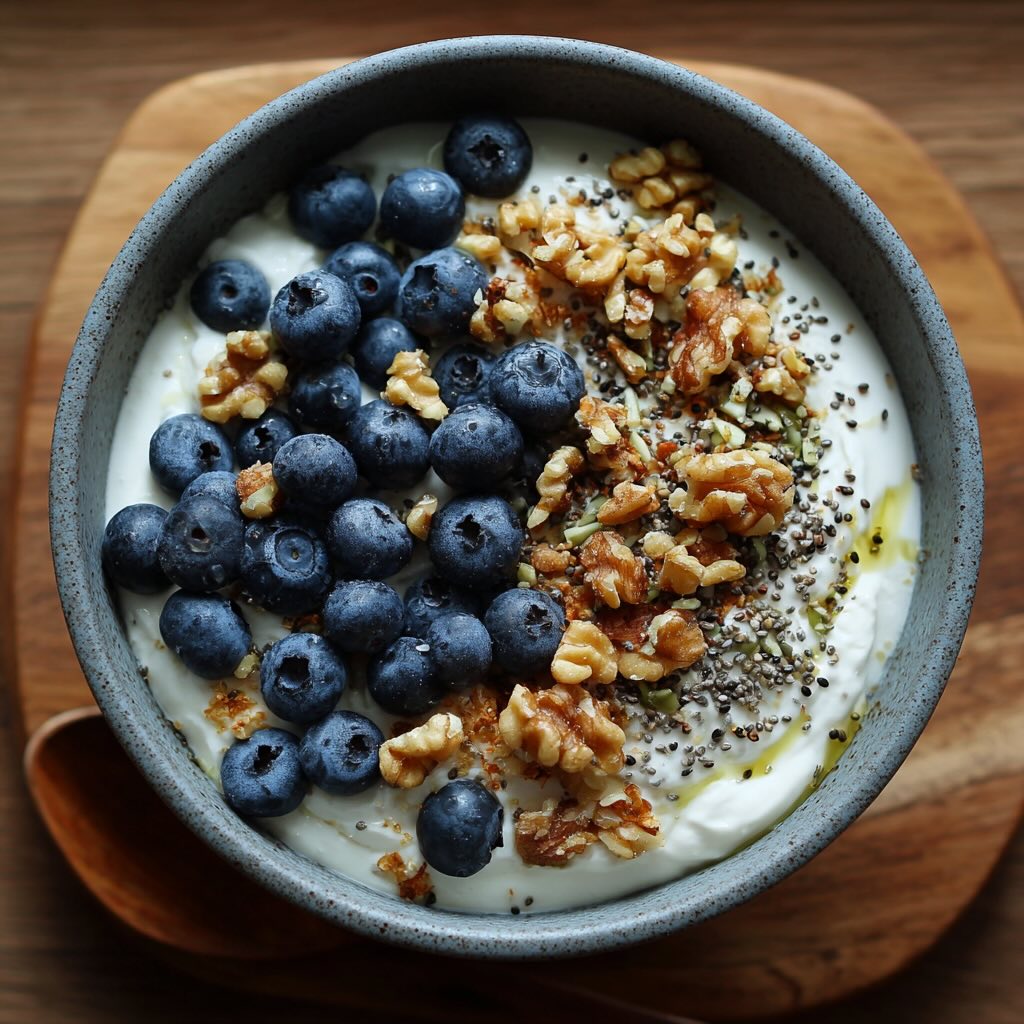
Ginger Yogurt and Blueberries

An Anti-inflammatory polyphenol-rich breakfast bowl with high fibre. Start the day with anti-inflammatory gingerols and omega 3 nuts, blueberry polyphenols, a fibre from steel rolled oats. Great to set up dopamine for focus and attention.

Substances

17 substances in this food
Chemical structure

Calcium

Bone health; neurotransmission; interacts with vitamin D and K2

Chemical structure

Histidine

Essential AA; precursor to histamine; roles in enzyme active sites

Chemical structure

Isoleucine

Essential BCAA; energy metabolism; complements leucine/valine

Chemical structure

Leucine

Essential BCAA; mTOR signaling; protein synthesis; cognitive load support

Chemical structure

Lysine

Essential AA; limiting in many cereals; complements legumes

Chemical structure

Magnesium

Enzymatic cofactor (>300 reactions); neurotransmitters; mitochondria; redox balance

Chemical structure

Methionine

Essential AA; precursor to SAMe via methylation cycle

Chemical structure

Phenylalanine

Essential AA; precursor to tyrosine → catecholamines

Chemical structure

Potassium

Electrolyte for nerve transmission, muscle function, and blood pressure regulation

Chemical structure

Threonine

Essential AA; structural proteins; mucin production

Chemical structure

Tryptophan

Serotonin/melatonin precursor; NAD+ pathway substrate; LAT1 transport dynamics

Chemical structure

Tyrosine

Dopamine and norepinephrine precursor; LAT1 competition with LNAAs

Chemical structure

Valine

Essential BCAA; supports protein balance and neurotransmitter transport competition

Chemical structure

Zinc

Cofactor in neurotransmission and antioxidant enzymes; dopamine modulation
Preparation Notes

  • Choose products with live active cultures for probiotic benefits
  • Part of fermented foods strategy; fermented foods provide live microbes + postbiotic peptides; improved SCFA pools; vagal signaling
  • Supports gut microbiome diversity; dietary diversity (≥30 plant foods per week) supports microbial richness and resilience
  • Pair with berries/nuts for polyphenol synergy; practical pairings: berries + yogurt/nuts

Biological Target Matrix

Biological TargetSubstanceTherapeutic AreasMechanism of Action
Hormonal ResponseCalciumSupports calcium modulation along with vitamin D, magnesium, taurine, phospholipids, and flavonoids; supports insulin sensitivity, sympathetic arousal, and mitochondrial excitability
Hormonal ResponseMagnesiumSupports calcium modulation along with vitamin D, taurine, phospholipids, and flavonoids; supports insulin sensitivity, sympathetic arousal, and mitochondrial excitability
Hormonal ResponseVitamin B5 (Pantothenic Acid)Essential for CoA/PDH function; supports hormonal synthesis pathways
InflammationZincSupports immune signaling; gut barrier integrity disrupted by nutrient deficiencies including zinc
Insulin ResponseMagnesiumSupports insulin sensitivity and glucose metabolism; magnesium deficiency is associated with insulin resistance; supports enzymes involved in glucose metabolism
MethylationMethionineEssential amino acid that forms S-adenosylmethionine (SAMe), the universal methyl donor for neurotransmitter synthesis and membrane phospholipid methylation
MethylationVitamin B12 (Cobalamin)Essential cofactor in remethylation of homocysteine to methionine, which is converted to S-adenosylmethionine (SAMe); works with B6, B2, and folate; contributes meaningfully to homocysteine reduction, especially in combination with omega-3 fatty acids
MethylationVitamin B2 (Riboflavin)FAD acts as a critical cofactor for MTHFR, linking riboflavin to homocysteine recycling and methylation capacity
MethylationZincDeficiencies in vitamins and minerals essential for methylation, such as folate, vitamin B12, and zinc, are correlated to ADHD symptoms; supplementing these micronutrients has shown potential in supporting methylation and reducing symptom severity
Mitochondrial SupportMagnesiumSupports enzymes involved in glycolysis and the Krebs cycle (processes that generate ATP from glucose); binds to ATP and all triphosphates in cells to activate them
Mitochondrial SupportVitamin B12 (Cobalamin)Crucial role in conversion of methylmalonyl-CoA to succinyl-CoA, a key step in mitochondrial energy production; deficiency leads to buildup of methylmalonic acid and odd-chain fatty acids, which are neurotoxic
Mitochondrial SupportVitamin B2 (Riboflavin)Forms FMN/FAD coenzymes, supporting oxidative metabolism and redox balance; facilitates metabolism of B12, B6, and niacin; supports antioxidant enzymes
Mitochondrial SupportVitamin B5 (Pantothenic Acid)Forms CoA (coenzyme A), required for β-oxidation and TCA cycle acetyl-CoA flux; deficiency impairs ATP production impacting brain energy
Neurochemical BalanceCalciumEssential for nerve impulse transmission and neurotransmission
Neurochemical BalanceMagnesiumBroad cofactor for neurotransmitter synthesis and receptor modulation (e.g., NMDA, GABA); functions as an NMDA receptor antagonist and GABA receptor modulator; assists enzymes involved in synthesis of dopamine and serotonin
Neurochemical BalancePhenylalanineEssential amino acid that converts to tyrosine and supports catecholamine synthesis (dopamine, norepinephrine); participates in LAT1 competition at the blood-brain barrier
Neurochemical BalancePotassiumCritical for membrane potential, nerve signaling, and neuronal excitability; adequate intake balances sodium effects
Neurochemical BalanceTryptophanPrecursor for serotonin and melatonin; brain entry competes at LAT1 with other large neutral amino acids (LNAAs); carbohydrate-rich, low-protein meals raise the plasma tryptophan:LNAA ratio because insulin pushes competing LNAAs out to muscles; can feed NAD+ synthesis via the kynurenine pathway
Neurochemical BalanceTyrosineCatecholamine precursor (dopamine, norepinephrine); brain transport via LAT1 competes with other LNAAs; iron is an essential cofactor for tyrosine hydroxylase, the rate-limiting enzyme in conversion of tyrosine to dopamine; cofactors include iron, B6, folate, omega-3s, and BH₄ (tetrahydrobiopterin) to support rate-limiting steps in catecholamine synthesis
Neurochemical BalanceVitamin B12 (Cobalamin)Supports neurotransmitter production through methylation; essential for myelin synthesis
Neurochemical BalanceZincImportant for DNA synthesis, cell division, and neurotransmitter regulation, particularly in modulating dopamine—a key neurotransmitter implicated in ADHD; acts as an allosteric modulator of the GABA receptor; supports glutamate regulation
Oxidative StressZincEssential mineral that serves as a cofactor for antioxidant enzymes; works synergistically with other antioxidants; heavy metals are detoxified by metallothionein (MT) metal carrier proteins that must bind with zinc and copper
Stress ResponseMagnesiumHelps manage stress responses; combined with vitamin D reduced behavioral problems; synergy with zinc and omega-3s reported
Stress ResponseVitamin B5 (Pantothenic Acid)Supports stress response through energy metabolism and ATP production

References

  • Fermented dairy mentioned as nutrient-dense animal food
  • Practical pairings: spinach + eggs, tomatoes + olive oil, salad + oil, carrots + tahini, kale + avocado, berries + yogurt/nuts
  • Cultured dairy: Yogurt, kefir, buttermilk (if tolerated) provide live microbes + postbiotic peptides; improved SCFA pools; vagal signaling
  • Serotonin: Mood regulation, emotional control, impulse moderation; food sources include turkey, eggs, dairy, soy, seeds, oats, bananas (yogurt provides tryptophan)
  • Fermentation goes further: lactic acid bacteria acidify the medium, activating microbial and endogenous phytases, while also increasing B-vitamin levels LeBlanc et al. 2011