Salmon Roe
Overview
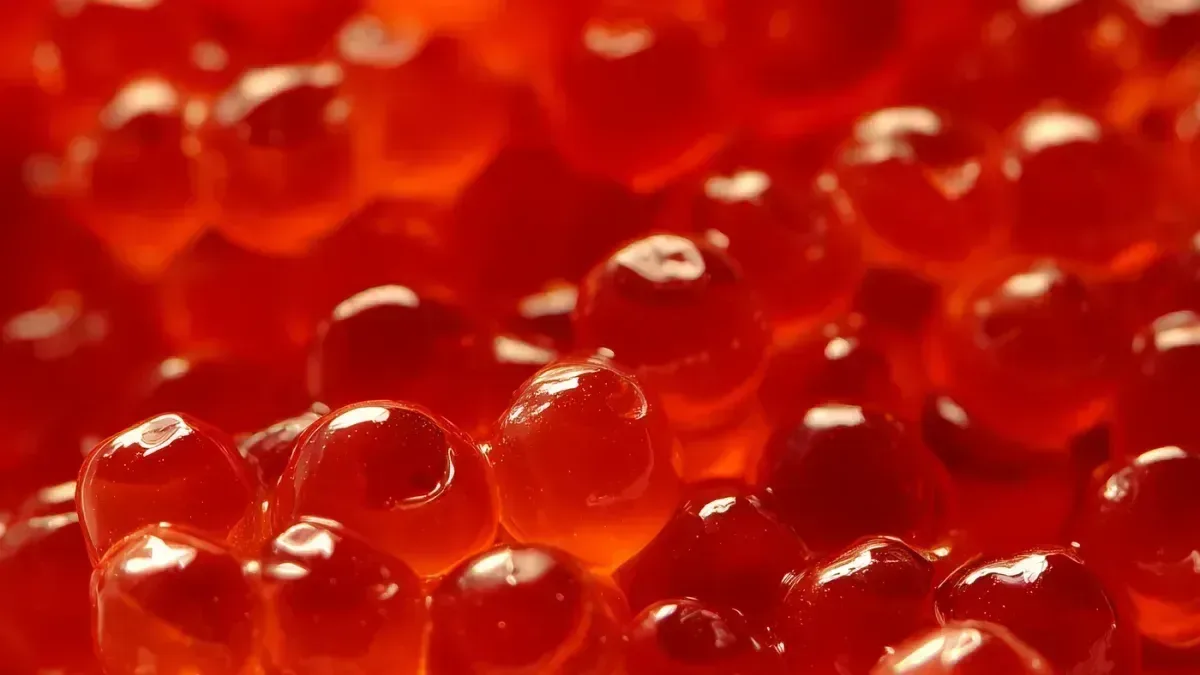
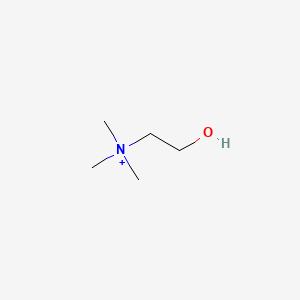
Salmon roe provides DHA and EPA within a phospholipid-rich matrix [1,2], alongside choline, vitamin B12, astaxanthin and high-quality protein. This unusually concentrated combination makes small portions useful in preparations such as Neuroeshot. The nutrient table is salted chum salmon ikura (Oncorhynchus keta).
Key Nutritional Highlights
- Roe is a phospholipid-rich marine matrix. The cited mechanistic studies concern phospholipid-form DHA, but they do not establish the proportion of EPA or DHA in particular lipid classes for this preparation [1,2].
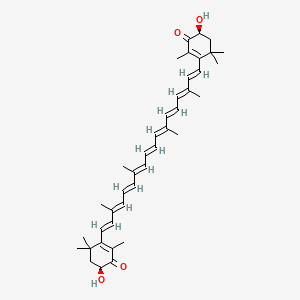
- Astaxanthin (carotenoid) is present, but its amount in a particular commercial product is not established without product-relevant analysis.
- The table is cured ikura. Sodium in that record is part of the salt cure.
- Freshness and cold chain matter: oxidation risk rises with poor storage even if the matrix is phospholipid-bound.
Food Context
Synergies
- Pair with vegetables and whole grains as a flavour-dense, small-portion ingredient rather than a bulk protein source.
- Vitamin C–rich foods support iron balance in mixed meals (roe provides modest iron).
Sourcing
- Prefer reputable suppliers with clear species and harvest region; frozen ikura is common and acceptable when thawed safely.
- Colour and texture vary by species, diet, and season — not a reliable purity test on its own.
- The composition table is salted chum salmon (Oncorhynchus keta) ikura.
Preparation
- Traditionally eaten cold or lightly warmed (on rice, in sushi, or as a spoonful) to limit heat damage to unsaturated fats.
- Avoid prolonged high heat; treat as a delicate fat + protein ingredient.
- If the roe tastes heavily cured, a brief rinse in clean cold water followed by thorough draining can remove surface brine and reduce saltiness. A very short cold-water soak may reduce it further, but the resulting sodium content cannot be calculated from the original label. Keep the roe cold and avoid prolonged soaking, which can impair texture [3].
Essential Amino Acid Profile
This food provides a complete essential amino acid profile typical of animal proteins.
Recipes
1 recipe containing this food
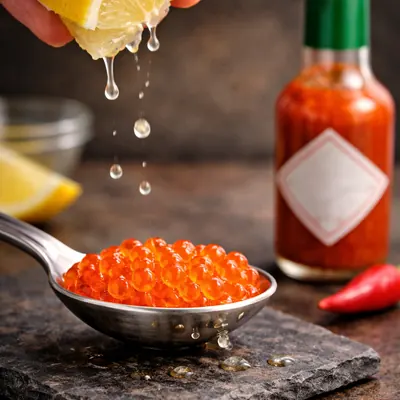
Neuroeshot (Roe, Lemon, Hot Sauce)
A small savory shot of roe, lemon juice, and fermented hot sauce for concentrated omega-3s and choline.
Nutrient Tables (per 100 g)
Selected food and preparation: Chum salmon (Oncorhynchus keta), salted roe (ikura). per 100 g edible portion.
Core nutrients
| Nutrient | Amount per 100 g | % reference intake per 100 g |
|---|---|---|
| Energy | 252 kcal | — |
| Protein | 32.6 g | — |
| Total fat | 15.6 g | — |
| Saturated fat | 2.4 g | — |
| Carbohydrates | 0.2 g | — |
Key vitamins and minerals
Vitamins and minerals supplying at least 10% of an adult reference intake per 100 g, derived from the composition panel.
| Nutrient | Amount per 100 g | % reference intake per 100 g |
|---|---|---|
| Iron | 2 mg | 11.1% |
| Zinc | 2.1 mg | 19.1% |
| Magnesium | 95 mg | 22.6% |
| Phosphorus | 530 mg | 75.7% |
| Copper | 0.8 mg | 84.4% |
| Sodium | 910 mg | — |
| Folate | 100 µg | 25% |
| Vitamin B12 | 47 µg | 1958.3% |
| Vitamin B2 | 0.6 mg | 42.3% |
| Vitamin B1 | 0.4 mg | 35% |
| Vitamin B5 | 2.4 mg | 47.2% |
| Vitamin A | 330 µg | 36.7% |
| Vitamin D | 44 µg | 293.3% |
| Vitamin E | 9.1 mg | 60.7% |
Bioactive compounds
Content applies to the food and preparation identified in the source notes.
| Compound / class | Amount per 100 g | Notes |
|---|---|---|
| Alpha-linolenic acid (ALA; 18:3 n-3) | 83 mg | — |
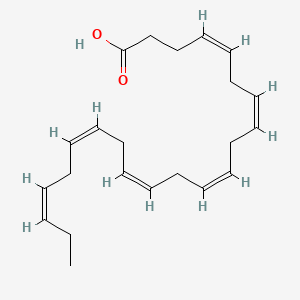
| EPA | 1600 mg | — |
| DHA | 2000 mg | — |
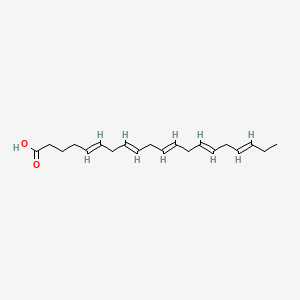
| DPA | 670 mg [8] | 22:5 n-3 |
- DPA: Docosapentaenoic acid (22:5 n-3) in salted chum-salmon ikura. [8]
Technical provenance
DPA: MEXT Standard Tables of Food Composition in Japan, 2023 supplement, food 10140, fatty acids per 100 g edible portion. 22:5 n-3 is 670 mg. [8]
Substances
6 substances in this food

Omega-3 Fatty Acids
Salted chum-salmon ikura contains 4,666 mg of identified n-3 fatty acids per 100 g.
References
[1] Liu et al. (2014). Higher efficacy of dietary DHA provided as a phospholipid than as a triglyceride for brain DHA accretion in neonatal piglets. Neonatal piglets given a single oral dose of 13C-DHA as phosphatidylcholine accumulated about 1.9-fold more labeled DHA in brain gray matter than piglets given the same DHA as triglyceride.
[2] Patrick (2019). Role of phosphatidylcholine-DHA in preventing APOE4-associated Alzheimer's disease. Review: phosphatidylcholine-DHA can be converted to lysophosphatidylcholine-DHA, which uses MFSD2A transport into the brain more efficiently than triglyceride-bound or unesterified DHA. Mechanistic context for roe's phospholipid DHA, not a salmon-roe feeding study.
[3] Shallcross et al. (2022). Salmon Roe Caviar
[4] Yamaguchi et al. (2012), Journal of Oleo Science 61:505–513
[5] Phospholipids of Animal and Marine Origin: Structure and Function (2018)