Phosphatidylethanolamine (PE)
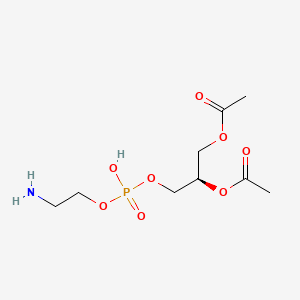
Overview
Phosphatidylethanolamine (PE) is a key brain phospholipid that serves as a precursor to both phosphatidylcholine (PC) and N-acyl phosphatidylethanolamines (NAPEs). NAPEs are precursors to N-acyl ethanolamines (NAEs) including palmitoylethanolamide (PEA), oleoylethanolamide (OEA), and anandamide (AEA), which are bioactive lipids that act as neuromodulators with anti-inflammatory, neuroprotective, and mood-regulating effects. PE is a potential ADHD biomarker and supporting NAPEs production through diet via PE-rich foods like eggs, fish roe, liver, and oat bran may enhance endocannabinoid system tone.
Recipes
Foods
Biological Mechanisms and Implications
| Biological Target | Therapeutic Areas | Mechanism of Action |
|---|
References
- PE is a key brain phospholipid and potential ADHD biomarker; can convert to PC or N-acyl phosphatidylethanolamines (NAPEs)
- NAPEs are precursors to N-acyl ethanolamines (NAEs) like PEA, OEA, and anandamide, bioactive lipids with anti-inflammatory, neuroprotective, and mood-regulating effects
- Supporting NAPEs production through diet via PE-rich foods like eggs, fish roe, and liver may enhance endocannabinoid system tone
- Clinical trials have shown a doubling of plasma levels after dietary increases in oat bran due to its rich PE content Sean Davies 2018