Vitamin E (Tocopherols/Tocotrienols)
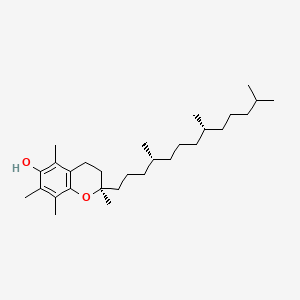
Overview
Vitamin E is a fat-soluble vitamin that functions as a lipid-phase antioxidant, protecting polyunsaturated fatty acids in cell membranes from peroxidation. This is particularly important for protecting DHA and other omega-3 fatty acids in neuronal membranes. Vitamin E works within antioxidant networks alongside vitamin C, CoQ10, and polyphenols, with these compounds regenerating each other to maintain antioxidant capacity. The BRAIN Diet emphasizes food-based sources rich in balanced antioxidants rather than high-dose single-nutrient supplementation, highlighting the synergy found in whole foods.
Recipes
5 recipes containing this substance
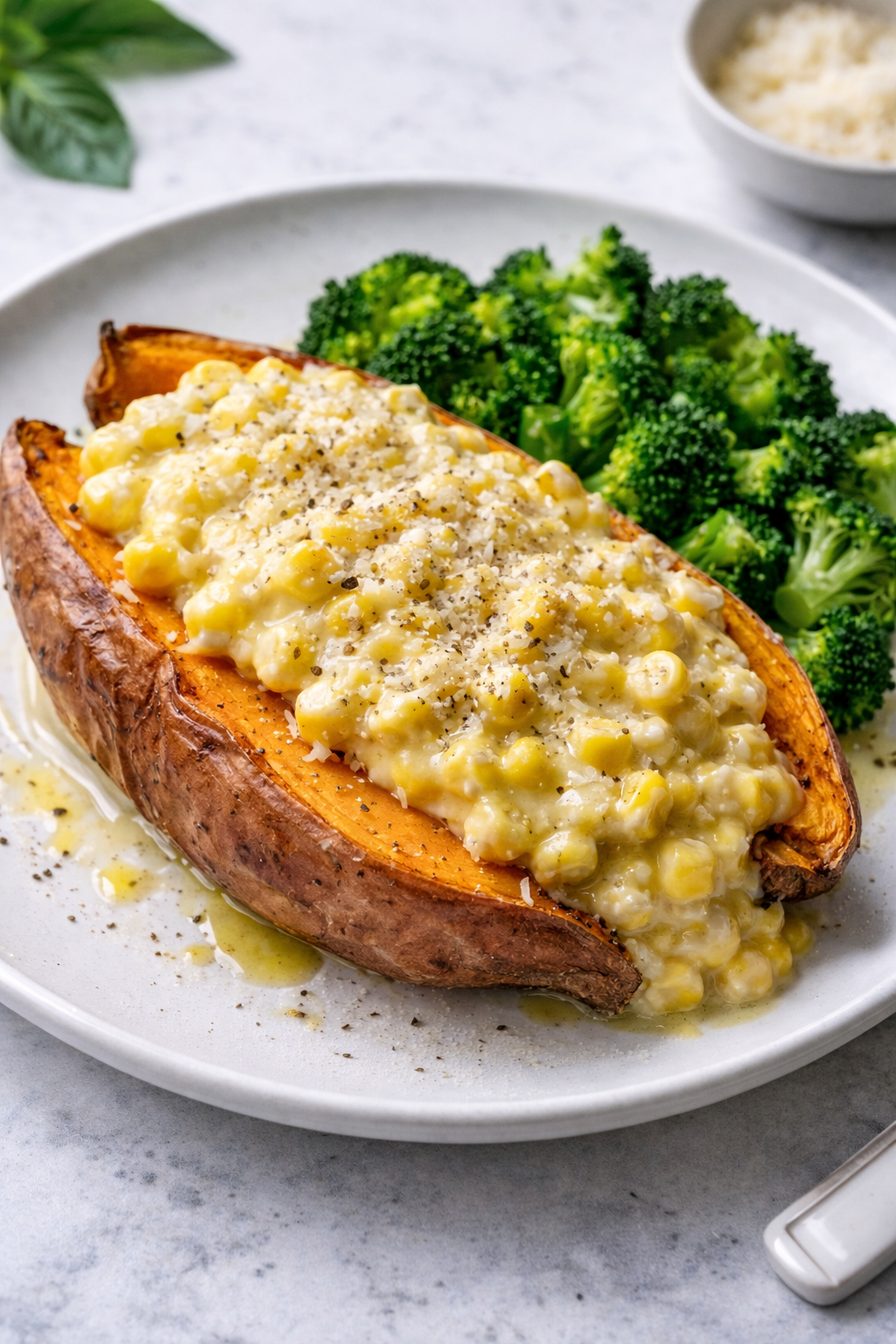
Creamed Corn on Roasted Sweet Potato
Roasted sweet potato with creamed corn and a mixed lipid phase to enhance carotenoid absorption; served with broccoli for fibre and glucosinolates.
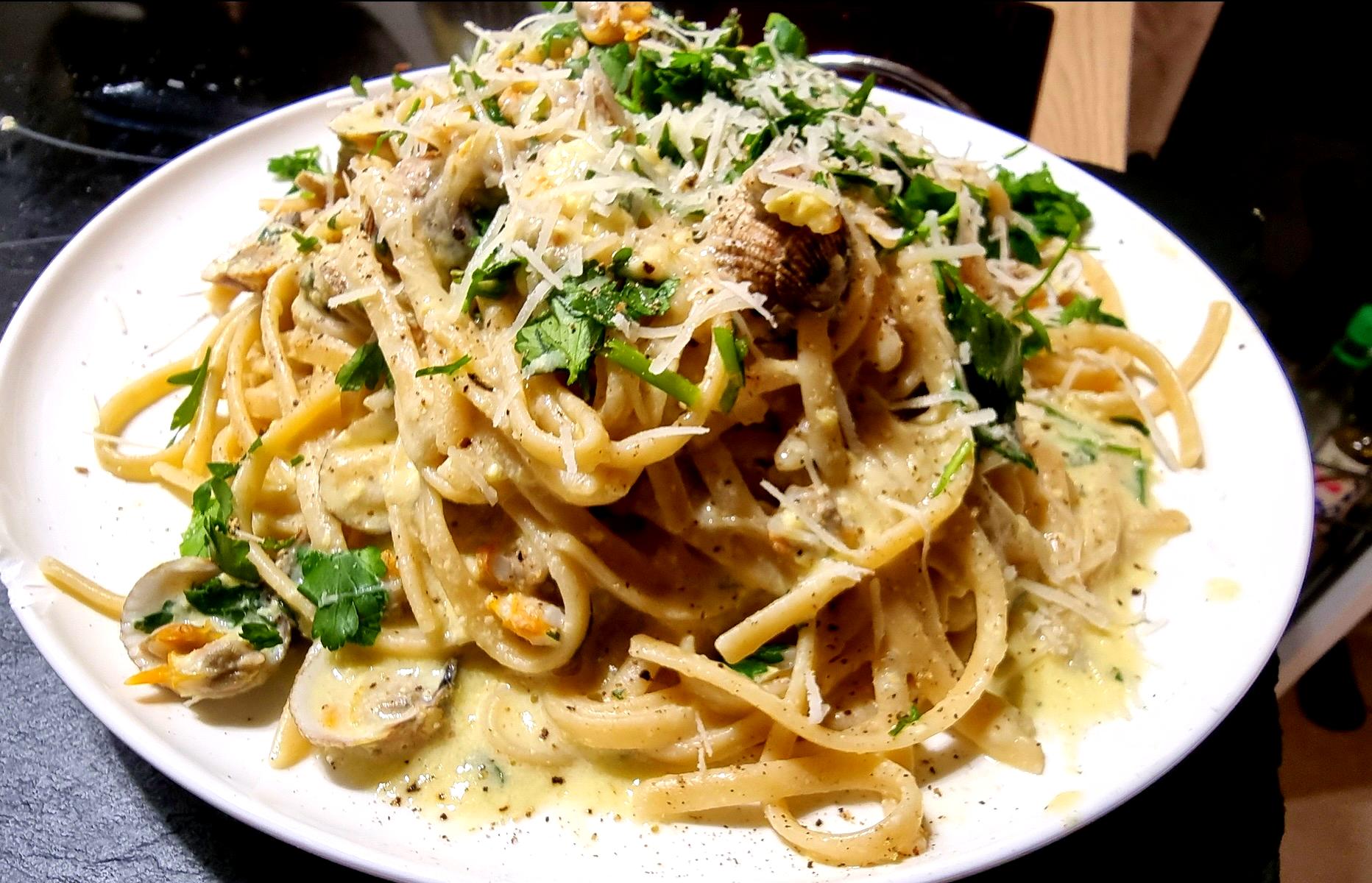
Linguine alle vongole mantecate (Linguine with cockles in a silky emulsified sauce)
Whole-wheat linguine with cockles in a silky emulsified sauce; Italian emulsification technique without cream, supporting taurine, B12, and choline intake.
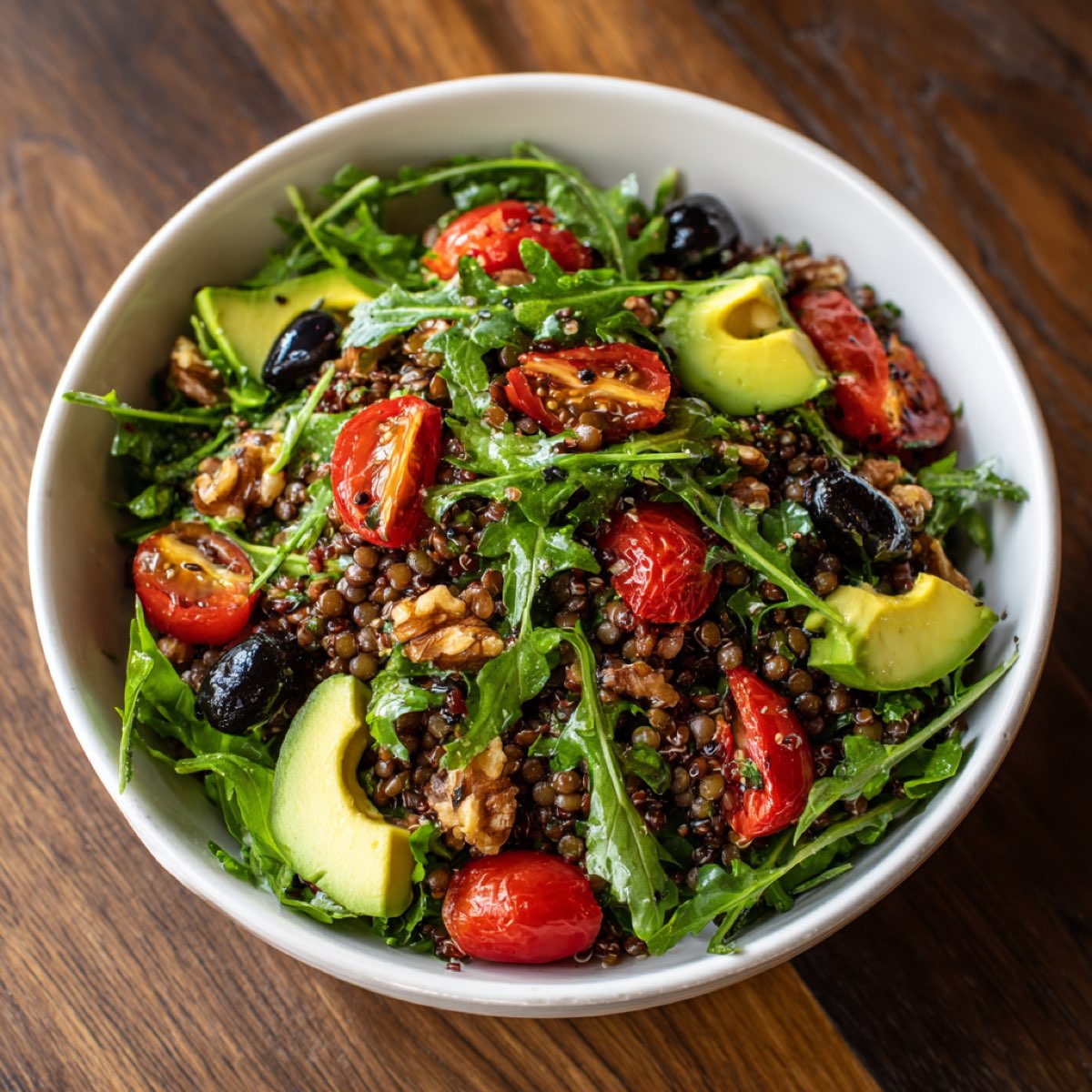
Rocket Lentil Avocado Midday Salad (Gut-Supporting)
Polyphenol-rich midday salad with quinoa or lentils, vegetables, avocado, and early harvest olive oil
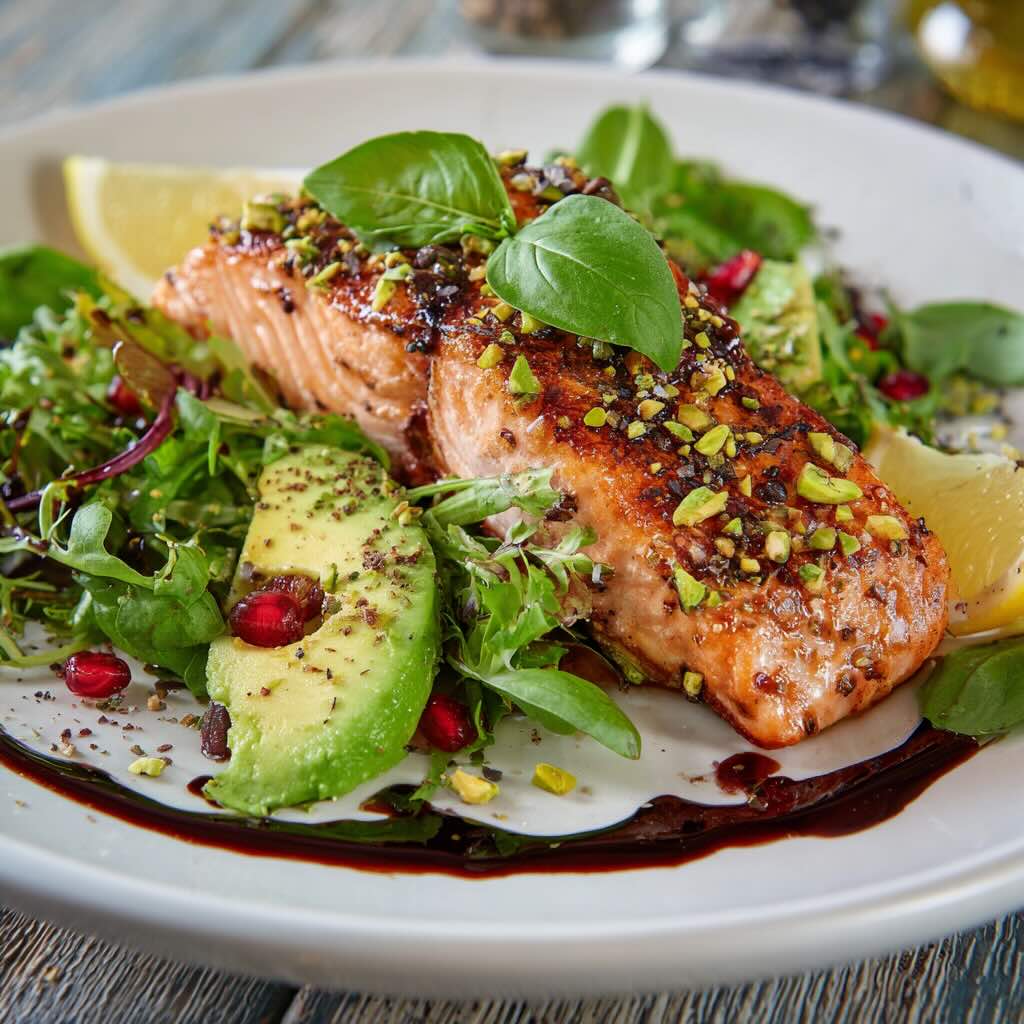
Salmon Bowl-pistachio-cacao-nibs
A Mediterranean-style bowl combining salmon, avocado, pistachios, cacao nibs, and early harvest olive oil — rich in omega-3 fats, polyphenols, and fibre.
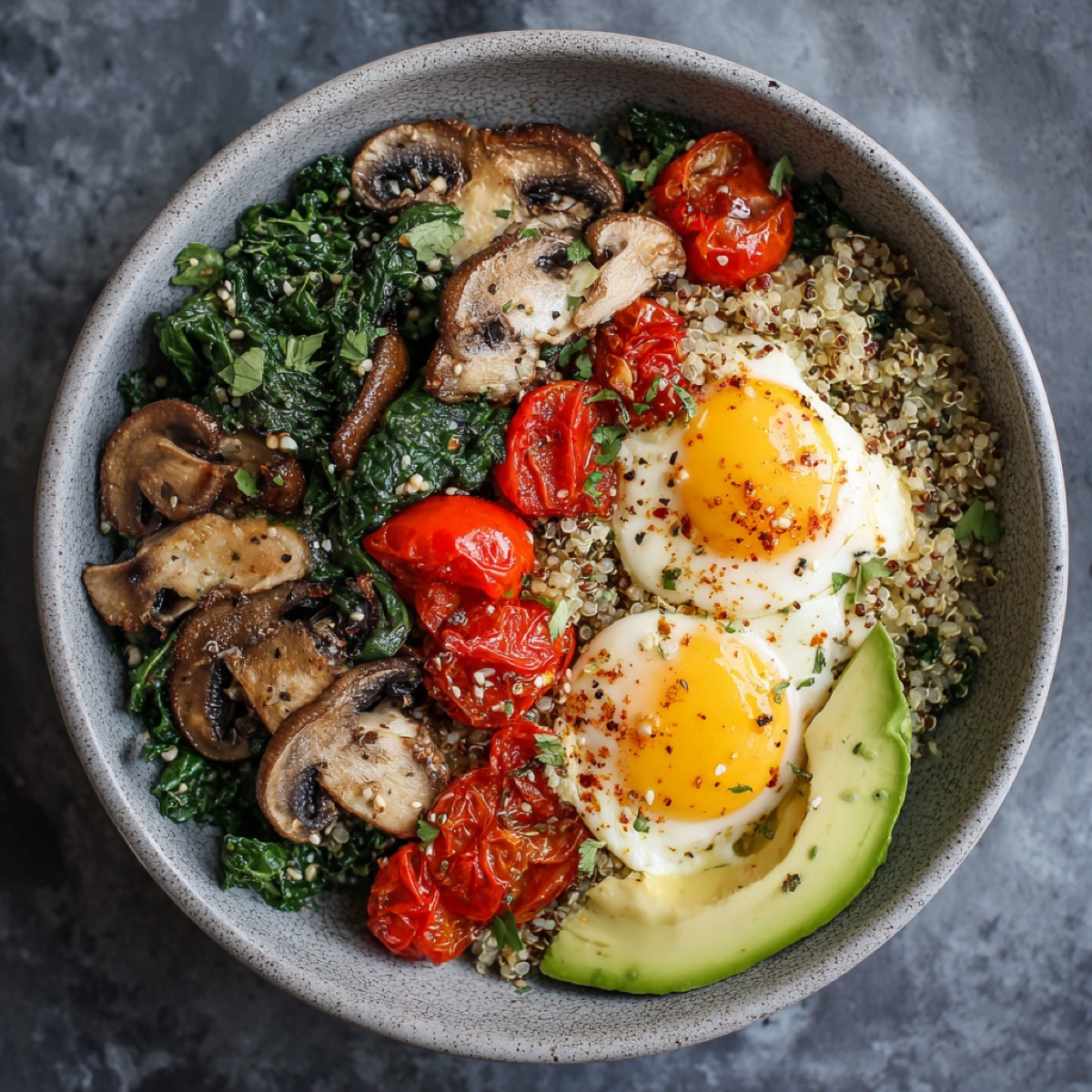
Savoury Greens & Egg Breakfast Skillet
A warm savoury breakfast skillet with eggs, greens, and slow carbohydrates for steady morning energy.
Foods
9 foods containing this substance
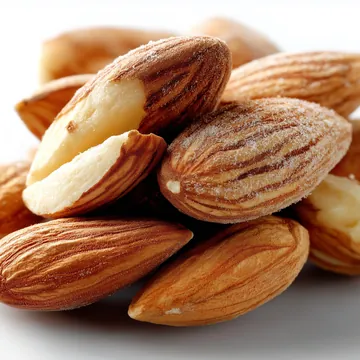
Almonds
Nutrient-dense nut providing vitamin E, magnesium, fibre and unsaturated fats
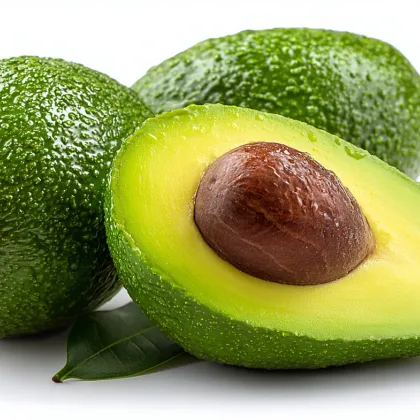
Avocado
Fibre-rich fruit with mostly monounsaturated fat, vitamin E and carotenoids
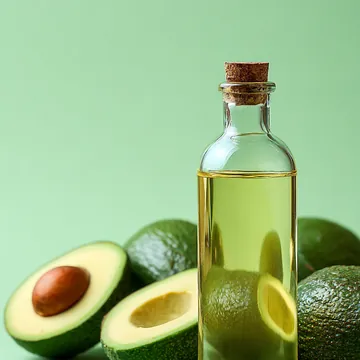
Avocado Oil
Monounsaturated culinary oil dominated by oleic acid
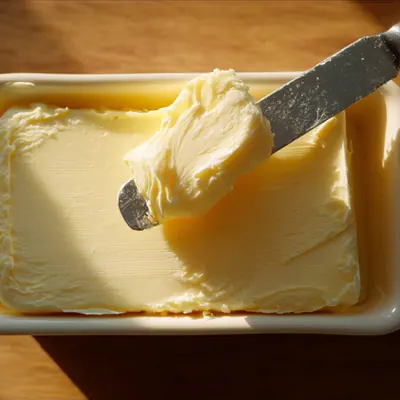
Butter
Dairy fat providing vitamin A and culinary saturated fat
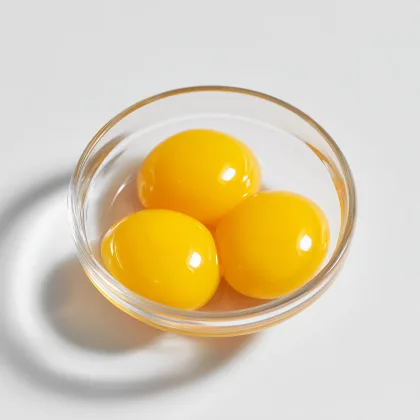
Egg Yolks
Nutrient-dense part of eggs with choline, lutein, and fat-soluble vitamins
Ghee
Heat-stable clarified butter with butyrate and fat-soluble vitamins
Peanuts
Niacin, resveratrol, and plant protein for NAD+ and mitochondrial support
Sunflower Seeds
Thiamine source and sunflower lecithin precursor
Wheat Germ
Choline source and B vitamin-rich grain component
Biological Mechanisms and Implications
References
- Vitamin E works within antioxidant networks with vitamin C, CoQ10, and polyphenols, with these compounds regenerating each other in vivo Packer et al. 1997
- High-dose antioxidant supplements have shown inconsistent or even harmful effects in rare cases (e.g., Vitamin E clinical trials and prostate cancer), while diets rich in natural antioxidant compounds have demonstrated robust benefits
- The BRAIN Diet emphasizes food-based sources rich in balanced antioxidants rather than high-dose single-nutrient supplementation, highlighting synergy in whole foods