Cauliflower
Overview
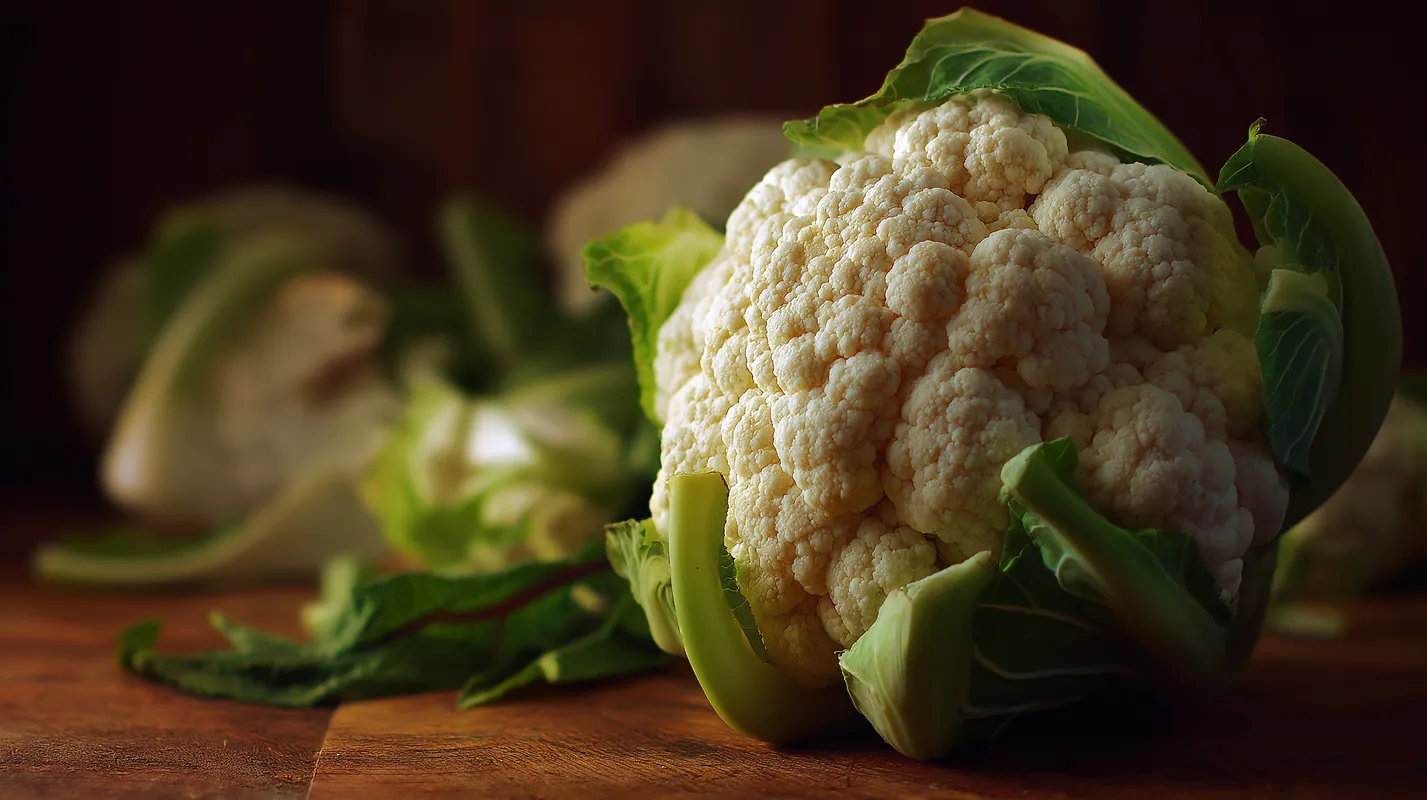
Cauliflower is a cruciferous vegetable providing glucosinolate-derived compounds, vitamin C, folate, and fibre at very low energy density [1]. Crucifer isothiocyanates activate Nrf2-linked antioxidant gene networks [1].
Within the BRAIN Diet framework, cauliflower is a low-calorie crucifer substitute in diverse vegetable patterns; folate supports methylation-related pathways
Key Nutritional Highlights
- Crucifer isothiocyanate / Nrf2 interest at very low energy density [1].
- Vitamin C and folate per 100 g; useful in low-carb vegetable diversity [2].
- Milder flavour than broccoli; still requires glucosinolate → ITC conversion for sulforaphane-class effects [1].
- Roasting acceptable; avoid heavy charring of any crucifer.
Food Context
Synergies
- Part of diverse cruciferous intake; dietary diversity (≥30 plant foods per week) supports microbial richness and resilience
- Pair with fat for fat-soluble vitamin absorption; dietary fat enhances the absorption of fat-soluble vitamins
Preparation
- Can be consumed raw, roasted, or steamed; light cooking may preserve some compounds
- Supports gut health via fiber; prebiotic fiber supports Bifidobacterium, Akkermansia; ↑ butyrate production; improved gut barrier
Recipes
Nutrient Tables (per 100 g)
Selected food and preparation: Cauliflower, raw. per 100 g edible portion.
Core nutrients
| Nutrient | Amount per 100 g | % reference intake per 100 g |
|---|---|---|
| Energy | 25 kcal | — |
| Protein | 1.9 g | — |
| Total fat | 0.3 g | — |
| Saturated fat | 0.1 g | — |
| Carbohydrates | 5 g | — |
| Sugars | 1.9 g | — |
| Fibre | 2 g | — |
Key vitamins and minerals
Vitamins and minerals supplying at least 10% of an adult reference intake per 100 g, derived from the composition panel.
| Nutrient | Amount per 100 g | % reference intake per 100 g |
|---|---|---|
| Folate | 57 µg | 14.2% |
| Vitamin B6 | 0.2 mg | 14.2% |
| Vitamin B5 | 0.7 mg | 13.3% |
| Vitamin C | 48.2 mg | 53.6% |
| Vitamin K | 15.5 µg | 12.9% |
Bioactive compounds
| Compound / class | Amount per 100 g | Notes |
|---|---|---|
| 5-Methyltetrahydrofolate | 92 µg | — |
- 5-Methyltetrahydrofolate: Supporting evidence and original measurement details are available in technical provenance below. [Reference]
Technical provenance
5-Methyltetrahydrofolate: Calculated from the reported Table 5 molar sum, not directly reported mass concentration. Includes polyglutamate species as monoglutamate equivalents, not their intact molecular masses. Glu8 response was estimated by calibration extrapolation; no Glu8 was detected in this cauliflower sample. Analytical steaming was extraction treatment, not a cooked-food state. One study sample does not establish universal food composition; do not add this vitamer value to total folate as an independent nutrient supply. [Reference]
Substances
3 substances in this food
Vitamin B9 (Folate)
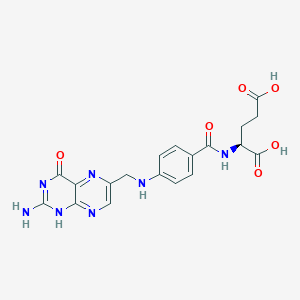
USDA FoodData Central reports folate in Cauliflower, raw. The recorded analyte is folate.
Vitamin C (Ascorbate)
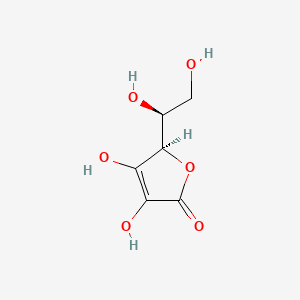
USDA FoodData Central reports vitamin C in Cauliflower, raw.
5-Methyltetrahydrofolate
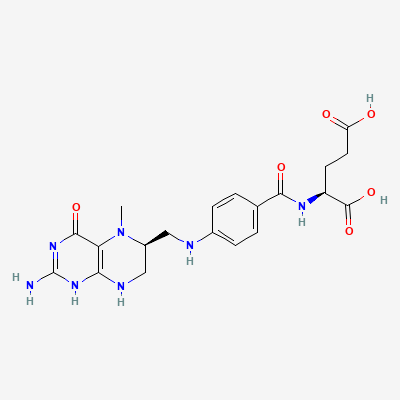
A reduced form of vitamin B9 in foods, and the methyl donor for homocysteine remethylation.
References
[1] Crucifer isothiocyanate / Nrf2 interest at very low energy density. Houghton & Fassett 2016. Sulforaphane and Other Nutrigenomic Nrf2 Activators: Can the Clinician’s Expectation Be Matched by the Reality?
[2] Vitamin C and folate per 100 g; useful in low-carb vegetable diversity. Kennedy et al. 2016. B Vitamins and the Brain: Mechanisms, Dose and Efficacy—A Review