Editorial Team
The BRAIN Framework is supported by a multidisciplinary editorial and advisory team. Team members contribute in different capacities to the development of the framework, its public knowledge architecture, and peer-reviewed submissions based on the framework and condition-specific or therapeutic-area exemplars.
A public body of knowledge
The scientific advisory team were called upon to comment on and edit the first draft of The BRAIN Diet. This team includes globally renowned experts in biology, chemistry, nutrition, neurochemistry, and psychology. These volunteers committed many hours of teleconferences and many more hours of their spare time to navigate and contribute to the original manuscript, which runs to over 100 pages and cites more than 500 scientific references. They have selflessly dedicated their time to help create a diet that ringfences the key science that could underwrite better outcomes for many brain‑related challenges and disorders such as ADHD, Alzheimer's disease, bipolar disorder, and cognitive decline across the lifespan.
The BRAIN Diet Company Ltd makes substantial components of the framework and its supporting knowledge architecture publicly accessible to support education, scrutiny and continued scientific development. Access to particular professional education, training or specialist materials may differ.
Team Members
Rob Moffat
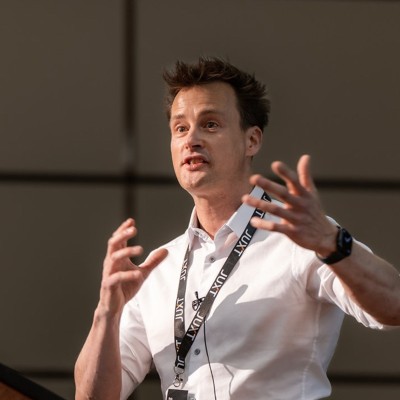
Rob Moffat is a software developer and systems architect with deep experience in finance, regulatory technology, and software risk management. As Chief Architect for FINOS, the Financial Open Source Foundation at the Linux Foundation, he works across global open-source programs that support resilient, scalable, and transparent technology ecosystems. Rob's experience in global opensource projects at the linux foundation has meant that thebraindiet has been gifted some of the most advance content management systems and AI available.
He is the author of Risk-First Software Development, Second Edition: Deliver Better Systems in a Post-Agile, AI World, and the creator of the Risk First framework and knowledge hub, focused on practical risk-aware thinking for modern software teams. Within The BRAIN Diet, he contributes strategic technology and platform design perspective that strengthens the project's evidence infrastructure and digital delivery model.
Paul Peeters

Paul Peeters holds a PhD in Biomedical Sciences with extensive experience in the life sciences industry, specializing in strategic partnerships and collaboration management. His expertise in regulatory frameworks and scientific liaison work ensures that The BRAIN Diet content maintains scientific rigor while remaining accessible to diverse audiences.
View Paul's LinkedIn profile →
Becky Upton
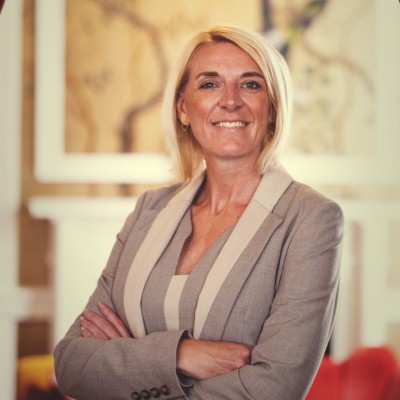
Becky Upton holds a Biochemistry PhD from Imperial University and an MBA from Cranfield School of Management. She is a clinical psychologist and Chief Executive with extensive experience in the life sciences sector, having led organizations through complex challenges and transformation while fostering sustainable growth. Her background in life sciences operations and strategic leadership at organizations like Pistoia Alliance, combined with her clinical psychology expertise and biochemistry research background, brings valuable perspective to ensuring The BRAIN Diet's content strategy aligns with scientific best practices and organizational excellence.
View Becky's LinkedIn profile →
Tj Power

Tj Power is the lead neuroscientist at DOSE® Lab and the instant Sunday Times bestselling author of The DOSE Effect, investigating how digitally driven lifestyles impact brain chemistry. Through his neuroscience, speaking, and DOSE training work (tjpower.co.uk), he delivers live events and training for companies and schools around the world. After developing the DOSE® framework (Dopamine, Oxytocin, Serotonin, Endorphins) and training over 90,000 people through over 600 live experiences at institutions including Oxford University, Amazon, and the NHS, Tj brings internationally respected neuroscience expertise to The BRAIN Diet's understanding of how nutrition and lifestyle interventions optimize brain chemistry and cognitive function.
Larry Callahan

Larry Callahan holds a PhD in Chemistry from the University of Chicago and has extensive experience at the FDA's Center for Biologics Evaluation and Research (CBER), where he conducted groundbreaking research on HIV mechanisms and CD4-based therapies. His work on ISO standards for medicinal products and commitment to improving global health through information organization, including co-founding Trials of Life, brings critical regulatory and scientific rigor to The BRAIN Diet's evidence-based approach.
View Larry's LinkedIn profile →
Dr Miguel Toribio-Mateas
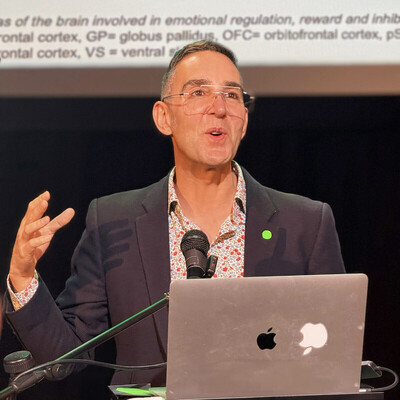
Dr Miguel Toribio-Mateas is a clinical neuroscientist, applied microbiologist, and nutrition researcher specialising in nutritional psychiatry and the gut–brain axis. With over two decades of experience bridging laboratory research and clinical practice, his work explores how dietary patterns, microbial metabolites, and metabolic resilience influence cognitive and emotional regulation, particularly in ADHD and other neurodivergent profiles.
He is the author of ADHD Body and Mind: A Compassionate Guide to Rewilding Your Nervous System with Neuroscience, Nutrition, and Gut-Brain Health (Hachette/JKP, 2026), also available on Google Play. His research has been published in peer-reviewed journals including BMJ and BMC Psychiatry, with a focus on translational nutritional neuroscience and real-world clinical application.
An Honorary Research Fellow at Cardiff University's School of Psychology and Senior Lecturer at the University of West London, Dr Toribio-Mateas is known for his clear, evidence-based communication style, making complex brain and nutrition science accessible without oversimplification. Within The BRAIN Diet project, he contributes expertise in integrative systems thinking and professional education design, supporting the development of a structured framework for nutritional psychiatry.
View Dr Miguel's LinkedIn profile →
Georgia Farrar

Georgia Farrar works at DOSE® Lab, contributing to neuroscience research and the DOSE framework's application to brain health and cognitive function. Her expertise in neuroscience and collaboration with the DOSE Lab team brings valuable perspective to The BRAIN Diet's understanding of how lifestyle interventions impact brain chemistry and mental wellbeing.
View Georgia's LinkedIn profile →
Jacqui Mayes

Jacqui Mayes is a Registered Nutritional Therapist with extensive clinical practice experience, working with clients at clinics in Farnham, Ascot, and Winchester, and delivering corporate wellness nutrition and lifestyle seminars. As a Clinical Supervisor and Lecturer for CNELM on BSc and MSc courses for Middlesex University, her practical experience translating nutritional science into accessible, real-world applications brings valuable clinical perspective to The BRAIN Diet's evidence-based approach.
View Jacqui's LinkedIn profile →
Nina Fischer

Nina Fischer brings expertise in nutrition science to The BRAIN Diet editorial team, contributing to the development and maintenance of evidence-based nutrition content. Her background in nutrition and commitment to scientific accuracy supports the team's mission of making complex nutritional science accessible while maintaining the highest standards of scientific integrity.
View Nina's LinkedIn profile →
Paul Houston

Paul Houston — Founder, The BRAIN Diet
Paul Houston is the creator of the B.R.A.I.N. framework (Bio-Regulation Algorithm & Integrated Neuronutrition), a systems-based model examining how lifestyle inputs regulate biological function and influence cognitive and metabolic health.
With a background in clinical data strategy and health systems innovation, Paul previously contributed to large-scale healthcare data initiatives at the European Medicines Agency and European Commission funded projects. He is published in leading journals including Nature and The BMJ. His current focus is on integrating neuroscience, nutrition, and regulatory physiology into a unified training and research platform.
He is developing The BRAIN Diet alongside our team of experts for both a scientific framework and applied educational ecosystem bridging nutrition, neurobiology, longevity research, and practitioner training.
View Paul's LinkedIn profile →
Content Standards
Our editorial standards include:
- Verifying claims against primary research sources
- Distinguishing between established evidence and emerging research
- Providing appropriate context and limitations for dietary recommendations
- Maintaining consistency across our knowledge base
Contributing to Our Knowledge Base
We welcome feedback and contributions from researchers, healthcare professionals, and community members. If you notice any inaccuracies or have suggestions for improvement, please reach out through our contact channels.
The editorial team is committed to maintaining the highest standards of scientific integrity while making complex nutritional science accessible to all.