Mussels
Overview
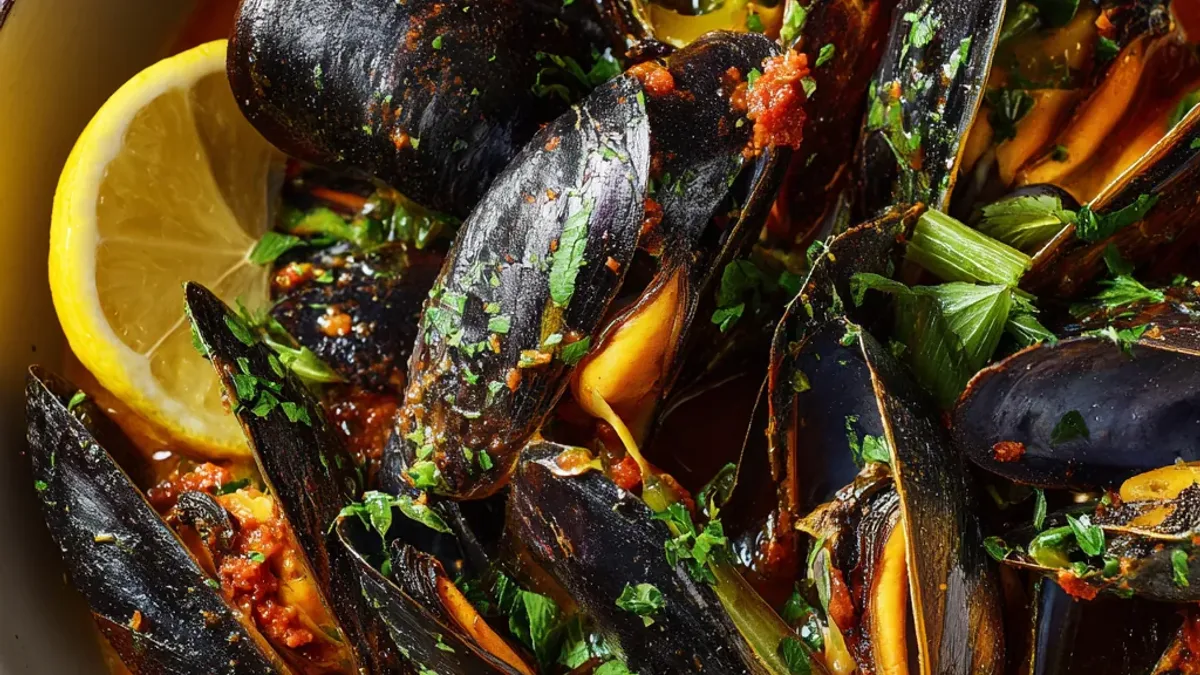
Mussels are bivalve shellfish that provide substantial amounts of vitamin B12, iron, zinc, selenium, and long-chain omega-3 fatty acids. Compared with many terrestrial foods, mussels are particularly dense in B12 and bioavailable iron and zinc, nutrients that support red blood cell formation, myelination, and enzymatic antioxidant systems [1]. They also contribute marine omega-3 fatty acids in a different culinary format to finfish, adding trace minerals and beneficial lipids in relatively small portions.
Within the BRAIN Diet framework, mussels serve as a rotational shellfish option that complements other dietary sources of B12 and iron. They are especially useful in dietary patterns where red meat intake is moderated but adequate intake of these micronutrients is still required [1]. As with all shellfish, sourcing and preparation are important—safe harvesting areas, proper storage, and thorough cooking reduce microbiological risk while preserving the nutrient density of the food [2].
Key Nutritional Highlights
- Provides complete, highly digestible protein.
- Commonly contributes selenium, iodine, and vitamin B12, though levels vary by species.
- EPA/DHA content is highly species-dependent; oily fish are usually higher than lean fish or shellfish.
- Often lower in saturated fat than many fatty red-meat patterns when minimally processed.
- Nutritional profile and risk context depend on processing method (fresh vs salted/smoked/cured).
Food Context
Sourcing
- Choose mussels from reputable producers that harvest from monitored waters, with clear labelling on origin and safety testing.
- Farmed mussels generally have a low environmental footprint and can help maintain water quality by filter-feeding, but they should still be sourced from areas with robust biotoxin and contamination surveillance.
Preparation
- Cook mussels thoroughly—for example by steaming until all shells have opened and discarding any that remain closed—to reduce microbiological risk while retaining their nutrient density.
- Serve mussels with vegetable-rich bases such as tomato, garlic, herbs, or leafy greens, and consider pairing with whole grains to build balanced meals that combine shellfish micronutrients with fibre and phytochemicals.
Essential Amino Acid Profile
This food provides a complete essential amino acid profile typical of animal proteins, with high digestibility and bioavailability.
Recipes
1 recipe containing this food
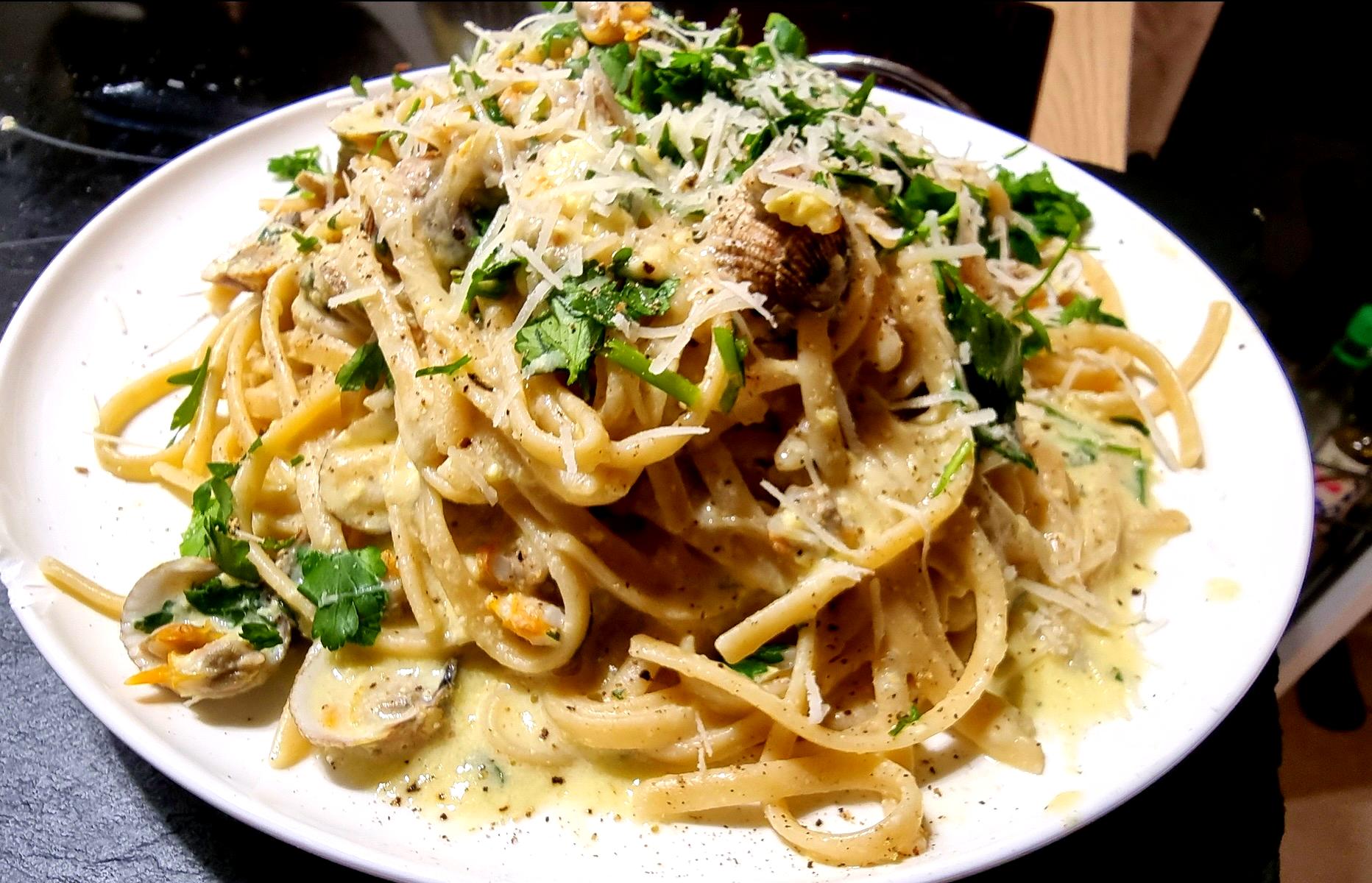
Linguine alle vongole mantecate (Linguine with cockles in a silky emulsified sauce)
Whole-wheat linguine with cockles in a silky emulsified sauce; Italian emulsification technique without cream, supporting taurine, B12, and choline intake.
Nutrient Tables (per 100 g)
Core nutrients
| Nutrient | Amount per 100 g | % RDA per 100 g |
|---|---|---|
| Energy | 86 kcal | — |
| Protein | 11.9 g | — |
| Total fat | 2.2 g | — |
| Saturated fat | 0.4 g | — |
| Carbohydrates | 3.7 g | — |
Key vitamins and minerals
Vitamins and minerals supplying at least 15% of an adult reference intake per 100 g, derived from the composition panel. Tags do not decide which rows appear.
| Nutrient | Amount per 100 g | % RDA per 100 g |
|---|---|---|
| Iron | 4 mg | 21.9% |
| Zinc | 1.6 mg | 14.5% |
| Phosphorus | 197 mg | 28.1% |
| Manganese | 3.4 mg | 147.8% |
| Selenium | 44.8 µg | 81.5% |
| Vitamin B12 | 12 µg | 500% |
| Vitamin B2 | 0.2 mg | 16.2% |
Advanced Nutrition
Other quantitative vitamins and minerals from the same composition panel. They remain available for Substance cards and later scoring; they are not headline nutrients of this food.
| Nutrient | Amount per 100 g | % RDA per 100 g |
|---|---|---|
| Magnesium | 34 mg | 8.1% |
| Calcium | 26 mg | 2.6% |
| Potassium | 320 mg | 9.4% |
| Copper | 0.1 mg | 10.4% |
| Sodium | 286 mg | — |
| Choline | 65 mg | 11.8% |
| Folate | 42 µg | 10.5% |
| Vitamin B6 | 0.1 mg | 3.8% |
| Vitamin B1 | 0.2 mg | 13.3% |
| Vitamin B3 | 1.6 mg | 10% |
| Vitamin B5 | 0.5 mg | 10% |
| Vitamin C | 8 mg | 8.9% |
| Vitamin A | 48 µg | 5.3% |
| Vitamin E | 0.6 mg | 3.7% |
| Vitamin K | 0.1 µg | 0.1% |
Bioactive compounds
Explicitly identified compounds, including individual fatty acids, with a defensible quantity or an explicit qualitative status. Asterisks (*) identify supplementary sources below. Unquantified or trace constituents are not automatically admitted to the Substances list.
| Compound / class | Amount per 100 g | Notes |
|---|---|---|
| EPA | 188 mg | — |
| DHA | 253 mg | — |
| Phosphatidylcholine | Present — quantity not established * | — |
- * Phosphatidylcholine: Mussels is a phospholipid-rich food in which phosphatidylcholine is a major choline form; USDA SR Legacy reports choline, not phosphatidylcholine specifically.
Substances
Substances admitted through a supported nutrition-table row. Not every table row appears here. Cards are not BRS mappings.
7 substances in this food
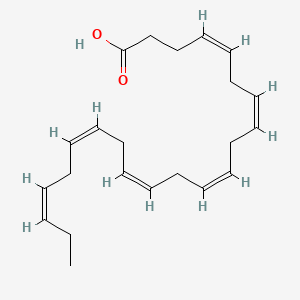
DHA (Docosahexaenoic Acid)
Accounts for ~10–15% of total brain fatty acids, 20–30% of neuronal phospholipids (PE, PS), and >90% of brain omega-3 PUFA; critical for membrane fluidity, synaptic vesicle fusion, neurodevelopment
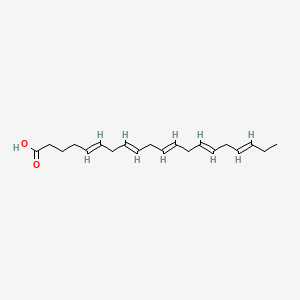
EPA (Eicosapentaenoic Acid)
Potent anti-inflammatory; precursor to E-series resolvins; modulates dopamine and serotonin signalling
Iron
Oxygen transport; dopamine synthesis (tyrosine hydroxylase cofactor)
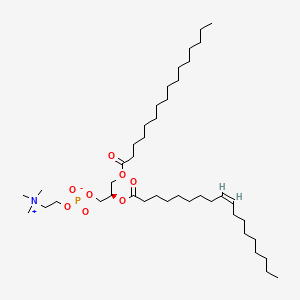
Phosphatidylcholine (PC)
Key brain phospholipid; carrier for DHA/EPA and acetylcholine precursor pathway
Selenium
Antioxidant enzyme cofactor (GPx); supports redox balance
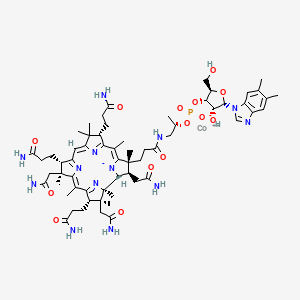
Vitamin B12 (Cobalamin)
Methylation; myelin; mitochondrial odd-chain FA metabolism
Zinc
Cofactor in neurotransmission and antioxidant enzymes; dopamine modulation
References
[1] They are especially useful in dietary patterns where red meat intake is moderated but adequate intake of these micronutrients is still required. FAO 2013. Dietary protein quality evaluation in human nutrition (DIAAS report)