Vitamin B6 (Pyridoxine → PLP)
Overview
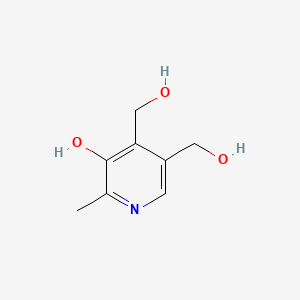
Vitamin B6 is a water-soluble vitamin that exists in several forms (pyridoxine, pyridoxal, pyridoxamine) which are converted to the active coenzyme form, pyridoxal-5'-phosphate (PLP), in the brain. PLP serves as a cofactor for the synthesis of all key neurotransmitters including dopamine, serotonin, GABA, and glutamate, supporting rate-limiting steps in catecholamine synthesis. B6 is also an essential cofactor in the remethylation of homocysteine to methionine, working with B2, folate, and B12 in methylation processes. The conversion to PLP requires PDXK (pyridoxal kinase) activity, which is supported by cofactors such as magnesium and ATP.
Dopamine regulation — a core neurotransmitter axis in ADHD — is closely tied to insulin function. Insulin shifts the balance of amino acids in the blood, allowing more tyrosine (dopamine's precursor) to cross into the brain, where it is converted into dopamine with the help of enzymes and cofactors including vitamin B6 Kennedy 2016.
Recipes
11 recipes containing this substance
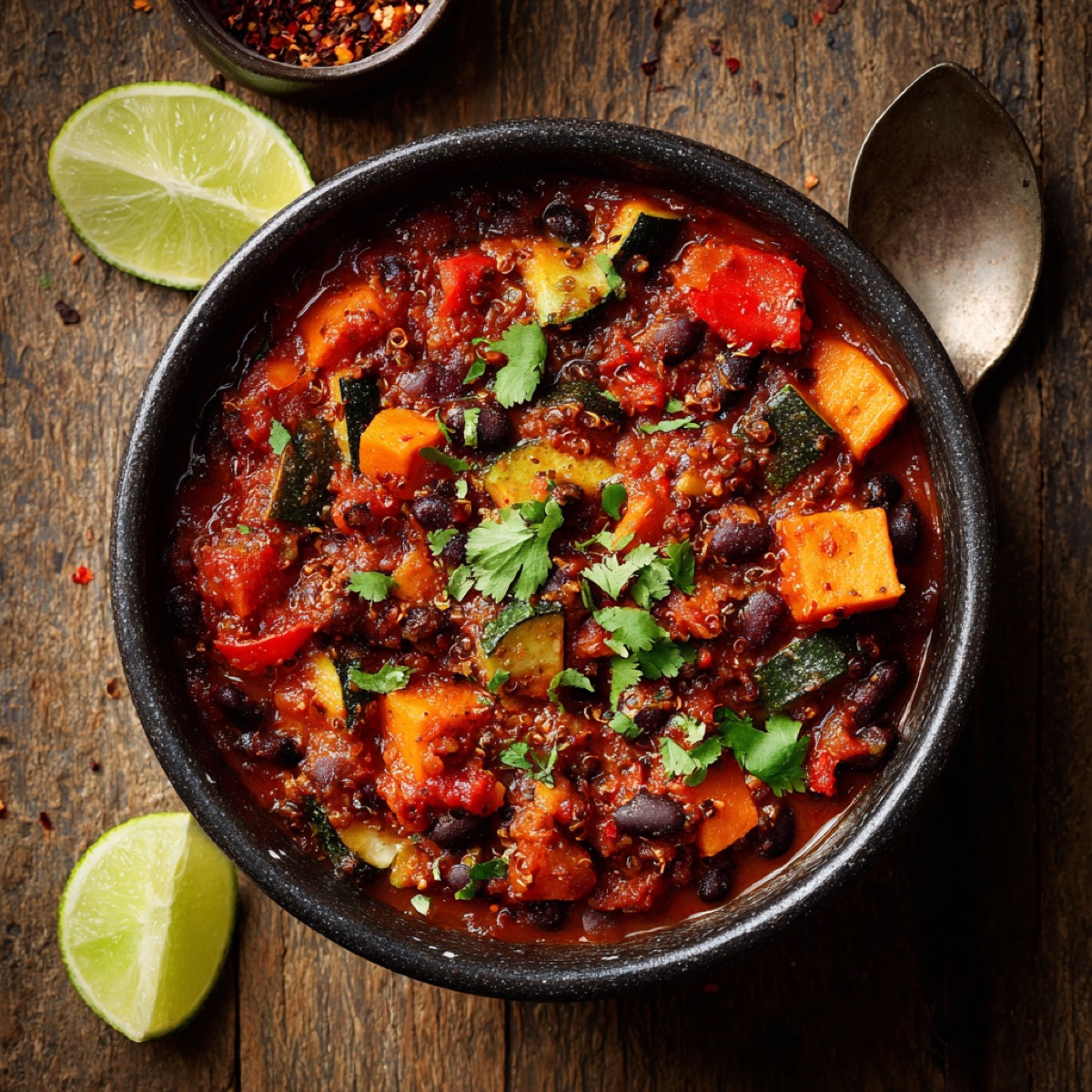
Black Bean & Sweet Potato Vegetable Chilli
A fibre-rich bean and vegetable chilli with warming spices and slow carbohydrates for steady energy and satiety.
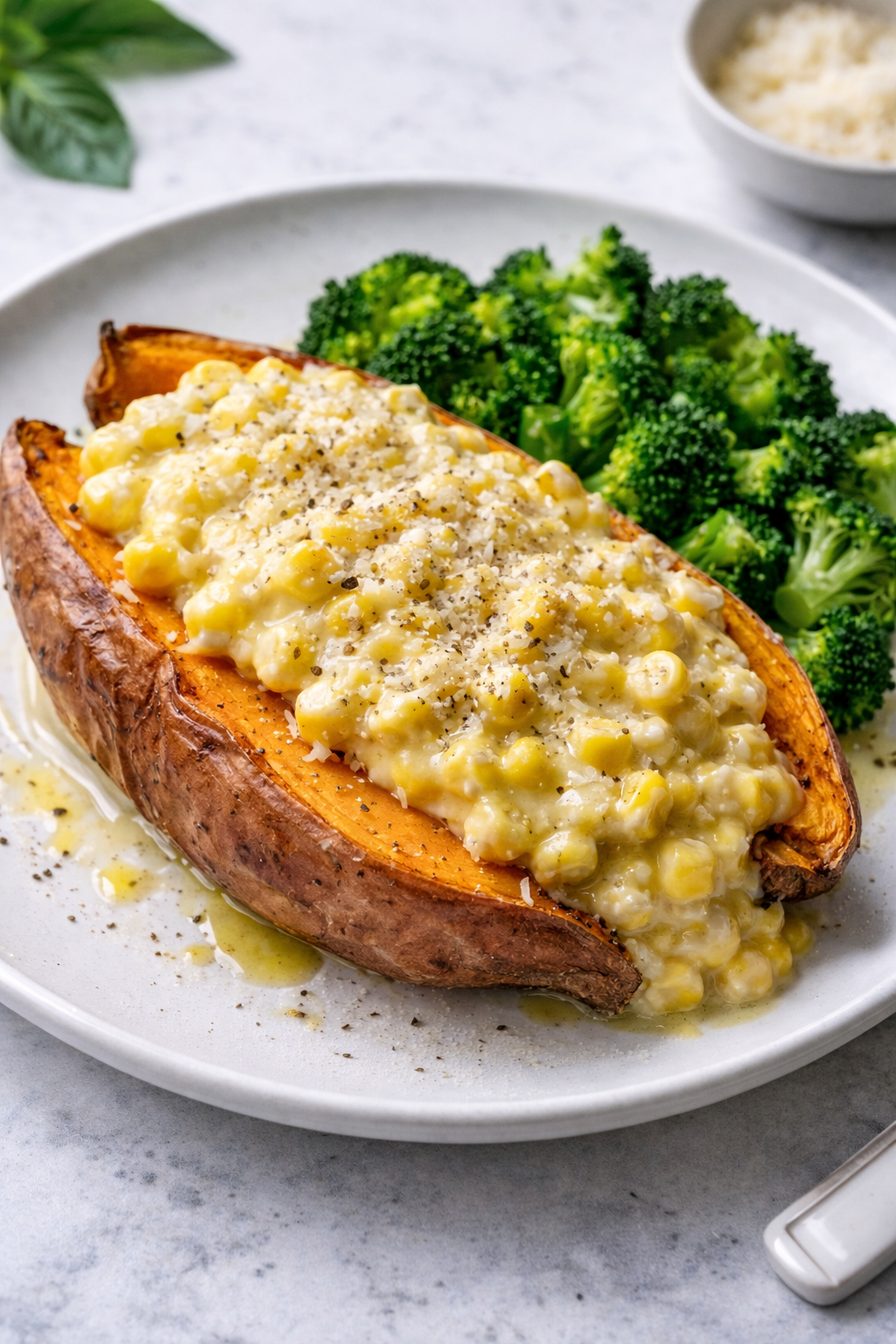
Creamed Corn on Roasted Sweet Potato
Roasted sweet potato with creamed corn and a mixed lipid phase to enhance carotenoid absorption; served with broccoli for fibre and glucosinolates.
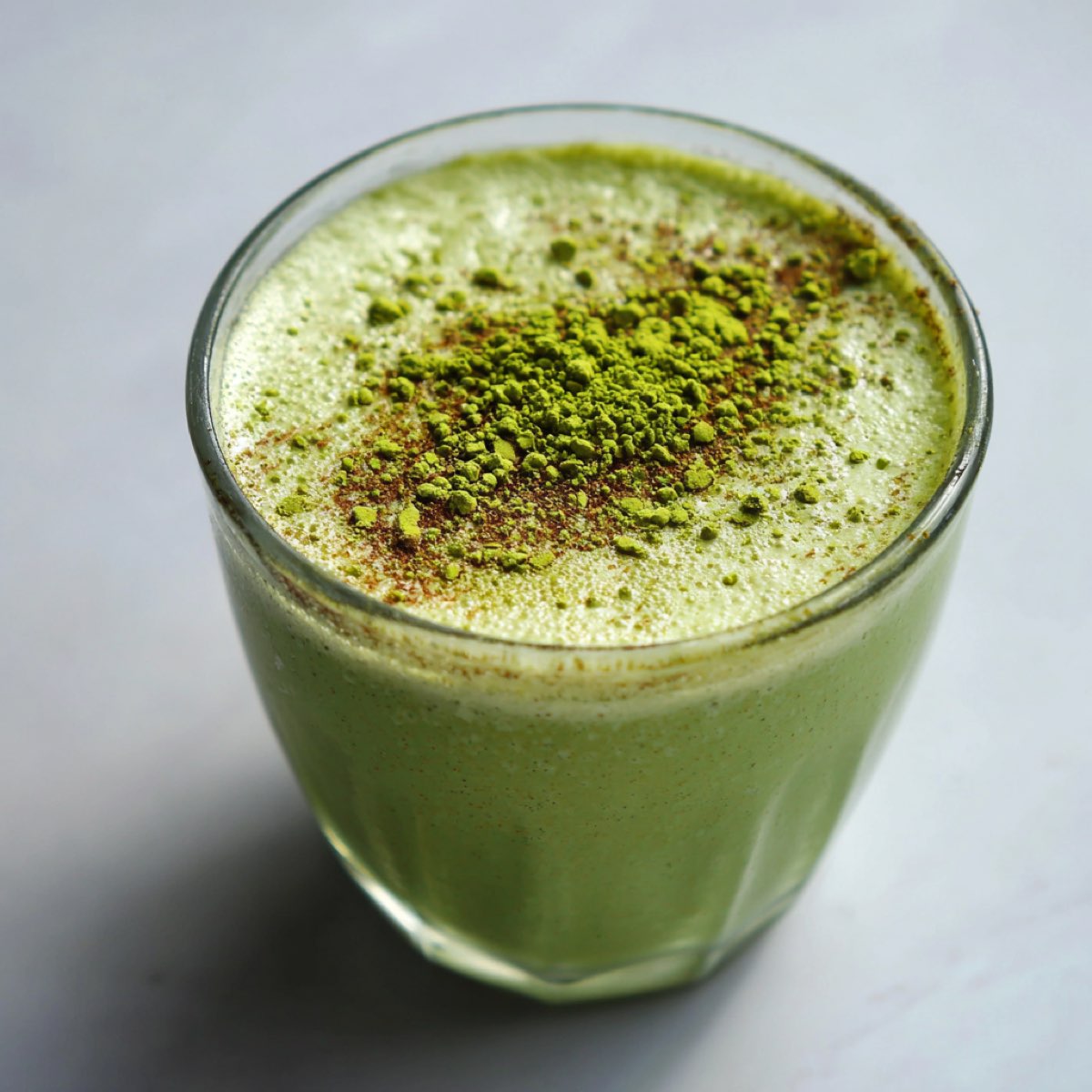
Matcha Mitochondria Smoothie
Mitochondrial energising smoothie rich in polyphenols, magnesium, and antioxidants
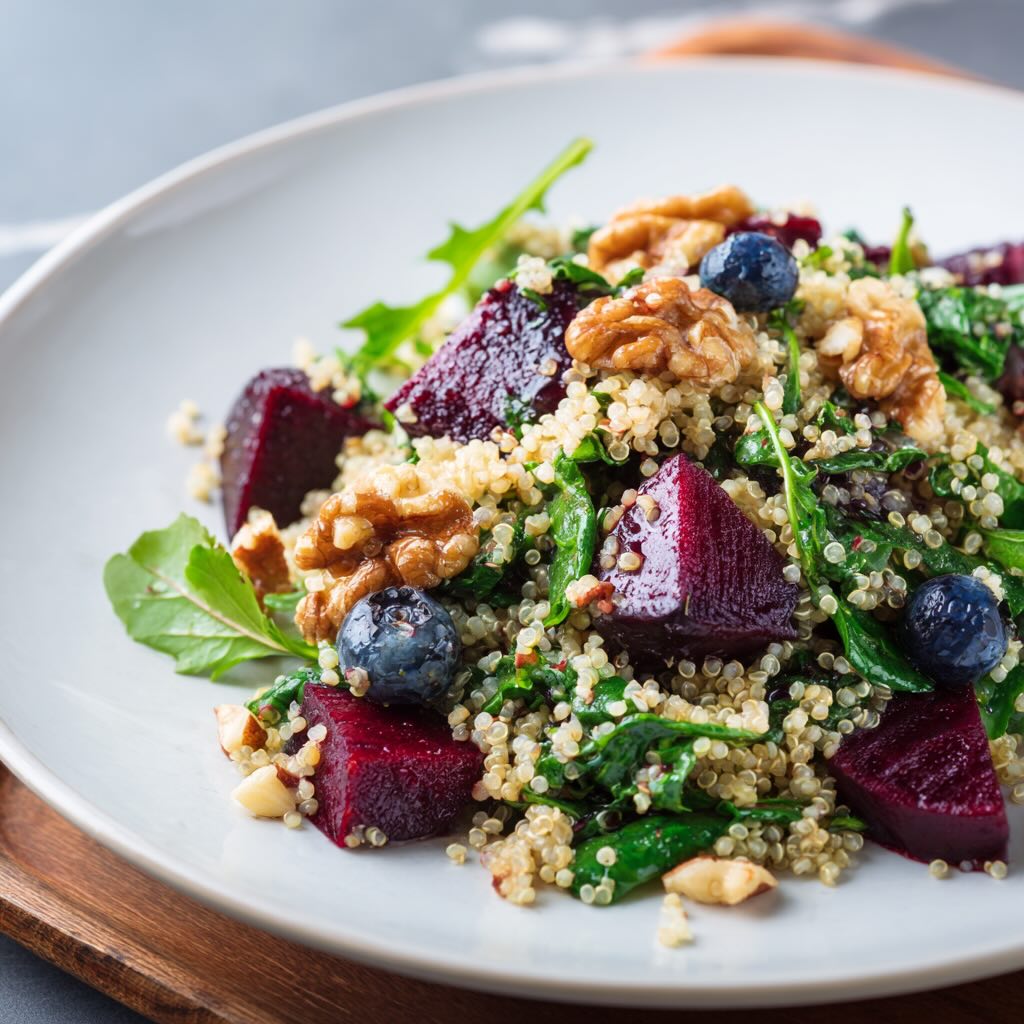
Mitochondrial Power Bowl
A nitrate-rich, polyphenol-dense bowl combining leafy greens, beets, berries, nuts, and early harvest olive oil
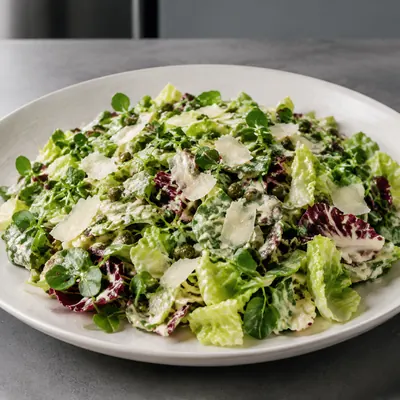
Mixed-Leaf Tahini Caesar Salad
A Caesar-style mixed-leaf salad with a tahini, anchovy, caper and Parmesan dressing, using extra virgin olive oil retained from oil-packed capers.
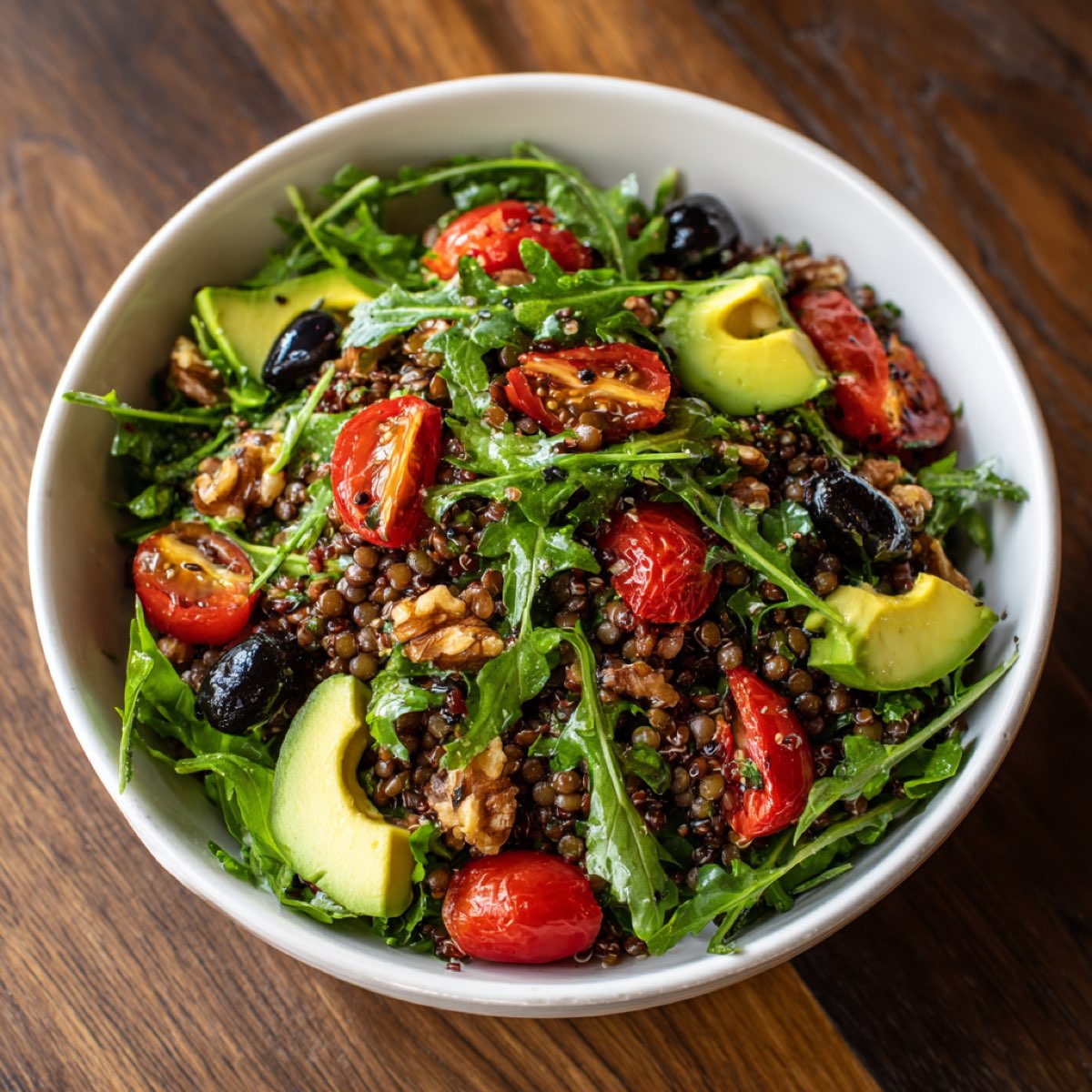
Rocket Lentil Avocado Midday Salad (Gut-Supporting)
Polyphenol-rich midday salad with quinoa or lentils, vegetables, avocado, and early harvest olive oil
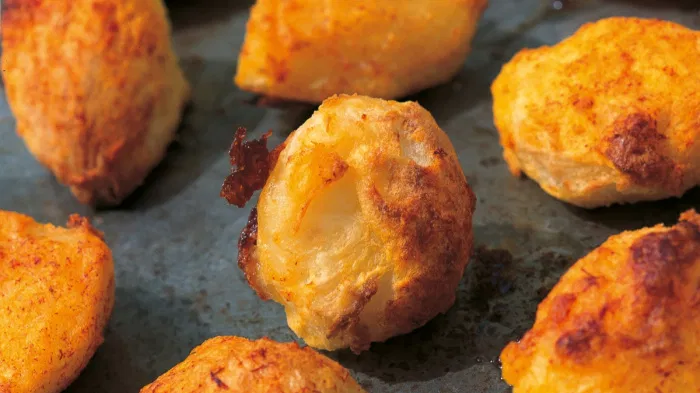
Saffron Roast Potatoes
Crisp roast potatoes finished with saffron-infused olive oil, designed to maximise colour, flavour and texture while remaining adaptable to many main dishes.
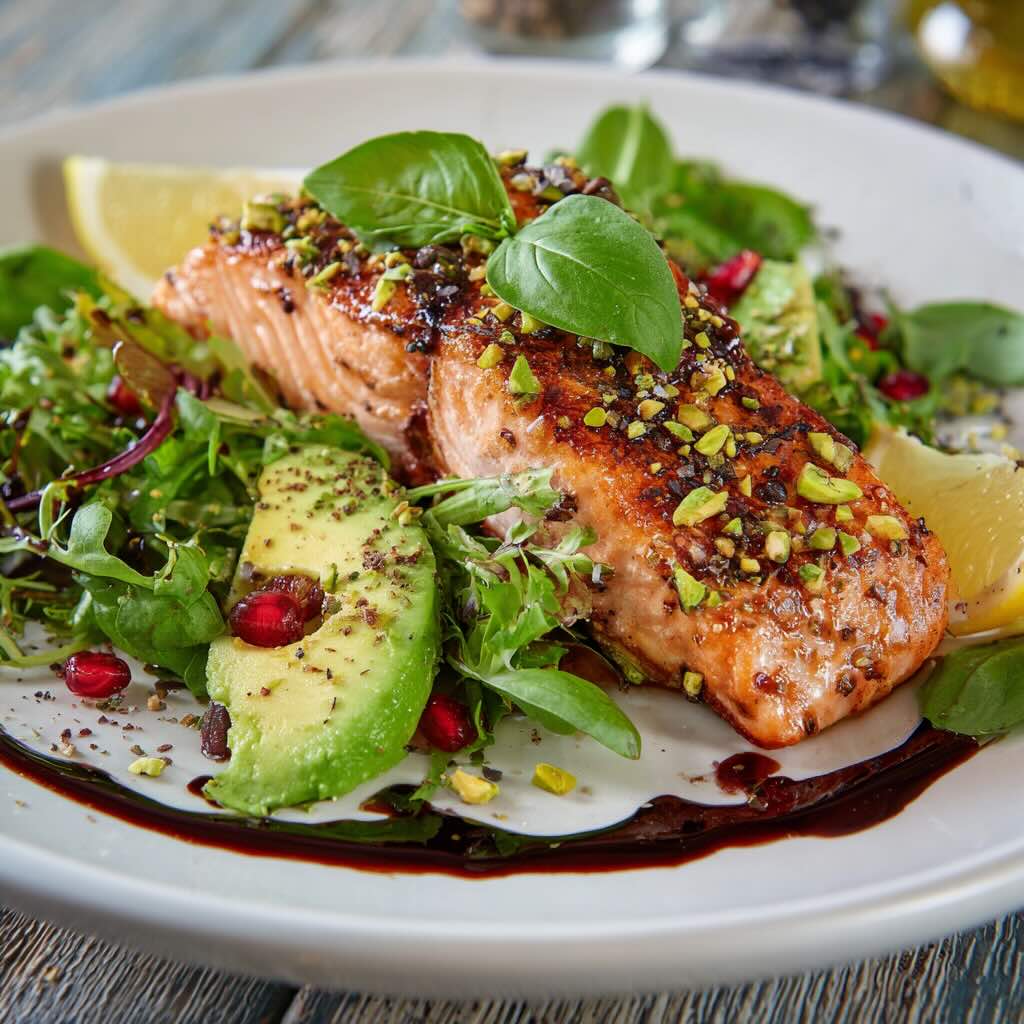
Salmon Bowl-pistachio-cacao-nibs
A Mediterranean-style bowl combining salmon, avocado, pistachios, cacao nibs, and early harvest olive oil — rich in omega-3 fats, polyphenols, and fibre.
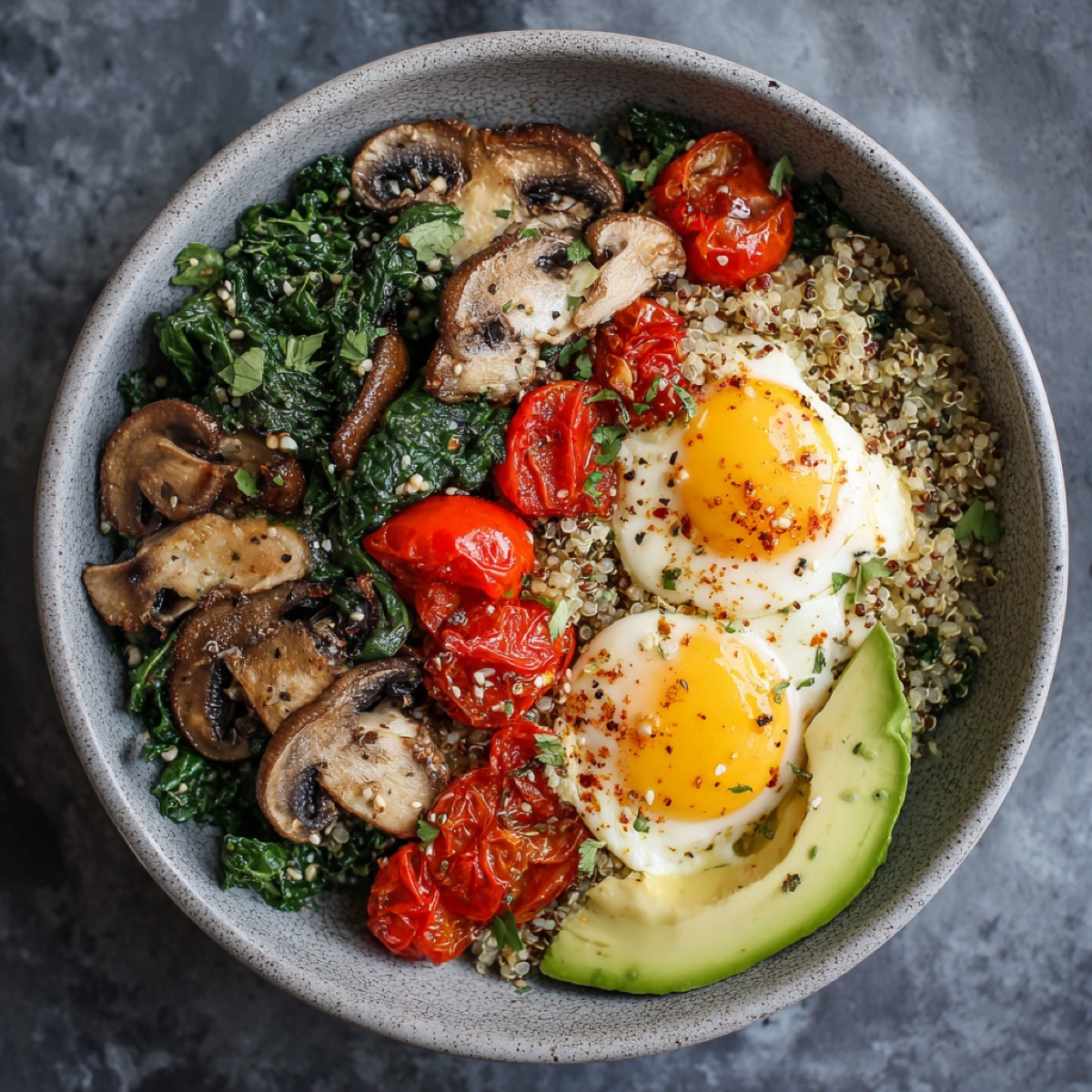
Savoury Greens & Egg Breakfast Skillet
A warm savoury breakfast skillet with eggs, greens, and slow carbohydrates for steady morning energy.
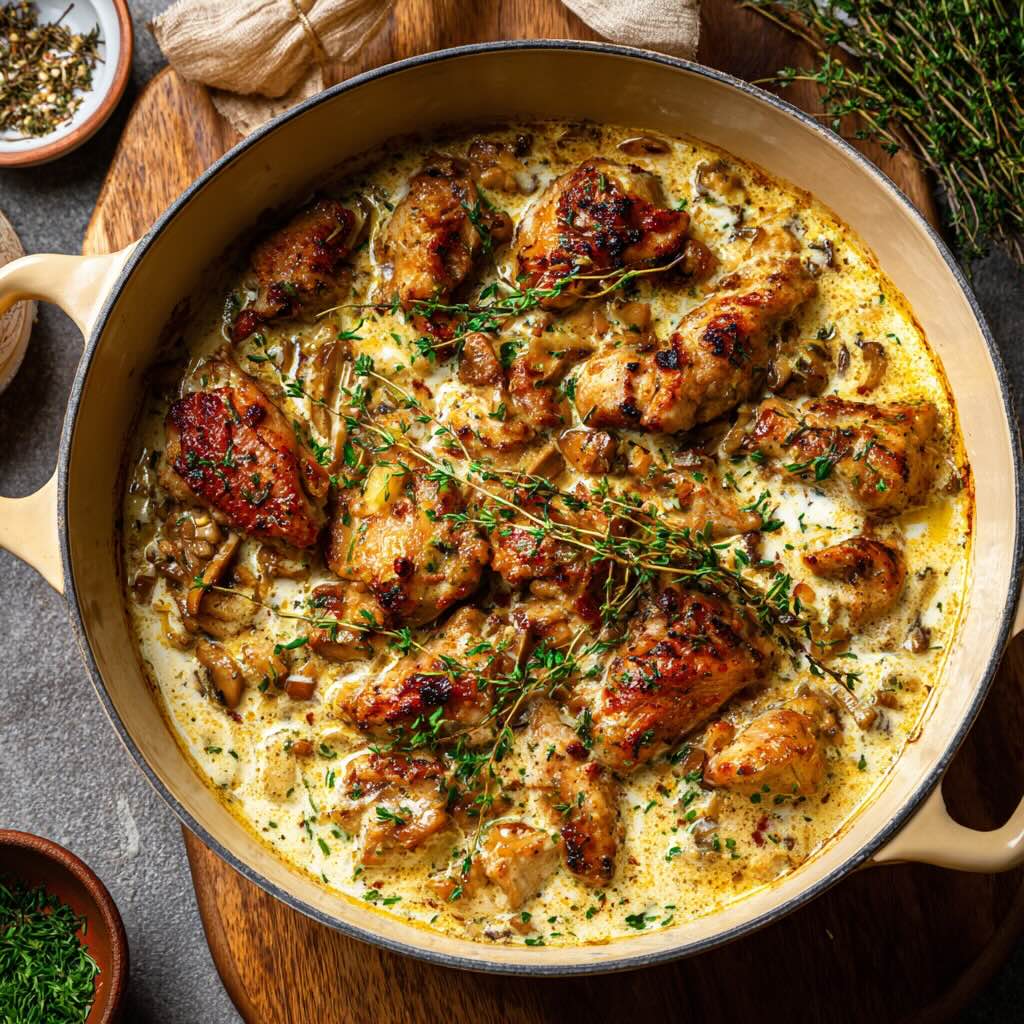
Turkey Wing Stew
A collagen-rich, glycine-heavy slow-cooked stew made from affordable turkey wings — rich in protein, tryptophan, and B vitamins.
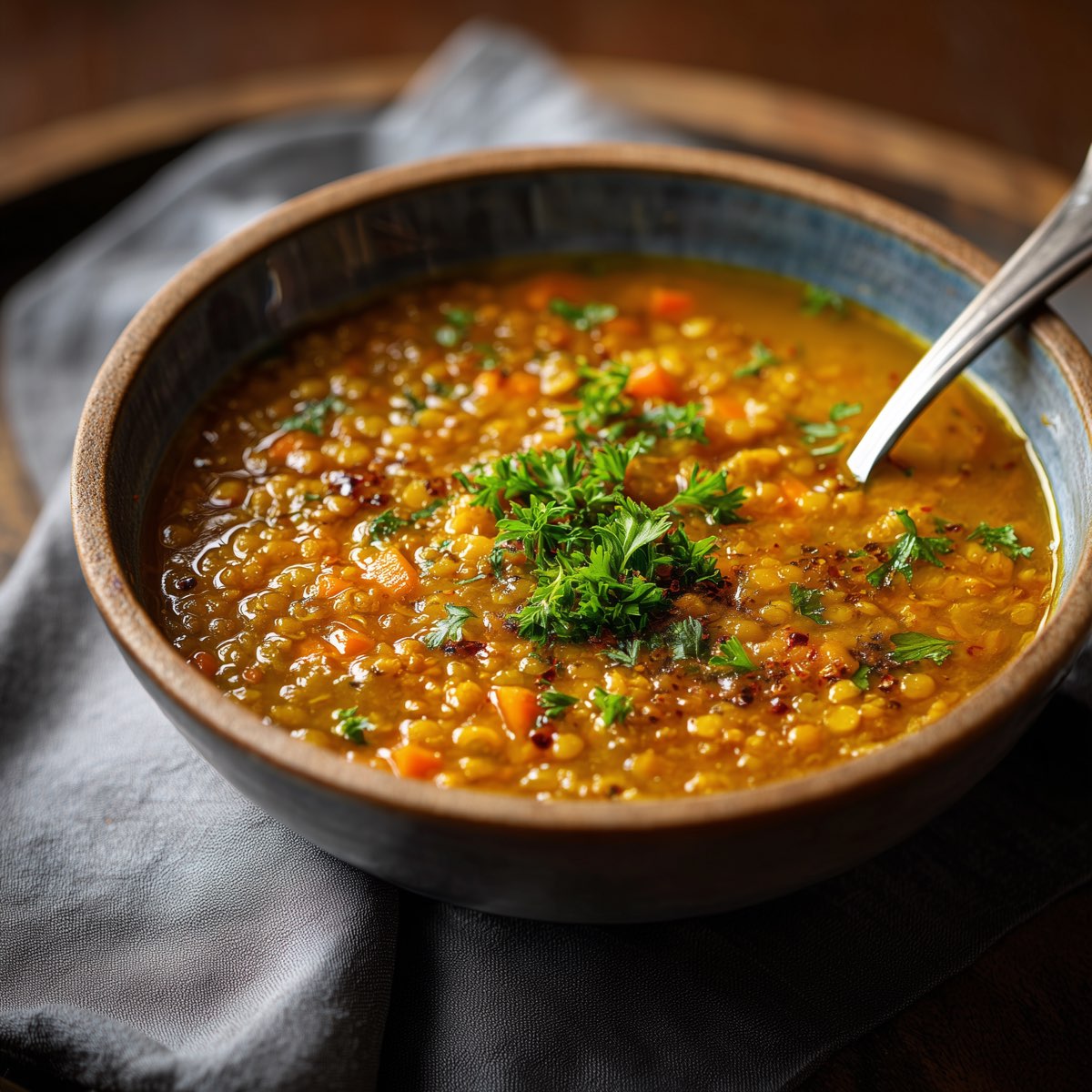
Turmeric Lentil Dahl
Turmeric- and ginger-spiced lentil dish rich in fibre, folate, and polyphenols
Foods
14 foods containing this substance
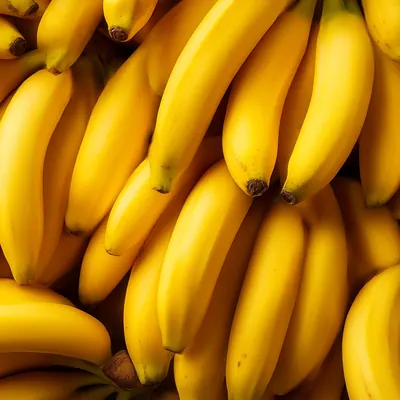
Bananas
Fruit providing vitamin B6 and potassium; starch profile changes with ripeness
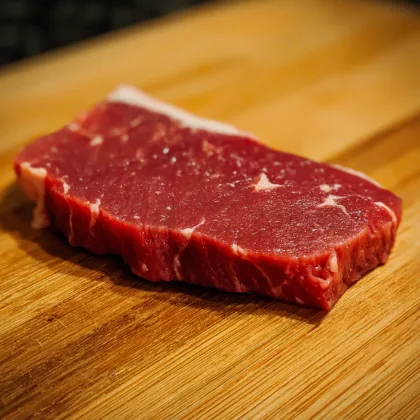
Beef
High creatine, CoQ10, and bioavailable heme iron
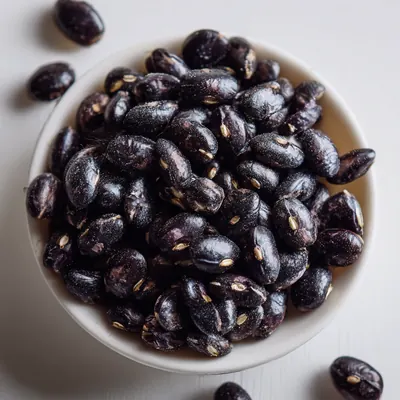
Black Beans
Legume with polyphenols and protein; optimal soaking conditions detailed
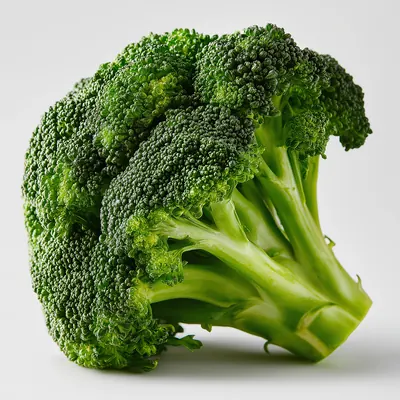
Broccoli
Cruciferous vegetable rich in sulforaphane, folate, and glutathione precursors
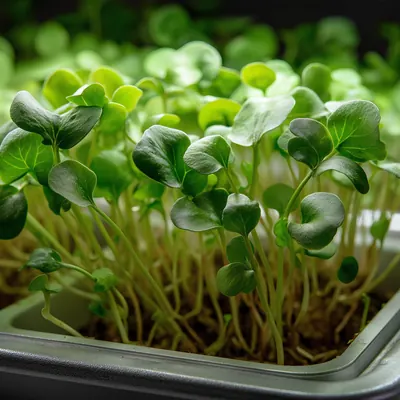
Broccoli Sprouts
Young broccoli sprouts valued for glucoraphanin and sulforaphane potential, vitamin C, and Nrf2-supportive phytochemistry
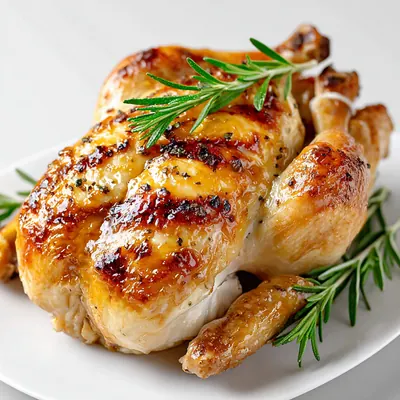
Chicken
Niacin, zinc, and tryptophan
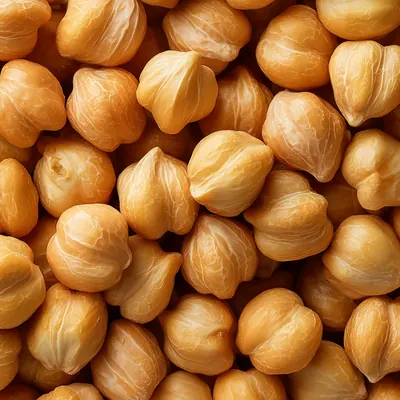
Chickpeas
Legume providing protein, fiber, folate, magnesium, and B6

Kale
Leafy green rich in iron, magnesium, zinc, quercetin, and carotenoids

Nutritional Yeast
Fortified yeast providing B12, B6, and NAD+ precursors

Potatoes
Starchy vegetable providing resistant starch when cooled

Quinoa
Pseudograin with magnesium, iron, and balanced plant protein
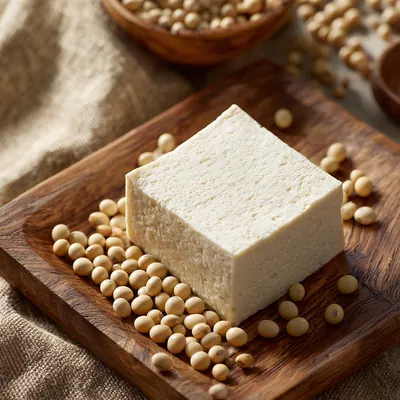
Soy
Complete plant protein with isoflavones (genistein) and choline

Spinach
Leafy green rich in iron, magnesium, folate, and carotenoids

Turkey
High tryptophan and niacin for serotonin synthesis and NAD+ production
Biological Mechanisms and Implications
References
- Dopamine regulation is closely tied to insulin function; insulin shifts plasma amino acid balance, allowing more tyrosine to cross into the brain, where it is converted to dopamine with enzymatic cofactors including vitamin B6 Kennedy 2016
- B6 is a cofactor in the development of all key neurotransmitters; pyridoxine, pyridoxal, and pyridoxamine cross the blood–brain barrier in non-phosphorylated forms and are converted to PLP by PDXK Spector 1978
- PDXK activity is supported by cofactors such as magnesium and ATP; combined B6 and magnesium supplementation has been reported to reduce inattention and hyperactivity Mousain-Bosc et al. 2006
- B vitamins, particularly B6, B2, folate, and B12, are essential cofactors in remethylation of homocysteine to methionine, which is converted to SAMe
- Riboflavin coenzymes facilitate the metabolism of B12, vitamin B6, and niacin Aragão et al. 2024
- Both dopamine and serotonin synthesis pathways rely on cofactors including iron, B6, folate, omega-3s, and BH₄ to support rate-limiting steps in catecholamine synthesis Fanet et al. 2021
- Magnesium functions as an NMDA receptor antagonist and GABA receptor modulator Clerc et al. 2013
- Zinc acts as an allosteric modulator of the GABA receptor Peralta and Huidobro-Toro 2016
- Low levels of coenzyme B6 can cause dysfunctions prior to the formation of CoQ10 Pravst, Zmitek, and Zmitek 2010
- Since plant-based diets provide less bioavailable B6, deficiencies are more common in vegan and older populations Waldmann et al. 2006
- B6 deficiencies can result from celiac disease, alcoholism, and genetic mutations, leading to serious brain injury and epilepsy Wilson et al. 2019