Cheese
Overview
Cheese is fermented dairy providing calcium, complete protein, and in some varieties (like Parmesan), vitamin K2 and CLA. Studies have shown that hard cheeses with high calcium do not raise serum LDL levels. Cheese provides tyrosine for dopamine synthesis and supports bone health through calcium and K2 content.
Recipes
Substances
3 substances in this food

Calcium
Bone health; neurotransmission; interacts with vitamin D and K2
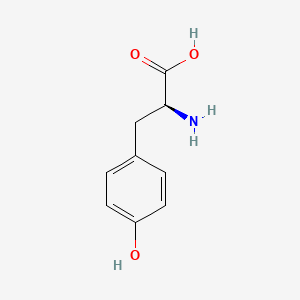
Tyrosine
Dopamine and norepinephrine precursor; LAT1 competition with LNAAs
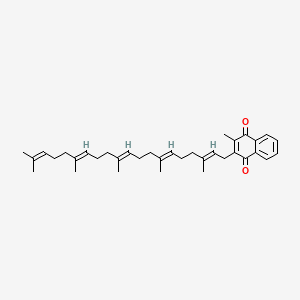
Vitamin K2 (MK forms)
Calcium handling; potential roles in brain health; often co-occurs with fat-soluble vitamins
Preparation Notes
- Choose quality sources when possible; grass-fed/pasture-raised sources may have better nutrient profiles
- Part of diverse dairy intake strategy
- Supports calcium and protein goals; hard cheeses with high calcium do not raise serum LDL levels Soerensen et al. 2014
- Consider fermentation benefits; fermented foods provide live microbes + postbiotic peptides; improved SCFA pools; vagal signaling
Biological Target Matrix
| Biological Target | Substance | Contribution Level | Therapeutic Areas | Mechanism of Action |
|---|---|---|---|---|
| Neurotransmitter Regulation | Calcium | Contextual / minor contributor | Essential for nerve impulse transmission and neurotransmission | |
| Neurotransmitter Regulation | Tyrosine | Contextual / minor contributor | Catecholamine precursor (dopamine, norepinephrine); brain transport via LAT1 competes with other LNAAs; iron is an essential cofactor for tyrosine hydroxylase, the rate-limiting enzyme in conversion of tyrosine to dopamine; cofactors include iron, B6, folate, omega-3s, and BH₄ (tetrahydrobiopterin) to support rate-limiting steps in catecholamine synthesis |
References
- Studies have shown that hard cheeses with high calcium do not raise serum LDL levels Soerensen et al. 2014
- See Parmesan Cheese for detailed information on CLA, K2, C15:0, and glutamate content
- When consumed in moderation within an anti-inflammatory, micronutrient-rich diet, foods like Parmesan cheese provide essential brain nutrients including choline, vitamin K2, butyrate, and fat-soluble vitamins A, D, and E
- Dopamine: Attention, motivation, executive function; food sources include lean poultry, beef, fish, dairy, soy, pumpkin seeds (cheese provides tyrosine)