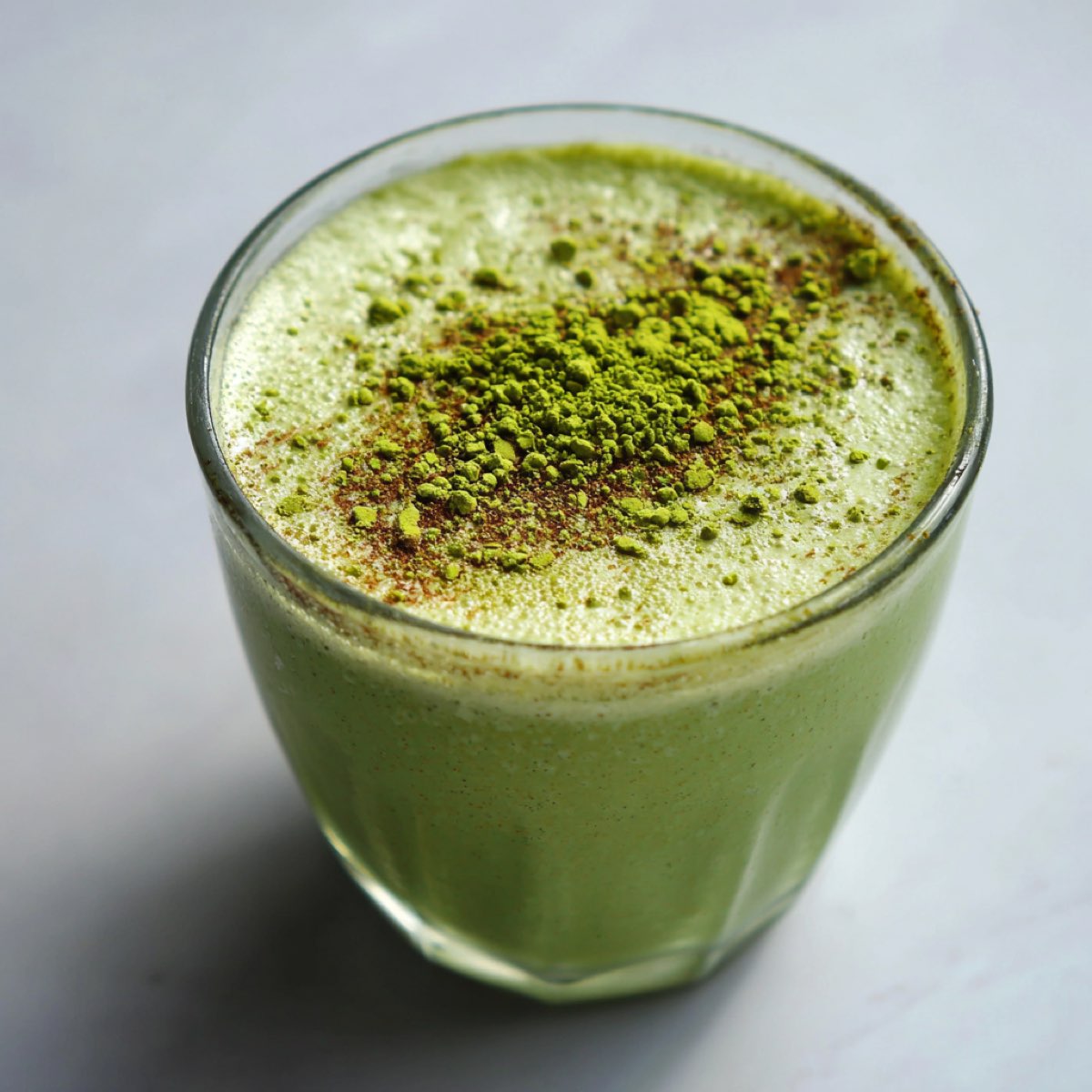
Matcha Mitochondria Smoothie
Overview
This energising smoothie combines matcha catechins with magnesium-rich pumpkin seeds and spinach, omega-3 from chia seeds, and probiotics from kefir or yogurt. Matcha contains catechins studied for antioxidant effects; pumpkin seeds and spinach provide magnesium; chia provides ALA omega-3.
Ingredients
- 1 cup (240 ml) spinach
- ½ frozen banana
- 1 tsp (5 ml) matcha powder
- 1 tbsp (15 ml) chia seeds
- 1 tbsp (15 ml) pumpkin seeds
- 200 ml (13.3 tbsp) kefir or yogurt
- ½ cup ice
- Optional: ½ tsp maca powder
Method
- Blend everything until smooth.
Nutrition
Per serving. Each included ingredient is scaled from a named per-100 g composition record by edible grams. Optional ingredients are excluded. Missing analytical values are not treated as zero.
| Nutrient | Per serving |
|---|---|
| Energy | 250 kcal |
| Protein | 14 g |
| Carbohydrates | 30 g |
| Sugars | 17 g |
| Fibre | 6.8 g |
| Total fat | 10 g |
| Saturated fat | 2.5 g |
| Sodium | 110 mg |
Key vitamins and minerals
| Nutrient | Per serving | Reference intake |
|---|---|---|
| Vitamin K | 150 µg | 122% AI |
| Phosphorus | 450 mg | 64% RDA |
| Vitamin A | 490 µg | 55% RDA |
| Manganese | 1.1 mg | 49% AI |
| Calcium | 380 mg | 38% RDA |
| Magnesium | 150 mg | 36% RDA |
| Copper | 0.32 mg | 36% RDA |
| Vitamin B2 | 0.41 mg | 32% RDA |
Vitamins and minerals supplying at least 15% of an adult reference intake, plus explicitly featured design-relevant nutrients, up to eight. RDA is a recommended dietary allowance; AI is an adequate intake, used where the evidence does not support an RDA. Nutrients below the threshold are still calculated and still count towards a daily total; a featured row is not a claim that the serving supplies a complete daily dose.
Bioactive compounds
| Compound | Per serving |
|---|---|
| Alpha-linolenic acid (ALA; 18:3 n-3) | 2160 mg |
| Kaempferol | Present — quantity not established |
| Betaine | 110–130 mg/100 g in frozen spinach |
These compounds have no recognised intake target, so quantified amounts are shown without a percentage. A presence-only entry is carried from a supported food relationship and is not converted into an invented serving amount.
Calculation details
| Ingredient | Weight used | Composition record |
|---|---|---|
| 1 cup (30 g) spinach | 30 g | USDA FDC 168462 — Spinach, raw |
| ½ frozen banana (59 g) | 59 g | USDA FDC 173944 — Bananas, raw |
| 1 tbsp (12 g) chia seeds | 12 g | USDA FDC 170554 — Seeds, chia seeds, dried |
| 1 tbsp (8 g) pumpkin seeds | 8.1 g | USDA FDC 170556 — Seeds, pumpkin and squash seed kernels, dried |
| 200 ml (205 g) kefir | 205 g | USDA FDC 170904 — Kefir, lowfat, plain, LIFEWAY |
Mainly from:
- Energy: Kefir, Chia Seeds
- Protein: Kefir, Pumpkin Seeds
- Carbohydrates: Bananas, Kefir
- Sugars: Kefir, Bananas
- Fibre: Chia Seeds, Bananas
- Total fat: Pumpkin Seeds, Chia Seeds
- Saturated fat: Kefir, Pumpkin Seeds
- Sodium: Kefir, Spinach
Assumptions and exclusions:
- 1 cup (30 g) spinach: USDA SR Legacy FDC 168462 food_portion: 1 cup = 30 g
- ½ frozen banana (59 g): USDA SR Legacy FDC 173944 food_portion: 1 medium = 118 g; half = 59 g
- 1 tbsp (12 g) chia seeds: USDA FDC Branded records for chia seed concordantly declare 1 tbsp = 12 g (e.g. 2408849, 2096271, 2434856). SR Legacy 170554 has no spoon measure.
- 1 tbsp (8 g) pumpkin seeds: USDA SR Legacy FDC 170556 food_portion: 1 cup = 129 g; 1 tbsp = 8.1 g
- 200 ml (205 g) kefir: USDA SR Legacy FDC 170904 food_portion: 1 cup = 243 g, i.e. 1.027 g/ml; 200 ml = 205.4 g.
- 1 tsp (2 g) matcha powder — no composition record exists for powdered whole leaf, so it is left out of the total rather than counted as zero; at 2 g it would add only a few kilocalories, but it is the drink's main source of catechins and caffeine
- ½ cup ice — water contributes no energy or nutrients
- optional: ½ tsp maca powder — optional addition
- Kefir rather than yogurt is the calculated default.
- Matcha is excluded from the figures. It is powdered whole green tea leaf, and the only records available are brewed tea beverages and label panels rounded to zero, so it is left out rather than counted as zero. The catechins and caffeine it contributes are therefore not represented in this table.
An earlier untraced line of ~350 kcal and 14 g protein has been withdrawn rather than reused.
Brain Health Notes
- Matcha contains catechins (EGCG and others) studied for antioxidant effects.
- Pumpkin seeds and spinach supply magnesium, a mineral important for energy metabolism.
- Kefir provides probiotics associated with gut microbiome diversity.
- Chia seeds provide ALA omega-3 and fibre.
- Spinach and matcha contribute polyphenols and antioxidants studied for various cellular effects.
Explore the foods and substances
Show 7 foods and their substances
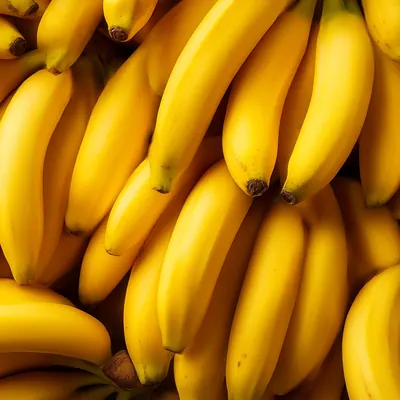
Bananas
Fruit providing vitamin B6 and potassium; starch profile changes with ripeness
Substances: Potassium, Vitamin B6 (Pyridoxine → PLP)
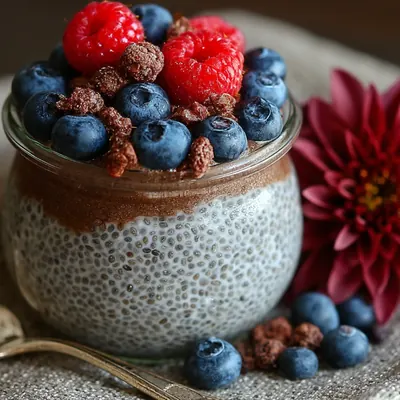
Chia Seeds
ALA omega-3, fiber, and minerals
Substances: ALA (Alpha-Linolenic Acid), Calcium, Linoleic Acid (LA, n-6), Magnesium, Manganese, Phosphorus (Phosphate)

Greek Yogurt
Fermented dairy providing probiotics and complete protein

Green Tea
Source of EGCG, L-theanine, and polyphenols for cognitive and metabolic support
Substances: EGCG (Green Tea Catechin), L-Theanine, Manganese, Potassium


Pumpkin Seeds
High zinc, tryptophan, and magnesium for neurotransmitter support
Substances: Iron, Magnesium, Tryptophan, Tyrosine, Zinc

Spinach
Leafy green rich in iron, magnesium, folate, and carotenoids
Substances: Betaine, Calcium, Copper, Iron, Kaempferol, Lutein, Magnesium, Manganese, Phosphorus (Phosphate), Potassium, Vitamin A (Retinoids; β-Carotene precursor), Vitamin B1 (Thiamine), Vitamin B2 (Riboflavin), Vitamin B6 (Pyridoxine → PLP), Vitamin B9 (Folate), Vitamin C (Ascorbate), Vitamin K (Phylloquinone), Zeaxanthin, Zinc, β-Carotene