Vitamin B1 (Thiamine)
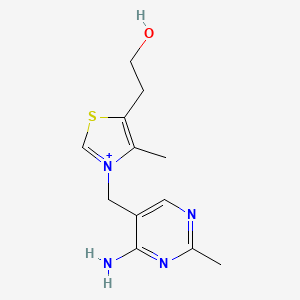
Overview
Vitamin B1, also known as thiamine, is a water-soluble vitamin that is essential for mitochondrial glucose metabolism in the brain. It serves as a cofactor for pyruvate dehydrogenase (PDH) and alpha-ketoglutarate dehydrogenase (α-KGDH), enzymes that are critical for converting glucose into ATP through the TCA cycle. Thiamine does not exist in large brain reserves; the central nervous system maintains small, tightly regulated intracellular pools that depend on continuous, transporter-mediated supply, making deficiency states potentially acute. Thiamine deficiency can rapidly impair brain energy metabolism and cognitive function.
Recipes
10 recipes containing this substance
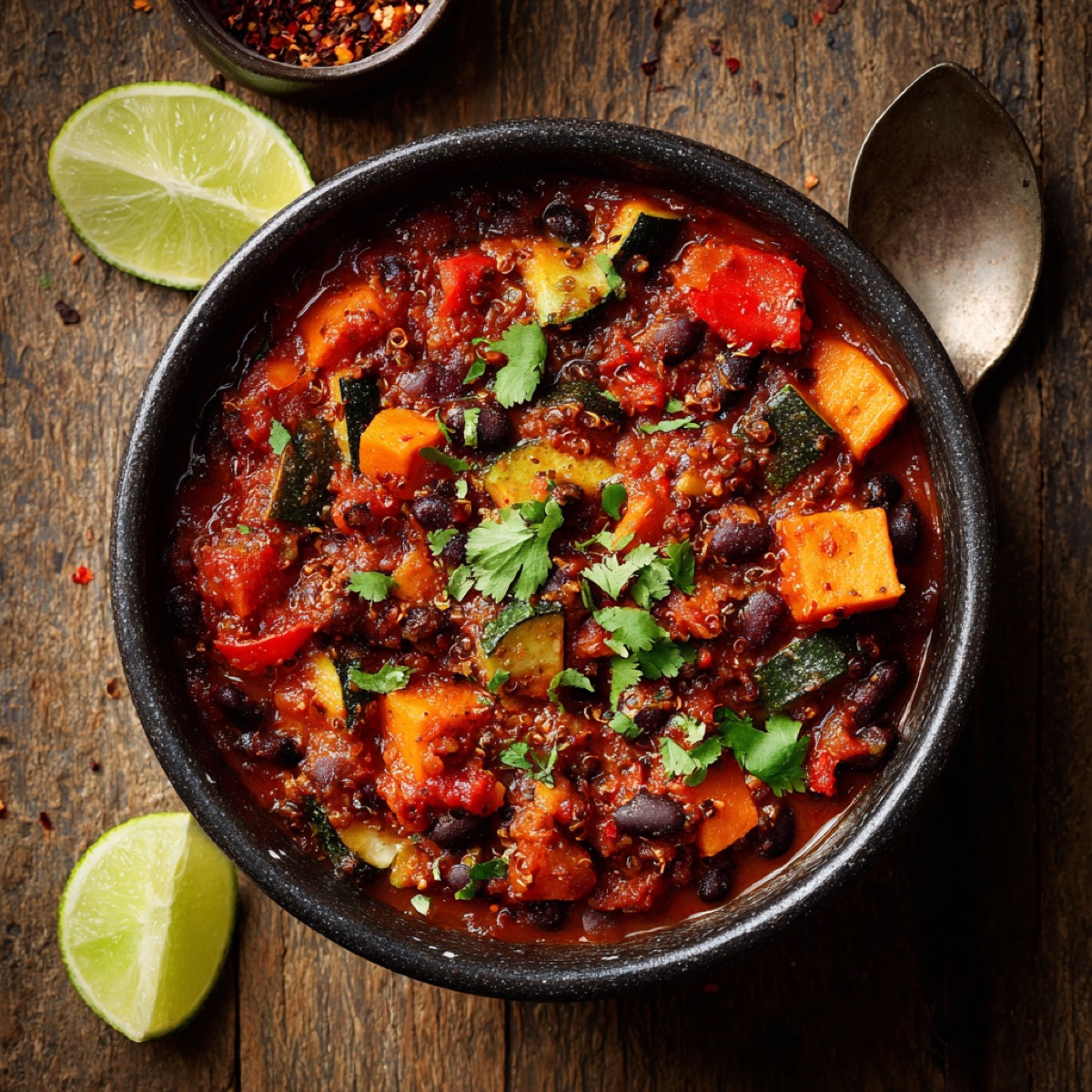
Black Bean & Sweet Potato Vegetable Chilli
A fibre-rich bean and vegetable chilli with warming spices and slow carbohydrates for steady energy and satiety.
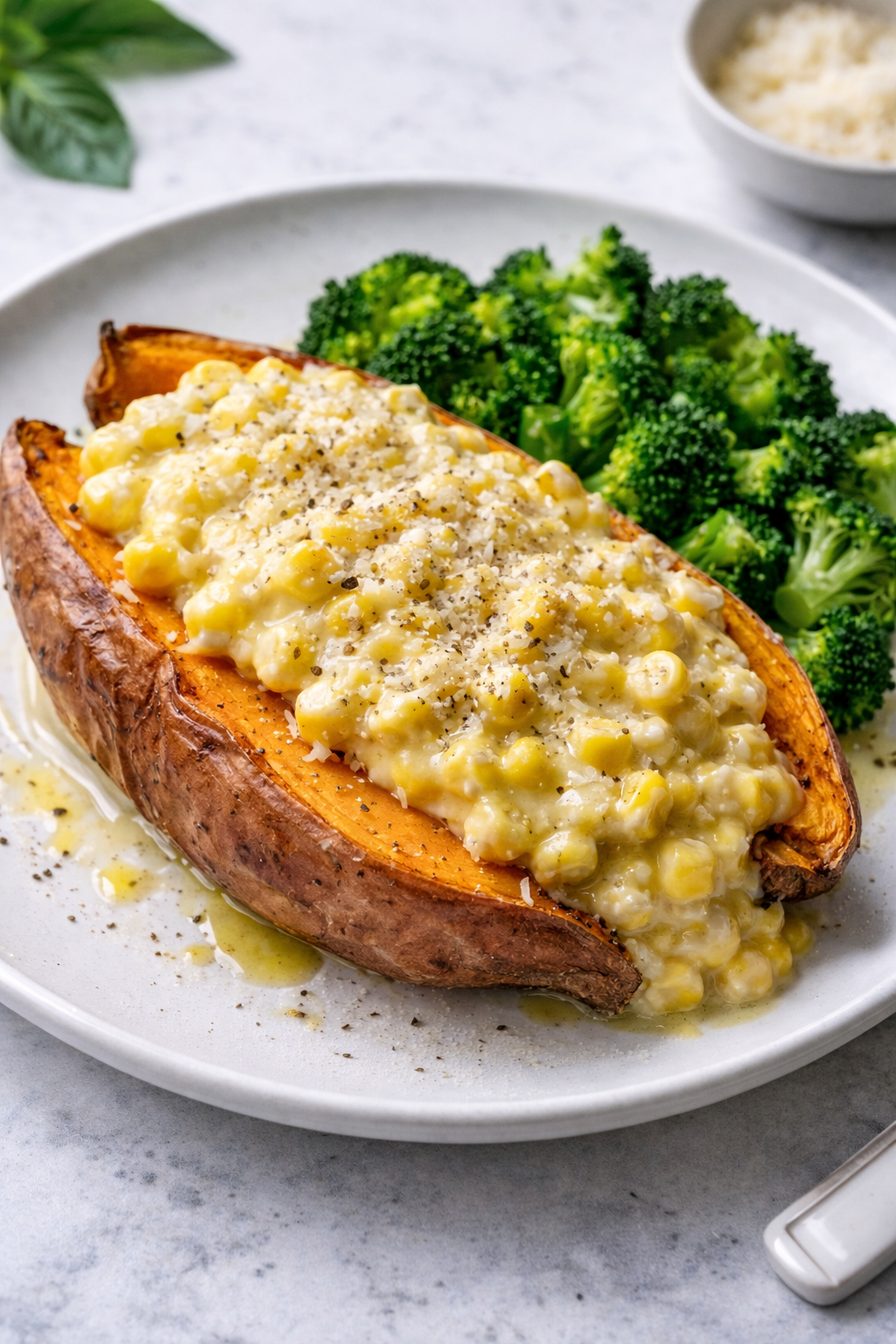
Creamed Corn on Roasted Sweet Potato
Roasted sweet potato with creamed corn and a mixed lipid phase to enhance carotenoid absorption; served with broccoli for fibre and glucosinolates.
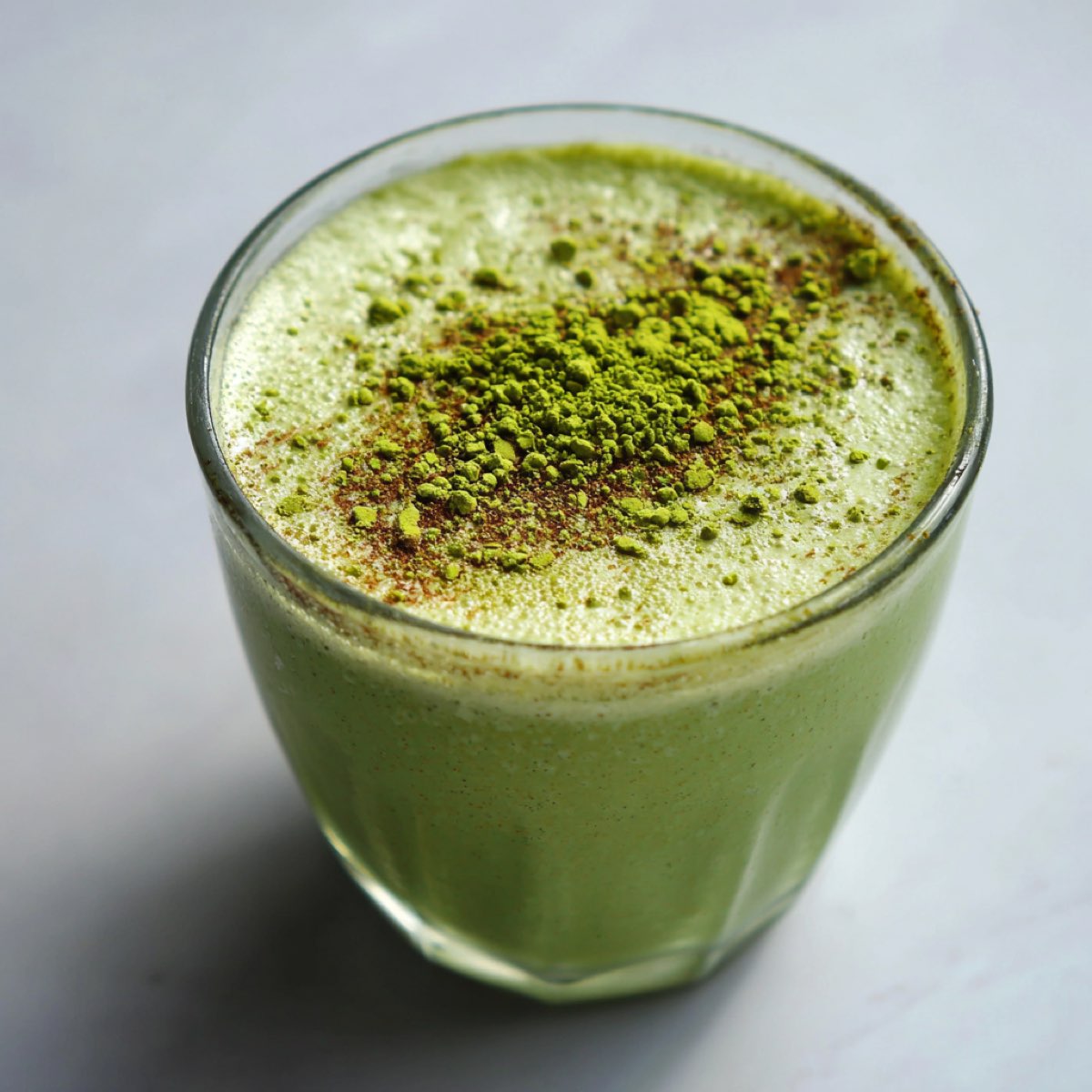
Matcha Mitochondria Smoothie
Mitochondrial energising smoothie rich in polyphenols, magnesium, and antioxidants
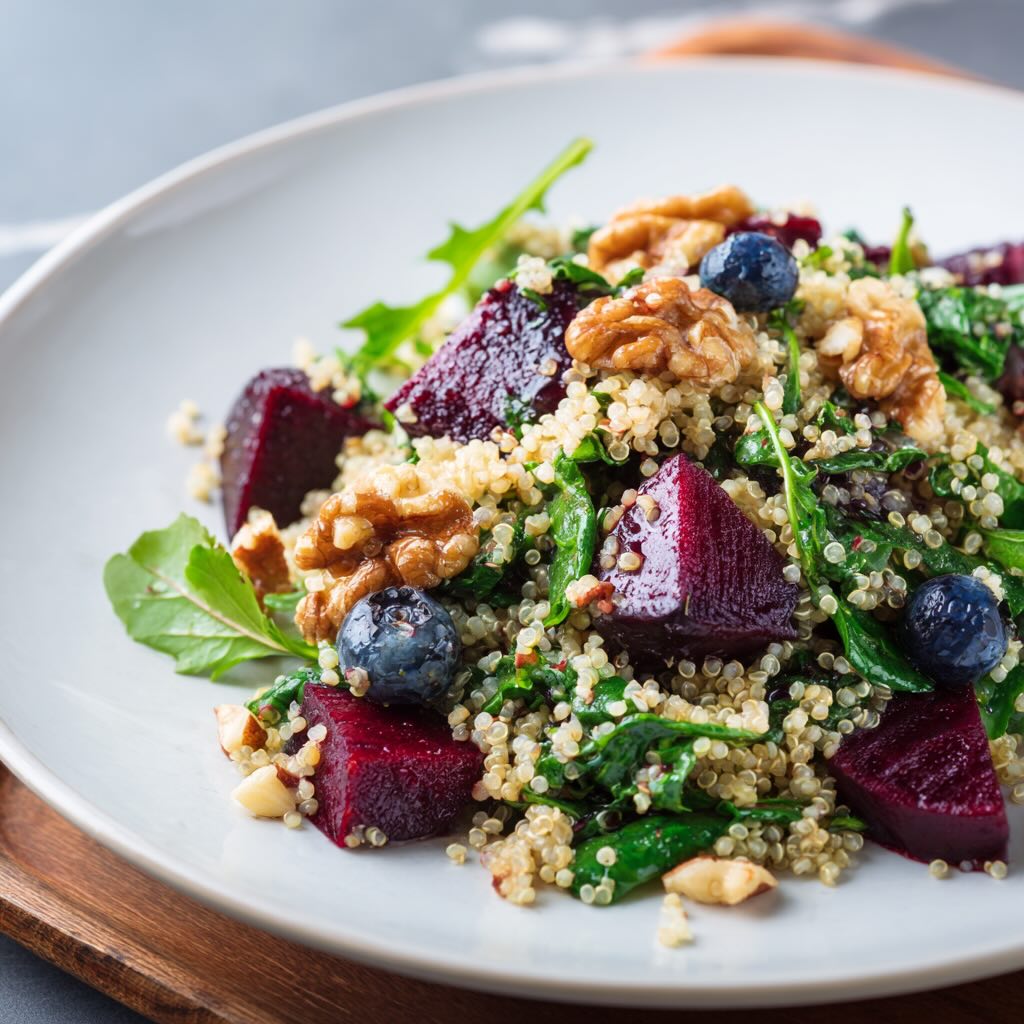
Mitochondrial Power Bowl
A nitrate-rich, polyphenol-dense bowl combining leafy greens, beets, berries, nuts, and early harvest olive oil
Mixed-Leaf Tahini Caesar Salad
A Caesar-style mixed-leaf salad with a tahini, anchovy, caper and Parmesan dressing, using extra virgin olive oil retained from oil-packed capers.
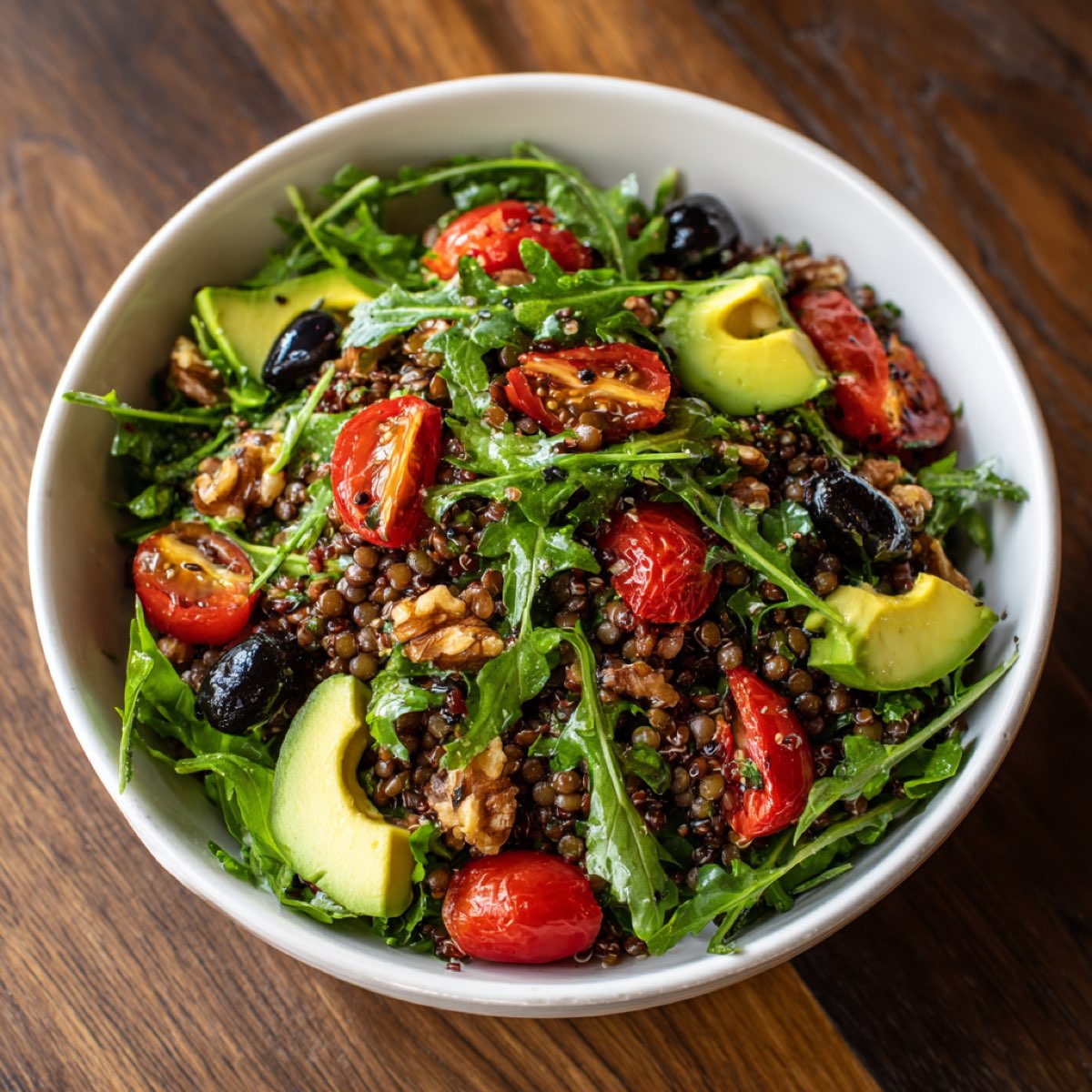
Rocket Lentil Avocado Midday Salad (Gut-Supporting)
Polyphenol-rich midday salad with quinoa or lentils, vegetables, avocado, and early harvest olive oil
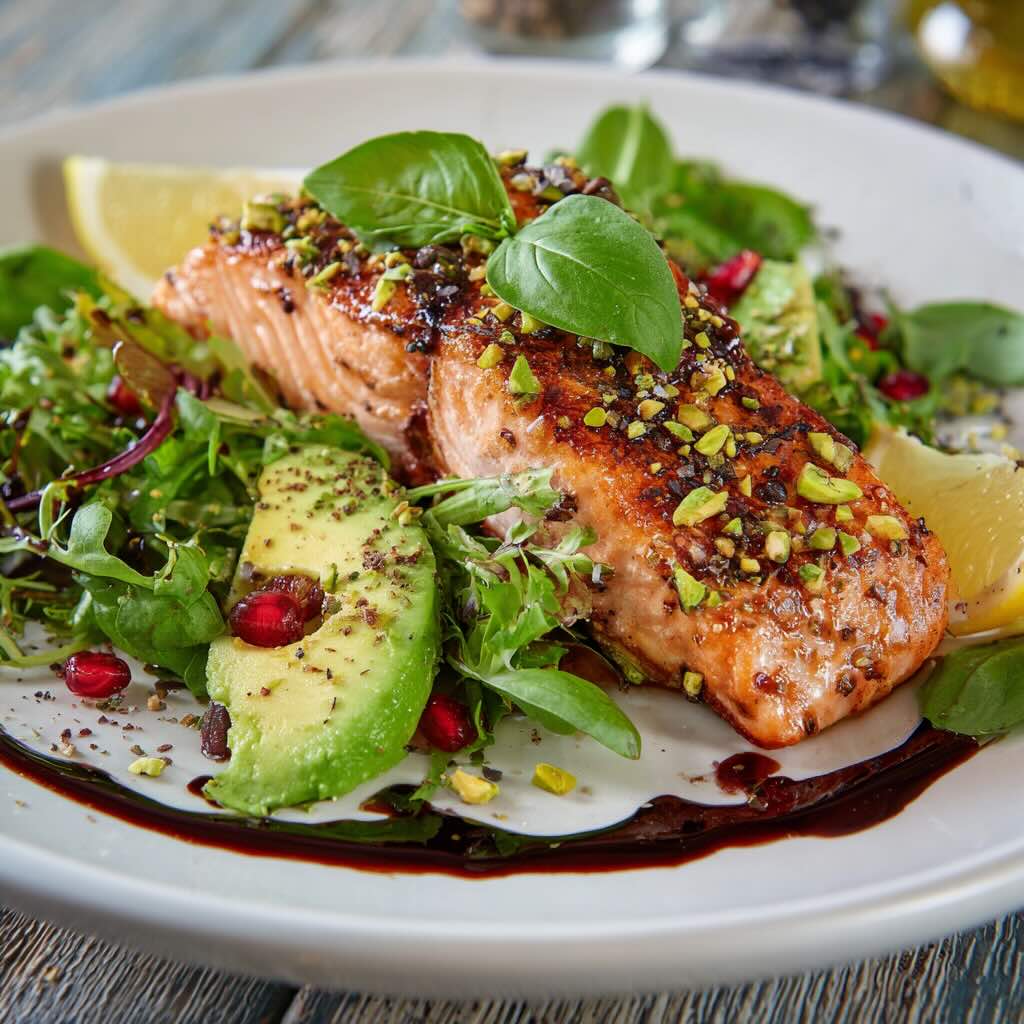
Salmon Bowl-pistachio-cacao-nibs
A Mediterranean-style bowl combining salmon, avocado, pistachios, cacao nibs, and early harvest olive oil — rich in omega-3 fats, polyphenols, and fibre.
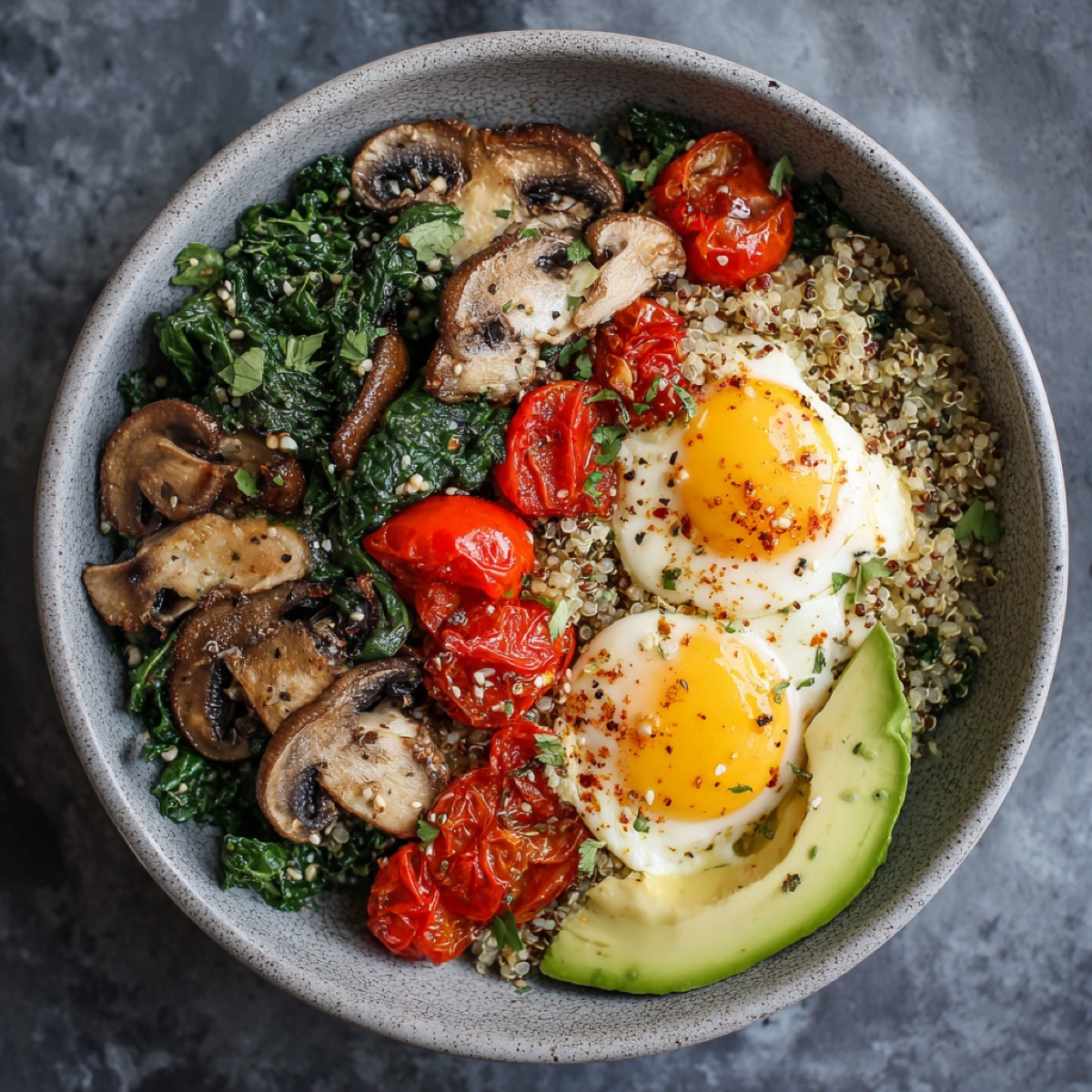
Savoury Greens & Egg Breakfast Skillet
A warm savoury breakfast skillet with eggs, greens, and slow carbohydrates for steady morning energy.
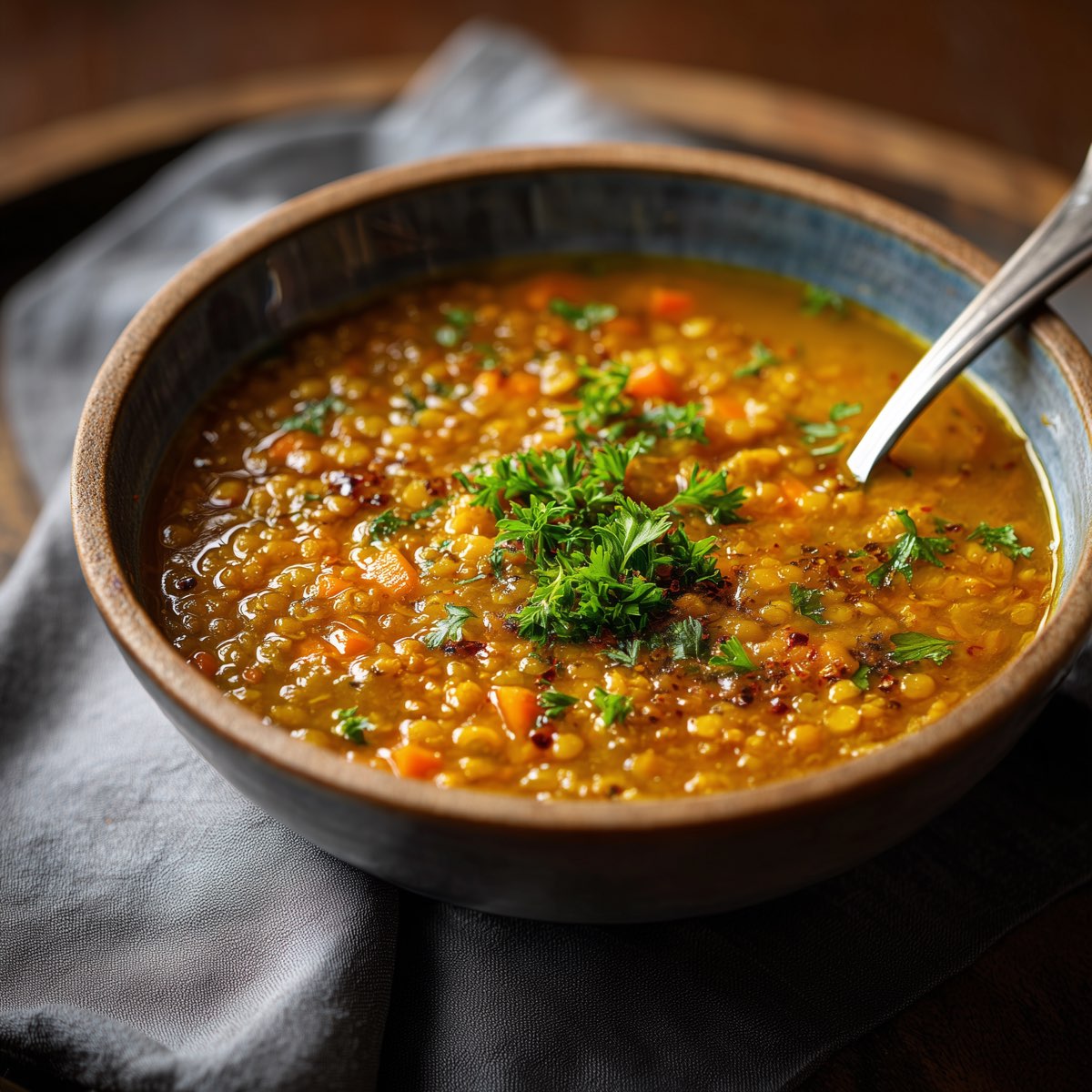
Turmeric Lentil Dahl
Turmeric- and ginger-spiced lentil dish rich in fibre, folate, and polyphenols
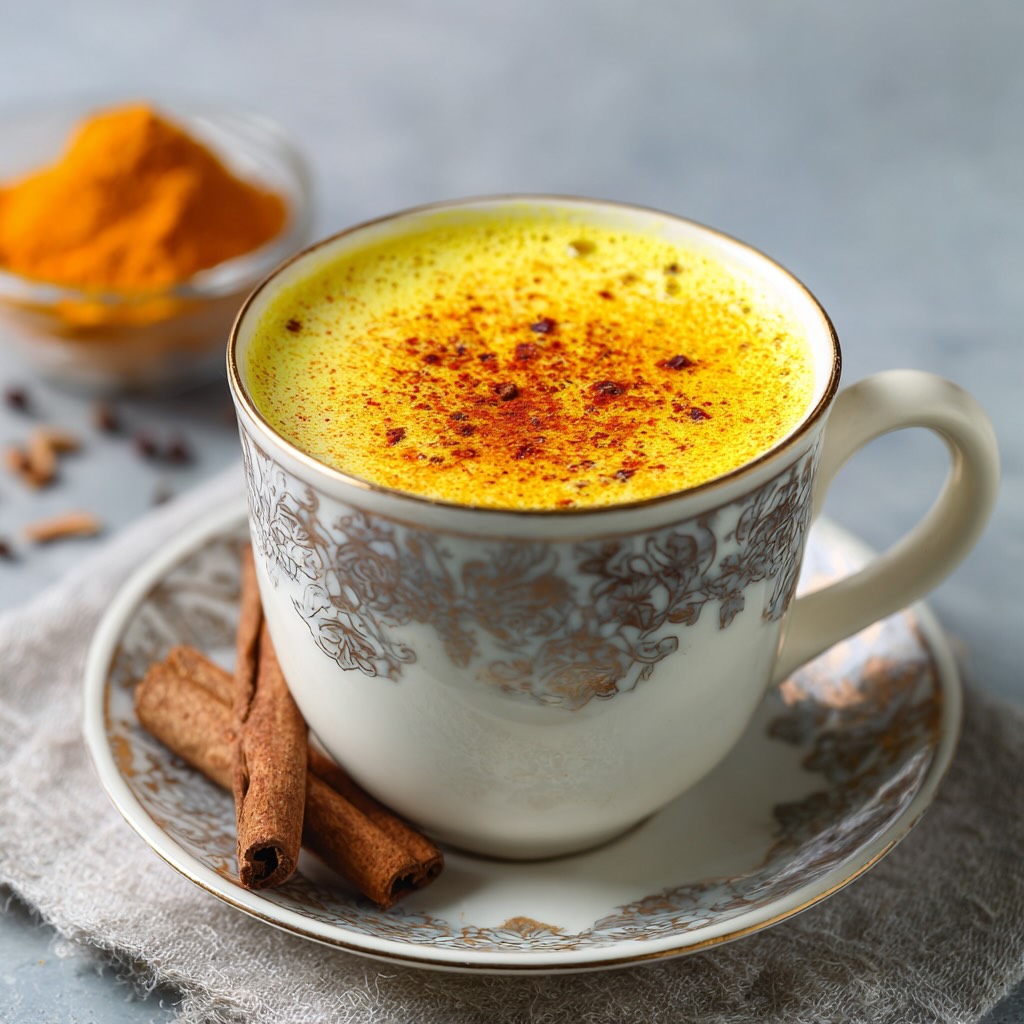
Turmeric Milk
A warming drink combining turmeric (curcumin) with milk/fat for enhanced curcumin absorption
Foods
12 foods containing this substance
Black Beans
Legume with polyphenols and protein; optimal soaking conditions detailed
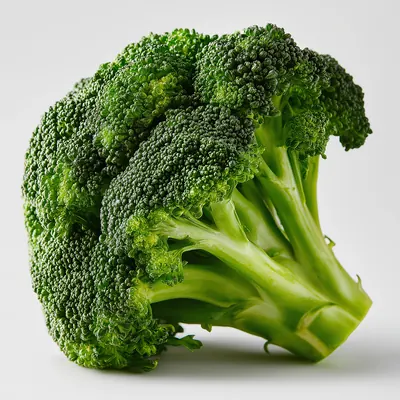
Broccoli
Cruciferous vegetable rich in sulforaphane, folate, and glutathione precursors
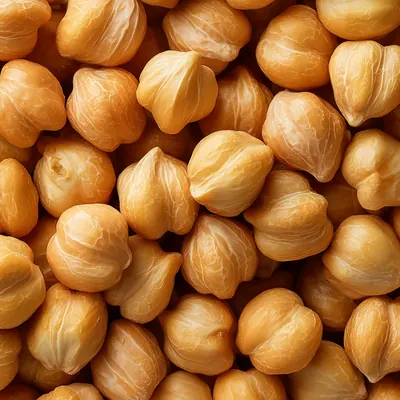
Chickpeas
Legume providing protein, fiber, folate, magnesium, and B6

Kale
Leafy green rich in iron, magnesium, zinc, quercetin, and carotenoids

Milk
Complete protein, nicotinamide riboside, and calcium

Peanuts
Niacin, resveratrol, and plant protein for NAD+ and mitochondrial support

Peas
Plant protein, fiber, and thiamine source

Pork
Thiamine, creatine, and zinc

Quinoa
Pseudograin with magnesium, iron, and balanced plant protein

Rice
Staple grain — variant, milling, pigmentation, cooking/cooling, and fermentation drive fibre, RS, glycaemia, and polyphenols

Spinach
Leafy green rich in iron, magnesium, folate, and carotenoids

Sunflower Seeds
Thiamine source and sunflower lecithin precursor
Biological Mechanisms and Implications
References
- Thiamine is essential for mitochondrial glucose metabolism in the brain leading to ATP production Dhir et al. 2019
- Thiamine does not exist in a large brain "reservoir"; the CNS maintains small, tightly regulated intracellular pools that depend on continuous, transporter-mediated supply, making deficiency states potentially acute
- Therapeutic doses up to 100× higher than RDA have shown benefit in Alzheimer's disease, with larger Phase 2 trials in progress