Almonds
Overview
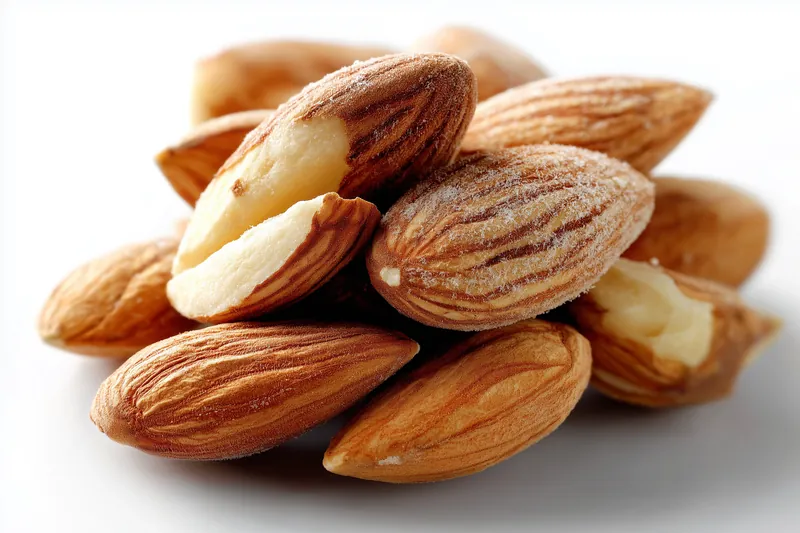
Almonds are a nutrient-dense source of vitamin E, magnesium, fibre, unsaturated fats and plant protein. Human feeding studies suggest that substituting almonds for refined snack foods can improve blood-lipid and post-meal glucose responses while supporting satiety [1–3].
Within a BRAIN-aligned pattern, almonds are a practical whole-food snack or meal component. Their protein is relatively low in lysine, so almonds should contribute to a varied protein pattern rather than be treated as a complete protein source [4].
Key Nutritional Highlights
- Rich in vitamin E, magnesium, fibre and unsaturated fats.
- Substituting almonds for refined snacks may support healthier blood-lipid and post-meal glucose responses [1–3].
- A practical whole-food snack that can support satiety [3].
- Almond protein is relatively low in lysine; include varied protein sources, particularly legumes [4].
Food Context
Synergies
- Pair with legumes for lysine complementarity; grains are typically lysine-limited and are not a lysine rescue for almonds [4].
Preparation
- Prefer plain whole or slivered almonds over heavily salted or sugar-coated products.
- Soaking can remain an optional texture or tolerability preference. Direct almond research does not support soaking as a mineral-bioavailability strategy: phytate changes were small (−12% to +10%) and mineral concentrations often fell, especially in chopped nuts [5]. Soaking also did not improve gastrointestinal tolerance [6].
Essential Amino Acid Profile
Almonds provide plant protein but are not a complete protein; lysine is typically limiting for nuts and seeds.
Protein pairing strategy:
Pair with legumes to improve lysine coverage. Grains are typically lysine-limited as well and should not be treated as the lysine complement to almonds.
Recipes
Nutrient Tables (per 100 g)
Selected food and preparation: Nuts, almonds. per 100 g edible portion.
Core nutrients
| Nutrient | Amount per 100 g | % reference intake per 100 g |
|---|---|---|
| Energy | 579 kcal | — |
| Protein | 21.2 g | — |
| Total fat | 49.9 g | — |
| Saturated fat | 3.8 g | — |
| Carbohydrates | 21.6 g | — |
| Sugars | 4.4 g | — |
| Fibre | 12.5 g | — |
Key vitamins and minerals
Vitamins and minerals supplying at least 10% of an adult reference intake per 100 g, derived from the composition panel.
| Nutrient | Amount per 100 g | % reference intake per 100 g |
|---|---|---|
| Iron | 3.7 mg | 20.6% |
| Zinc | 3.1 mg | 28.4% |
| Magnesium | 270 mg | 64.3% |
| Phosphorus | 481 mg | 68.7% |
| Manganese | 2.2 mg | 94.7% |
| Calcium | 269 mg | 26.9% |
| Potassium | 733 mg | 21.6% |
| Copper | 1 mg | 114.6% |
| Folate | 44 µg | 11% |
| Vitamin B6 | 0.1 mg | 10.5% |
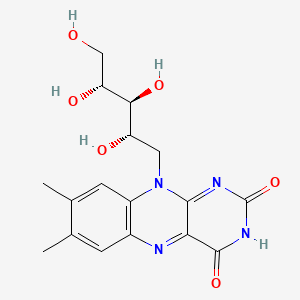
| Vitamin B2 | 1.1 mg | 87.5% |
| Vitamin B1 | 0.2 mg | 17.1% |
| Vitamin B3 | 3.6 mg | 22.6% |
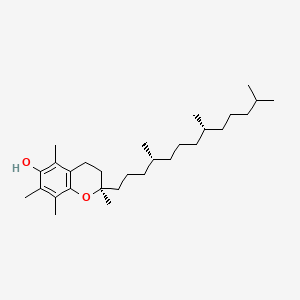
| Vitamin E | 25.6 mg | 170.9% |
Bioactive compounds
Content applies to the food and preparation identified in the source notes.
| Compound / class | Amount per 100 g | Notes |
|---|---|---|
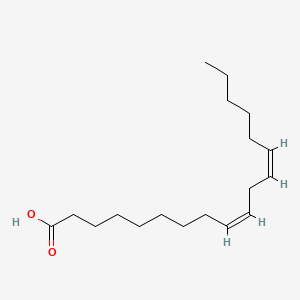
| Linoleic Acid | 12.3 g | — |
Substances
9 substances in this food
Calcium
USDA FoodData Central reports calcium in Nuts, almonds.
Copper
USDA FoodData Central reports copper in Nuts, almonds.
Iron
USDA FoodData Central reports iron in Nuts, almonds.
Linoleic Acid (LA, n-6)
USDA FoodData Central reports linoleic acid in Nuts, almonds.
Magnesium
USDA FoodData Central reports magnesium in Nuts, almonds.
Manganese
USDA FoodData Central reports manganese in Nuts, almonds.
Phosphorus (Phosphate)
USDA FoodData Central reports phosphorus in Nuts, almonds.
Vitamin B2 (Riboflavin)
USDA FoodData Central reports vitamin B2 in Nuts, almonds.
Vitamin E (Tocopherols/Tocotrienols)
USDA FoodData Central reports vitamin E in Nuts, almonds.
References
[1] Jung et al. (2018). The effect of almonds on vitamin E status and cardiovascular risk factors in Korean adults: a randomized clinical trial. Randomized trial in overweight/obese Korean adults: 56 g almonds/day increased plasma α-tocopherol and lowered total, LDL and non-HDL cholesterol versus an isocaloric cookie.
[2] Berryman et al. (2015). Effects of Daily Almond Consumption on Cardiometabolic Risk and Abdominal Adiposity in Healthy Adults With Elevated LDL-Cholesterol: A Randomized Controlled Trial. Controlled-feeding crossover in adults with elevated LDL-C: 1.5 oz almonds/day substituted for an isocaloric muffin lowered LDL-C, non-HDL-C and abdominal fat.
[3] Tan & Mattes (2013). Appetitive, dietary and health effects of almonds consumed with meals or as snacks: a randomized, controlled trial. Randomized trial: 43 g almonds/day with meals or as snacks lowered post-meal glucose; snack intake reduced hunger, and body weight did not increase over four weeks.
[4] Mariotti & Gardner (2019). Dietary Protein and Amino Acids in Vegetarian Diets—A Review. Review of vegetarian protein and amino acids: nut and seed proteins are typically lysine-limited, as are cereal proteins; legumes are the lysine-rich plant complement.
[5] Kumari et al. (2020). Does ‘activating’ nuts affect nutrient bioavailability?. Soaking whole and chopped almonds changed phytate by only −12% to +10%, lowered mineral concentrations especially in chopped nuts, and did not improve phytate:mineral molar ratios.
[6] Taylor et al. (2018). The effects of ‘activating’ almonds on consumer acceptance and gastrointestinal tolerance. 30 g/day soaked almonds did not improve gastrointestinal tolerance or acceptance; whole soaked almonds had higher phytate than unsoaked (563 vs 531 mg/100 g).