Mackerel

Overview
Mackerel is an oily fish providing complete high-quality protein together with very high levels of long-chain omega-3 fatty acids EPA and DHA, as well as vitamin B12, selenium, and other trace minerals. These intrinsic compounds support neuronal membrane phospholipid composition, mitochondrial oxidative phosphorylation, and antioxidant enzyme systems [1]. Among commonly eaten fish, mackerel is one of the richer sources of EPA and DHA per 100 g, making small portions nutritionally dense for marine omega-3 intake [1].
Within the BRAIN Diet framework, mackerel functions as a high-omega-3 oily fish that can be rotated with salmon, sardines, and herring rather than used as the sole source. Its protein is highly digestible, and DIAAS data for similar oily fish indicate excellent indispensable amino acid coverage
Key Nutritional Highlights
- Provides complete, highly digestible protein.
- Commonly contributes selenium, iodine, and vitamin B12, though levels vary by species.
- EPA/DHA content is highly species-dependent; oily fish are usually higher than lean fish or shellfish.
- Often lower in saturated fat than many fatty red-meat patterns when minimally processed.
- Nutritional profile and risk context depend on processing method (fresh vs salted/smoked/cured).
Food Context
Sourcing
- Choose mackerel from well-managed fisheries that monitor stock status and contaminant levels; smaller pelagic species such as mackerel typically accumulate less mercury than large predatory fish.
- Where possible, prefer products with transparent sustainability certification or independent fishery assessments to support long-term availability and ecosystem health.
Preparation
- Prefer gentle or moist-heat cooking methods (baking, steaming, stewing) to help preserve EPA/DHA and reduce lipid oxidation compared with intense high-temperature pan-frying or grilling.
- Use mackerel in modest portions within meals that also contain vegetables and whole grains, so the oily fish contributes marine omega-3s and B12 without dominating total energy or saturated fat intake.
Essential Amino Acid Profile
This food provides a complete essential amino acid profile typical of animal proteins, with high digestibility and bioavailability.
Recipes
Nutrient Tables (per 100 g)
Selected food and preparation: Fish, mackerel, Atlantic, raw. per 100 g edible portion.
Core nutrients
| Nutrient | Amount per 100 g | % reference intake per 100 g |
|---|---|---|
| Energy | 205 kcal | — |
| Protein | 18.6 g | — |
| Total fat | 13.9 g | — |
| Saturated fat | 3.3 g | — |
Key vitamins and minerals
Vitamins and minerals supplying at least 10% of an adult reference intake per 100 g, derived from the composition panel.
| Nutrient | Amount per 100 g | % reference intake per 100 g |
|---|---|---|
| Magnesium | 76 mg | 18.1% |
| Phosphorus | 217 mg | 31% |
| Selenium | 44.1 µg | 80.2% |
| Choline | 65 mg | 11.8% |
| Vitamin B12 | 8.7 µg | 362.9% |
| Vitamin B6 | 0.4 mg | 30.7% |
| Vitamin B2 | 0.3 mg | 24% |
| Vitamin B1 | 0.2 mg | 14.7% |
| Vitamin B3 | 9.1 mg | 56.8% |
| Vitamin B5 | 0.9 mg | 17.1% |
| Vitamin D | 16.1 µg | 107.3% |
| Vitamin E | 1.5 mg | 10.1% |
Bioactive compounds
Content applies to the food and preparation identified in the source notes.
| Compound / class | Amount per 100 g | Notes |
|---|---|---|
| EPA | 898 mg | — |
| DHA | 1401 mg | — |
Substances
6 substances in this food
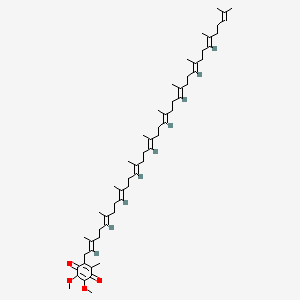
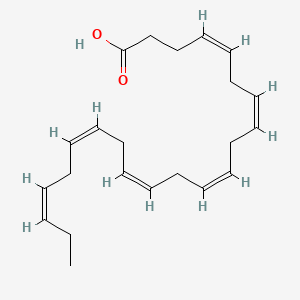
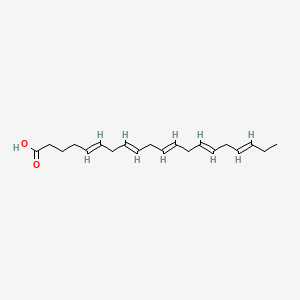
EPA (Eicosapentaenoic Acid)
USDA FoodData Central reports EPA in Fish, mackerel, Atlantic, raw.
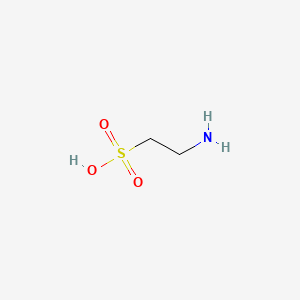
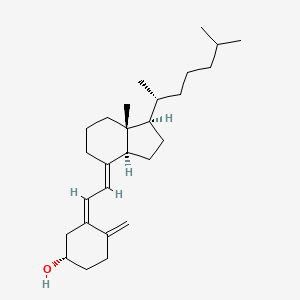

Omega-3 Fatty Acids
USDA FoodData Central reports EPA, DHA, total omega-3 in Fish, mackerel, Atlantic, raw. This class link does not treat a combined total as EPA, DHA or ALA.
References
[1] These intrinsic compounds support neuronal membrane phospholipid composition, mitochondrial oxidative phosphorylation, and antioxidant enzyme systems. McNamara & Carlson 2006. Omega-3 fatty acids in brain development, function, and psychopathology
[2] Its protein is highly digestible, and DIAAS data for similar oily fish indicate excellent indispensable amino acid coverage. FAO 2013. Dietary protein quality evaluation in human nutrition (DIAAS report)
[3] Pravst, Zmitek and Zmitek (2010), Coenzyme Q10 Contents in Foods and Fortification Strategies
[4] Extractive Nitrogenous Constituents from the Dark Muscle of Fish (1985)