Choline
Overview
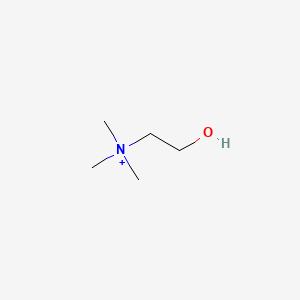
Choline is an essential nutrient. The liver does not synthesise enough to meet requirements, so intake depends on food and, when diet falls short, supplements [1]. Eggs, meat and milk dominate surveyed intakes; some plants such as broccoli contribute smaller amounts [1]. This page treats dietary choline as a food constituent — not as a proxy for lecithin trials, phosphatidylcholine–DHA transport studies, or cholinergic-receptor work.
Derbyshire (2019) places choline in neurotransmitter synthesis, membrane phospholipids, methylation via glycine betaine, liver function and homocysteine regulation. IOM and EFSA have set adequate intakes; most surveyed European, US, Canadian and Australian populations fall below them, and UK databases still omit choline [1]. Derbyshire and Maes (2023) report low or altered choline status in pregnancy and in some people with autism spectrum conditions, ADHD or dyslexia — a possible modifiable risk factor, not a treatment trial [2]. EFSA authorised lipid, liver and homocysteine claims in 2011; neurological-function evidence was not judged sufficient then [1].
Key Compound Highlights
- Essential: endogenous synthesis does not meet human requirements [1].
- Oxidised choline (glycine betaine) contributes to S-adenosylmethionine for DNA and histone methylation [1].
- Eggs, meat and milk are the main dietary providers; further restriction of those foods can lower intake [1].
- Most surveyed European, American, Canadian and Australian populations miss adequate-intake thresholds; UK composition databases and guidelines still omit choline [1].
- Neurodevelopmental narrative: low or altered status reported in pregnancy and in some people with ASC, ADHD or dyslexia — not an ADHD treatment trial [2].
- EFSA 2011 authorised claims for lipid metabolism, liver function and homocysteine reduction; neurological-function evidence was not judged sufficient [1].
Dietary Context
Food sources
Animal foods contain more choline per unit weight than plant sources. Beef, eggs, fish, chicken, nuts, milk and some plants such as broccoli contribute; eggs, dairy and meat dominate in the intake surveys summarised by Derbyshire [1]. Egg consumers in US NHANES data had almost twice the usual choline intake of non-consumers [1].
Synergies
One-carbon metabolism is shared with folate and related B vitamins; UK survey practice still reports those B vitamins and not choline [1]. Oestrogen status and PEMT genotype can raise choline requirements above the general adequate intake [1]. Phosphatidylcholine–DHA transport across the blood–brain barrier is a separate phosphatidylcholine story and is not attributed here.
Supplement versus food
US survey analyses found that meeting the adequate intake was difficult without eggs or a supplement [1]. If food does not supply enough, Derbyshire flags supplementation especially in pregnancy and lactation [1]. Lecithin is a concentrated phosphatidylcholine source, not equivalent to the egg or meat matrix. Food-page choline listings are compositional.
Recipes
8 recipes containing this substance
Black Bean & Sweet Potato Vegetable Chilli
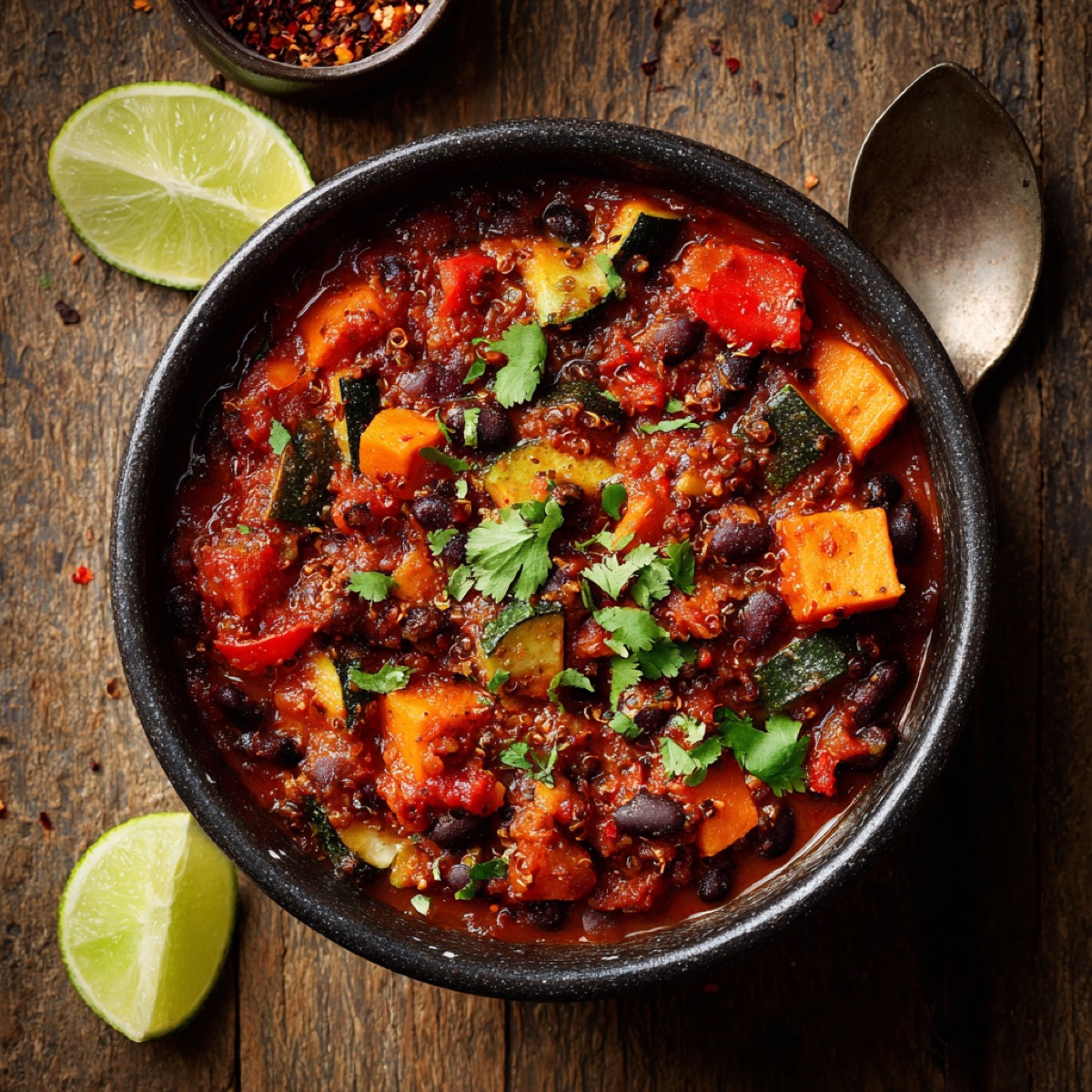
A fibre-rich bean and vegetable chilli with warming spices and slow carbohydrates for steady energy and satiety.
Broccoli, Potato and Onion Soup
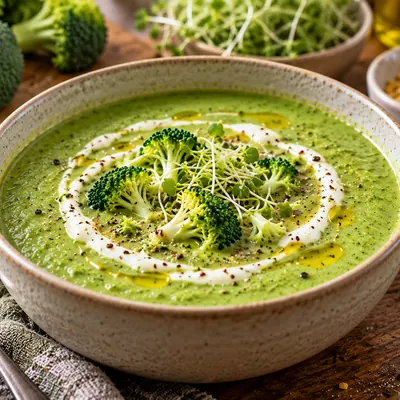
A smooth broccoli, potato and onion soup for 4, with the broccoli blended and rested before a short simmer.
Creamed Corn on Roasted Sweet Potato
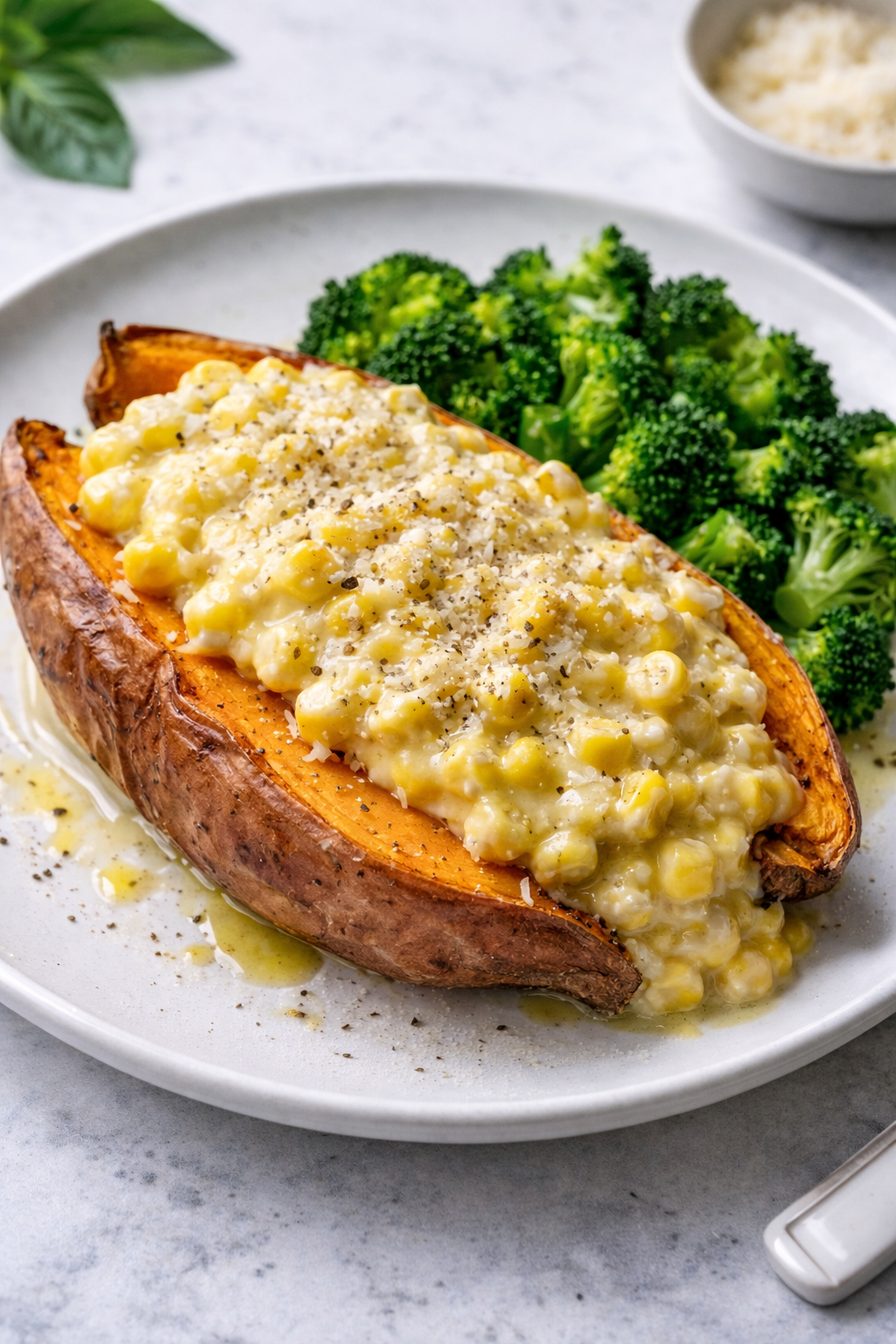
Roasted sweet potato with creamed corn and a mixed lipid phase to enhance carotenoid absorption; served with broccoli for fibre and glucosinolates.
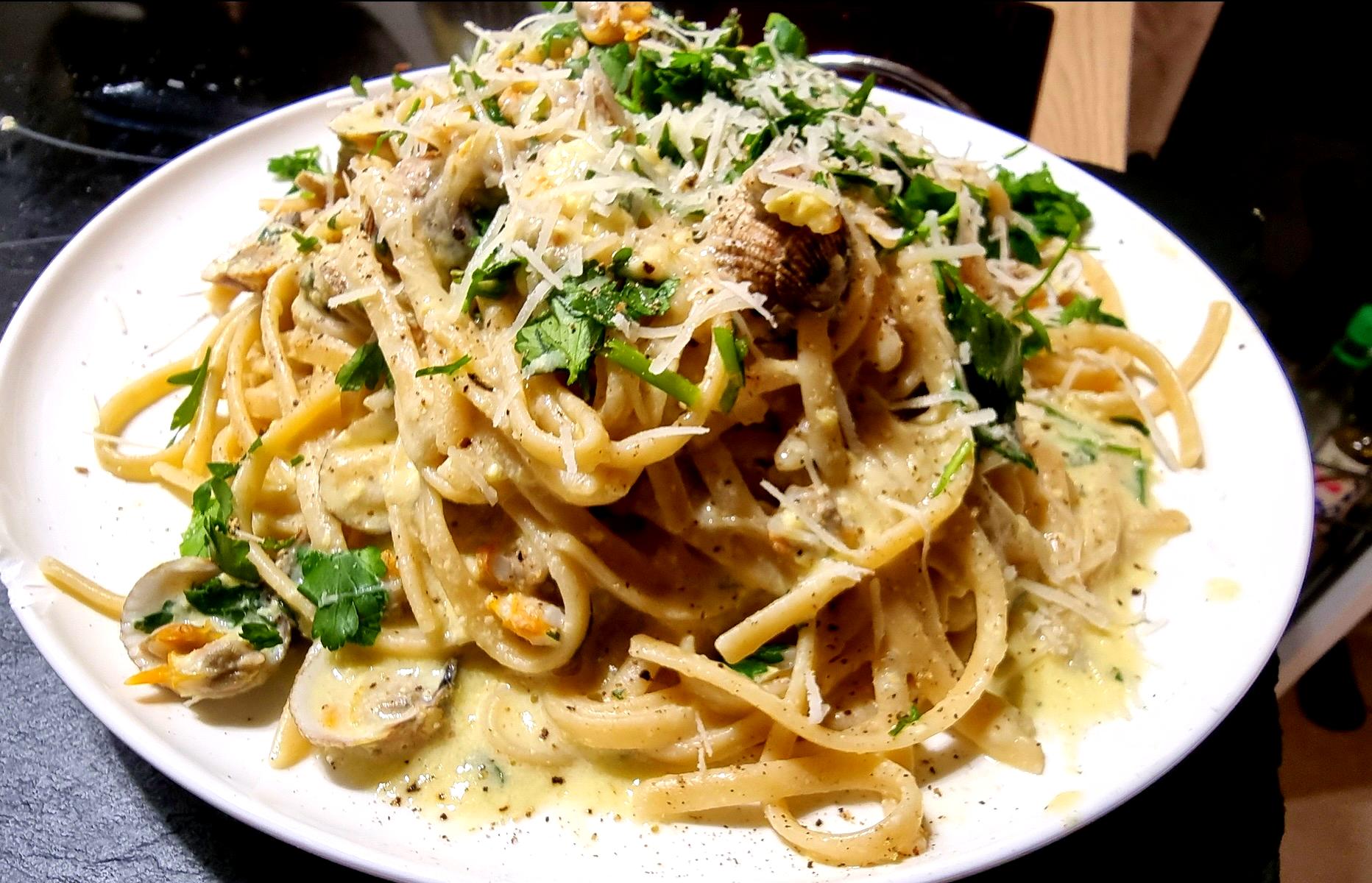
Linguine alle vongole mantecate (Linguine with cockles in a silky emulsified sauce)
Whole-wheat linguine with cockles in a silky emulsified sauce; Italian emulsification technique without cream, supporting taurine, B12, and choline intake.
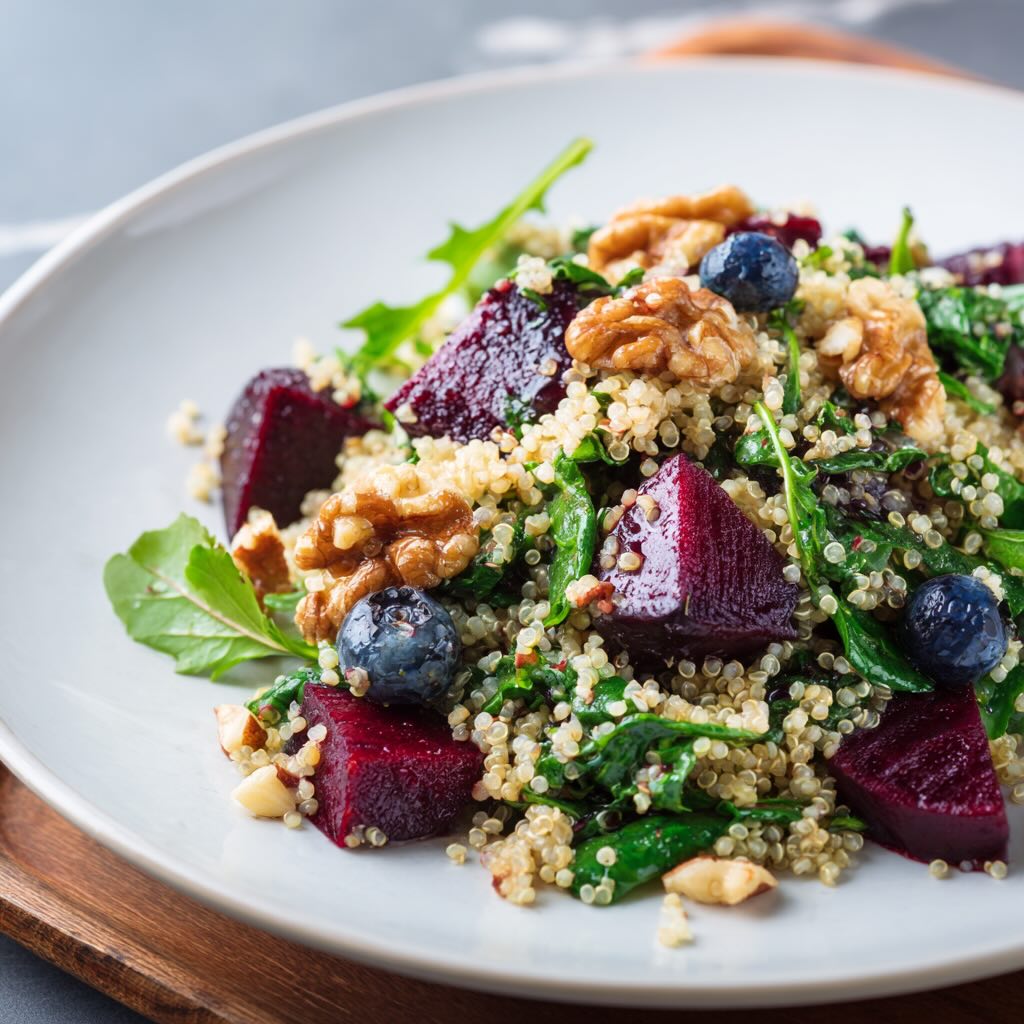
Mitochondrial Power Bowl
A nitrate-rich, polyphenol-dense bowl combining leafy greens, beets, berries, nuts, and early harvest olive oil
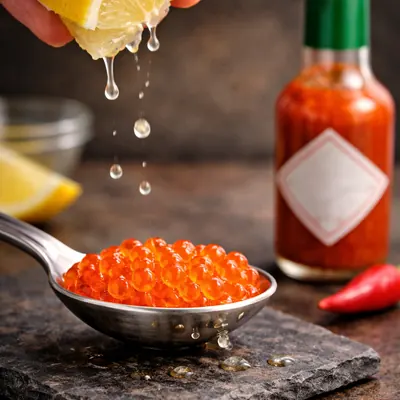
Neuroeshot (Roe, Lemon, Hot Sauce)
A small savory shot of roe, lemon juice, and fermented hot sauce for concentrated omega-3s and choline.
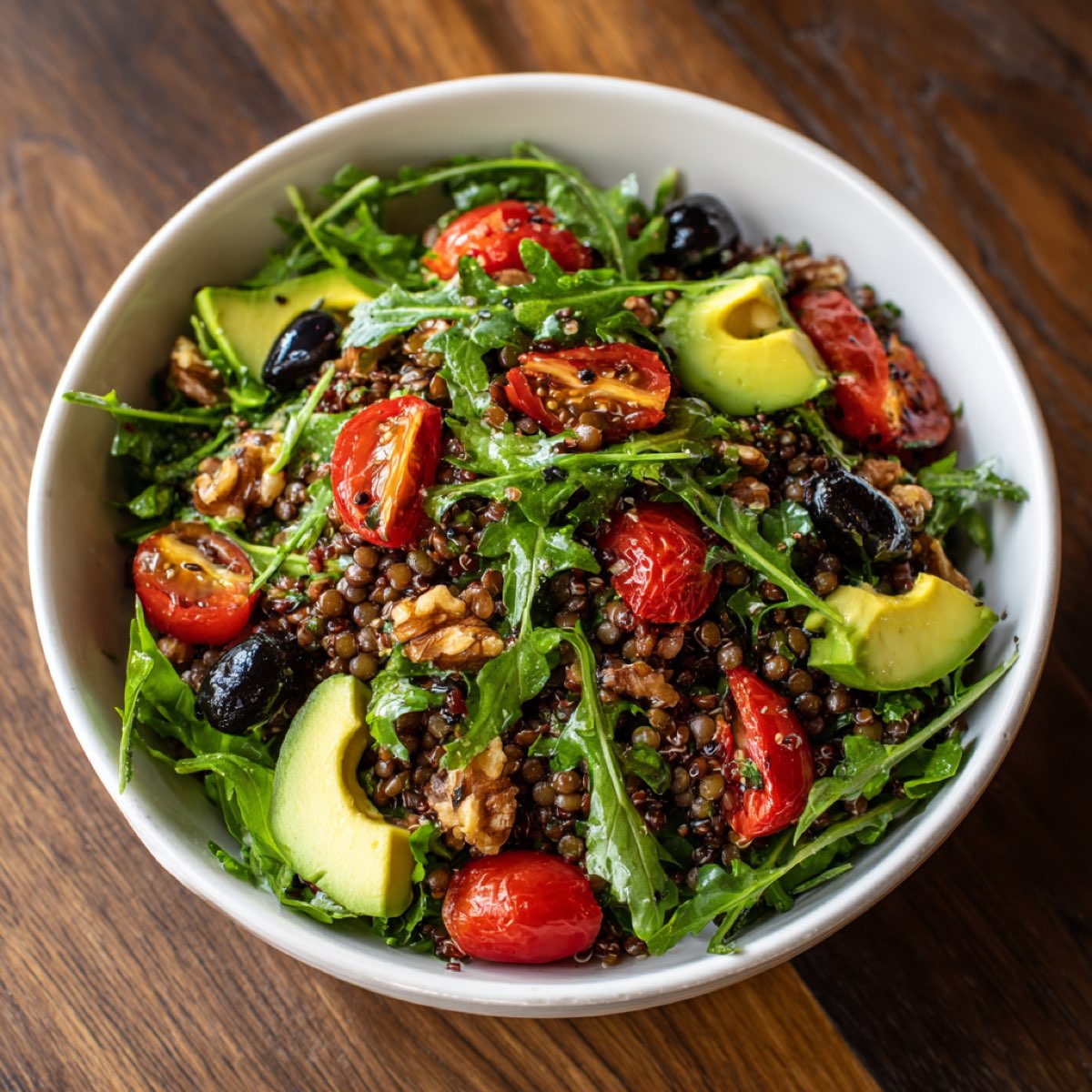
Rocket Lentil Avocado Midday Salad (Gut-Supporting)
Polyphenol-rich midday salad with quinoa or lentils, vegetables, avocado, and early harvest olive oil
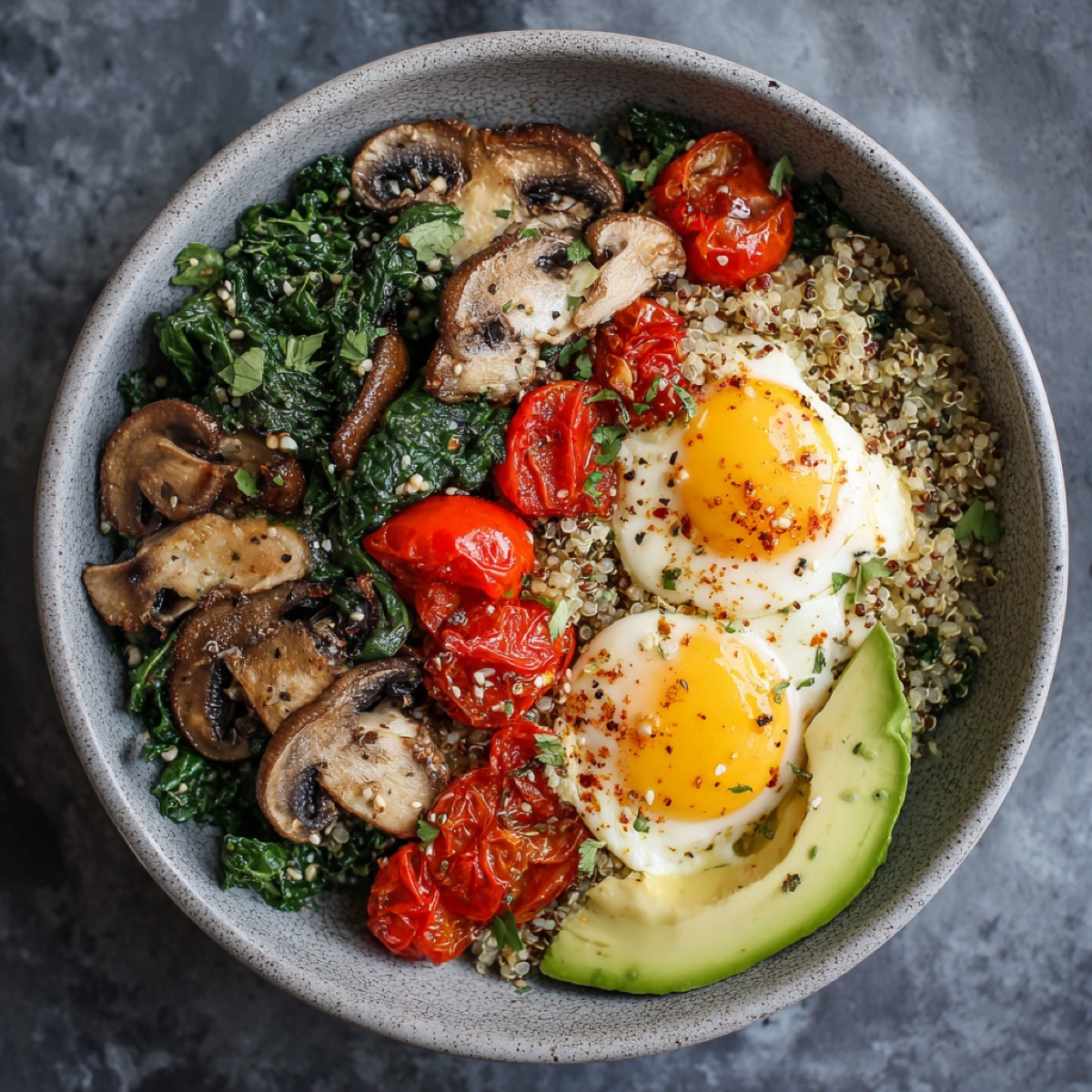
Savoury Greens & Egg Breakfast Skillet
A warm savoury breakfast skillet with eggs, greens, and slow carbohydrates for steady morning energy.
Foods
13 foods
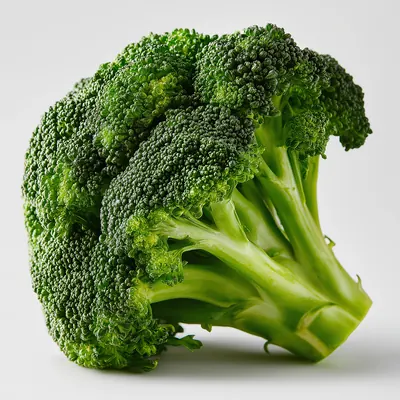
Broccoli
Cruciferous vegetable rich in sulforaphane, folate, and glutathione precursors

Egg Yolks
Nutrient-dense part of eggs with choline, lutein, and fat-soluble vitamins
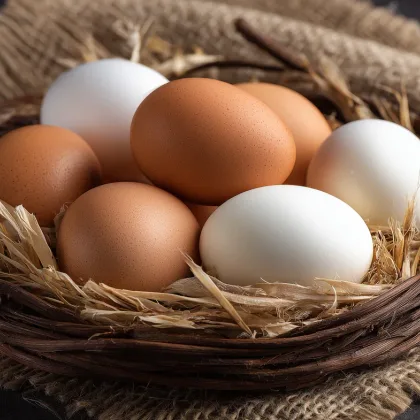
Eggs
Complete protein with choline, B vitamins, and phospholipids

Liver
Nutrient-dense organ meat with bioavailable B12, retinol, iron, and CoQ10

Quinoa
Pseudograin with magnesium, iron, and balanced plant protein
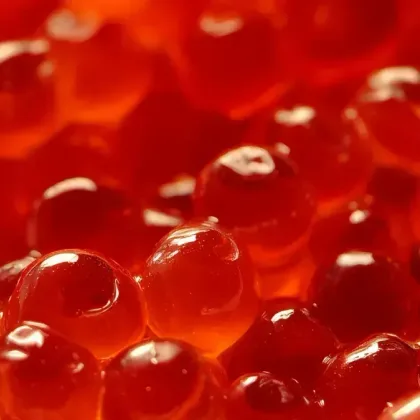
Salmon Roe
Premium salmon (ikura) eggs — phospholipid-bound EPA/DHA and choline
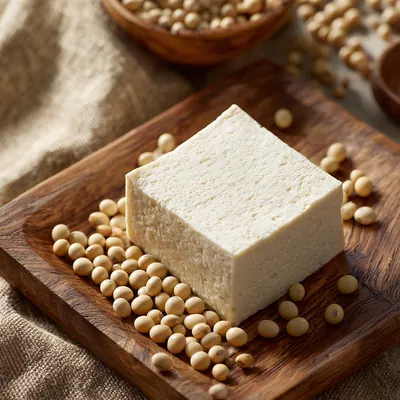
Soy
Complete plant protein with isoflavones (genistein) and choline

Soy Lecithin
Concentrated choline source for phosphatidylcholine synthesis

Sunflower Lecithin
Choline source alternative to soy lecithin

Tempeh
Fermented soy providing probiotics and enhanced nutrient bioavailability

Tofu
Soy-based protein source with isoflavones and choline
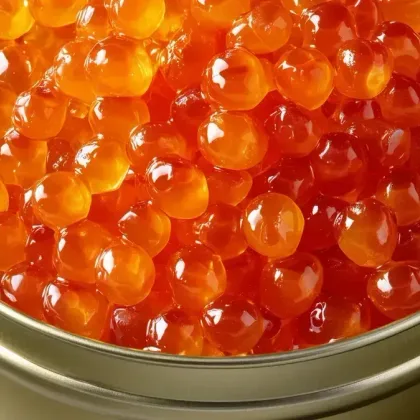
Trout Roe
Rainbow trout eggs — phospholipid omega-3s; typically mid-tier vs salmon ikura

Wheat Germ
The wheat-kernel embryo, used as a concentrated grain ingredient; contains spermidine.
References
[1] BMJ Nutrition, Prevention & Health: choline is essential (hepatic synthesis does not meet requirements); glycine betaine contributes to S-adenosylmethionine; IOM and EFSA adequate intakes exist; UK databases, surveys and guidelines still omit choline; most surveyed European, US, Canadian and Australian populations fall below AI; eggs, milk and meat are major sources. Derbyshire 2019. Could we be overlooking a potential choline crisis in the United Kingdom?
[2] Narrative review: low choline intakes and reduced or altered choline status reported in pregnancy and in some people with autism spectrum conditions, ADHD or dyslexia; choline may be a modifiable risk factor; not a randomised treatment trial. Derbyshire and Maes 2023. The Role of Choline in Neurodevelopmental Disorders—A Narrative Review Focusing on ASC, ADHD and Dyslexia
BRS matrix — individual KC inputs
| BRS / PM | Relationship | Biological role and limitation |
|---|---|---|
| BRS1 · BRS1-FM1-PM3 BRS2(KC1) | Supported upstream supply | Choline can be oxidised to betaine for BRS2 PM2 — BHMT remethylation, predominantly in liver and kidney, replenishing methionine upstream of BRS2 PM3 — SAM synthesis. SAM is used by COMT during dopamine metabolism. Limitation: Only choline-to-betaine methyl supply is admitted, not membrane or acetylcholine roles. Oxidation, peripheral BHMT, alternative methionine supply and local neural SAM turnover limit interpretation. Neural delivery, increased clearance, a limiting constraint and extra-intake benefit are not measured. Obeid (2013) [25] Salvi and Gadda (2013) [28] Bailey et al. (2021) [26] Lotta et al. (1995) [29] |
| BRS1 · BRS1-FM1-PM4 BRS2(KC1) | Supported upstream supply | Choline can be oxidised to betaine for BRS2 PM2 — BHMT remethylation, predominantly in liver and kidney, replenishing methionine upstream of BRS2 PM3 — SAM synthesis. SAM is used by COMT during noradrenaline metabolism. Limitation: Only choline-to-betaine methyl supply is admitted, not membrane or acetylcholine roles. Oxidation, peripheral BHMT, alternative methionine supply and local neural SAM turnover limit interpretation. Neural delivery, increased clearance, a limiting constraint and extra-intake benefit are not measured. Obeid (2013) [20] Salvi and Gadda (2013) [23] Bailey et al. (2021) [21] Lotta et al. (1995) [24] |
| BRS1 · BRS1-FM3-PM7 BRS2(KC1) | Supported upstream supply | Choline can contribute methyl groups through the upstream methionine/SAM route to BRS2 PM7 — PEMT-dependent phosphatidylcholine formation. Methyl-derived LPC-DHA is a carrier used by MFSD2A for brain DHA delivery. Limitation: Human plasma isotopic enrichment is not absolute hepatic flux, net carrier supply or adult neuronal DHA incorporation. Higher choline intake did not increase total plasma LPC-DHA in the feeding study. The carrier-to-brain connection uses separate cell/mouse transport evidence. Donor inadequacy as a limiting constraint, compensation and benefit from extra intake remain unresolved. Klatt et al. (2019) [11] Nguyen et al. (2014) [12] |
| BRS2 · BRS2-FM1-PM2 BRS2(KC1) | Conditional constraint | Dietary precursor that can be oxidised to betaine, the methyl-donor substrate for BHMT Limitation: Choline oxidation can supply betaine, but increasing choline intake has not been shown to increase tissue BHMT flux. Human evidence is an eight-man depletion pilot, with the challenge response in four clinically depleted participants; tissue BHMT flux was not measured. Rat donor rescue and specific inhibition support the chain. This does not establish ordinary-diet limitation, response in every tissue or benefit above adequacy. Folate’s indirect constraint on BHMT remains unresolved. Obeid (2013) [3] Salvi and Gadda (2013) [4] Evans et al. (2002) [1] |
| BRS2 · BRS2-FM1-PM3 BRS2(KC1) | Supported upstream supply | Choline can be oxidised to betaine, supplying methyl groups through PM2 — Betaine/BHMT remethylation for methionine regeneration upstream of PM3. Limitation: Only the choline-to-betaine methyl-supply route is admitted here, not choline membrane or neurotransmitter roles. Oxidation, predominantly hepatic/renal BHMT activity and alternative supply constrain interpretation. Increased MAT flux, increased SAMe availability or benefit from additional choline in replete individuals is not established. Obeid (2013) [8] Salvi and Gadda (2013) [10] |
| BRS2 · BRS2-FM1-PM4 BRS2(KC1) | Supported upstream supply | Choline can be oxidised to betaine, supplying methyl groups through PM2 — Betaine/BHMT remethylation for methionine regeneration within the integrated methionine cycle. Limitation: Only the choline-to-betaine methyl-supply route is admitted here, not choline membrane or neurotransmitter roles. Oxidation, predominantly hepatic/renal BHMT activity and alternative supply constrain interpretation. Increased integrated cycle flux or improved branch balance or benefit from additional choline in replete individuals is not established. Obeid (2013) [17] Salvi and Gadda (2013) [19] |