Mitochondrial Power Bowl
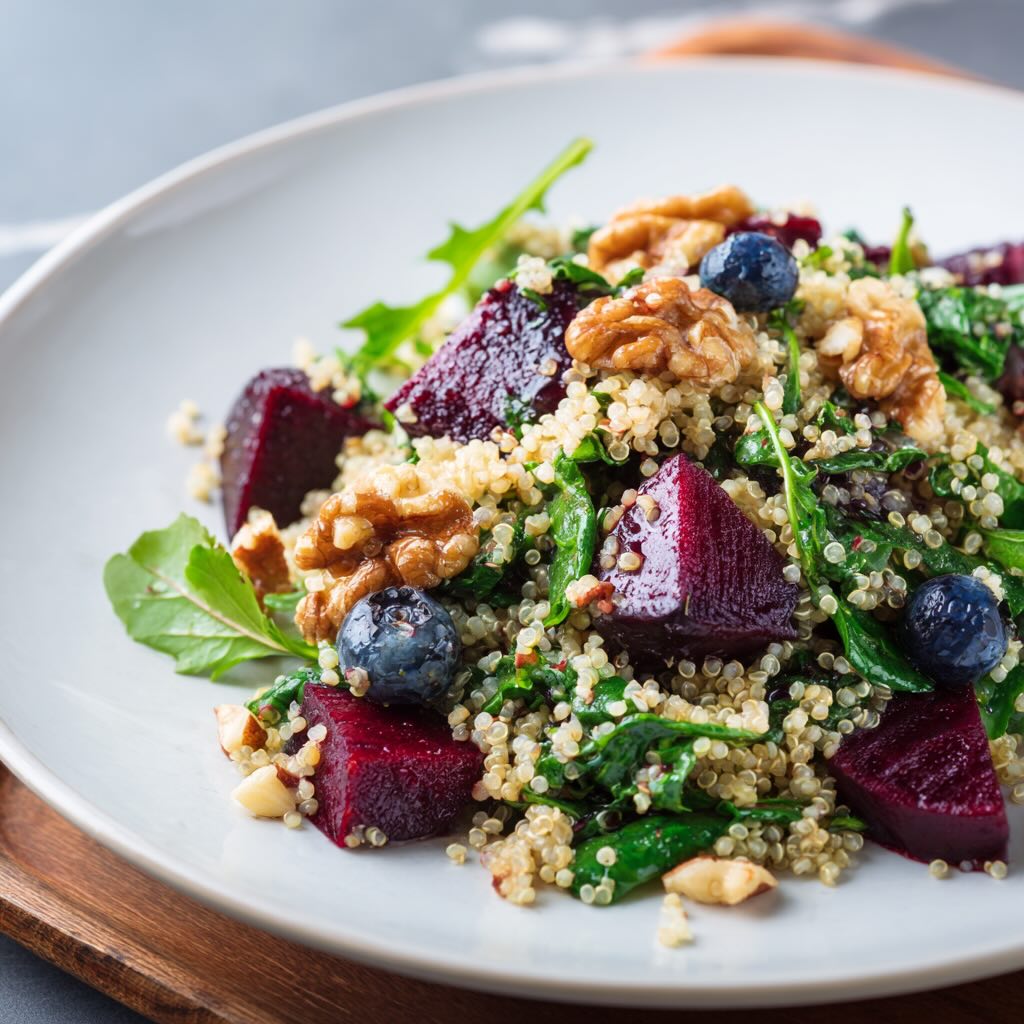
Overview
A vibrant, nutrient-dense bowl combining nitrate-rich leafy greens and beets with polyphenol-packed berries, nuts, and seeds. This Mediterranean-inspired meal provides magnesium, B vitamins, polyphenols, and fibre — nutrients studied for their roles in energy metabolism and antioxidant defence.
Ingredients
- 1 cup cooked quinoa (cooled)
- 2 cups mixed leafy greens (spinach, arugula, or rocket)
- ½ cup roasted beets, diced
- ¼ cup walnuts, roughly chopped
- 2 tbsp (30 ml) pumpkin seeds
- ½ cup fresh blueberries
- 2 tbsp (30 ml) fresh parsley, chopped
- 2 tbsp (30 ml) early harvest olive oil
- 1 tbsp (15 ml) lemon juice
- Salt and pepper to taste
- Optional: 1 tbsp hemp seeds for additional omega-3
Nutrition calculation uses spinach as the leafy green.
Method
- Prepare quinoa according to package instructions and allow to cool to room temperature.
- If using raw beets, roast at 200°C (400°F) for 30-40 minutes until tender, then dice. Alternatively, use pre-cooked beets.
- In a large bowl, combine the cooled quinoa with mixed leafy greens.
- Top with roasted beets, walnuts, pumpkin seeds, and blueberries.
- Whisk together early harvest olive oil, lemon juice, salt, and pepper to create a simple vinaigrette.
- Drizzle the dressing over the bowl and toss gently.
- Garnish with fresh parsley and optional hemp seeds.
- Serve immediately for optimal nutrient retention.
Nutrition
Per serving. Each included ingredient is scaled from a named per-100 g composition record by edible grams. Optional ingredients are excluded. Missing analytical values are not treated as zero.
| Nutrient | Per serving |
|---|---|
| Energy | 840 kcal |
| Protein | 21 g |
| Carbohydrates | 68 g |
| Sugars | 17 g |
| Fibre | 13 g |
| Total fat | 58 g |
| Saturated fat | 7.4 g |
| Sodium | 130 mg |
Sodium excludes salt added to taste.
Key vitamins and minerals
| Nutrient | Per serving | Reference intake |
|---|---|---|
| Vitamin K | 450 µg | 373% AI |
| Manganese | 4 mg | 173% AI |
| Copper | 1.2 mg | 137% RDA |
| Phosphorus | 660 mg | 94% RDA |
| Magnesium | 340 mg | 80% RDA |
| Folate | 320 µg | 80% RDA |
| Vitamin E | 7.4 mg | 49% RDA |
| Vitamin B6 | 0.63 mg | 49% RDA |
Vitamins and minerals supplying at least 15% of an adult reference intake, plus explicitly featured design-relevant nutrients, up to eight. RDA is a recommended dietary allowance; AI is an adequate intake, used where the evidence does not support an RDA. Nutrients below the threshold are still calculated and still count towards a daily total; a featured row is not a claim that the serving supplies a complete daily dose.
Bioactive compounds
| Compound | Per serving |
|---|---|
| Alpha-linolenic acid (ALA; 18:3 n-3) | 2680 mg |
| Kaempferol | Present — quantity not established |
| Betaine | 110–130 mg/100 g in frozen spinach |
| Cyanidin | Present — quantity not established |
| Delphinidin | Present — quantity not established |
| Malvidin | Present — quantity not established |
| Peonidin | Present — quantity not established |
| Petunidin | Present — quantity not established |
| Quercetin | Present — quantity not established |
| Hydroxytyrosol | Present |
| Tyrosol | Present |
| Oleocanthal | Present |
| Oleacein | Present |
| CoQ10 | Present |
These compounds have no recognised intake target, so quantified amounts are shown without a percentage. A presence-only entry is carried from a supported food relationship and is not converted into an invented serving amount.
Calculation details
| Ingredient | Weight used | Composition record |
|---|---|---|
| 1 cup (185 g) cooked quinoa, cooled | 185 g | USDA FDC 168917 — Quinoa, cooked |
| 2 cups (60 g) mixed leafy greens | 60 g | USDA FDC 168462 — Spinach, raw |
| ½ cup (85 g) roasted beets, diced | 85 g | USDA FDC 169146 — Beets, cooked, boiled, drained |
| ¼ cup (29 g) walnuts, roughly chopped | 29 g | USDA FDC 170187 — Nuts, walnuts, english |
| 2 tbsp (16 g) pumpkin seeds | 16 g | USDA FDC 170556 — Seeds, pumpkin and squash seed kernels, dried |
| ½ cup (74 g) fresh blueberries | 74 g | USDA FDC 171711 — Blueberries, raw |
| 2 tbsp (7.6 g) fresh parsley, chopped | 7.6 g | USDA FDC 170416 — Parsley, fresh |
| 2 tbsp (27 g) early harvest olive oil | 27 g | USDA FDC 171413 — Oil, olive, salad or cooking |
| 1 tbsp (15 ml) lemon juice | 16 g | USDA FDC 167747 — Lemon juice, raw |
Mainly from:
- Energy: Olive Oil (Early Harvest), 1 cup (185 g) cooked quinoa, cooled
- Protein: 1 cup (185 g) cooked quinoa, cooled, Pumpkin Seeds
- Carbohydrates: 1 cup (185 g) cooked quinoa, cooled, Blueberries
- Sugars: Blueberries, ½ cup (85 g) roasted beets, diced
- Fibre: 1 cup (185 g) cooked quinoa, cooled, Walnuts
- Total fat: Olive Oil (Early Harvest), Walnuts
- Saturated fat: Olive Oil (Early Harvest), Walnuts
- Sodium: ½ cup (85 g) roasted beets, diced, Spinach
Assumptions and exclusions:
- 1 cup (185 g) cooked quinoa, cooled: USDA SR Legacy FDC 168917 food_portion: 1 cup = 185 g
- 2 cups (60 g) mixed leafy greens: USDA SR Legacy FDC 168462 food_portion: 1 cup = 30 g; 2 cups = 60 g
- ½ cup (85 g) roasted beets, diced: USDA SR Legacy FDC 169146 food_portion: 0.5 cup slices = 85 g
- ¼ cup (29 g) walnuts, roughly chopped: USDA SR Legacy FDC 170187 food_portion: 1 cup chopped = 117 g; ¼ cup = 29.3 g
- 2 tbsp (16 g) pumpkin seeds: USDA SR Legacy FDC 170556 food_portion: 1 cup = 129 g; 1 tbsp = 1/16 cup = 8.06 g; 2 tbsp = 16.1 g.
- ½ cup (74 g) fresh blueberries: USDA SR Legacy FDC 171711 food_portion: 1 cup = 148 g; ½ cup = 74 g
- 2 tbsp (7.6 g) fresh parsley, chopped: USDA SR Legacy FDC 170416 food_portion: 1 tbsp = 3.8 g; 2 tbsp = 7.6 g
- 2 tbsp (27 g) early harvest olive oil: USDA SR Legacy FDC 171413 food_portion: 1 tablespoon = 13.5 g
- 1 tbsp (15 ml) lemon juice: USDA SR Legacy FDC 167747 food_portion: 1 cup = 244 g, i.e. 1.031 g/ml; 15 ml = 15.5 g.
- 1 cup (185 g) cooked quinoa, cooled: The Quinoa food page records uncooked grain.
- ½ cup (85 g) roasted beets, diced: The Beetroot food page records raw beets. Roasting concentrates rather than dilutes, so this is the conservative choice of the two cooked options.
- salt and pepper, to taste — added to taste, so it is not part of an exact sodium total
- 1 tbsp hemp seeds (optional) — optional addition
- The recipe declares no serving count; the quantities describe a single bowl, so one serving is used. See the editorial list.
The fat is mostly monounsaturated, from the olive oil and walnuts. This is higher than the earlier untraced estimate of ~520 kcal. Two tablespoons of olive oil (239 kcal) and a quarter cup of walnuts (191 kcal) account for most of the difference; halving either brings the bowl closer to that figure.
Polyphenol content is not quantified here. The berries, early harvest olive oil, leafy greens and nuts all contribute, but the composition records used do not carry defensible polyphenol values.
Extra Guidance
- Timing: Best enjoyed as a lunch or light dinner to support daytime energy without evening digestive burden.
- Preparation: For maximum nitrate bioavailability, consume leafy greens raw or lightly steamed. Boiling can reduce oxalate content but may diminish some polyphenols.
- Variations: Substitute or add other nitrate-rich vegetables like celery, radishes, or beet greens. Swap blueberries for other polyphenol-rich berries (strawberries, raspberries) as available.
- Protein boost: Add grilled chicken, salmon, or tempeh for additional complete protein and mitochondrial cofactors.
Brain Health Notes
- Leafy greens and beets contain dietary nitrates that are studied for their role in nitric oxide and vascular function.
- Blueberries, walnuts, and early harvest olive oil provide polyphenols (anthocyanins, ellagitannins, hydroxytyrosol) studied for antioxidant effects.
- Spinach, pumpkin seeds, and quinoa provide magnesium, a mineral important for energy metabolism.
- Quinoa supplies B vitamins (B1, B2, B3) involved in cellular energy pathways.
- Walnuts and optional hemp seeds provide ALA omega-3, a fatty acid important for brain structure.
- Olive oil, seeds, lemon, and greens contribute vitamin E, vitamin C, and polyphenols — nutrients associated with antioxidant defence.
Explore the foods and substances
Show 8 foods and their substances
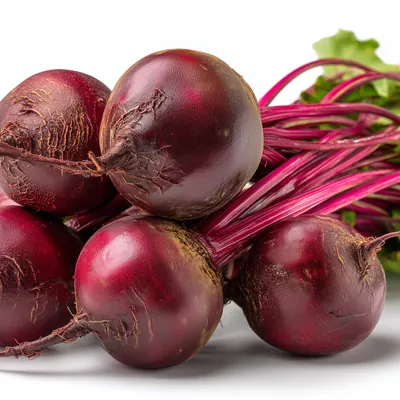
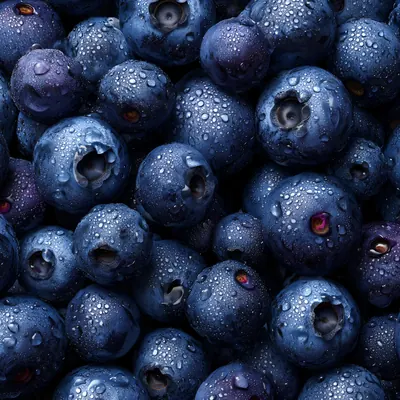
Blueberries
Berries providing anthocyanins, vitamin C and fibre
Substances: Cyanidin and Cyanidin-3-Glucoside (C3G), Delphinidin, Kaempferol, Malvidin, Manganese, Peonidin, Petunidin, Quercetin (and Isoquercetin), Vitamin C (Ascorbate)
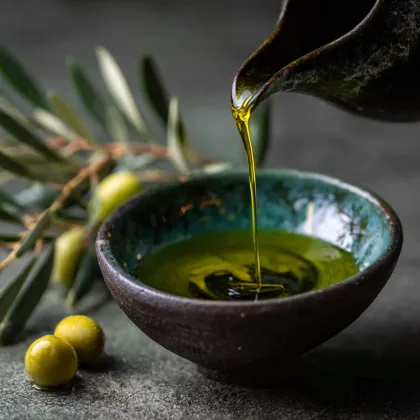
Olive Oil (Early Harvest)
Premium extra virgin olive oil with enhanced CoQ10, oleuropein, and polyphenol content from early harvest timing
Substances: Coenzyme Q10 (CoQ10), Hydroxytyrosol (Olive Polyphenol), Oleacein, Oleocanthal, Tyrosol

Parsley
Reduces harmful cholesterol oxidation products when added to cooking
Substances: Vitamin B9 (Folate), Vitamin C (Ascorbate), Vitamin K (Phylloquinone)

Pumpkin Seeds
High zinc, tryptophan, and magnesium for neurotransmitter support
Substances: Iron, Magnesium, Tryptophan, Tyrosine, Zinc

Quinoa
Pseudograin with magnesium, iron, and balanced plant protein
Substances: Betaine, Choline, Iron, Magnesium, Manganese, Phosphorus (Phosphate), Vitamin B1 (Thiamine), Vitamin B2 (Riboflavin), Vitamin B6 (Pyridoxine → PLP), Vitamin B9 (Folate), Zinc

Spinach
Leafy green rich in iron, magnesium, folate, and carotenoids
Substances: Betaine, Calcium, Copper, Iron, Kaempferol, Lutein, Magnesium, Manganese, Phosphorus (Phosphate), Potassium, Vitamin A (Retinoids; β-Carotene precursor), Vitamin B1 (Thiamine), Vitamin B2 (Riboflavin), Vitamin B6 (Pyridoxine → PLP), Vitamin B9 (Folate), Vitamin C (Ascorbate), Vitamin K (Phylloquinone), Zeaxanthin, Zinc, β-Carotene

Walnuts
ALA omega-3, polyphenols, and ellagitannins for urolithin A production
Substances: ALA (Alpha-Linolenic Acid), Copper, Linoleic Acid (LA, n-6), Magnesium, Manganese, Phosphorus (Phosphate)