Scallops

Overview
Scallops are lean bivalve shellfish providing highly digestible protein, vitamin B12, selenium, zinc, and magnesium, together with animal-food sources of creatine and taurine that are emphasised in the BRAIN Diet protein rotation [1,2]. At roughly 66 kcal and 13.5 g protein per 100 g, they add mitochondrial-relevant amino compounds and micronutrient cofactors without the higher fat load of many red-meat or oily-fish portions [1].
Within the BRAIN Diet framework, scallops function as a lean marine protein alongside cod, tuna, and oily fish — useful when meals already contain adequate fat from olive oil, nuts, eggs, or dairy but still need complete protein [1,3]. They complement plant-forward plates built around vegetables and whole grains, supplying protein without a large fat contribution.
Key Nutritional Highlights
- Lean shellfish (~66 kcal per 100 g) with 13.5 g protein and low fat — see nutrition table [1].
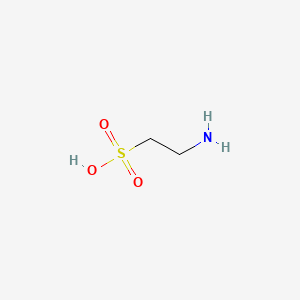
- Shellfish such as scallops are commonly grouped with clams and mussels among dietary taurine sources in the framework [2].
- Provides vitamin B12 and selenium, supporting one-carbon and antioxidant enzyme contexts relevant to neural tissues [1,2].
- Complete, highly digestible animal protein with strong indispensable amino-acid coverage [1].
Food Context
Sourcing
- Choose scallops from reputable suppliers with transparent harvest or aquaculture practices and routine monitoring for biotoxins and contaminants.
- Wild sea scallops from well-managed fisheries can be a relatively low-impact seafood choice when sourced responsibly; check regional sustainability guidance where available.
- Like many lower-fat shellfish options, scallops are generally consumed as part of a varied seafood pattern rather than as a daily protein anchor.
Preparation
- Cook gently — light searing, steaming, or brief baking — to preserve texture and avoid toughening the protein.
- Pair with vegetable-rich sides and whole grains so lean shellfish protein, B12, and trace minerals sit within a balanced meal matrix.
- Avoid heavy charring or repeated high-heat frying that adds unnecessary oxidised fat load to an otherwise lean food.
Essential Amino Acid Profile
This food provides a complete essential amino acid profile typical of animal proteins, with high digestibility and bioavailability [1].
Recipes
Nutrient Tables (per 100 g)
Selected food and preparation: Mollusks, scallop, mixed species, raw. per 100 g edible portion.
Core nutrients
| Nutrient | Amount per 100 g | % reference intake per 100 g |
|---|---|---|
| Energy | 69 kcal | — |
| Protein | 12.1 g | — |
| Total fat | 0.5 g | — |
| Saturated fat | 0.1 g | — |
| Carbohydrates | 3.2 g | — |
Key vitamins and minerals
Vitamins and minerals supplying at least 10% of an adult reference intake per 100 g, derived from the composition panel.
| Nutrient | Amount per 100 g | % reference intake per 100 g |
|---|---|---|
| Phosphorus | 334 mg | 47.7% |
| Selenium | 12.8 µg | 23.3% |
| Choline | 65 mg | 11.8% |
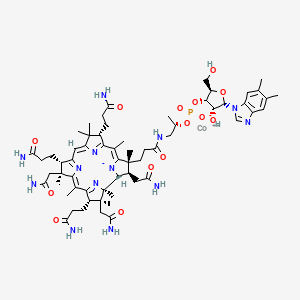
| Vitamin B12 | 1.4 µg | 58.8% |
Bioactive compounds
| Compound / class | Amount per 100 g | Notes |
|---|---|---|
| Taurine | Present [3] | clam or scallop edible tissue, or dark poultry meat |
- Taurine: Contains taurine; the amount varies with the food and cooking. [3]
Technical provenance
Taurine: The potential protective effects of taurine on coronary heart disease (2009). Table 2 separately identifies taurine in raw clams, raw scallops and dark chicken/turkey meat. [3]
Substances
3 substances in this food
References
[1] Lean shellfish protein with vitamin B12, selenium, and trace minerals at low energy density. FAO 2013. Dietary protein quality evaluation in human nutrition (DIAAS report)
[2] Shellfish including scallops are emphasised among dietary taurine sources within the BRAIN Diet protein landscape. Wójcik & Koenig 2010. The potential protective effects of taurine on coronary heart disease
[3] The potential protective effects of taurine on coronary heart disease (2009)