Tryptophan
Overview
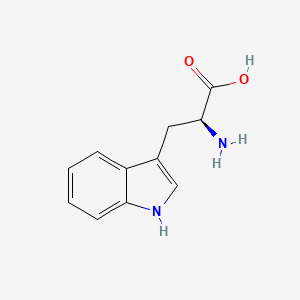
Tryptophan is an essential amino acid that serves as the precursor for serotonin and melatonin, neurotransmitters that play crucial roles in mood regulation, emotional control, and sleep. Tryptophan's entry into the brain occurs via the LAT1 transporter, where it competes with other large neutral amino acids (LNAAs) like tyrosine and phenylalanine. Carbohydrate-rich, low-protein meals can raise the plasma tryptophan:LNAA ratio because insulin pushes competing LNAAs out to muscles, making more tryptophan available for brain uptake. Tryptophan can also feed NAD+ synthesis via the kynurenine pathway, supporting cellular energy metabolism.
Recipes
4 recipes containing this substance
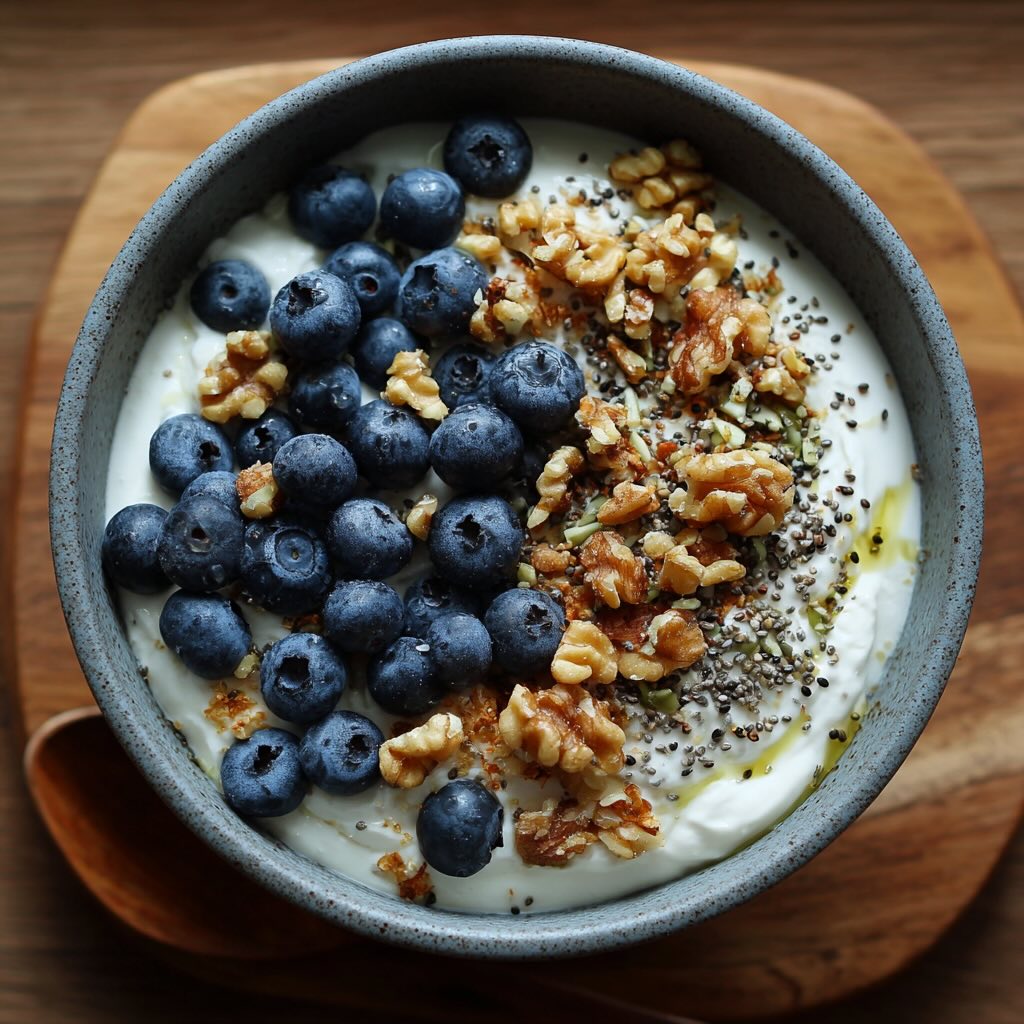
Ginger Yogurt and Blueberries
A polyphenol-rich breakfast bowl with high fibre, combining ginger, omega-3 nuts, blueberry polyphenols, and probiotic yogurt.
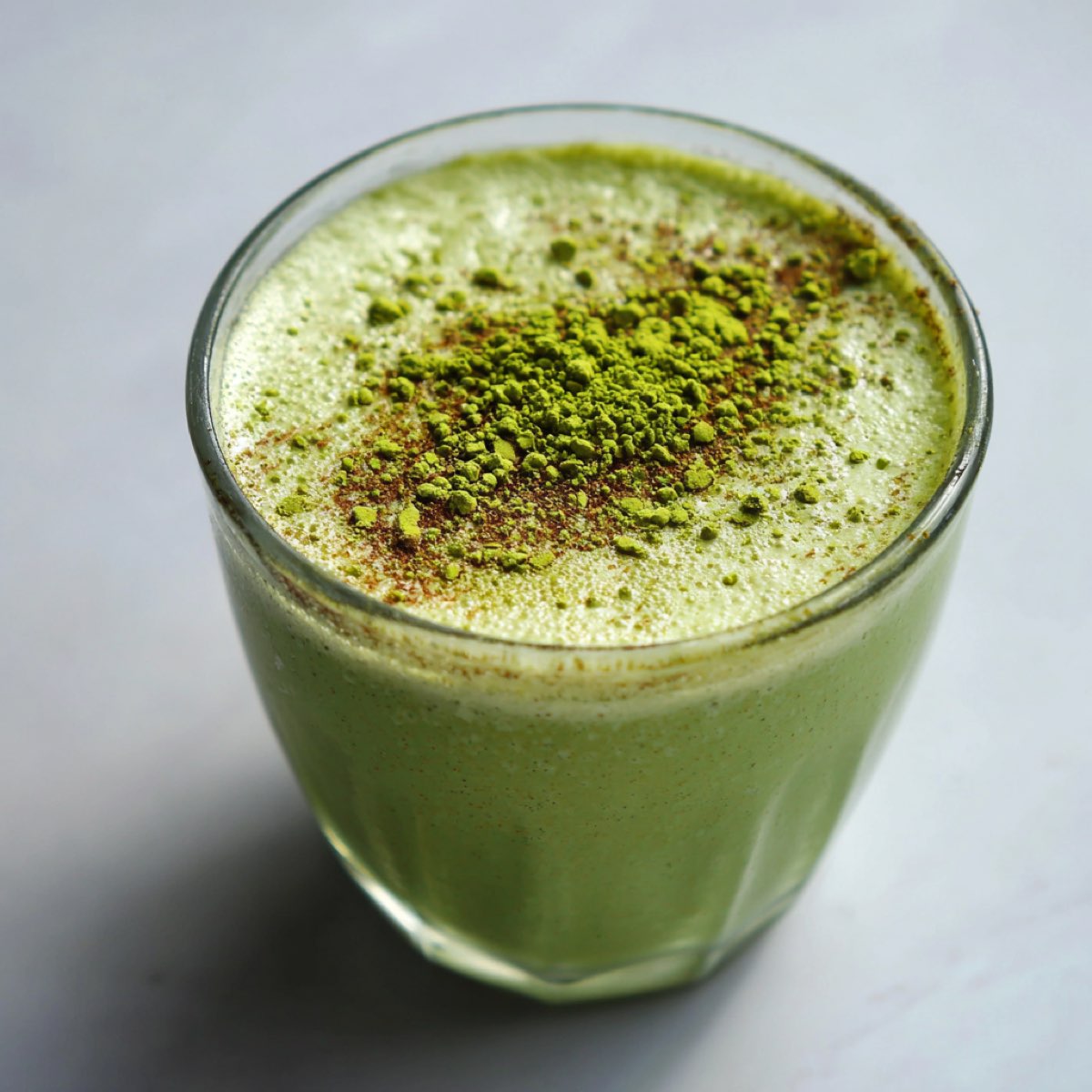
Matcha Mitochondria Smoothie
Mitochondrial energising smoothie rich in polyphenols, magnesium, and antioxidants
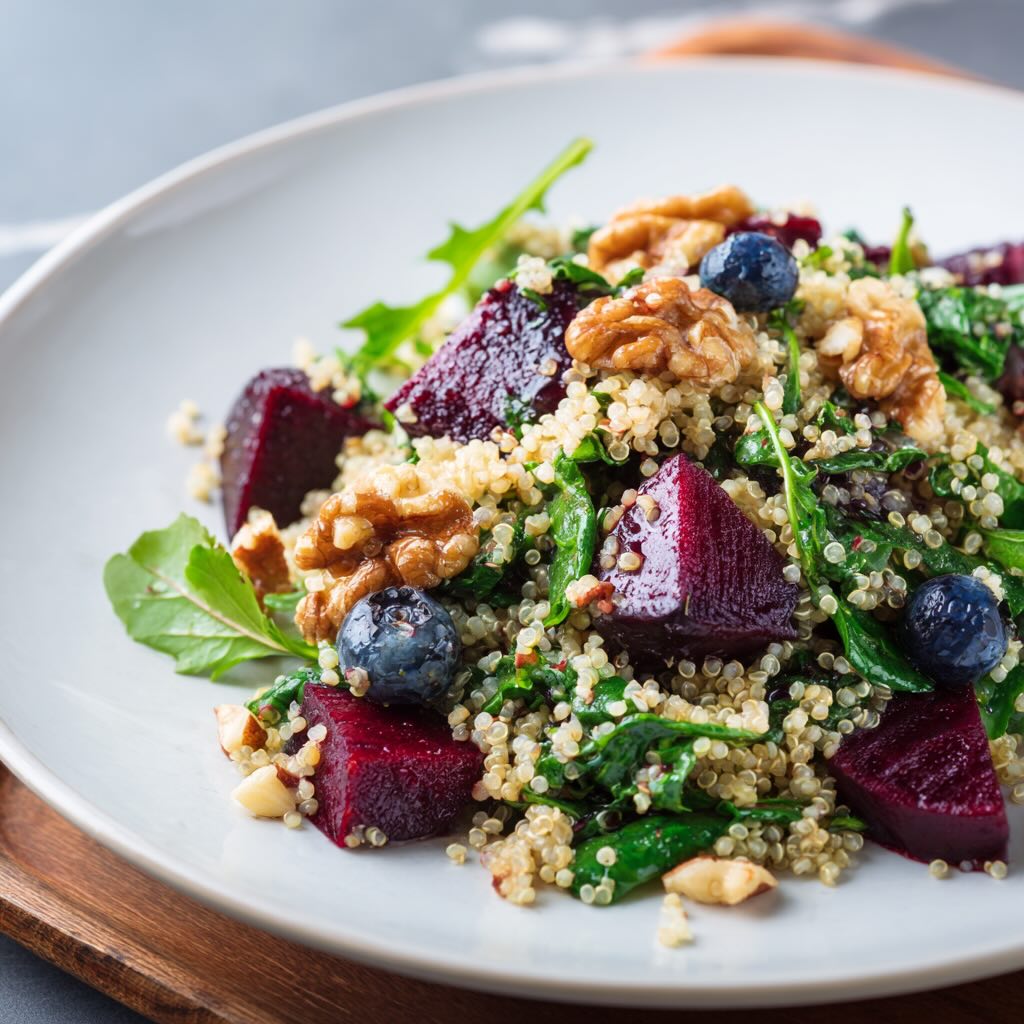
Mitochondrial Power Bowl
A nitrate-rich, polyphenol-dense bowl combining leafy greens, beets, berries, nuts, and early harvest olive oil

Turkey Wing Stew
A collagen-rich, glycine-heavy slow-cooked stew made from affordable turkey wings — rich in protein, tryptophan, and B vitamins.
Foods
3 foods containing this substance

Pumpkin Seeds
High zinc, tryptophan, and magnesium for neurotransmitter support
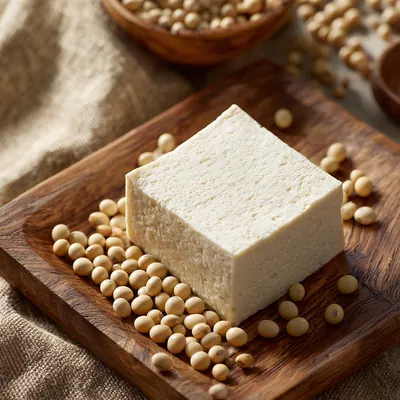
Soy
Complete plant protein with isoflavones (genistein) and choline

Turkey
High tryptophan and niacin for serotonin synthesis and NAD+ production
Biological Mechanisms and Implications
References
- Tryptophan is a precursor for serotonin and melatonin and can feed NAD+ synthesis via the kynurenine pathway; brain entry competes at LAT1 with other LNAAs
- Serotonin: Mood regulation, emotional control, impulse moderation; cofactors include tryptophan, B6, magnesium; carb co-ingestion aids LAT1 transport
- Tryptophan has been linked to reduced anxiety, improved mood, and lower depressive symptoms, but shows very limited benefit for ADHD symptoms Aquili 2020 Dinu et al. 2023
- Carbohydrate-rich, low-protein meals raise the plasma tryptophan:LNAA ratio because insulin pushes competing LNAAs out to muscles, lowering competing LNAAs in plasma Wurtman et al. 2003
- Compared to the high protein breakfast, the high carbohydrate low protein breakfast raised the tryptophan:LNAA ratio by a median ~54% (range ~36–88%)
- Carbohydrate type matters: sucrose produced a larger rise in tryptophan:LNAA (+34%) than starch (+20%), consistent with higher-GI carbohydrates more strongly enhancing brain tryptophan bioavailability Lyons and Truswell 1988
- Tryptophan + complex carbohydrates aid serotonin conversion to melatonin; examples include pumpkin seeds + oats
- Nutritional strategies that support sleep include evening meals rich in tryptophan and complex carbohydrates to promote melatonin synthesis, along with micronutrients such as magnesium and zinc Peuhkuri et al. 2012 Rondanelli et al. 2018
- Small intestinal bacterial overgrowth (SIBO) impairs absorption of vitamin B12, iron, and tryptophan, depriving the brain of essential neurotransmitter precursors
- Enhancing dietary protein, prebiotics, and microbiome diversity promotes microbial metabolism and absorption of key amino acids, increasing tryptophan availability for central serotonin and dopamine synthesis Sinha et al. 2024 O'Mahony et al. 2015