Milk
Overview
Milk provides complete high-quality protein (DIAAS 118), nicotinamide riboside (NAD+ precursor), and calcium, supporting mitochondrial function and bone health. Milk (skim) has a DIAAS score of 118, indicating balanced EAA profile and supports myelination. Nicotinamide Riboside: Efficient NAD⁺ precursor with neuroprotective potential - Dairy milk, whey protein, yeast-containing foods (e.g., sourdough bread). Fortified plant milks and dairy milk can help meet calcium (and sometimes iodine, depending on fortification and local practices) targets.
Recipes
Substances
Preparation Notes
- Choose quality sources when possible
- Part of diverse protein strategy
- Supports NAD+ availability through nicotinamide riboside
- Consider tolerance and preferences
- Fortified plant milks and dairy milk can help meet calcium targets
Biological Target Matrix
| Biological Target | Substance | Therapeutic Areas | Mechanism of Action |
|---|---|---|---|
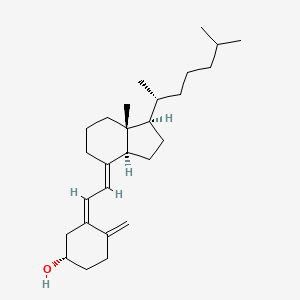
| Gut Microbiome | Vitamin D | Supports gut barrier integrity; nutrient deficiencies including vitamin D disrupt tight junctions, increasing permeability | |
| Hormonal Response | Calcium | Supports calcium modulation along with vitamin D, magnesium, taurine, phospholipids, and flavonoids; supports insulin sensitivity, sympathetic arousal, and mitochondrial excitability | |
| Hormonal Response | Magnesium | Supports calcium modulation along with vitamin D, taurine, phospholipids, and flavonoids; supports insulin sensitivity, sympathetic arousal, and mitochondrial excitability | |
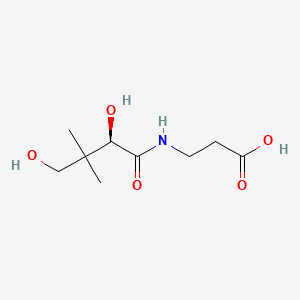
| Hormonal Response | Vitamin B5 (Pantothenic Acid) | Essential for CoA/PDH function; supports hormonal synthesis pathways | |
| Hormonal Response | Vitamin D | Modulates neurotrophic factors vital for survival and growth of neurons; supports calcium homeostasis and calcium handling | |
| Inflammation | Zinc | Supports immune signaling; gut barrier integrity disrupted by nutrient deficiencies including zinc | |
| Insulin Response | Magnesium | Supports insulin sensitivity and glucose metabolism; magnesium deficiency is associated with insulin resistance; supports enzymes involved in glucose metabolism | |
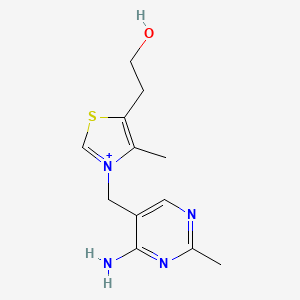
| Insulin Response | Vitamin B1 (Thiamine) | Supports glucose metabolism and insulin sensitivity through mitochondrial function | |
| Methylation | Methionine | Essential amino acid that forms S-adenosylmethionine (SAMe), the universal methyl donor for neurotransmitter synthesis and membrane phospholipid methylation | |
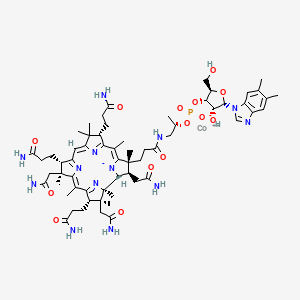
| Methylation | Vitamin B12 (Cobalamin) | Essential cofactor in remethylation of homocysteine to methionine, which is converted to S-adenosylmethionine (SAMe); works with B6, B2, and folate; contributes meaningfully to homocysteine reduction, especially in combination with omega-3 fatty acids | |
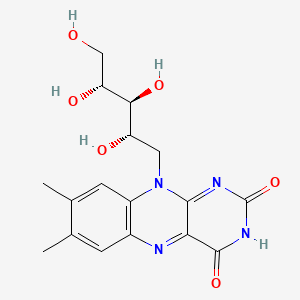
| Methylation | Vitamin B2 (Riboflavin) | FAD acts as a critical cofactor for MTHFR, linking riboflavin to homocysteine recycling and methylation capacity | |
| Methylation | Zinc | Deficiencies in vitamins and minerals essential for methylation, such as folate, vitamin B12, and zinc, are correlated to ADHD symptoms; supplementing these micronutrients has shown potential in supporting methylation and reducing symptom severity | |
| Mitochondrial Support | Magnesium | Supports enzymes involved in glycolysis and the Krebs cycle (processes that generate ATP from glucose); binds to ATP and all triphosphates in cells to activate them | |
| Mitochondrial Support | Vitamin B1 (Thiamine) | Essential for mitochondrial glucose metabolism in the brain leading to ATP production; supports PDH (pyruvate dehydrogenase) and α-KGDH (alpha-ketoglutarate dehydrogenase) function | |
| Mitochondrial Support | Vitamin B12 (Cobalamin) | Crucial role in conversion of methylmalonyl-CoA to succinyl-CoA, a key step in mitochondrial energy production; deficiency leads to buildup of methylmalonic acid and odd-chain fatty acids, which are neurotoxic | |
| Mitochondrial Support | Vitamin B2 (Riboflavin) | Forms FMN/FAD coenzymes, supporting oxidative metabolism and redox balance; facilitates metabolism of B12, B6, and niacin; supports antioxidant enzymes | |
| Mitochondrial Support | Vitamin B5 (Pantothenic Acid) | Forms CoA (coenzyme A), required for β-oxidation and TCA cycle acetyl-CoA flux; deficiency impairs ATP production impacting brain energy | |
| Neurochemical Balance | Calcium | Essential for nerve impulse transmission and neurotransmission | |
| Neurochemical Balance | Magnesium | Broad cofactor for neurotransmitter synthesis and receptor modulation (e.g., NMDA, GABA); functions as an NMDA receptor antagonist and GABA receptor modulator; assists enzymes involved in synthesis of dopamine and serotonin | |
| Neurochemical Balance | Phenylalanine | Essential amino acid that converts to tyrosine and supports catecholamine synthesis (dopamine, norepinephrine); participates in LAT1 competition at the blood-brain barrier | |
| Neurochemical Balance | Potassium | Critical for membrane potential, nerve signaling, and neuronal excitability; adequate intake balances sodium effects | |
| Neurochemical Balance | Tryptophan | Precursor for serotonin and melatonin; brain entry competes at LAT1 with other large neutral amino acids (LNAAs); carbohydrate-rich, low-protein meals raise the plasma tryptophan:LNAA ratio because insulin pushes competing LNAAs out to muscles; can feed NAD+ synthesis via the kynurenine pathway | |
| Neurochemical Balance | Tyrosine | Catecholamine precursor (dopamine, norepinephrine); brain transport via LAT1 competes with other LNAAs; iron is an essential cofactor for tyrosine hydroxylase, the rate-limiting enzyme in conversion of tyrosine to dopamine; cofactors include iron, B6, folate, omega-3s, and BH₄ (tetrahydrobiopterin) to support rate-limiting steps in catecholamine synthesis | |
| Neurochemical Balance | Vitamin B12 (Cobalamin) | Supports neurotransmitter production through methylation; essential for myelin synthesis | |
| Neurochemical Balance | Zinc | Important for DNA synthesis, cell division, and neurotransmitter regulation, particularly in modulating dopamine—a key neurotransmitter implicated in ADHD; acts as an allosteric modulator of the GABA receptor; supports glutamate regulation | |
| Oxidative Stress | Zinc | Essential mineral that serves as a cofactor for antioxidant enzymes; works synergistically with other antioxidants; heavy metals are detoxified by metallothionein (MT) metal carrier proteins that must bind with zinc and copper | |
| Stress Response | Magnesium | Helps manage stress responses; combined with vitamin D reduced behavioral problems; synergy with zinc and omega-3s reported | |
| Stress Response | Vitamin B5 (Pantothenic Acid) | Supports stress response through energy metabolism and ATP production | |
| Stress Response | Vitamin D | Modulates immune responses to reduce inflammation in the brain; supports stress response through neurotrophic and immune effects |
References
- Nicotinamide Riboside: Efficient NAD⁺ precursor with neuroprotective potential - Dairy milk, whey protein, yeast-containing foods (e.g., sourdough bread)
- Milk (skim): DIAAS 118, None (limiting amino acids) - Balanced EAA profile, supports myelination
- Fortified plant milks and dairy milk can help meet calcium (and sometimes iodine, depending on fortification and local practices) targets
- Serotonin: Mood regulation, emotional control, impulse moderation; food sources include turkey, eggs, dairy, soy, seeds, oats, bananas (milk provides tryptophan)
- Dopamine: Attention, motivation, executive function; food sources include lean poultry, beef, fish, dairy, soy, pumpkin seeds (milk provides tyrosine)