Maitake Mushroom

Overview
Maitake mushroom (Grifola frondosa), also known as "hen of the woods," is a medicinal mushroom valued for its immune-supporting properties. It is particularly rich in beta-glucans, with the D-fraction being a well-studied extract that has shown immune-modulating effects in research. Maitake contains polysaccharides that may support immune cell function and help modulate inflammatory responses.
Within the BRAIN Diet framework, the mushroom is also valued for its culinary properties, with a rich, earthy flavor and meaty texture. Maitake may support blood sugar regulation and metabolic health through its bioactive compounds.
Food Context
Sourcing
- Store fresh mushrooms in the refrigerator
Preparation
- Can be consumed fresh or dried; fresh maitake has a superior texture and flavor
- Cooking enhances flavor and may improve bioavailability of some compounds
- Can be sautéed, roasted, or added to soups and stews
- Extracts may provide more concentrated beta-glucans, particularly the D-fraction
Recipes
Nutrient Tables (per 100 g)
Selected food and preparation: Mushrooms, maitake, raw. per 100 g edible portion.
Core nutrients
| Nutrient | Amount per 100 g | % reference intake per 100 g |
|---|---|---|
| Energy | 31 kcal | — |
| Protein | 1.9 g | — |
| Total fat | 0.2 g | — |
| Saturated fat | 0 g | — |
| Carbohydrates | 7 g | — |
| Sugars | 2.1 g | — |
| Fibre | 2.7 g | — |
Key vitamins and minerals
Vitamins and minerals supplying at least 10% of an adult reference intake per 100 g, derived from the composition panel.
| Nutrient | Amount per 100 g | % reference intake per 100 g |
|---|---|---|
| Phosphorus | 74 mg | 10.6% |
| Copper | 0.3 mg | 28% |
| Vitamin B2 | 0.2 mg | 18.6% |
| Vitamin B1 | 0.1 mg | 12.2% |
| Vitamin B3 | 6.6 mg | 41.2% |
| Vitamin D | 28.1 µg | 187.3% |
Bioactive compounds
| Compound / class | Amount per 100 g | Notes |
|---|---|---|
| Beta-Glucans | Present [3] | Grifola frondosa mushroom |
- Beta-Glucans: Reported in Grifola frondosa mushroom. [3]
Technical provenance
Beta-Glucans: Sari et al. (2017), discussion of Grifola frondosa. Discussion specifically identifies beta-glucans in Grifola frondosa; not included as a new measured species value. [3]
Substances
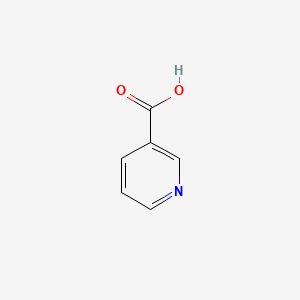
2 substances in this food

References
[1] Maitake supplies beta-glucans and fungal polysaccharides with immune-modulating research interest. Starck et al. 2024. Mushrooms: a food-based solution to vitamin D deficiency to include in dietary guidelines
[2] Beta-glucans from fungi and yeast modulate innate immune signalling pathways. Lacasa et al. 2023. Yeast Beta-Glucan Supplementation with Multivitamins Attenuates Cognitive Impairments in Individuals with Myalgic Encephalomyelitis/Chronic Fatigue Syndrome: A Randomized, Double-Blind, Placebo-Controlled Trial