Cockles

Overview
Cockles are small bivalve shellfish providing vitamin B12, iron, zinc, selenium, and taurine in a low-fat marine protein matrix [1,2]. Shellfish contribute complete highly digestible protein [3].
Within the BRAIN Diet framework, cockles are a sustainable shellfish option used for B12, iron, and marine taurine density; brief steaming preserves the natural liquor minerals [1,2].
Key Nutritional Highlights
- Very high vitamin B12 and iron per 100 g; bivalve nutrient density [1].
- Marine taurine source; phospholipid-bound omega-3 in shellfish matrices [2].
- Complete animal protein (DIAAS context) [3].
- Low mercury compared with many large predatory fish; purge and steam briefly.
Food Context
Synergies
- Part of diverse protein and seafood strategy
Sourcing
- Low in mercury compared to many fish species
Preparation
- Purge in salted water before cooking; discard any that remain open when tapped
- Brief steaming preserves the natural liquor, which contains minerals and peptides
- Marine taurine intake estimated 300–450 mg per serving when cooked with liquor
Essential Amino Acid Profile
This food provides a complete essential amino acid profile typical of animal proteins.
Recipes
1 recipe containing this food
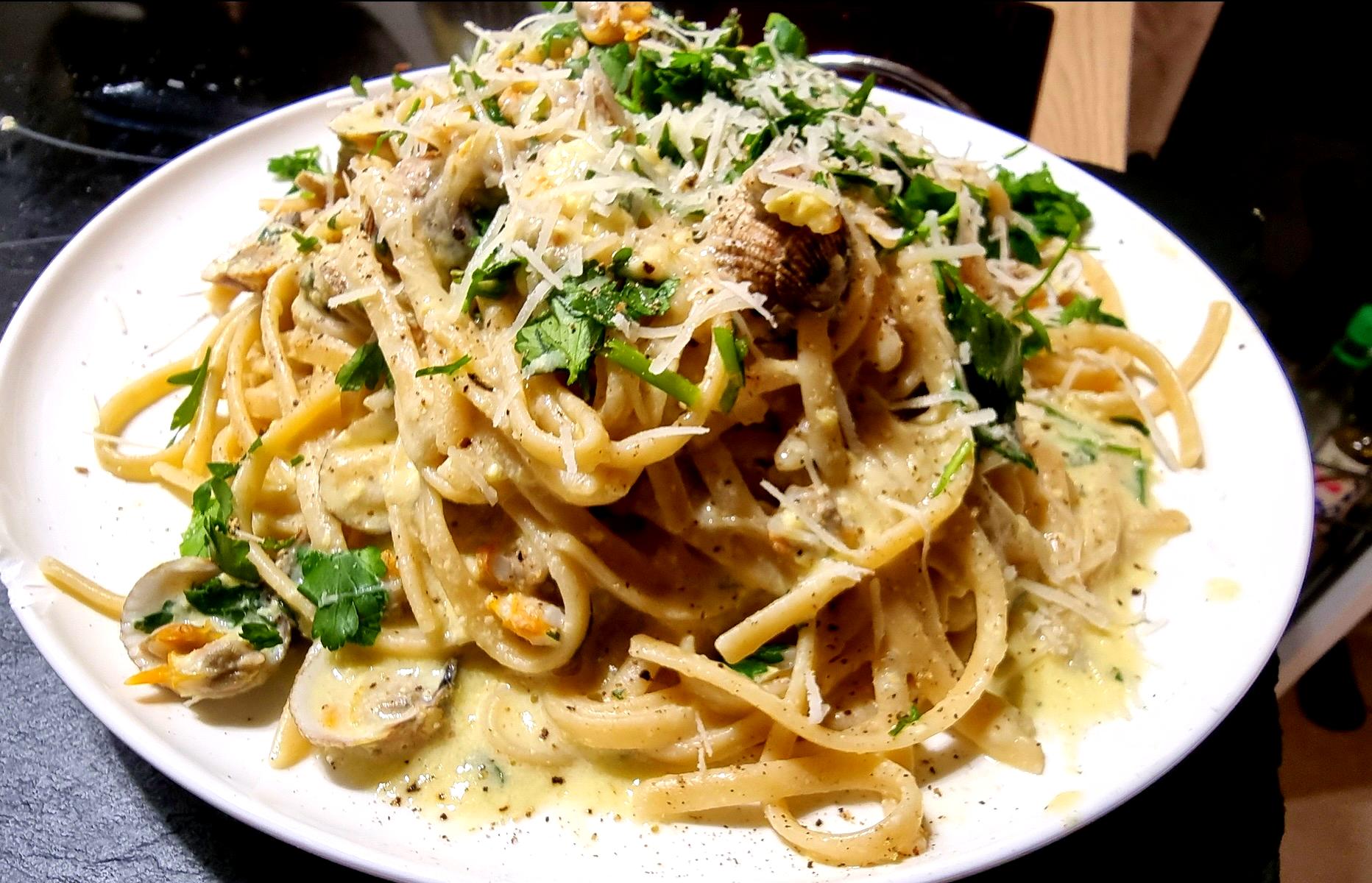
Linguine alle vongole mantecate (Linguine with cockles in a silky emulsified sauce)
Whole-wheat linguine with cockles in a silky emulsified sauce; Italian emulsification technique without cream, supporting taurine, B12, and choline intake.
Nutrient Tables (per 100 g)
Selected food and preparation: Cockles, raw (Alaska Native). per 100 g edible portion.
Core nutrients
| Nutrient | Amount per 100 g | % reference intake per 100 g |
|---|---|---|
| Energy | 79 kcal | — |
| Protein | 13.5 g | — |
| Total fat | 0.7 g | — |
| Carbohydrates | 4.7 g | — |
Key vitamins and minerals
Vitamins and minerals supplying at least 10% of an adult reference intake per 100 g, derived from the composition panel.
| Nutrient | Amount per 100 g | % reference intake per 100 g |
|---|---|---|
| Iron | 16.2 mg | 90% |
| Vitamin B2 | 0.2 mg | 15.4% |
| Vitamin B3 | 3.2 mg | 20% |
Bioactive compounds
| Compound / class | Amount per 100 g | Notes |
|---|---|---|
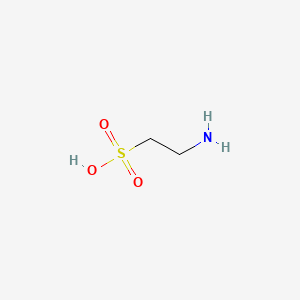
| Taurine | Present [4] | Japanese cockle edible foot |
| Selenium | Present [6] | cockle edible tissue |
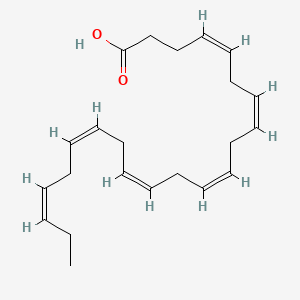
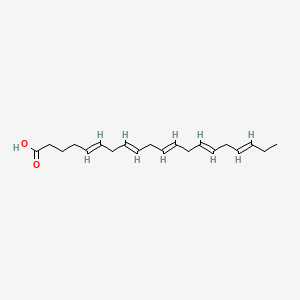
| EPA | Present [7] | edible Cerastoderma edule tissue |
| DHA | Present [7] | edible Cerastoderma edule tissue |
- Taurine: Taurine is documented in cockle edible tissue; content varies with species and cooking. [4]
- Selenium: Selenium is documented in cockle tissue; concentrations vary with species and growing waters. [6]
- EPA, DHA: Reported in edible Cerastoderma edule tissue. [7]
Technical provenance
Taurine: Changes in taste and texture of the foot of Japanese cockle by cooking and storage (2002). Primary study separately identifies taurine as a major free amino constituent of Fulvia mutica edible foot. [4]
Selenium: Maher et al. (1997), Selenium occurrence, distribution and speciation in the cockle Anadara trapezia. Primary study identifies selenium in cockle tissues including edible adductor and mantle; environmental concentrations are not promoted as a food amount. [6]
EPA: Fatty Acid Composition in Edible Tissue of Cerastoderma edule (2015). Primary Table 1 separately reports EPA and DHA in edible cockle tissue; fatty-acid percentages not converted into food amounts. [7]
DHA: Fatty Acid Composition in Edible Tissue of Cerastoderma edule (2015). Primary Table 1 separately reports EPA and DHA in edible cockle tissue; fatty-acid percentages not converted into food amounts. [7]
Substances
8 substances in this food
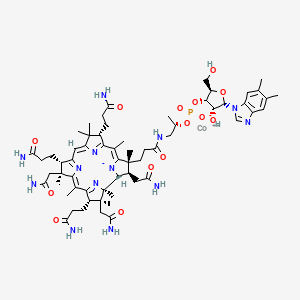
Vitamin B12 (Cobalamin)
Documented in boiled New Zealand cockles; a separate amount for the raw Alaska record is unavailable.

References
[1] Very high vitamin B12 and iron per 100 g; bivalve nutrient density. Pawlak & Parrott 2013. How prevalent is vitamin B $_\textrm12$ deficiency among vegetarians?
[2] Marine taurine source; phospholipid-bound omega-3 in shellfish matrices. Wójcik & Koenig 2010. The potential protective effects of taurine on coronary heart disease
[3] Complete animal protein (DIAAS context). FAO 2013. Dietary Protein Quality Evaluation in Human Nutrition: Report of an FAO Expert Consultation
[4] Changes in taste and texture of the foot of Japanese cockle by cooking and storage (2002)
[5] The Concise New Zealand Food Composition Tables, 9th edition (2012), T31
[6] Maher et al. (1997), Selenium occurrence, distribution and speciation in the cockle Anadara trapezia
[7] Fatty Acid Composition in Edible Tissue of Cerastoderma edule (2015)