Miso

Overview
Miso is a fermented soybean paste providing live probiotics, postbiotic compounds, and umami flavor, supporting gut-brain axis communication.
Within the BRAIN Diet framework, fermented foods such as sauerkraut, kimchi, kefir, miso, and kombucha provide live microbes + postbiotic peptides; improved SCFA pools; vagal signaling.
Food Context
Synergies
- Part of fermented foods strategy
Sourcing
- Choose unpasteurized for live probiotics
Preparation
- Use in moderation due to sodium content
- Add at end of cooking to preserve probiotics
Essential Amino Acid Profile
Miso provide a relatively complete plant protein (higher in lysine than most grains). Pairing with grains or other legumes still supports dietary variety and amino acid balance.
Recipes
Nutrient Tables (per 100 g)
Selected food and preparation: Miso. per 100 g edible portion.
Core nutrients
| Nutrient | Amount per 100 g | % reference intake per 100 g |
|---|---|---|
| Energy | 198 kcal | — |
| Protein | 12.8 g | — |
| Total fat | 6 g | — |
| Saturated fat | 1 g | — |
| Carbohydrates | 25.4 g | — |
| Sugars | 6.2 g | — |
| Fibre | 5.4 g | — |
Key vitamins and minerals
Vitamins and minerals supplying at least 10% of an adult reference intake per 100 g, derived from the composition panel.
| Nutrient | Amount per 100 g | % reference intake per 100 g |
|---|---|---|
| Iron | 2.5 mg | 13.8% |
| Zinc | 2.6 mg | 23.3% |
| Magnesium | 48 mg | 11.4% |
| Phosphorus | 159 mg | 22.7% |
| Manganese | 0.9 mg | 37.3% |
| Selenium | 7 µg | 12.7% |
| Copper | 0.4 mg | 46.7% |
| Choline | 72.2 mg | 13.1% |
| Vitamin B6 | 0.2 mg | 15.3% |
| Vitamin B2 | 0.2 mg | 17.9% |
| Vitamin K | 29.3 µg | 24.4% |
Bioactive compounds
| Compound / class | Amount per 100 g | Notes |
|---|---|---|
| Alpha-linolenic acid (ALA; 18:3 n-3) | 0.4 g | USDA 18:3 quantity; isomer from USDA soybean oil nutrient 1404 |
- Alpha-linolenic acid (ALA; 18:3 n-3): This value uses a documented composition interpretation.
Technical provenance
Alpha-linolenic acid (ALA; 18:3 n-3): This value uses a documented composition interpretation. See FCIR-018.
Substances
2 substances in this food
Sodium
USDA FoodData Central reports sodium in Miso.
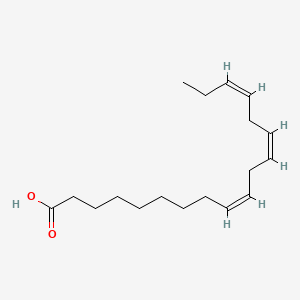
ALA (Alpha-Linolenic Acid)
Essential omega-3 precursor; limited conversion to DHA/EPA
References
[1] Fermented soy products such as miso modulate gut–brain signalling through microbiota pathways. Bravo et al. 2011. Ingestion of Lactobacillus strain regulates emotional behavior and central GABA receptor expression in a mouse via the vagus nerve
[2] Traditional fermented soy pastes deliver live microbes and fermentation-derived metabolites. Jakobi et al. 2024. The gut-microbiome in adult Attention-deficit/hyperactivity disorder - A Meta-analysis