Sardines

Overview
Sardines are small oily fish eaten whole, providing long-chain omega-3 fatty acids EPA and DHA, vitamin B12, selenium, calcium from the softened bones, and highly digestible protein. Because canned sardines typically include the skeleton, they contribute meaningfully to both marine omega-3 intake and calcium alongside B12 and other micronutrients [1]. These intrinsic nutrients support neuronal membrane structure, mitochondrial bioenergetics, and red blood cell formation.
Within the BRAIN Diet framework, sardines are treated as a compact, shelf-stable oily fish that can be used when fresh fish is less practical. Regular intake of oily fish rich in EPA and DHA is associated with reduced cardiovascular risk and may support aspects of cognitive and mood outcomes [1,2]. Compared with larger predatory fish, sardines sit low in the marine food chain and generally accumulate less mercury, which supports their use as a frequent marine omega-3 source in many dietary patterns
Key Nutritional Highlights
- Highest total omega-3 among BRAIN Diet fish and seafood pages (per 100 g).
- Provides complete, highly digestible protein.
- Commonly contributes selenium, iodine, and vitamin B12, though levels vary by species.
- EPA/DHA content is highly species-dependent; oily fish are usually higher than lean fish or shellfish.
- Often lower in saturated fat than many fatty red-meat patterns when minimally processed.
- Nutritional profile and risk context depend on processing method (fresh vs salted/smoked/cured).
Food Context
Sourcing
- Choose sardines from reputable brands and fisheries that publish sustainability and contaminant information; smaller pelagic species such as sardines typically show lower mercury levels than larger predatory fish.
- Canned sardines packed in extra-virgin olive oil or water are preferable to those in refined oils or heavily sweetened sauces, to maintain a healthier overall fat profile.
Preparation
- Sardines can be eaten directly from the can or lightly warmed; avoid prolonged high-temperature frying or charring that can oxidize lipids.
- When tolerated, consuming the bones together with the fillet maximizes calcium intake from the food; combining sardines with vegetables and whole grains helps integrate this dense source of omega-3s into balanced meals.
Recipes
Essential Amino Acid Profile
This food provides a complete essential amino acid profile typical of animal proteins.
Nutrient Tables (per 100 g)
Selected food and preparation: Fish, sardine, Atlantic, canned in oil, drained solids with bone. per 100 g edible portion.
Core nutrients
| Nutrient | Amount per 100 g | % reference intake per 100 g |
|---|---|---|
| Energy | 208 kcal | — |
| Protein | 24.6 g | — |
| Total fat | 11.5 g | — |
| Saturated fat | 1.5 g | — |
Key vitamins and minerals
Vitamins and minerals supplying at least 10% of an adult reference intake per 100 g, derived from the composition panel.
| Nutrient | Amount per 100 g | % reference intake per 100 g |
|---|---|---|
| Iron | 2.9 mg | 16.2% |
| Zinc | 1.3 mg | 11.9% |
| Phosphorus | 490 mg | 70% |
| Selenium | 52.7 µg | 95.8% |
| Calcium | 382 mg | 38.2% |
| Potassium | 397 mg | 11.7% |
| Copper | 0.2 mg | 20.7% |
| Choline | 75 mg | 13.6% |
| Vitamin B12 | 8.9 µg | 372.5% |
| Vitamin B6 | 0.2 mg | 12.8% |
| Vitamin B2 | 0.2 mg | 17.5% |
| Vitamin B3 | 5.2 mg | 32.8% |
| Vitamin B5 | 0.6 mg | 12.8% |
| Vitamin D | 4.8 µg | 32% |
| Vitamin E | 2 mg | 13.6% |
Bioactive compounds
Content applies to the food and preparation identified in the source notes.
| Compound / class | Amount per 100 g | Notes |
|---|---|---|
| EPA | 473 mg | — |
| DHA | 509 mg | — |
Substances
9 substances in this food
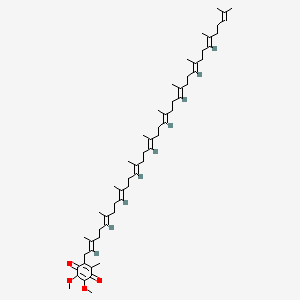
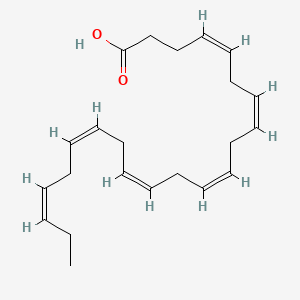
DHA (Docosahexaenoic Acid)
USDA FoodData Central reports DHA in Fish, sardine, Atlantic, canned in oil, drained solids with bone.
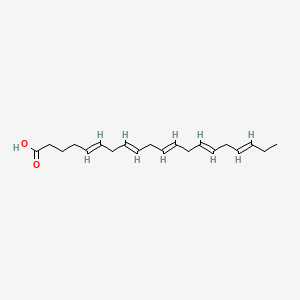
EPA (Eicosapentaenoic Acid)
USDA FoodData Central reports EPA in Fish, sardine, Atlantic, canned in oil, drained solids with bone.
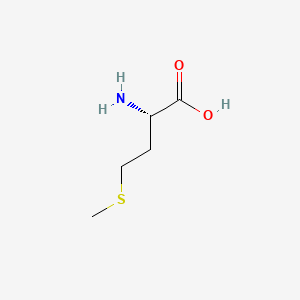
Methionine
USDA FoodData Central reports methionine 1.086 g per 100 g in Fish, sardine, Atlantic, canned in oil, drained solids with bone (FDC 175139). Composition only; this does not establish a PM-specific dietary efficacy claim.
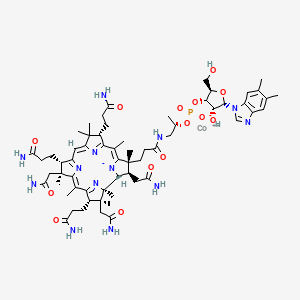
Vitamin B12 (Cobalamin)
USDA FoodData Central reports vitamin B12 in Fish, sardine, Atlantic, canned in oil, drained solids with bone.
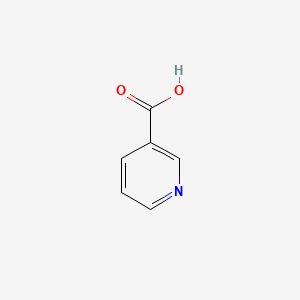
Vitamin B3 (Niacin)
USDA FoodData Central reports vitamin B3 in Fish, sardine, Atlantic, canned in oil, drained solids with bone.

Omega-3 Fatty Acids
USDA FoodData Central reports EPA, DHA, total omega-3 in Fish, sardine, Atlantic, canned in oil, drained solids with bone. This class link does not treat a combined total as EPA, DHA or ALA.
References
[1] Because canned sardines typically include the skeleton, they contribute meaningfully to both marine omega-3 intake and calcium alongside B12 and other micronutrients. McNamara & Carlson 2006. Omega-3 fatty acids in brain development, function, and psychopathology
[2] DHA supplementation improved both memory and reaction time in healthy young adults: a randomized controlled trial. Stonehouse et al. 2013. DHA supplementation and cognitive performance in healthy adults
[3] Compared with larger predatory fish, sardines sit low in the marine food chain and generally accumulate less mercury, which supports their use as a frequent marine omega-3 source in many dietary patterns. FAO 2013. Dietary protein quality evaluation in human nutrition (DIAAS report)
[4] Pravst, Zmitek and Zmitek (2010), Coenzyme Q10 Contents in Foods and Fortification Strategies