Butter
Overview
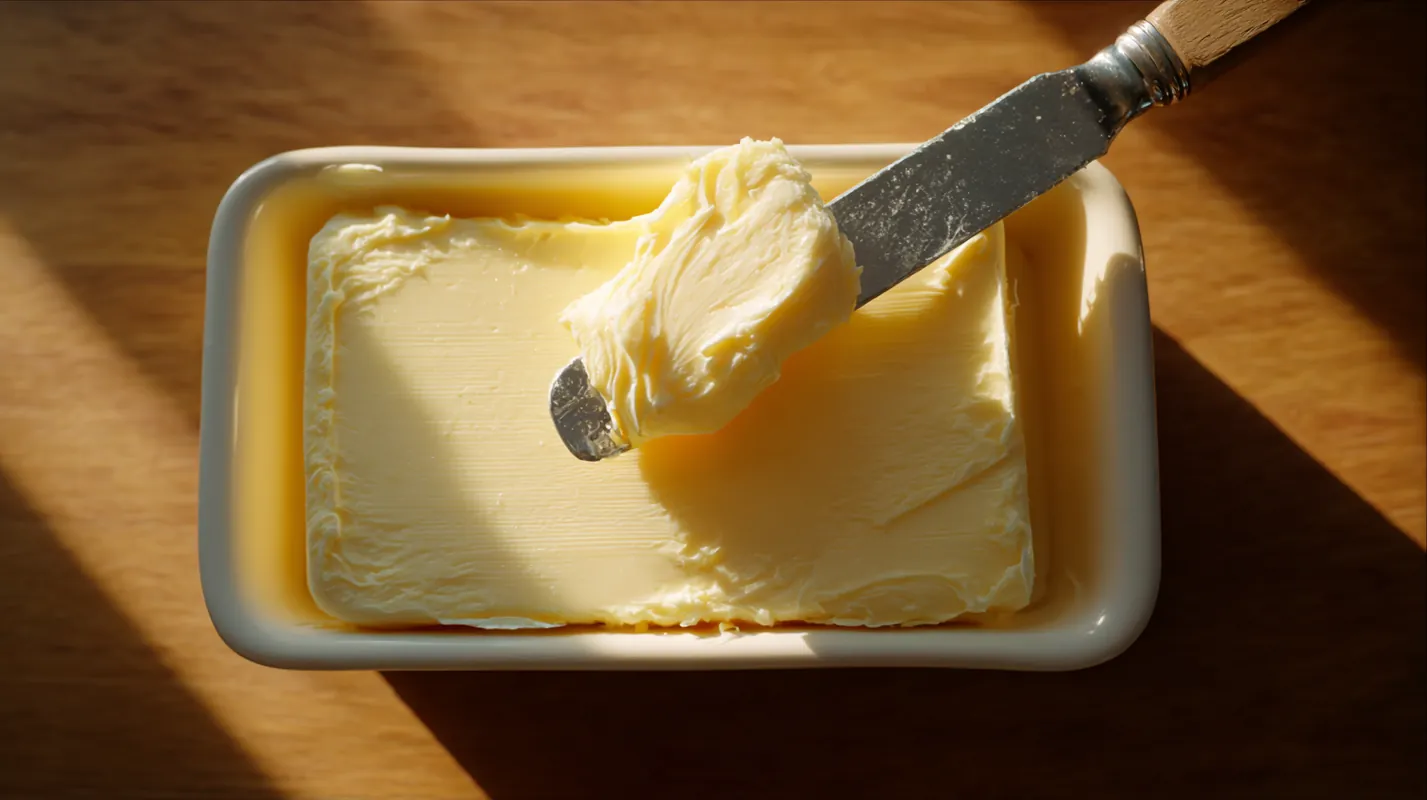
Butter is a saturated-fat-rich dairy fat used in small amounts for flavour. The representative composition table includes vitamin A, and food-composition analyses also report menaquinones in butter [1]. It is energy-dense, so portions stay small.
Within a BRAIN-aligned pattern it is a culinary fat, not a staple.
Food Context
Sourcing
- Use ordinary butter in culinary amounts; it is a flavour fat, not a staple oil.
- See Grass-Fed Butter for pasture-fed composition and how it differs from conventional butter.
Preparation
- Use small amounts for cooking, baking, or finishing.
- It carries fat-soluble vitamins in a dairy-fat matrix; it is not a vitamin supplement.
Recipes
2 recipes containing this food
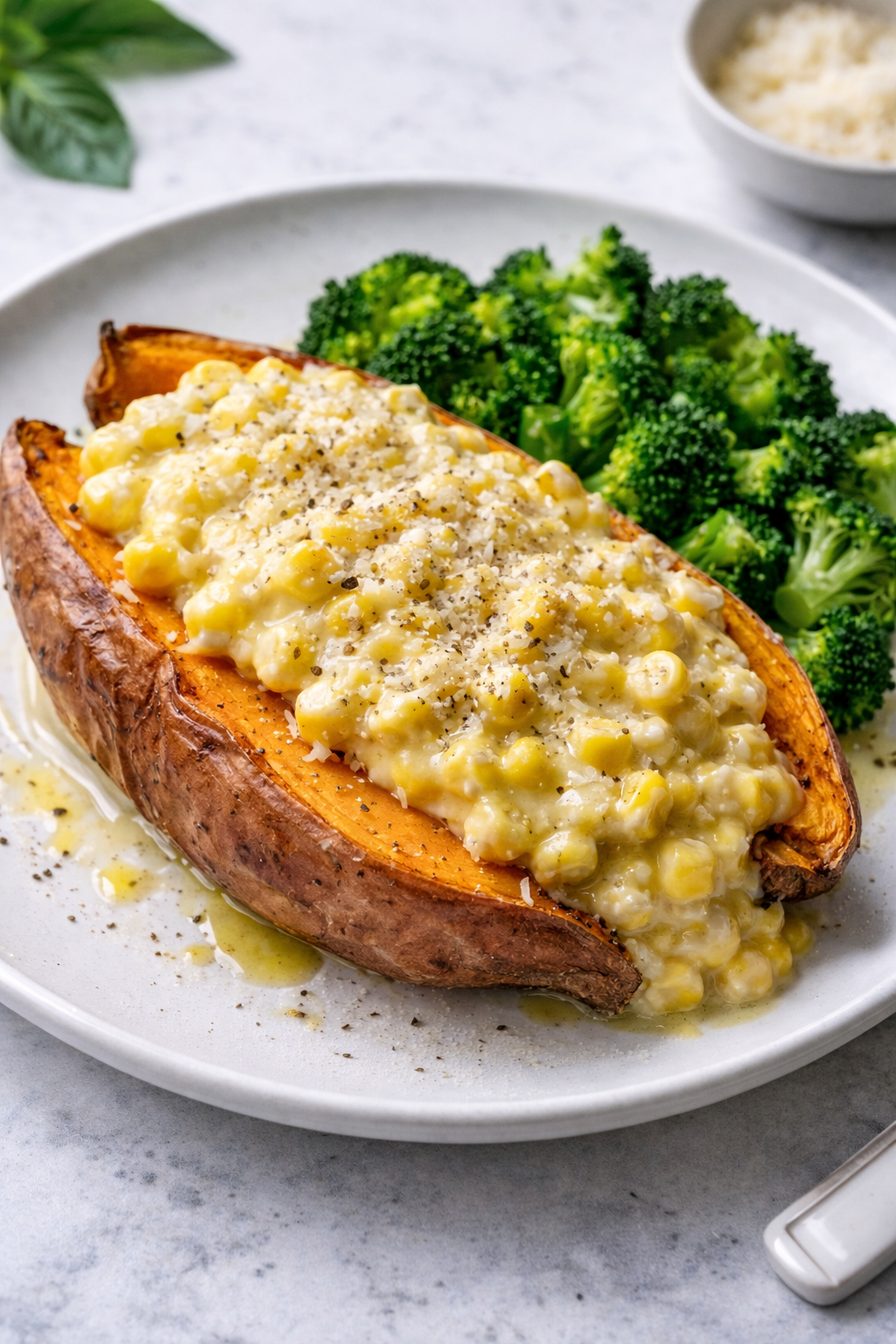
Creamed Corn on Roasted Sweet Potato
Roasted sweet potato with creamed corn and a mixed lipid phase to enhance carotenoid absorption; served with broccoli for fibre and glucosinolates.
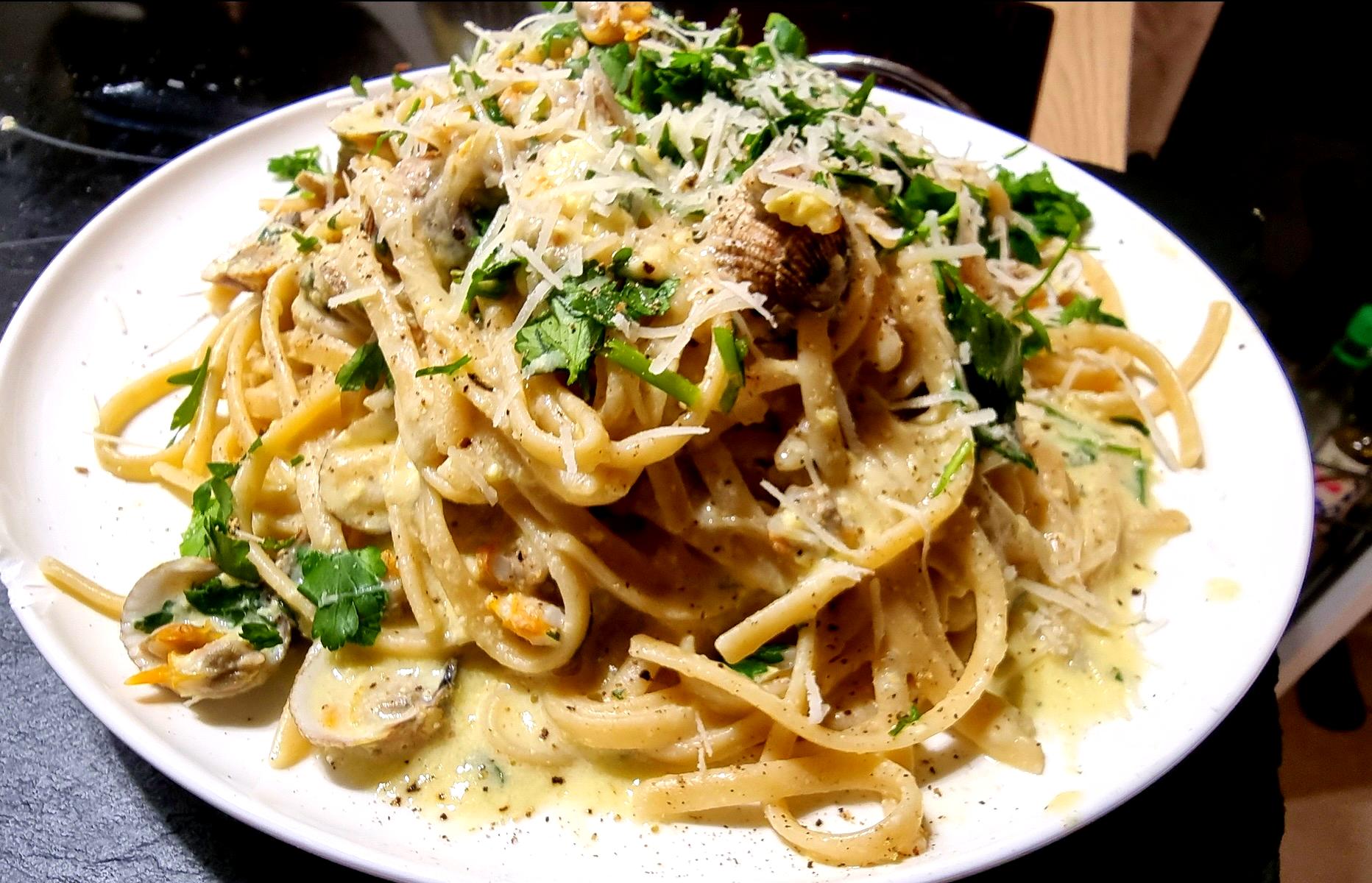
Linguine alle vongole mantecate (Linguine with cockles in a silky emulsified sauce)
Whole-wheat linguine with cockles in a silky emulsified sauce; Italian emulsification technique without cream, supporting taurine, B12, and choline intake.
Nutrient Tables (per 100 g)
Selected food and preparation: Butter, without salt. per 100 g edible portion.
Core nutrients
| Nutrient | Amount per 100 g | % reference intake per 100 g |
|---|---|---|
| Energy | 717 kcal | — |
| Protein | 0.9 g | — |
| Total fat | 81.1 g | — |
| Saturated fat | 50.5 g | — |
| Carbohydrates | 0.1 g | — |
| Sugars | 0.1 g | — |
Key vitamins and minerals
Vitamins and minerals supplying at least 10% of an adult reference intake per 100 g, derived from the composition panel.
| Nutrient | Amount per 100 g | % reference intake per 100 g |
|---|---|---|
| Vitamin A | 684 µg | 76% |
| Vitamin E | 2.3 mg | 15.5% |
Bioactive compounds
| Compound / class | Amount per 100 g | Notes |
|---|---|---|
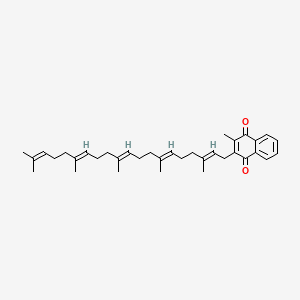
| Vitamin K2 | Present [2] | butter, egg yolk or fermented soybean food |
- Vitamin K2: Contains menaquinones (vitamin K2); the amount is product-dependent. [2]
Technical provenance
Vitamin K2: Schurgers and Vermeer (2000), Determination of phylloquinone and menaquinones in food. Primary abstract explicitly identifies K2 in butter, egg yolk, natto and cheese. No total vitamin K value used as K2. [2]
Substances
3 substances in this food
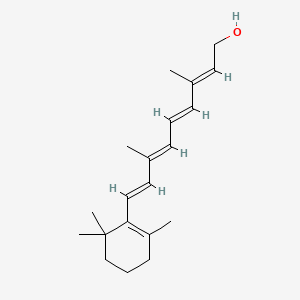
Vitamin A (Retinoids; β-Carotene precursor)
USDA FoodData Central reports vitamin A as retinol activity equivalents in Butter, without salt.
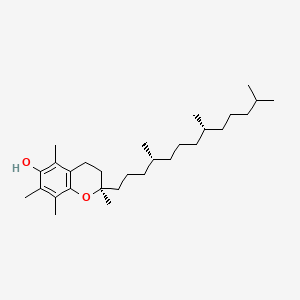
Vitamin E (Tocopherols/Tocotrienols)
USDA FoodData Central reports vitamin E in Butter, without salt.
References
[1] Schurgers & Vermeer (2000). Determination of Phylloquinone and Menaquinones in Food. Food-composition analysis reporting vitamin K forms, including menaquinones, in butter and other foods.
[2] Schurgers and Vermeer (2000), Determination of phylloquinone and menaquinones in food
[3] USDA FoodData Central, Butter, without salt (FDC 173430)