Vitamin B12 (Cobalamin)
Overview
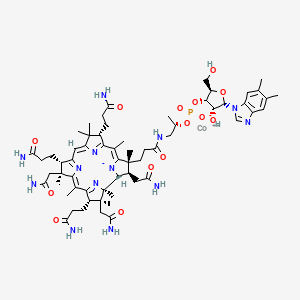
Vitamin B12, also known as cobalamin, is a water-soluble vitamin that plays multiple critical roles in brain health. It is an essential cofactor in the remethylation of homocysteine to methionine, working with B6, B2, and folate in methylation processes that support neurotransmitter synthesis. B12 is crucial for myelin synthesis and maintenance, and plays a vital role in mitochondrial energy production through the conversion of methylmalonyl-CoA to succinyl-CoA. B12 deficiency can lead to buildup of methylmalonic acid and odd-chain fatty acids, which are neurotoxic. B12 is commonly deficient in vegetarians and vegans, as it is primarily found in animal products, though chlorella contains bioavailable B12.
Recipes
5 recipes containing this substance
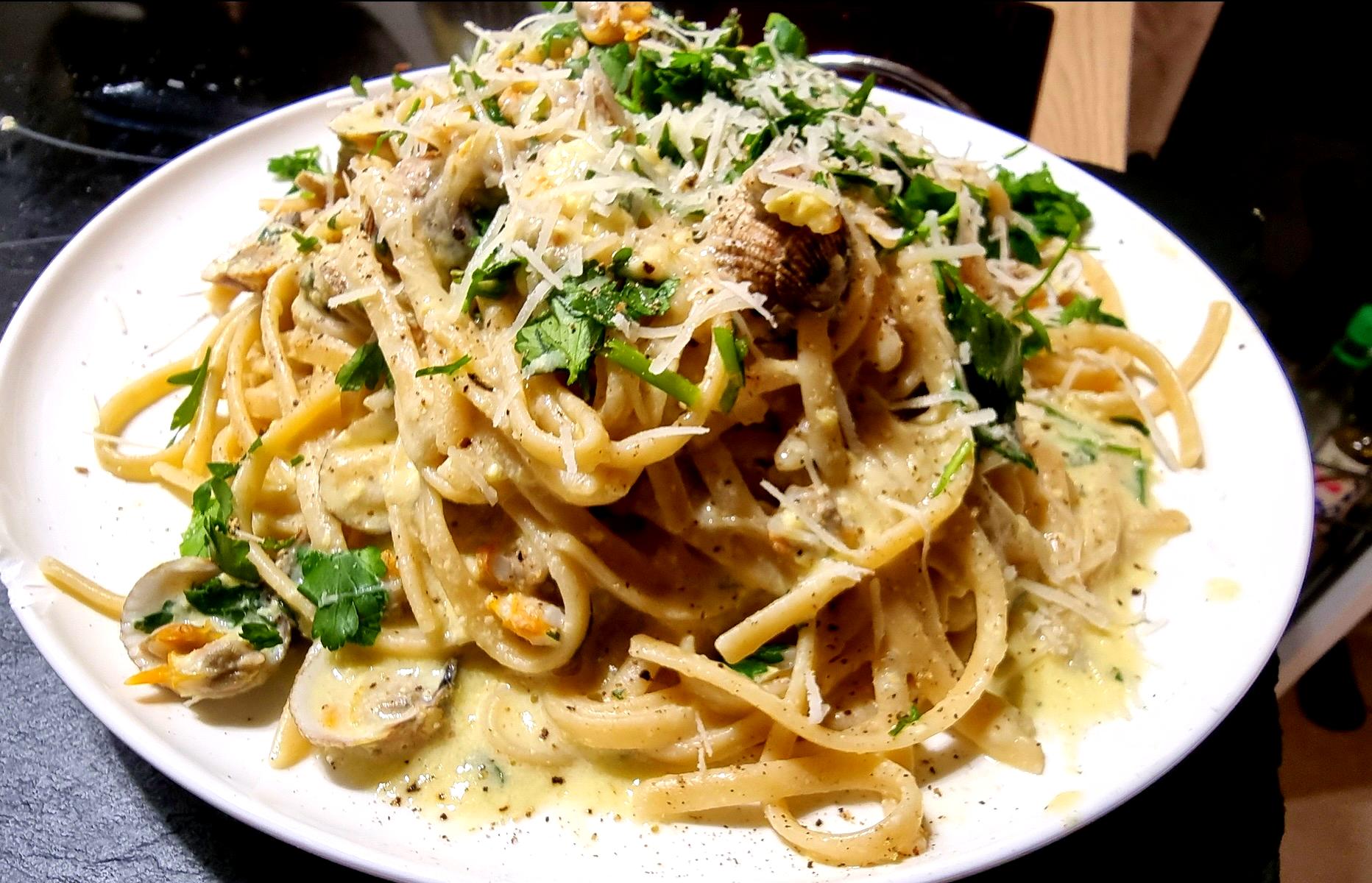
Linguine alle vongole mantecate (Linguine with cockles in a silky emulsified sauce)
Whole-wheat linguine with cockles in a silky emulsified sauce; Italian emulsification technique without cream, supporting taurine, B12, and choline intake.
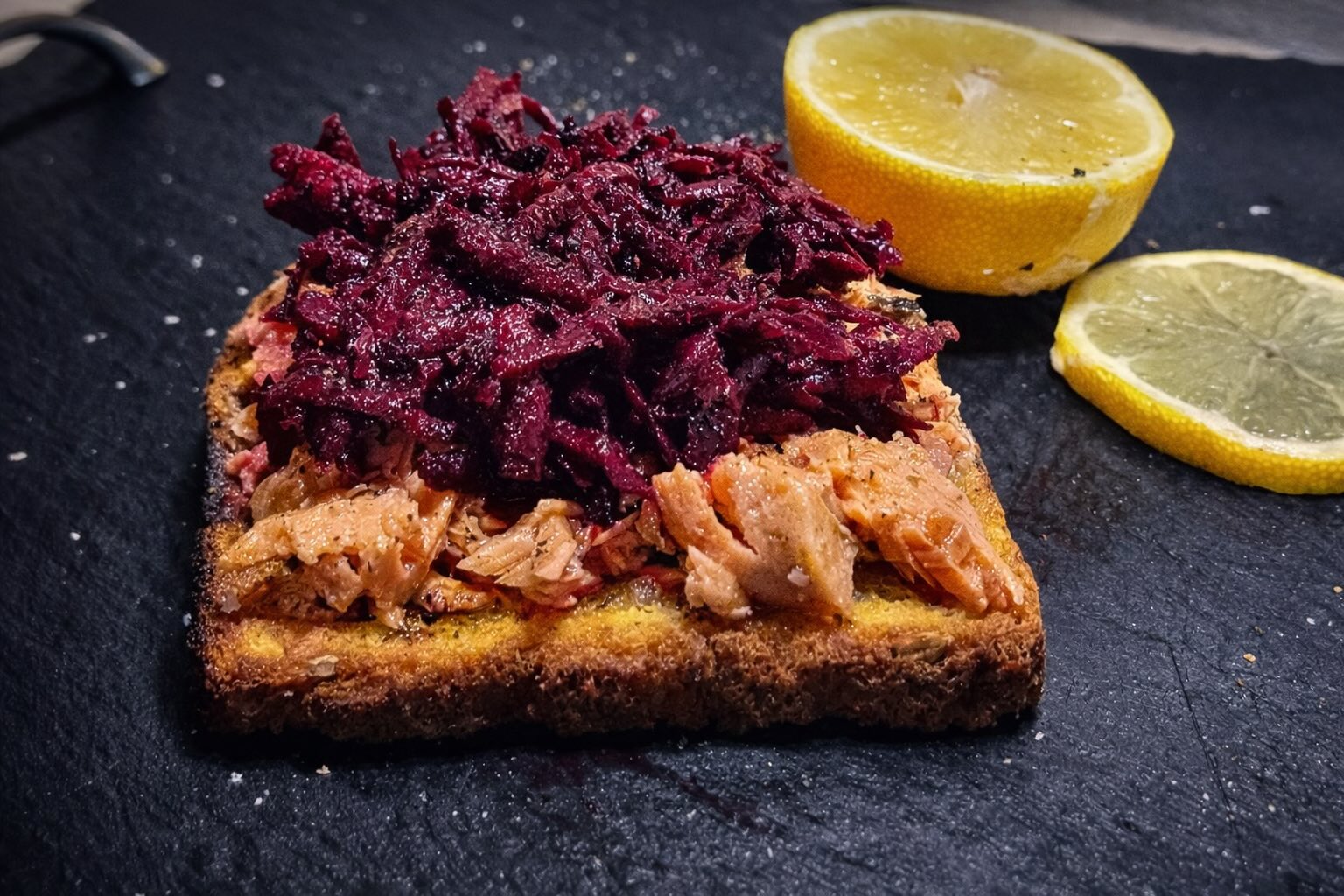
Salmon & Grated Beetroot Toast (with Lemon)
A fast, brain-forward open sandwich combining omega-3 rich salmon, nitrate/polyphenol beetroot, and lemon acidity for a sharp, savoury bite.
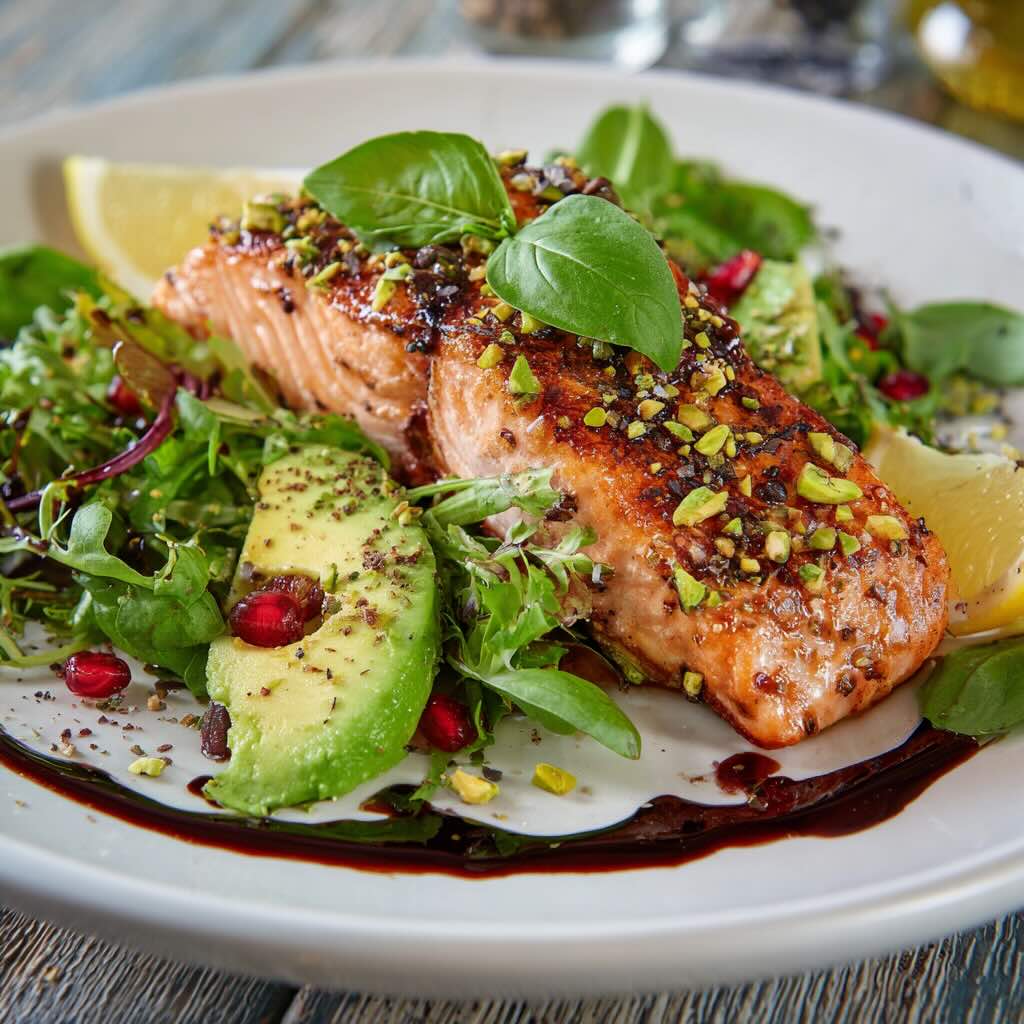
Salmon Bowl-pistachio-cacao-nibs
A Mediterranean-style bowl combining salmon, avocado, pistachios, cacao nibs, and early harvest olive oil — rich in omega-3 fats, polyphenols, and fibre.
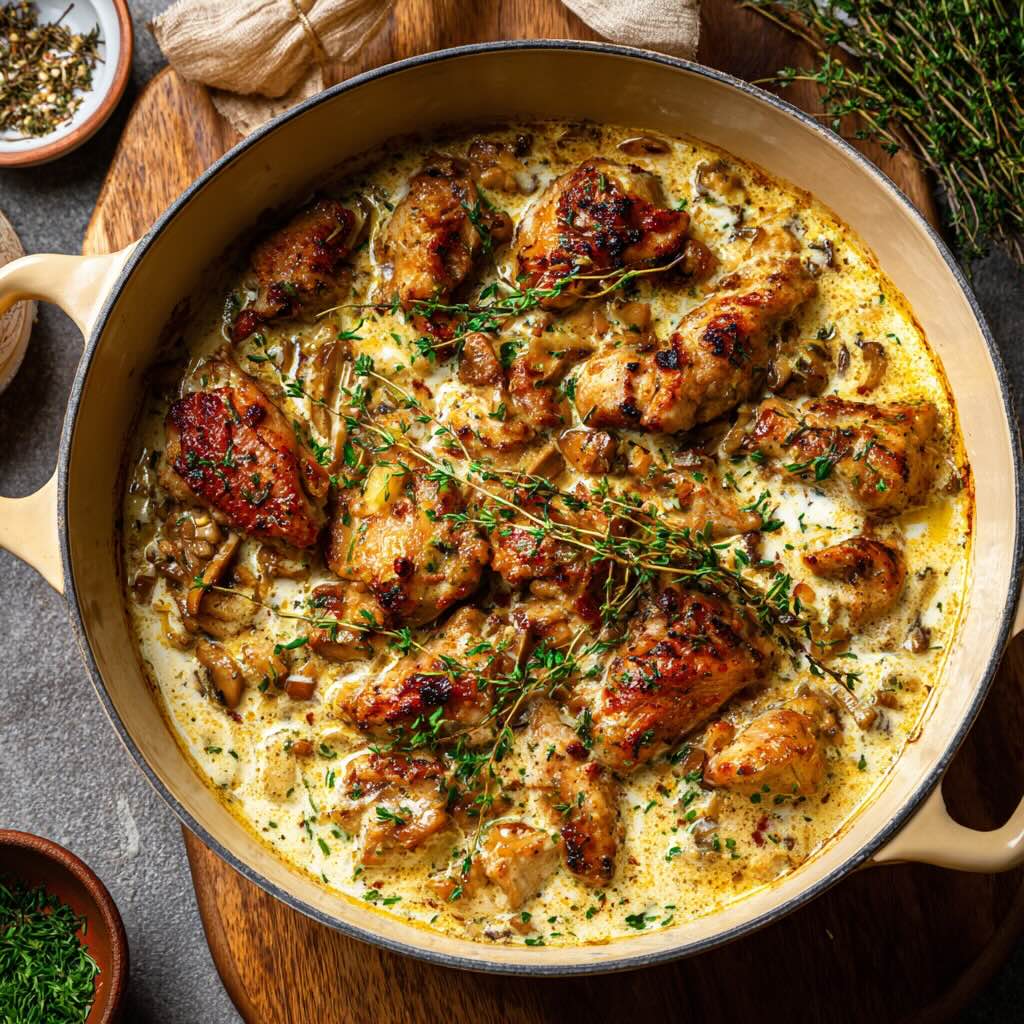
Turkey Wing Stew
A collagen-rich, glycine-heavy slow-cooked stew made from affordable turkey wings — rich in protein, tryptophan, and B vitamins.

Turmeric Milk
A warming drink combining turmeric (curcumin) with milk/fat for enhanced curcumin absorption
Foods
18 foods containing this substance
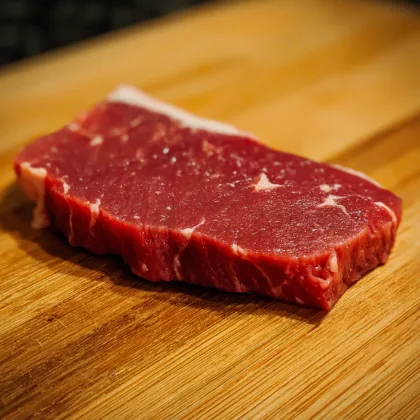
Beef
High creatine, CoQ10, and bioavailable heme iron
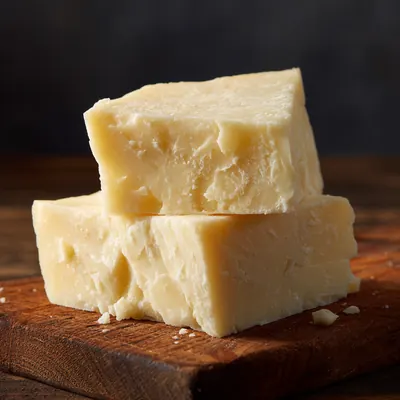
Cheddar Cheese
Hard cow’s-milk cheese rich in protein, calcium, and vitamin B12
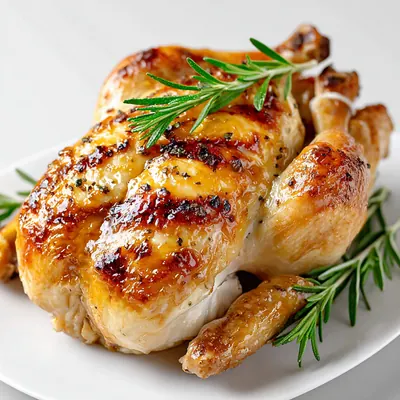
Chicken
Niacin, zinc, and tryptophan
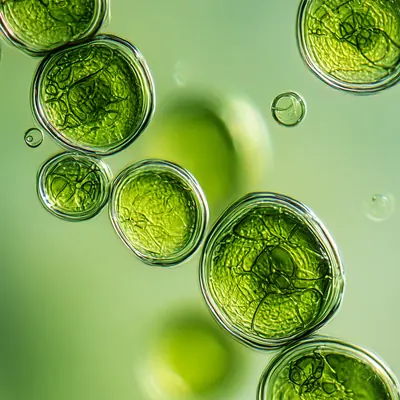
Chlorella
Algae with bioavailable true vitamin B12 and antioxidant support

Clams
High taurine and B12 content

Cockles
Bivalve shellfish providing B12, iron, zinc, selenium, and marine taurine

Crab
Lean shellfish providing complete protein, zinc, selenium, and vitamin B12

Fortified Plant Milks
Plant-based milks fortified with B12, D, and sometimes iodine

Liver
Nutrient-dense organ meat with bioavailable B12, retinol, iron, and CoQ10

Milk
Complete protein, nicotinamide riboside, and calcium
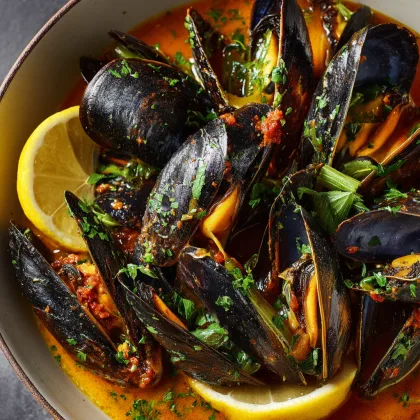
Mussels
Nutrient-dense bivalve providing phospholipid-bound omega-3s; accepted by some vegans (ostroveganism)

Nori
Red seaweed providing iodine and amino acid precursors for creatine synthesis

Nutritional Yeast
Fortified yeast providing B12, B6, and NAD+ precursors
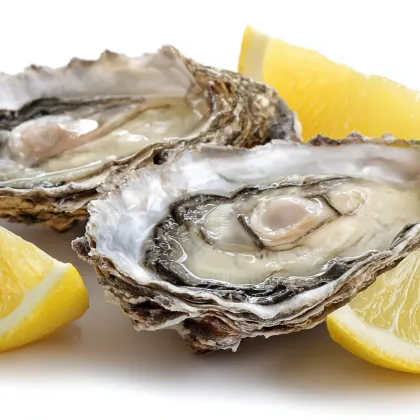
Oysters
Highest zinc content among common foods; unique source of phospholipid-bound omega-3s; accepted by some vegans (ostroveganism)

Salmon
Oily fish rich in EPA/DHA, protein, and B vitamins

Sardines
Small oily fish rich in EPA/DHA, CoQ10, and calcium

Scallops
Lean shellfish rich in creatine, taurine, and vitamin B12

Turkey
High tryptophan and niacin for serotonin synthesis and NAD+ production
Biological Mechanisms and Implications
References
- B vitamins, particularly B6, B2, folate (5-MTHF), and B12, are essential cofactors in remethylation of homocysteine to methionine, which is converted to SAMe
- Adding B12 to folic acid supplementation gives an additional ~7% reduction in plasma homocysteine over folate alone Collaboration 1998
- While folate is normally considered the primary nutrient for homocysteine reduction, long-chain omega-3 fatty acids and vitamin B12 also contribute meaningfully; B12+fish oil lowered plasma homocysteine by 39% Tao Huang et al. 2015
- B vitamin supplementation slowed cognitive decline only in participants with adequate omega-3 status, supporting a nutrient synergy model Oulhaj et al. 2016
- B12 is crucial for conversion of methylmalonyl-CoA to succinyl-CoA, a key step in mitochondrial energy production; deficiency leads to buildup of methylmalonic acid and odd-chain fatty acids, which are neurotoxic Pawlak et al. 2013
- B12 deficiency may lead to dementia and psychosis, suggesting a broader dependence of the brain on B12; commonly deficient in vegetarians Pawlak et al. 2013
- Research indicates that deficiencies in vitamins and minerals essential for methylation, such as folate, vitamin B12, and zinc, are correlated to ADHD symptoms Razavinia et al. 2024
- Small intestinal bacterial overgrowth (SIBO) impairs absorption of vitamin B12, iron, and tryptophan, depriving the brain of essential neurotransmitter precursors
- Chlorella contains bioavailable, true vitamin B12 (cobalamin), confirmed in animal feeding trials, while spirulina is dominated by pseudovitamin B12 analogues, which are inactive in humans Watanabe et al. 2002
- Vegetarians in their 80s had higher odds of cognitive impairment compared to omnivores, likely due to deficiencies in B12, EPA/DHA, and zinc Jigeer et al. 2025
- Vegan diets can lack vitamin B12, vitamin D, DHA, and certain minerals, all of which are critical for brain health Katonova et al. 2022