Black Beans
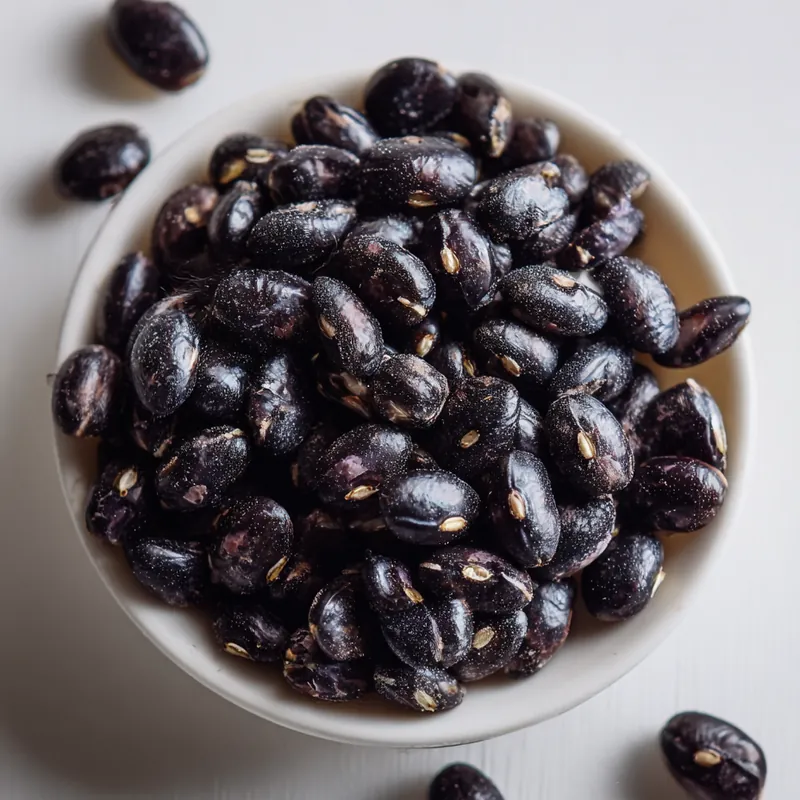
Overview
Black beans provide plant protein and fibre. Soaking and cooking change phytate content [1].
Food Context
Synergies
- Pair with grains for complete amino acid profile; grain–legume complementarity improves essential amino-acid coverage.
- Pair with vitamin C-rich foods to enhance non-heme iron absorption [3].
Preparation
- In the cited controlled processing study, endogenous phytase performed best near 60°C and pH 6.0; this is not equivalent to a validated household lemon-or-vinegar recipe [1].
- Cook beans thoroughly after soaking.
Essential Amino Acid Profile
Black Beans provide a strong plant protein source but are not a complete protein.
Notable amino acids:
- Lysine
Limiting amino acids:
- Methionine and cysteine (DIAAS ~65–70)
Protein pairing strategy:
Black Beans are rich in lysine but relatively low in sulfur-containing amino acids. Combining with grains such as rice, oats, or barley helps create a more balanced essential amino acid profile.
Recipes
1 recipe containing this food
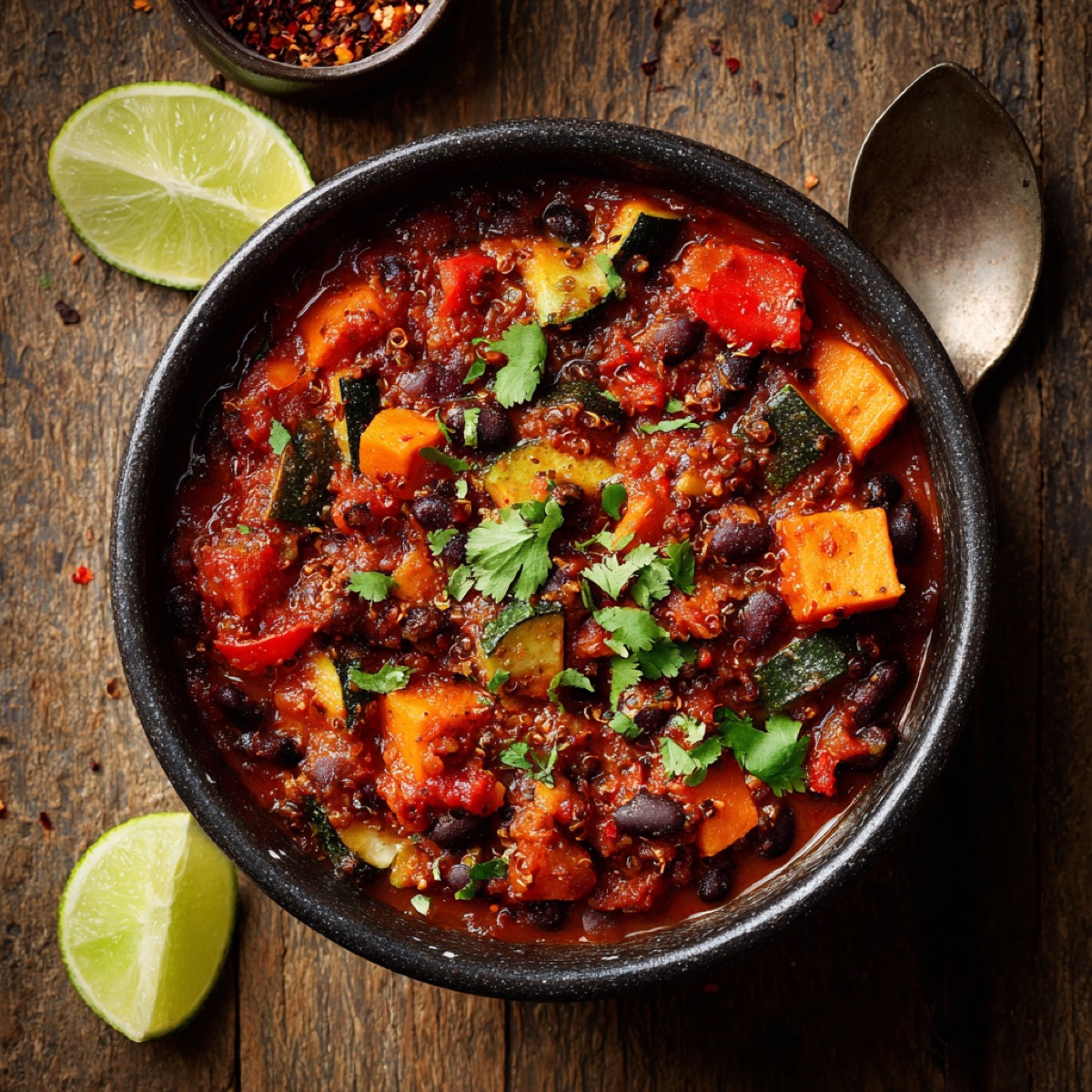
Black Bean & Sweet Potato Vegetable Chilli
A fibre-rich bean and vegetable chilli with warming spices and slow carbohydrates for steady energy and satiety.
Nutrient Tables (per 100 g)
Selected food and preparation: Beans, black, mature seeds, raw. per 100 g edible portion.
Core nutrients
| Nutrient | Amount per 100 g | % reference intake per 100 g |
|---|---|---|
| Energy | 341 kcal | — |
| Protein | 21.6 g | — |
| Total fat | 1.4 g | — |
| Saturated fat | 0.4 g | — |
| Carbohydrates | 62.4 g | — |
| Sugars | 2.1 g | — |
| Fibre | 15.5 g | — |
Key vitamins and minerals
Vitamins and minerals supplying at least 10% of an adult reference intake per 100 g, derived from the composition panel.
| Nutrient | Amount per 100 g | % reference intake per 100 g |
|---|---|---|
| Iron | 5 mg | 27.9% |
| Zinc | 3.7 mg | 33.2% |
| Magnesium | 171 mg | 40.7% |
| Phosphorus | 352 mg | 50.3% |
| Manganese | 1.1 mg | 46.1% |
| Calcium | 123 mg | 12.3% |
| Potassium | 1483 mg | 43.6% |
| Copper | 0.8 mg | 93.4% |
| Choline | 66.4 mg | 12.1% |
| Folate | 444 µg | 111% |
| Vitamin B6 | 0.3 mg | 22% |
| Vitamin B2 | 0.2 mg | 14.8% |
| Vitamin B1 | 0.9 mg | 75% |
| Vitamin B3 | 2 mg | 12.2% |
| Vitamin B5 | 0.9 mg | 18% |
Substances
10 substances in this food
Copper
USDA FoodData Central reports copper in Beans, black, mature seeds, raw.
Iron
USDA FoodData Central reports iron in Beans, black, mature seeds, raw.
Magnesium
USDA FoodData Central reports magnesium in Beans, black, mature seeds, raw.
Manganese
USDA FoodData Central reports manganese in Beans, black, mature seeds, raw.
Phosphorus (Phosphate)
USDA FoodData Central reports phosphorus in Beans, black, mature seeds, raw.
Potassium
USDA FoodData Central reports potassium in Beans, black, mature seeds, raw.
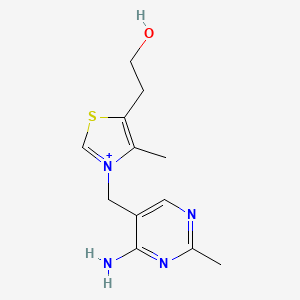
Vitamin B1 (Thiamine)
USDA FoodData Central reports vitamin B1 in Beans, black, mature seeds, raw.
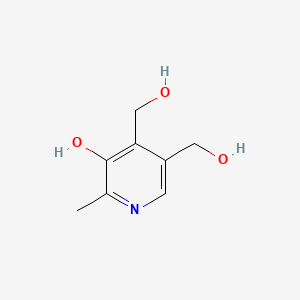
Vitamin B6 (Pyridoxine → PLP)
USDA FoodData Central reports vitamin B6 in Beans, black, mature seeds, raw.
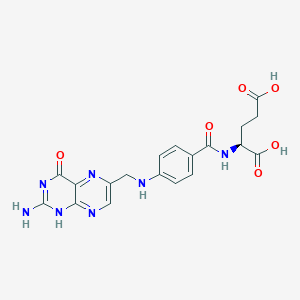
Vitamin B9 (Folate)
USDA FoodData Central reports folate in Beans, black, mature seeds, raw. The recorded analyte is folate.
Zinc
USDA FoodData Central reports zinc in Beans, black, mature seeds, raw.
References
[1] Soaking and cooking can reduce myo-inositol phosphates that limit mineral absorption in black beans; this paper measured phytate reduction in black beans (Phaseolus vulgaris). Greiner & Konietzny 1999. Improving enzymatic reduction of myo-inositol phosphates with inhibitory effects on mineral absorption in black beans
[2] Mariotti & Gardner (2019). Dietary Protein and Amino Acids in Vegetarian Diets—A Review. Dietary-pattern evidence for complementary plant-protein sources; not evidence for black-bean polyphenol content or a black-bean feeding trial.
[3] Hallberg et al. (1989). Iron absorption in man: ascorbic acid and dose-dependent inhibition by phytate. Human mixed-meal iron-absorption series: phytate inhibits non-haem iron absorption; ascorbic acid can counteract that inhibition. Mixed-meal evidence, not a trial of this food.