Oysters
Overview
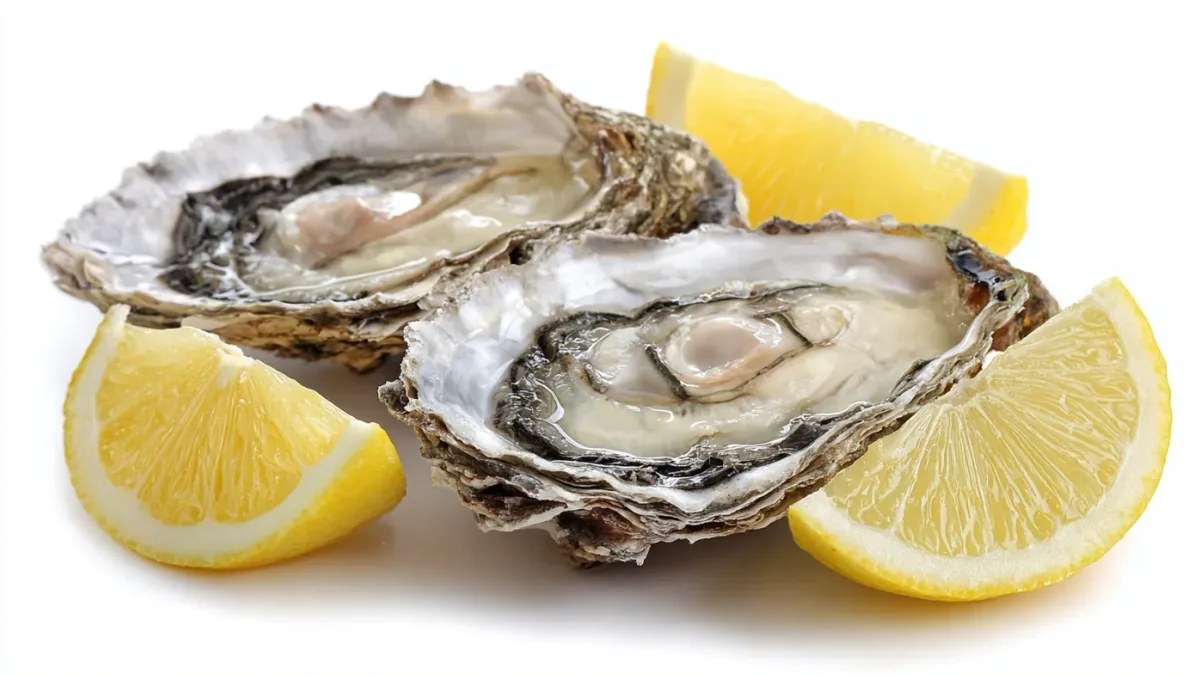
Oysters are bivalve shellfish that provide high levels of zinc, vitamin B12, iron, and selenium, as well as modest amounts of omega-3 fatty acids. Among commonly eaten foods, oysters are notable for their zinc density, supporting enzymes involved in neurotransmitter synthesis, antioxidant defence, and immune function [1]. Their B12 and iron content contribute to red blood cell formation and one-carbon metabolism, which are important for neurological and cardiovascular health.
Within the BRAIN Diet framework, oysters are a strategic micronutrient-dense option where zinc and B12 adequacy are priorities, including some dietary patterns that otherwise use little or no animal foods. Zinc concentrations vary materially by species and environment, but oysters remain among the most zinc-dense commonly eaten foods even with that variability
Key Nutritional Highlights
- Highest selenium among BRAIN Diet fish and seafood pages (per 100 g). [1]
- One of the most zinc-dense commonly consumed foods, with very high vitamin B12 density; zinc levels vary by species and origin. [2]
- EPA and DHA are present, but amounts vary substantially by species and preparation.
- As shellfish, oysters require strict sourcing and handling controls for microbiological safety, especially when consumed raw.
Food Context
Sourcing
- Choose oysters from reputable producers that harvest from monitored coastal waters with active testing for biotoxins and contaminants.
- Farmed oysters typically have a low environmental footprint and can help maintain water quality by filter-feeding, but they should still be sourced from regions with robust safety monitoring.
Preparation
- Oysters can be eaten cooked or, where safe and culturally appropriate, raw; steaming or baking reduces microbiological risk while retaining much of their micronutrient density.
- Pair oysters with vegetable-rich accompaniments such as lemon, herbs, and leafy greens to integrate their concentrated mineral content into balanced meals.
Essential Amino Acid Profile
This food provides a complete essential amino acid profile typical of animal proteins.
Recipes
Nutrient Tables (per 100 g)
Selected food and preparation: Mollusks, oyster, eastern, wild, raw. per 100 g edible portion.
Core nutrients
| Nutrient | Amount per 100 g | % reference intake per 100 g |
|---|---|---|
| Energy | 51 kcal | — |
| Protein | 5.7 g | — |
| Total fat | 1.7 g | — |
| Saturated fat | 0.5 g | — |
| Carbohydrates | 2.7 g | — |
| Sugars | 0.6 g | — |
Key vitamins and minerals
Vitamins and minerals supplying at least 10% of an adult reference intake per 100 g, derived from the composition panel.
| Nutrient | Amount per 100 g | % reference intake per 100 g |
|---|---|---|
| Iron | 4.6 mg | 25.6% |
| Zinc | 39.3 mg | 357.3% |
| Phosphorus | 97 mg | 13.9% |
| Manganese | 0.3 mg | 12.9% |
| Selenium | 19.7 µg | 35.8% |
| Copper | 2.9 mg | 317.6% |
| Choline | 65 mg | 11.8% |
| Vitamin B12 | 8.8 µg | 364.6% |
Bioactive compounds
Content applies to the food and preparation identified in the source notes.
| Compound / class | Amount per 100 g | Notes |
|---|---|---|
| EPA | 177 mg | — |
| DHA | 136 mg | — |
| EPA | 876 mg [3] | Species and cooking method shift long-chain omega-3 totals; values are indicative. |
| DHA | 500 mg [3] | Often comparable to EPA in Pacific species; check species-specific compositional tables. |
- EPA, DHA: FDC 1742 supports this source-specific measurement. See technical provenance for food form and measurement details. [3]
Technical provenance
EPA: EPA varies widely by species and preparation. USDA FoodData Central for "Mollusks, oyster, Pacific, cooked, moist heat" (FDC 174250; via MyFoodData: https://tools.myfooddata.com/nutrition-facts/174250/wt2) implies ~876 mg EPA per 100 g (0.745 g per 85 g). European flat oysters (Ostrea edulis) in the Danish FRIDA database are lower (~171 mg EPA per 100 g raw; Food ID 163: https://frida.fooddata.dk/food/163). Use as an indicative range. [3]
DHA: DHA varies widely by species and preparation. USDA FoodData Central for "Mollusks, oyster, Pacific, cooked, moist heat" (FDC 174250; via MyFoodData: https://tools.myfooddata.com/nutrition-facts/174250/wt2) implies ~500 mg DHA per 100 g (0.425 g per 85 g). European flat oysters (Ostrea edulis) in the Danish FRIDA database are lower (~193 mg DHA per 100 g raw; Food ID 163: https://frida.fooddata.dk/food/163). Use as an indicative range. [3]
Substances
8 substances in this food
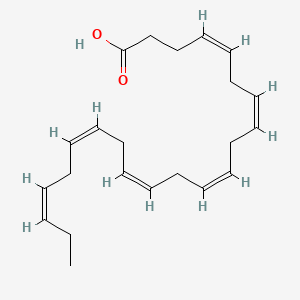
DHA (Docosahexaenoic Acid)
USDA FoodData Central reports DHA in Mollusks, oyster, eastern, wild, raw.
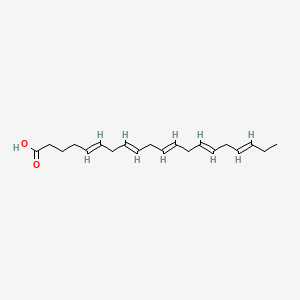
EPA (Eicosapentaenoic Acid)
USDA FoodData Central reports EPA in Mollusks, oyster, eastern, wild, raw.
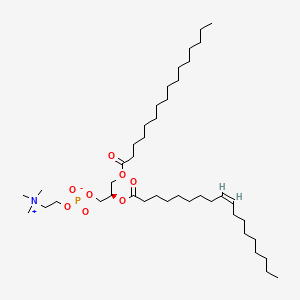
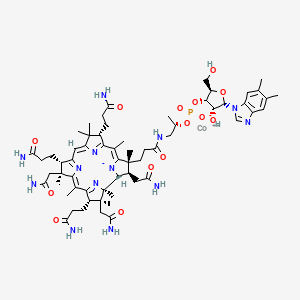
Vitamin B12 (Cobalamin)
USDA FoodData Central reports vitamin B12 in Mollusks, oyster, eastern, wild, raw.

Omega-3 Fatty Acids
USDA FoodData Central reports EPA, DHA, total omega-3 in Mollusks, oyster, eastern, wild, raw. This class link does not treat a combined total as EPA, DHA or ALA.
References
[1] Among commonly eaten foods, oysters are notable for their zinc density, supporting enzymes involved in neurotransmitter synthesis, antioxidant defence, and immune function. FAO 2013. Dietary protein quality evaluation in human nutrition (DIAAS report)
[2] Zinc concentrations vary materially by species and environment, but oysters remain among the most zinc-dense commonly eaten foods even with that variability. Yang & Li 2024. Understanding the variable metal concentrations in estuarine oysters Crassostrea hongkongensis: A biokinetic analysis
[3] Composition evidence for EPA
[4] Exploitable Lipids in Crassostrea gigas on the French Atlantic Coast (2016)