Selenium
Se2-
Overview
Selenium is an essential trace mineral that functions as a critical cofactor for glutathione peroxidase (GPx) and other antioxidant enzymes. These selenium-dependent enzymes protect cell membranes and mitochondria from oxidative damage by neutralizing harmful reactive oxygen species. Selenium works within the broader antioxidant network, supporting redox balance and protecting against oxidative stress that can impair brain function. Adequate selenium intake is important for maintaining antioxidant defenses, particularly in tissues with high metabolic activity like the brain.
Dietary absorption and meal context
- Food distribution: Selenium content in foods varies substantially by soil and feed conditions, so food composition can differ across regions.
- Food-first strategy: Seafood, eggs, meats, and moderate portions of selenium-rich nuts can support adequacy.
- Practical caution: Avoid frequent high-dose intake because selenium has a narrower safety margin than many other minerals.
Recipes
6 recipes containing this substance
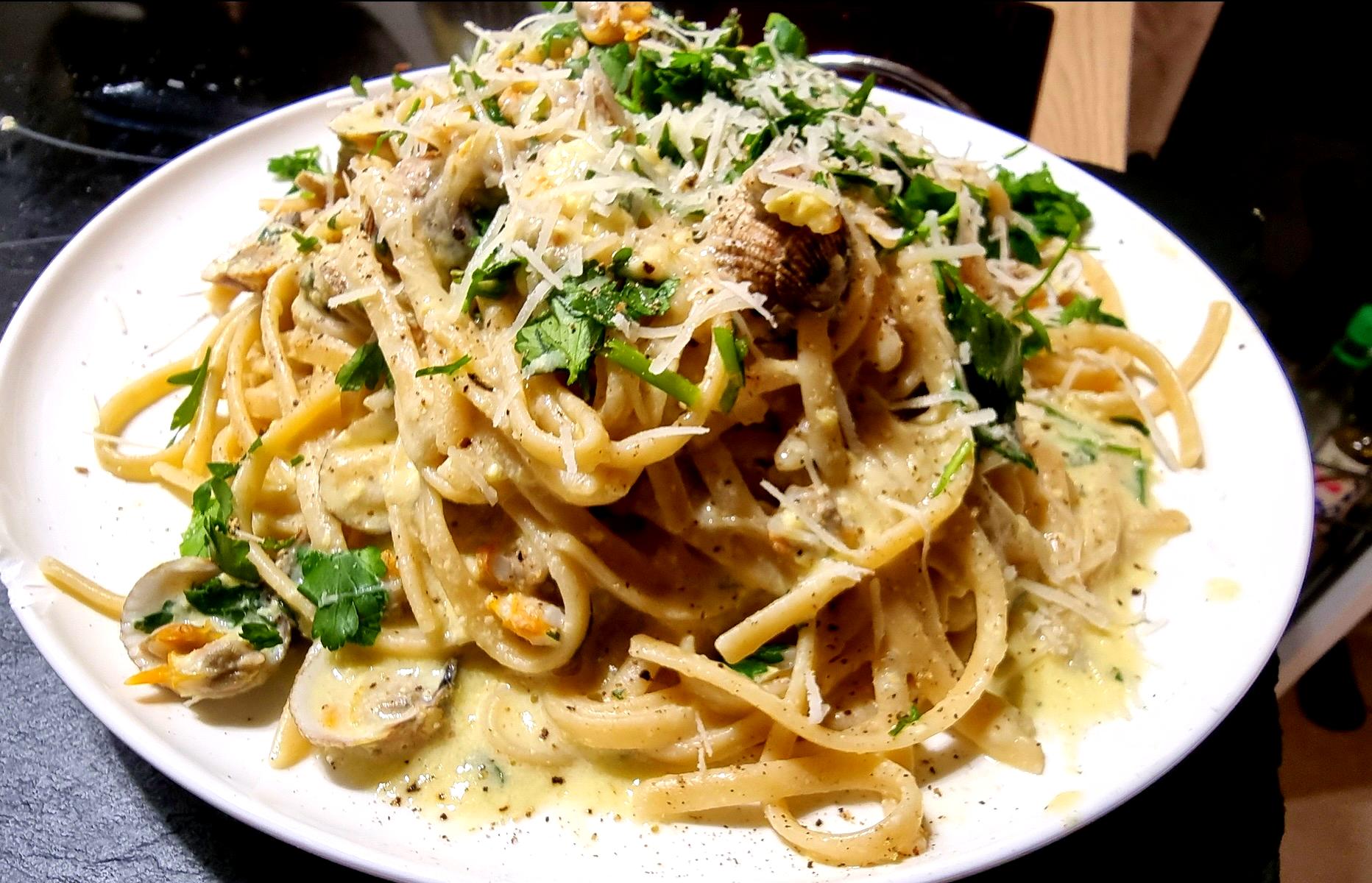
Linguine alle vongole mantecate (Linguine with cockles in a silky emulsified sauce)
Whole-wheat linguine with cockles in a silky emulsified sauce; Italian emulsification technique without cream, supporting taurine, B12, and choline intake.
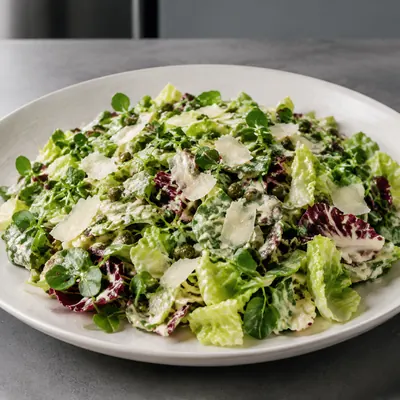
Mixed-Leaf Tahini Caesar Salad
A Caesar-style mixed-leaf salad with a tahini, anchovy, caper and Parmesan dressing, using extra virgin olive oil retained from oil-packed capers.
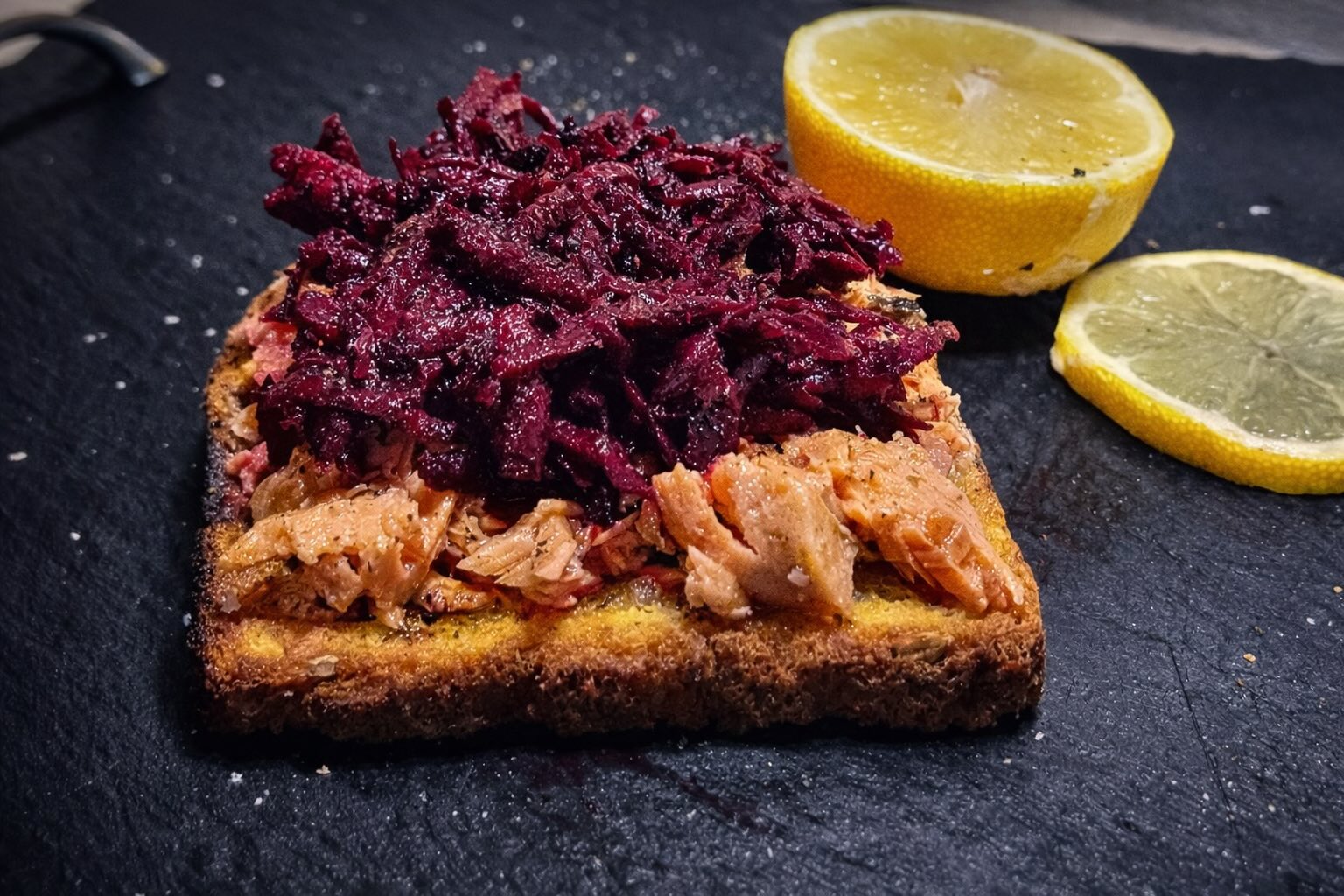
Salmon & Grated Beetroot Toast (with Lemon)
A fast, brain-forward open sandwich combining omega-3 rich salmon, nitrate/polyphenol beetroot, and lemon acidity for a sharp, savoury bite.
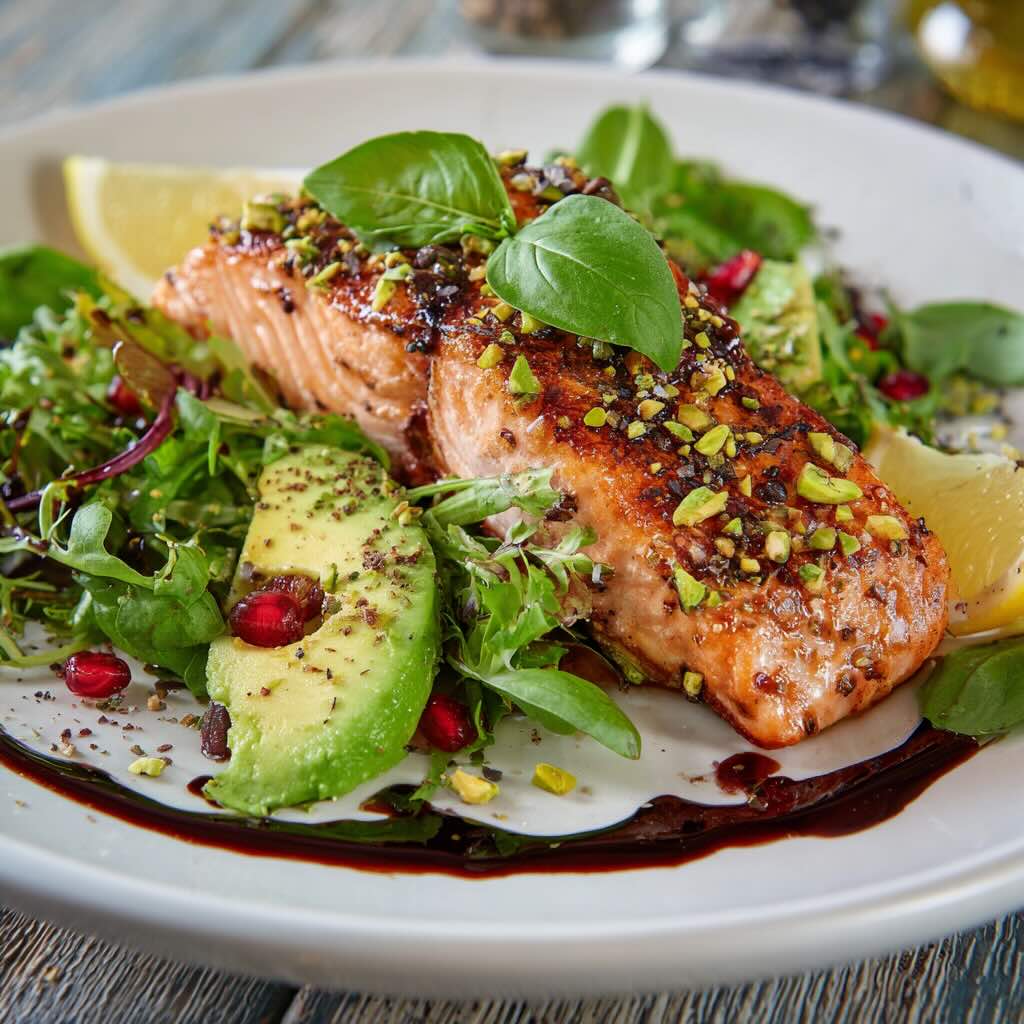
Salmon Bowl-pistachio-cacao-nibs
A Mediterranean-style bowl combining salmon, avocado, pistachios, cacao nibs, and early harvest olive oil — rich in omega-3 fats, polyphenols, and fibre.
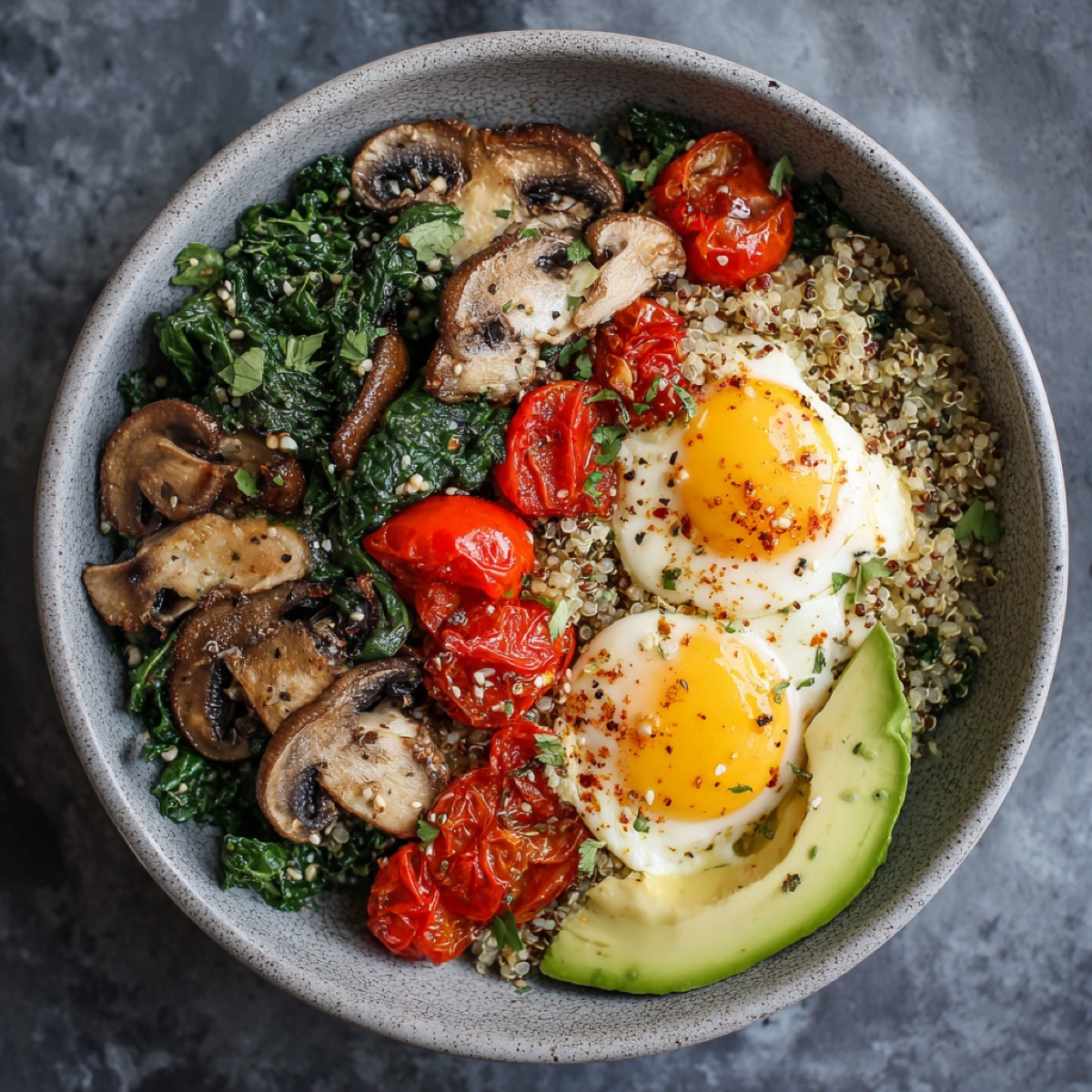
Savoury Greens & Egg Breakfast Skillet
A warm savoury breakfast skillet with eggs, greens, and slow carbohydrates for steady morning energy.
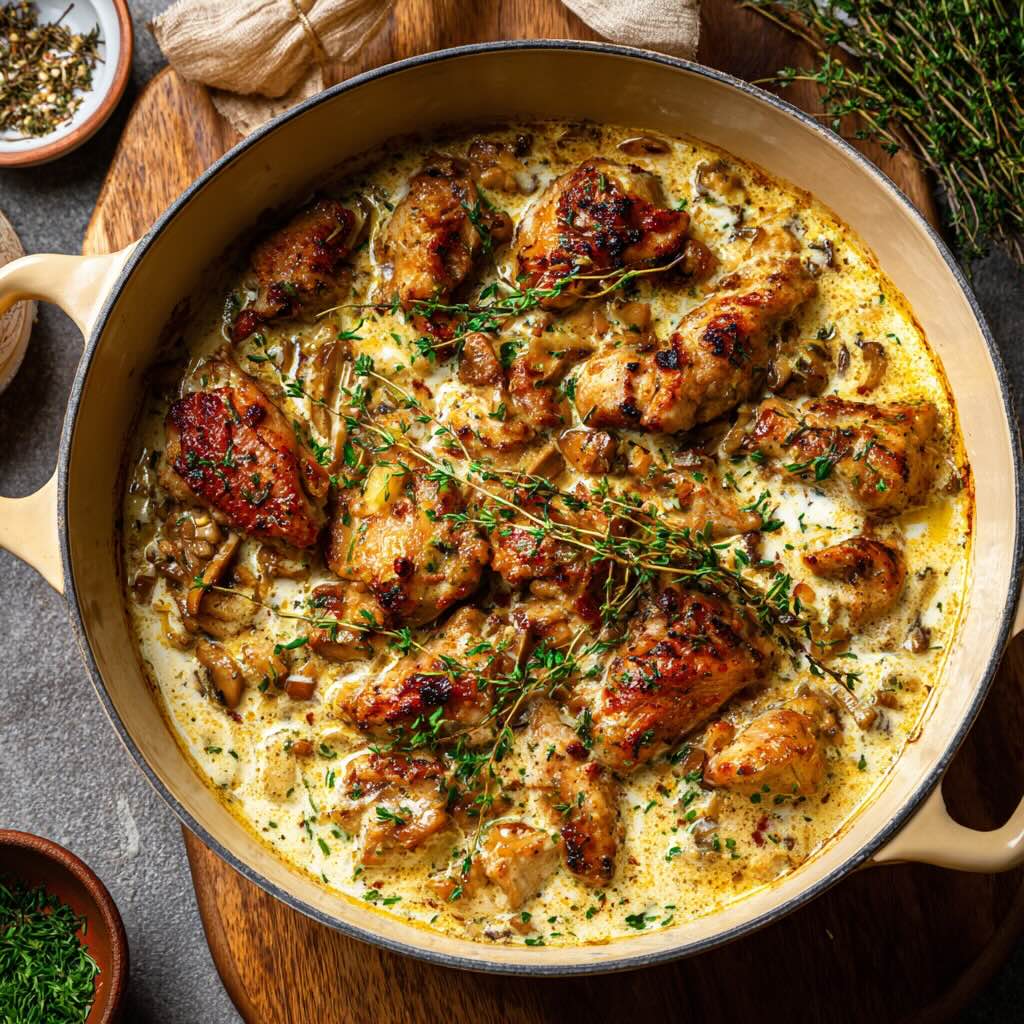
Turkey Wing Stew
A collagen-rich, glycine-heavy slow-cooked stew made from affordable turkey wings — rich in protein, tryptophan, and B vitamins.
Foods
20 foods containing this substance

Anchovies
Small oily fish, typically canned and drained, providing EPA, DHA and niacin
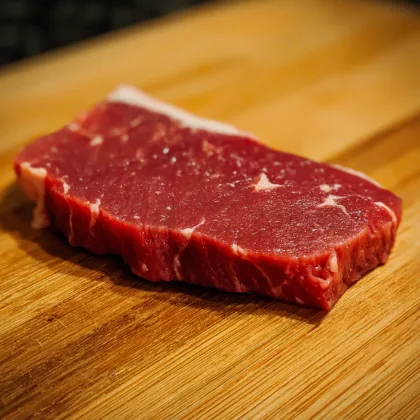
Beef
High creatine, CoQ10, and bioavailable heme iron
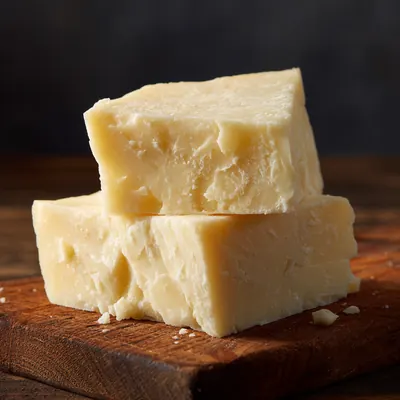
Cheddar Cheese
Hard cow’s-milk cheese rich in protein, calcium, and vitamin B12
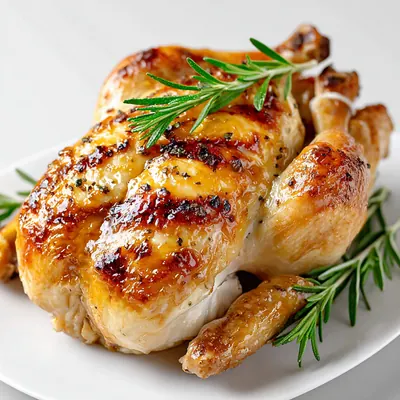
Chicken
Niacin, zinc, and tryptophan

Cockles
Bivalve shellfish providing B12, iron, zinc, selenium, and marine taurine

Crab
Lean shellfish providing complete protein, zinc, selenium, and vitamin B12

Duck Fat
Oleic acid, selenium, and palmitoleic acid for cooking
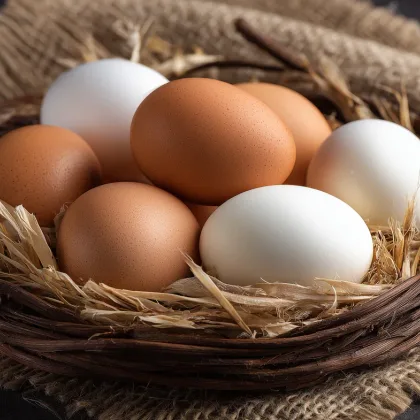
Eggs
Complete protein with choline, B vitamins, and phospholipids

Grass-Fed Butter
Butyrate, CLA, vitamins A/D/K2, selenium, and C15:0
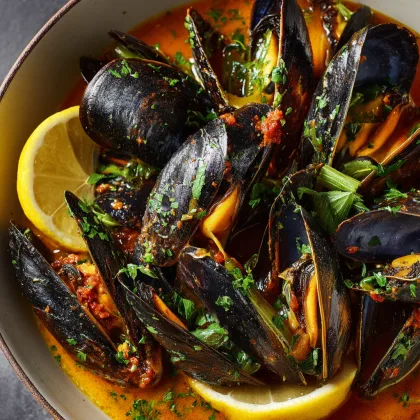
Mussels
Nutrient-dense bivalve providing phospholipid-bound omega-3s; accepted by some vegans (ostroveganism)
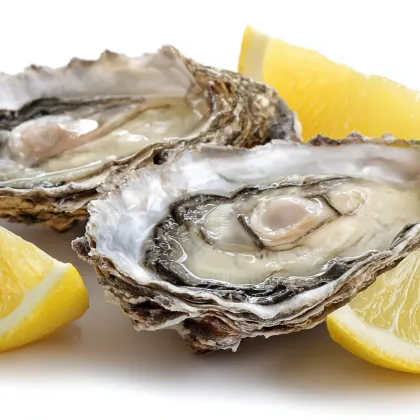
Oysters
Highest zinc content among common foods; unique source of phospholipid-bound omega-3s; accepted by some vegans (ostroveganism)

Salmon
Oily fish rich in EPA/DHA, protein, and B vitamins

Sardines
Small oily fish rich in EPA/DHA, CoQ10, and calcium

Scallops
Lean shellfish rich in creatine, taurine, and vitamin B12

Shrimp
Seafood providing protein and minerals

Sunflower Seeds
Thiamine source and sunflower lecithin precursor

Tofu
Soy-based protein source with isoflavones and choline
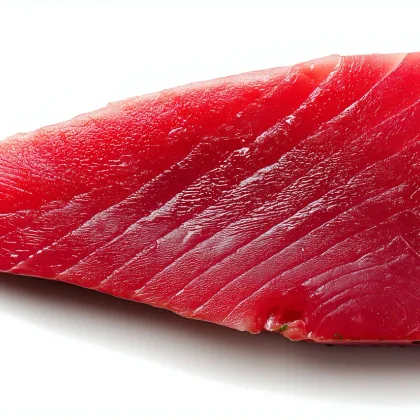
Tuna
Fish providing omega-3, niacin, selenium, and complete protein

Turkey
High tryptophan and niacin for serotonin synthesis and NAD+ production

White/Button Mushroom
Agaricus bisporus — canonical entry for white/button, cremini, chestnut (UK), and portobello; niacin and UV-exposed vitamin D
Biological Mechanisms and Implications
References
- Selenium supports glutathione peroxidase and other antioxidant systems, protecting membranes and mitochondria from oxidative damage
- Included among trace minerals essential for antioxidant networks