Phosphatidylcholine (PC)
Overview
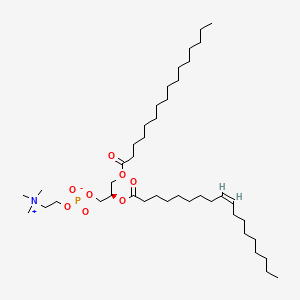
Phosphatidylcholine (PC) is a major phospholipid that is central to neuronal membrane structure and function. It plays a crucial role in membrane fluidity, neurotransmitter receptor function, and serves as a carrier for DHA and EPA. When DHA or EPA are incorporated into PC and converted to lysophosphatidylcholine (LPC), they cross the blood-brain barrier far more efficiently than free fatty acid or triglyceride-bound forms. PC is also involved in acetylcholine synthesis pathways and is a key component of the phospholipid methylation process that influences ion channel behavior and gamma oscillations linked to attention and cognition. Food sources include eggs, fish roe, and liver, and choline intake supports PC synthesis.
Recipes
2 recipes containing this substance
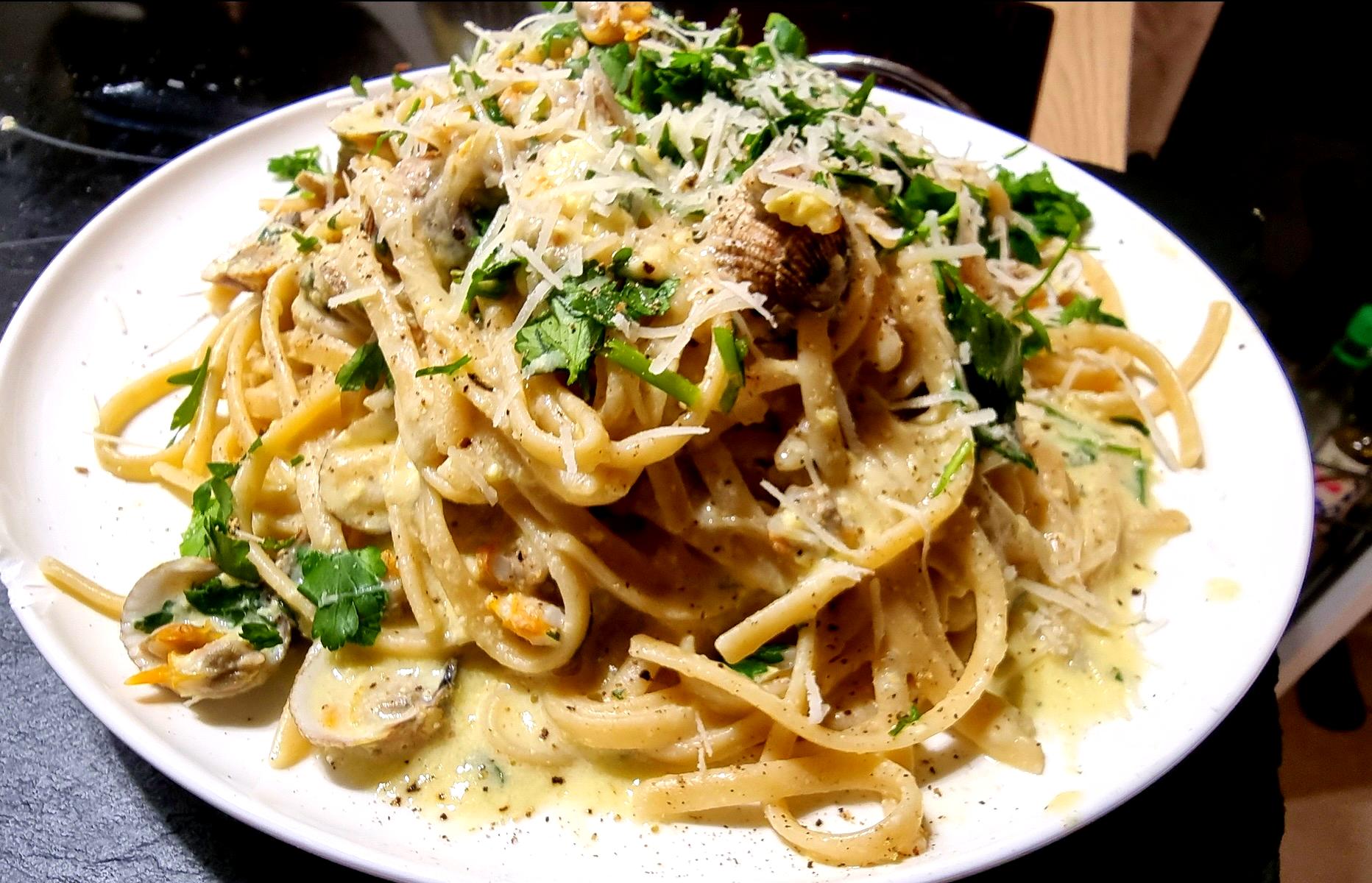
Linguine alle vongole mantecate (Linguine with cockles in a silky emulsified sauce)
Whole-wheat linguine with cockles in a silky emulsified sauce; Italian emulsification technique without cream, supporting taurine, B12, and choline intake.
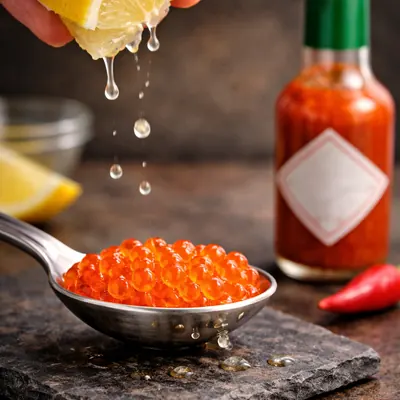
Neuroeshot (Roe, Lemon, Hot Sauce)
A small savory shot of roe, lemon juice, and fermented hot sauce for concentrated omega-3s and choline.
Foods
6 foods containing this substance
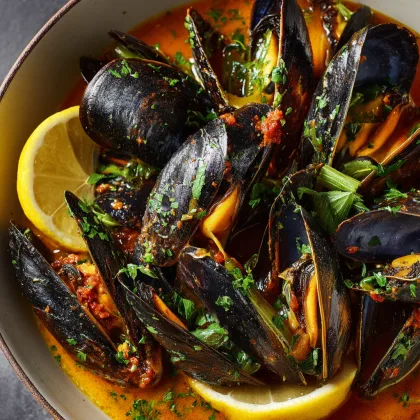
Mussels
Nutrient-dense bivalve providing phospholipid-bound omega-3s; accepted by some vegans (ostroveganism)
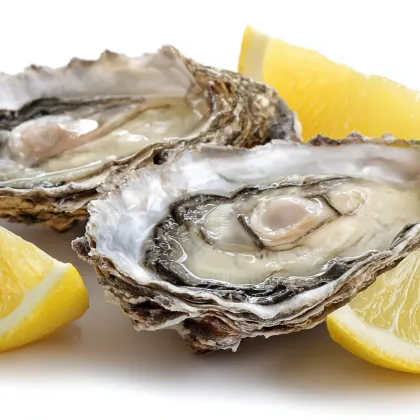
Oysters
Highest zinc content among common foods; unique source of phospholipid-bound omega-3s; accepted by some vegans (ostroveganism)
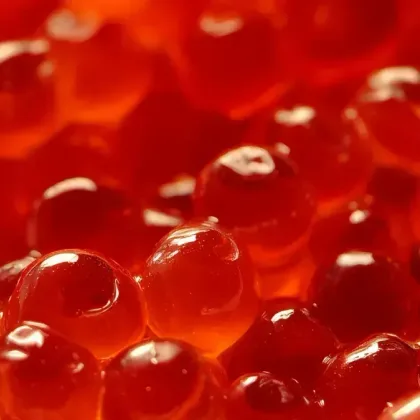
Salmon Roe
Premium salmon (ikura) eggs — phospholipid-bound EPA/DHA and choline

Soy Lecithin
Concentrated choline source for phosphatidylcholine synthesis

Sunflower Lecithin
Choline source alternative to soy lecithin
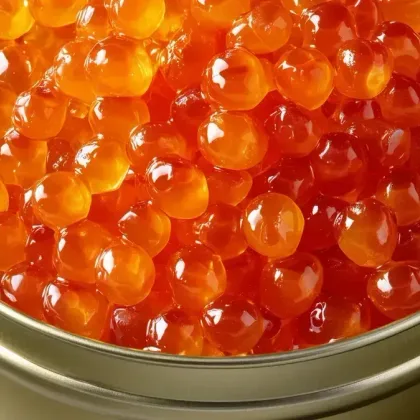
Trout Roe
Rainbow trout eggs — phospholipid omega-3s; typically mid-tier vs salmon ikura
Biological Mechanisms and Implications
References
- DHA or EPA incorporated into PC and converted into lysophosphatidylcholine (LPC) crosses the blood-brain barrier far more efficiently than free fatty acid or triglyceride-bound forms Patrick 2019
- Phospholipid-bound omega-3s (krill oil, fish roe) were approximately 1.9× more efficacious for gray matter DHA in porcine models Liu et al. 2014
- Food sources supporting PC: eggs, fish roe, liver; choline intake supports PC synthesis