Pumpkin Seeds

Overview
Pumpkin seeds are nutrient-dense seeds providing zinc, tryptophan, magnesium, and other minerals critical for neurotransmitter synthesis and antioxidant function. Pumpkin seeds have high zinc content for neurotransmitter modulation and are listed as sources for tryptophan, zinc, and glutamate synthesis. Plant zinc is less bioavailable due to phytates; soaking/sprouting helps improve bioavailability.
Key Nutritional Highlights
- Dense source of zinc and iron relative to many commonly consumed nuts and seeds.
- Higher protein density than many seed toppings used in similar serving sizes.
- Notable tryptophan contribution among plant foods used in snacks and breakfast add-ins.
- Phytate content can reduce apparent mineral bioavailability; soaking/sprouting can improve practical uptake.
Food Context
Synergies
- Soak to reduce phytates and improve mineral bioavailability; soaking and sprouting reduces phytates in legumes/grains, improving non-heme iron and zinc bioavailability
- Pair with grains for complete amino acid profile; grain-legume complementarity improves essential amino-acid coverage
- Pair with complex carbs for tryptophan-to-serotonin conversion; tryptophan + complex carbohydrates aid serotonin conversion to melatonin; examples include pumpkin seeds + oats
Preparation
- Plant zinc less bioavailable due to phytates; soaking/sprouting helps improve bioavailability
Essential Amino Acid Profile
Pumpkin seeds provide a good plant source of protein but are not a complete protein.
Notable amino acids:
- Tryptophan
- Leucine
Limiting amino acids:
- Lysine
Protein pairing strategy:
Pumpkin seeds are notable for tryptophan and leucine but relatively low in lysine. Combining with grains or legumes helps create a more balanced essential amino acid profile.
Recipes
3 recipes containing this food
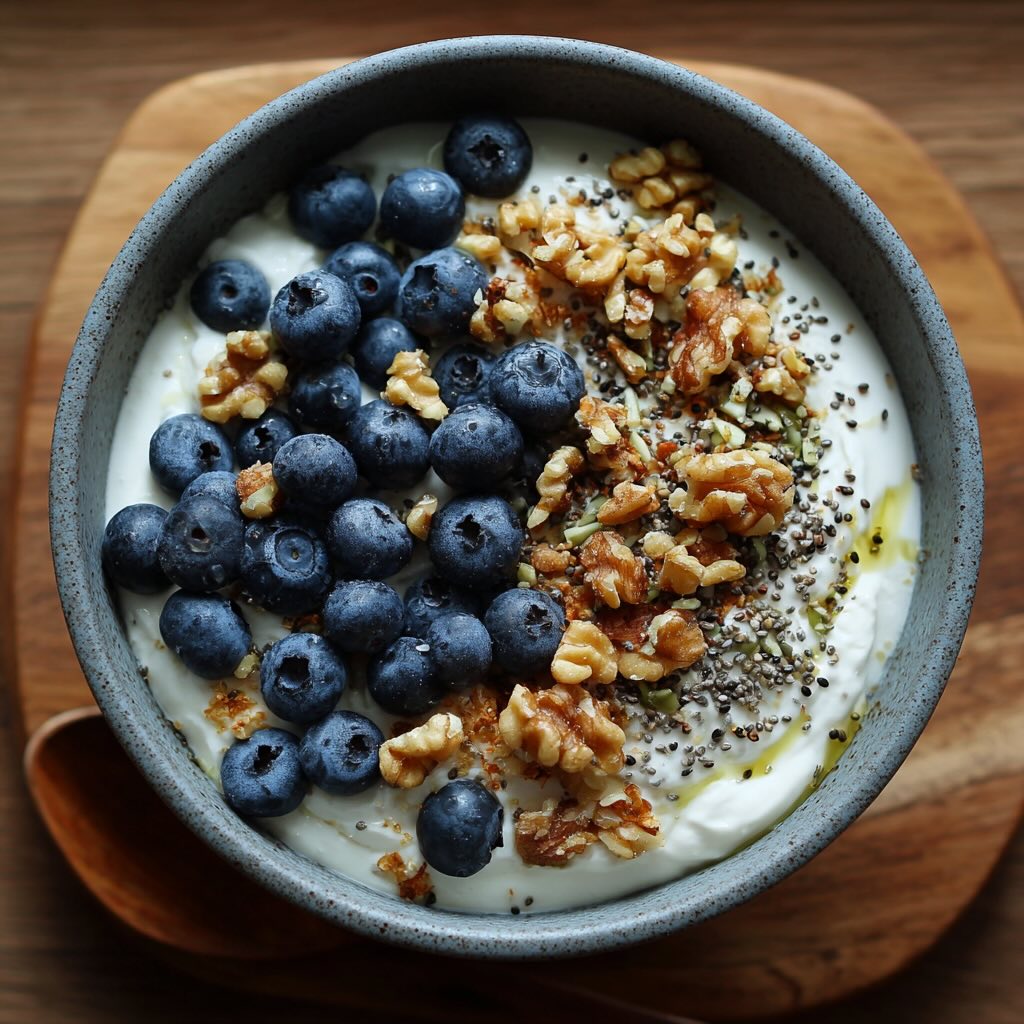
Ginger Yogurt and Blueberries
A polyphenol-rich breakfast bowl with high fibre, combining ginger, omega-3 nuts, blueberry polyphenols, and probiotic yogurt.
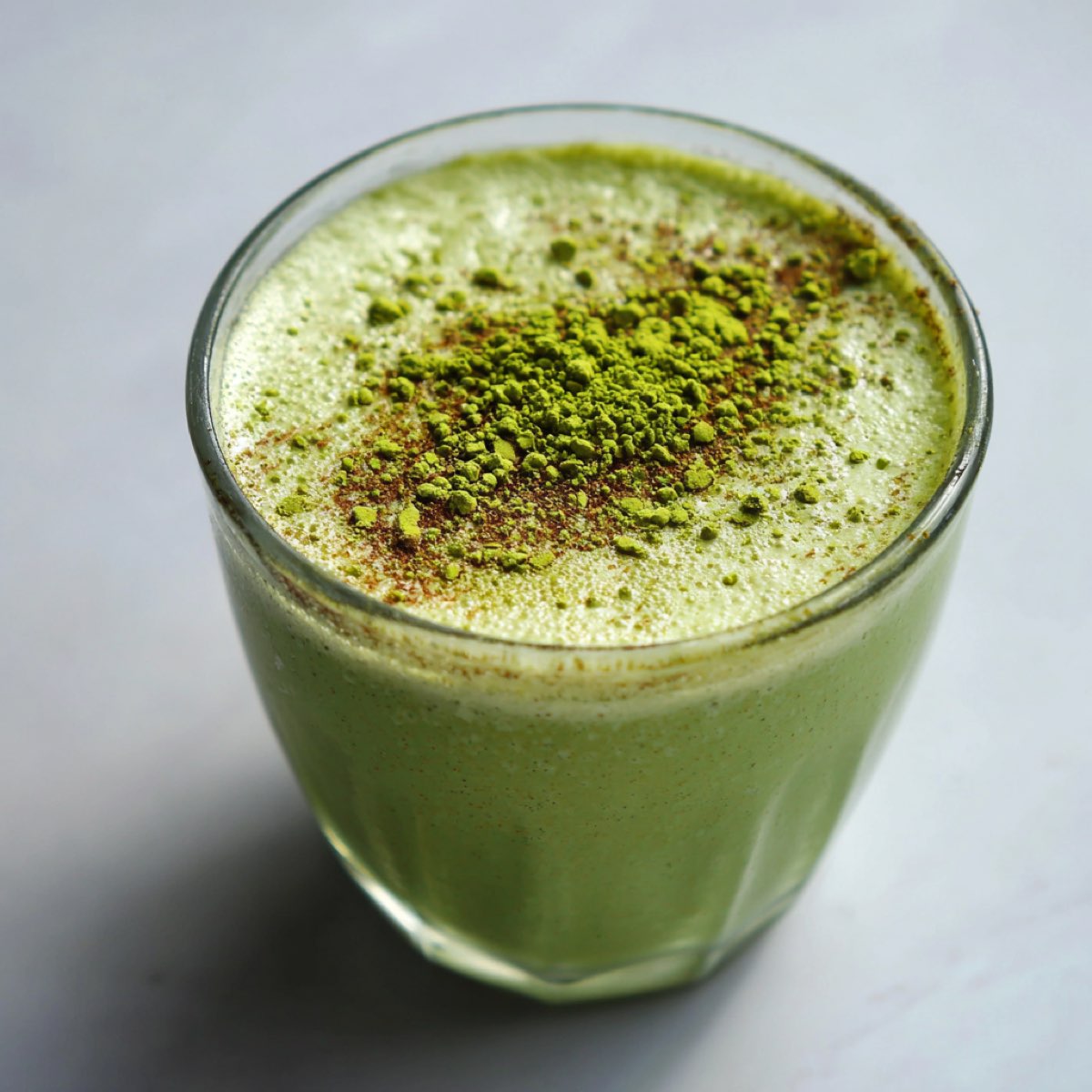
Matcha Mitochondria Smoothie
Mitochondrial energising smoothie rich in polyphenols, magnesium, and antioxidants
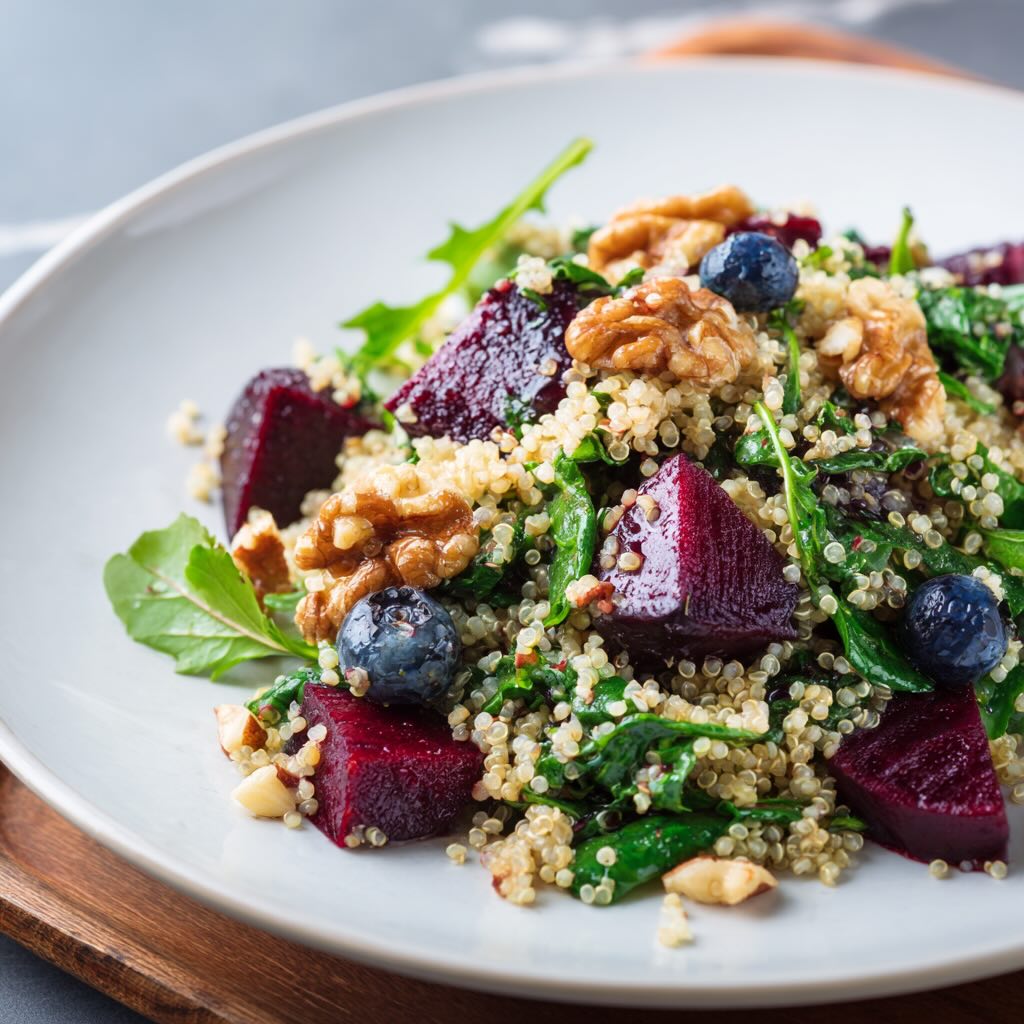
Mitochondrial Power Bowl
A nitrate-rich, polyphenol-dense bowl combining leafy greens, beets, berries, nuts, and early harvest olive oil
Nutrient Tables (per 100 g)
Selected food and preparation: Seeds, pumpkin and squash seed kernels, dried. per 100 g edible portion.
Core nutrients
| Nutrient | Amount per 100 g | % reference intake per 100 g |
|---|---|---|
| Energy | 559 kcal | — |
| Protein | 30.2 g | — |
| Total fat | 49.1 g | — |
| Saturated fat | 8.7 g | — |
| Carbohydrates | 10.7 g | — |
| Sugars | 1.4 g | — |
| Fibre | 6 g | — |
Key vitamins and minerals
Vitamins and minerals supplying at least 10% of an adult reference intake per 100 g, derived from the composition panel.
| Nutrient | Amount per 100 g | % reference intake per 100 g |
|---|---|---|
| Iron | 8.8 mg | 49% |
| Zinc | 7.8 mg | 71% |
| Magnesium | 592 mg | 141% |
| Phosphorus | 1233 mg | 176.1% |
| Manganese | 4.5 mg | 197.5% |
| Selenium | 9.4 µg | 17.1% |
| Potassium | 809 mg | 23.8% |
| Copper | 1.3 mg | 149.2% |
| Choline | 63 mg | 11.5% |
| Folate | 58 µg | 14.5% |
| Vitamin B6 | 0.1 mg | 11% |
| Vitamin B2 | 0.2 mg | 11.8% |
| Vitamin B1 | 0.3 mg | 22.8% |
| Vitamin B3 | 5 mg | 31.2% |
| Vitamin B5 | 0.8 mg | 15% |
| Vitamin E | 2.2 mg | 14.5% |
Substances
5 substances in this food
Iron
USDA FoodData Central reports iron in Seeds, pumpkin and squash seed kernels, dried.
Magnesium
USDA FoodData Central reports magnesium in Seeds, pumpkin and squash seed kernels, dried.
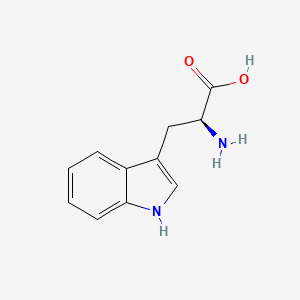
Tryptophan
USDA FoodData Central reports tryptophan in Seeds, pumpkin and squash seed kernels, dried.
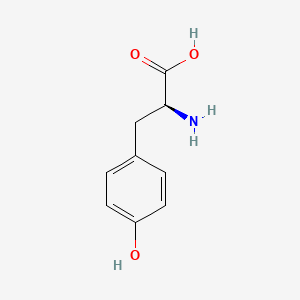
Tyrosine
USDA FoodData Central reports tyrosine in Seeds, pumpkin and squash seed kernels, dried.
Zinc
USDA FoodData Central reports zinc in Seeds, pumpkin and squash seed kernels, dried.
References
[1] Mariotti & Gardner (2019). Plant-protein adequacy, limiting amino acids, and practical complementarity