Chia Seeds
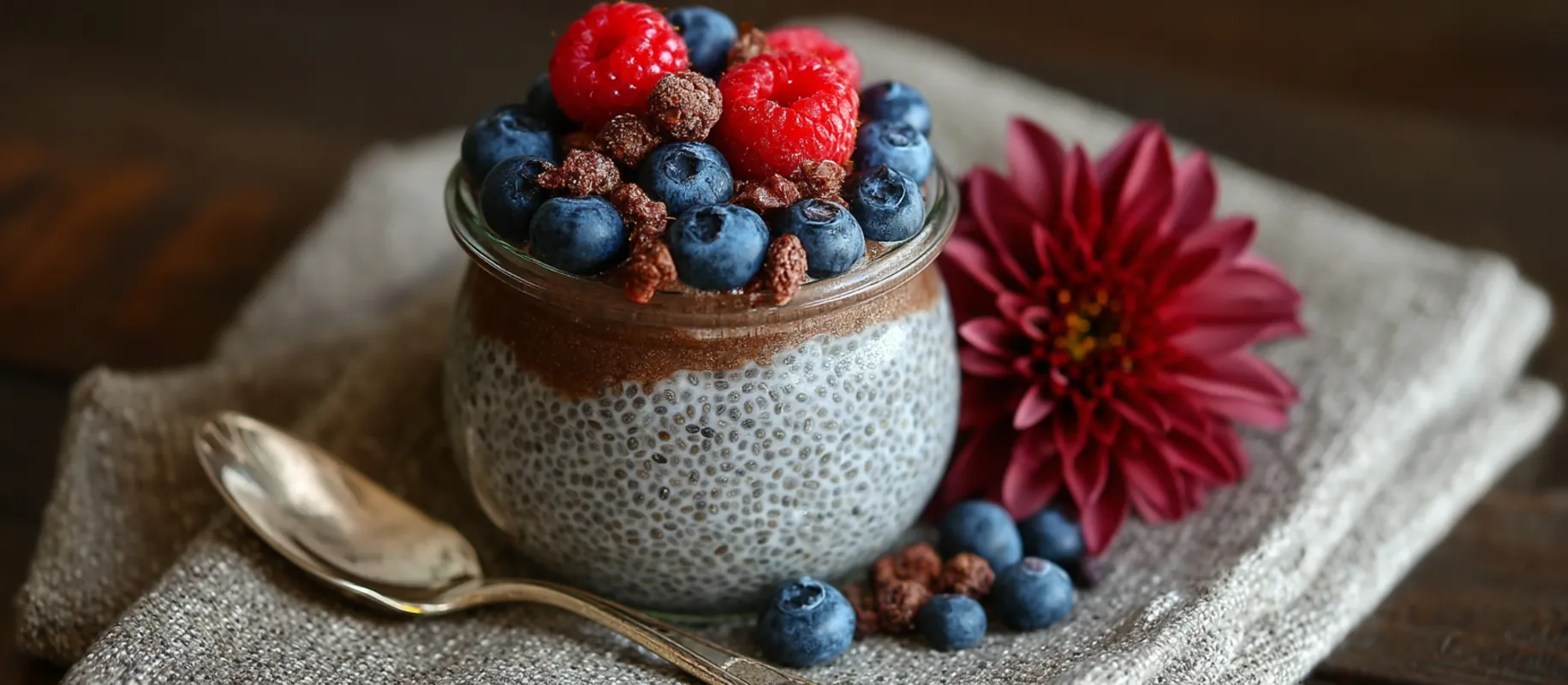
Overview
Chia seeds provide ALA omega-3, fibre, and plant protein in a hydrophilic seed matrix [1]. They are lysine-limited like most nuts/seeds and pair with legumes for amino-acid balance [2].
Within the BRAIN Diet framework, chia is a fibre and ALA source used in puddings, yogurts, and baked goods; hydration forms a gel that slows gastric emptying.
Key Nutritional Highlights
- ALA omega-3 and very high fibre per 100 g; typical portions are 1–2 tablespoons [1].
- Lysine-limited plant protein; pair with legumes [2].
- Gel formation when soaked; useful soluble-fibre addition.
- Energy-dense; 100 g table values exceed normal serving sizes.
Food Context
Synergies
- Part of diverse seed intake; dietary diversity (≥30 plant foods per week) supports microbial richness and resilience
- Limited ALA-to-DHA conversion; consider algal DHA for direct omega-3 support; conversion from ALA is less than 5% in most adults
Preparation
- Can be consumed raw, soaked, or in recipes; soaking creates gel-like consistency
- Supports gut health via soluble fiber; prebiotic fibres support Bifidobacterium, Akkermansia; ↑ butyrate production; improved gut barrier
Essential Amino Acid Profile
Chia Seeds provide plant protein but are not a complete protein; lysine is typically limiting for nuts and seeds.
Protein pairing strategy:
Pair with legumes or grains to complete essential amino acid coverage.
Recipes
3 recipes containing this food
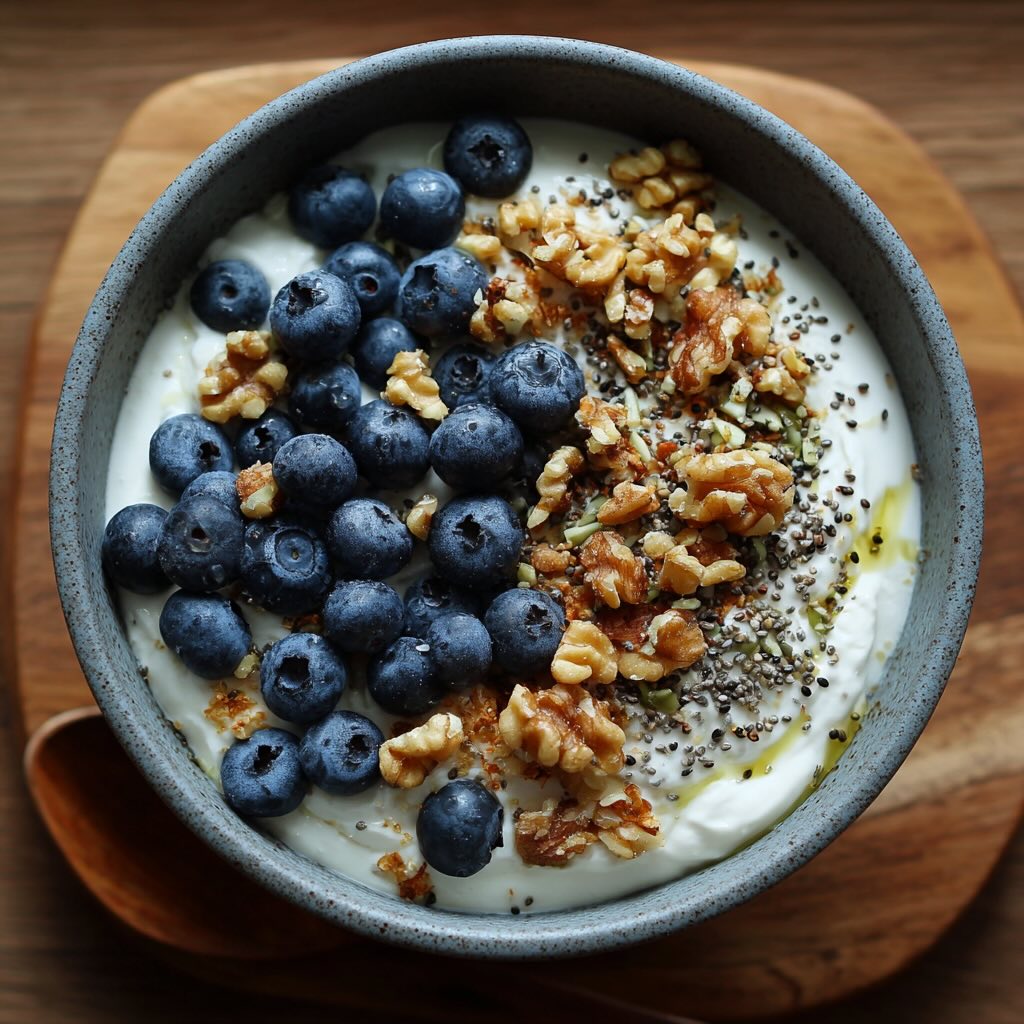
Ginger Yogurt and Blueberries
A polyphenol-rich breakfast bowl with high fibre, combining ginger, omega-3 nuts, blueberry polyphenols, and probiotic yogurt.
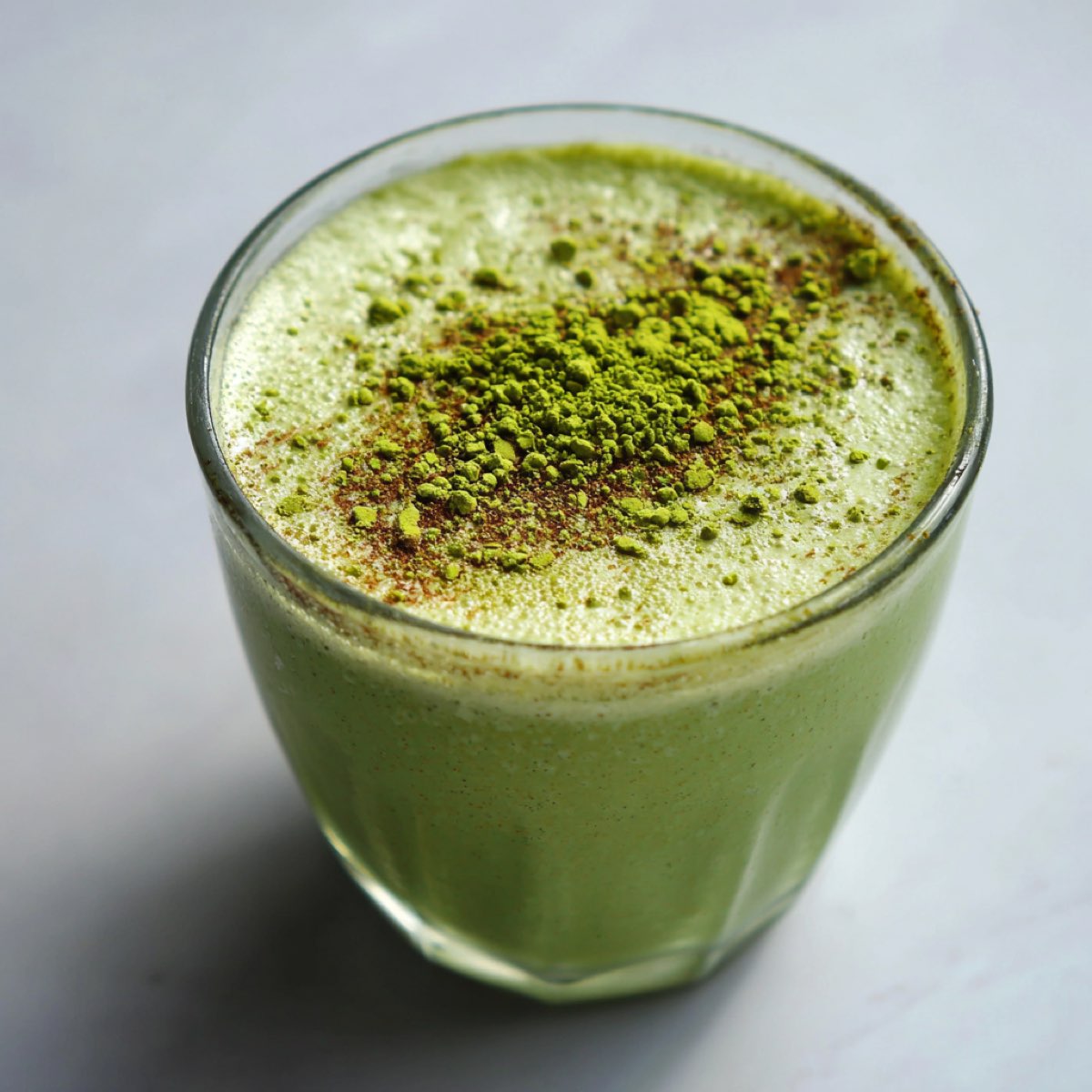
Matcha Mitochondria Smoothie
Mitochondrial energising smoothie rich in polyphenols, magnesium, and antioxidants
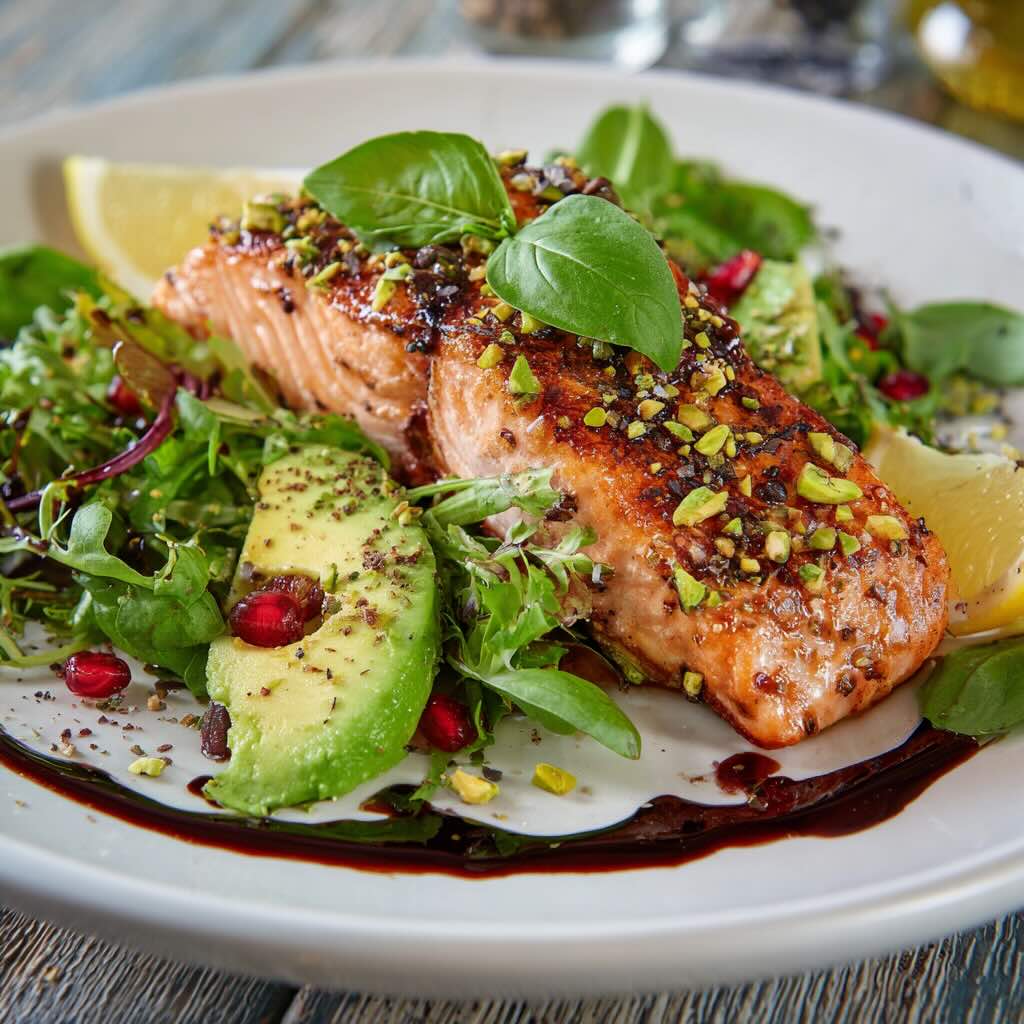
Salmon Bowl-pistachio-cacao-nibs
A Mediterranean-style bowl combining salmon, avocado, pistachios, cacao nibs, and early harvest olive oil — rich in omega-3 fats, polyphenols, and fibre.
Nutrient Tables (per 100 g)
Selected food and preparation: Seeds, chia seeds, dried. per 100 g edible portion.
Core nutrients
| Nutrient | Amount per 100 g | % reference intake per 100 g |
|---|---|---|
| Energy | 486 kcal | — |
| Protein | 16.5 g | — |
| Total fat | 30.7 g | — |
| Saturated fat | 3.3 g | — |
| Carbohydrates | 42.1 g | — |
| Fibre | 34.4 g | — |
Key vitamins and minerals
Vitamins and minerals supplying at least 10% of an adult reference intake per 100 g, derived from the composition panel.
| Nutrient | Amount per 100 g | % reference intake per 100 g |
|---|---|---|
| Iron | 7.7 mg | 42.9% |
| Zinc | 4.6 mg | 41.6% |
| Magnesium | 335 mg | 79.8% |
| Phosphorus | 860 mg | 122.9% |
| Manganese | 2.7 mg | 118.4% |
| Selenium | 55.2 µg | 100.4% |
| Calcium | 631 mg | 63.1% |
| Potassium | 407 mg | 12% |
| Copper | 0.9 mg | 102.7% |
| Folate | 49 µg | 12.3% |
| Vitamin B2 | 0.2 mg | 13.1% |
| Vitamin B1 | 0.6 mg | 51.7% |
| Vitamin B3 | 8.8 mg | 55.2% |
Bioactive compounds
Content applies to the food and preparation identified in the source notes.
| Compound / class | Amount per 100 g | Notes |
|---|---|---|
| Linoleic Acid | 5.8 g | — |
| Alpha-linolenic acid (ALA; 18:3 n-3) | 17830 mg | — |
This value uses a documented composition interpretation. See FCIR-020.
Substances
6 substances in this food
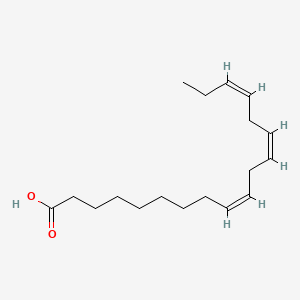
ALA (Alpha-Linolenic Acid)
USDA FoodData Central reports alpha-linolenic acid in Seeds, chia seeds, dried.
Calcium
USDA FoodData Central reports calcium in Seeds, chia seeds, dried.
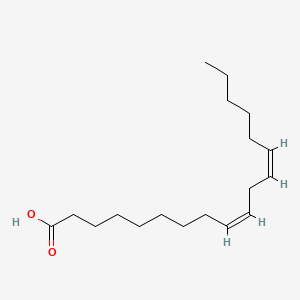
Linoleic Acid (LA, n-6)
USDA FoodData Central reports linoleic acid in Seeds, chia seeds, dried.
Magnesium
USDA FoodData Central reports magnesium in Seeds, chia seeds, dried.
Manganese
USDA FoodData Central reports manganese in Seeds, chia seeds, dried.
Phosphorus (Phosphate)
USDA FoodData Central reports phosphorus in Seeds, chia seeds, dried.
References
[1] ALA omega-3 and very high fibre per 100 g; typical portions are 1–2 tablespoons. NIH 2025. Omega-3 Fatty Acids: Fact Sheet for Health Professionals
[2] Lysine-limited plant protein; pair with legumes. Mariotti & Gardner 2019. Dietary Protein and Amino Acids in Vegetarian Diets—A Review