Liver

Overview
Liver is a highly nutrient-dense organ meat providing exceptionally high amounts of vitamin B12, folate, retinol (vitamin A), heme iron, and choline. These nutrients support one‑carbon metabolism, red blood cell formation, and neurotransmitter-related pathways, making liver a potent “micronutrient booster” when used occasionally rather than daily [1].
Within the BRAIN Diet framework, liver is typically treated as a periodic offal food that can help close nutrient gaps (especially B12, folate, and retinol) while keeping the overall diet plant-forward. Because liver is also a concentrated source of preformed vitamin A, portion size and frequency matter; gentle cooking and thoughtful sourcing help balance nutrient density with practical tolerability [1,2].
Key Nutritional Highlights
- Highest iron among BRAIN Diet meat and organ pages (per 100 g).
- Nutrient-dense source of complete protein plus highly bioavailable vitamins and minerals.
- Typically richer than standard muscle meat in vitamin B12 and other micronutrients.
- Contains no dietary fibre, so meals are usually more balanced with vegetables, legumes, or whole grains.
- Nutrient concentrations can be very high, so portion size and frequency are useful practical levers.
- Processing and cooking method still matter for overall dietary context.
Advanced Nutrition
Amino acids
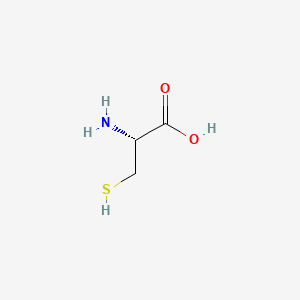
Liver supplies cystine, which contributes to cysteine availability. This raw beef liver contains 376 mg per 100 g, about 425 mg in 113 g (4 oz). On that raw weight it is a relatively rich cystine source.
Food-composition values are representative, not fixed. Variety, preparation and source can change the amount.
Food Context
Sourcing
- Source from grass-fed/pasture-raised animals when possible for optimal nutrient profile
Preparation
- Moderate consumption due to high vitamin A content (retinol can accumulate)
- Gentle cooking preserves nutrients and prevents formation of advanced glycation end products (AGEs)
- Important for vegan/vegetarian nutrient gap closure, though not suitable for vegetarians
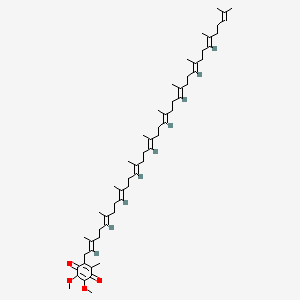
- Organ meats (heart, liver), oily fish (sardines, mackerel), beef are top sources for CoQ10
Essential Amino Acid Profile
This food provides a complete essential amino acid profile typical of animal proteins.
Recipes
Nutrient Tables (per 100 g)
Selected food and preparation: Beef, variety meats and by-products, liver, raw. per 100 g edible portion.
Core nutrients
| Nutrient | Amount per 100 g | % reference intake per 100 g |
|---|---|---|
| Energy | 135 kcal | — |
| Protein | 20.4 g | — |
| Total fat | 3.6 g | — |
| Saturated fat | 1.2 g | — |
| Carbohydrates | 3.9 g | — |
Key vitamins and minerals
Vitamins and minerals supplying at least 10% of an adult reference intake per 100 g, derived from the composition panel.
| Nutrient | Amount per 100 g | % reference intake per 100 g |
|---|---|---|
| Iron | 4.9 mg | 27.2% |
| Zinc | 4 mg | 36.4% |
| Phosphorus | 387 mg | 55.3% |
| Manganese | 0.3 mg | 13.5% |
| Selenium | 39.7 µg | 72.2% |
| Copper | 9.8 mg | 1083.9% |
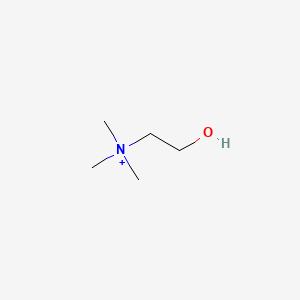
| Choline | 333.3 mg | 60.6% |
| Folate | 290 µg | 72.5% |
| Vitamin B12 | 59.3 µg | 2470.8% |
| Vitamin B6 | 1.1 mg | 83.3% |
| Vitamin B2 | 2.8 mg | 211.9% |
| Vitamin B1 | 0.2 mg | 15.8% |
| Vitamin B3 | 13.2 mg | 82.3% |
| Vitamin B5 | 7.2 mg | 143.5% |
| Vitamin A | 4968 µg | 552% |
Bioactive compounds
| Compound / class | Amount per 100 g | Notes |
|---|---|---|
| CoQ10 | Present [3] | beef and pork liver |
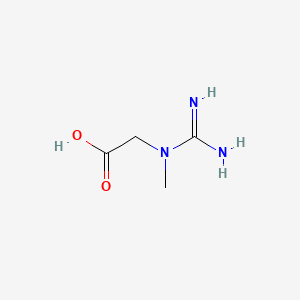
| Creatine | Present [3] | the named meat or fish tissue |
- CoQ10: Reported in beef and pork liver. [3]
- Creatine: Contains creatine; amounts vary with the cut and cooking. [3]
Technical provenance
CoQ10: Kulczynski et al. (2019), Characteristics of Selected Antioxidative and Bioactive Compounds in Meat and Animal Origin Products. Table 7 identifies individual CoQ10 in beef and pork liver; no representative generic liver amount used. [3]
Creatine: Kulczynski et al. (2019), Characteristics of Selected Antioxidative and Bioactive Compounds in Meat and Animal Origin Products. Table 7 separately lists positive creatine for beef muscle, lamb, pork ham, beef liver and tuna. No range assigned across different foods or cuts. [3]
Substances
8 substances in this food
Cysteine
Cystine 376 mg per 100 g of Beef, variety meats and by-products, liver, raw (FDC 169451). A 113 g (4 oz) portion is about 425 mg. Composition only; not a glutathione-synthesis result.
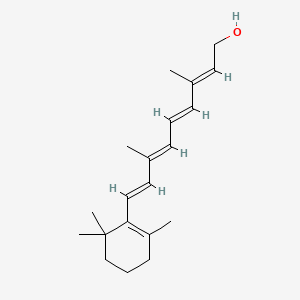
Vitamin A (Retinoids; β-Carotene precursor)
USDA FoodData Central reports vitamin A as retinol activity equivalents in Beef, variety meats and by-products, liver, raw.
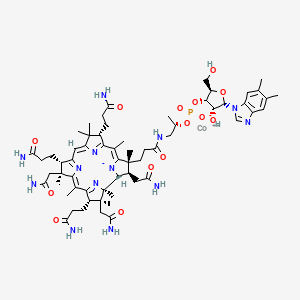
Vitamin B12 (Cobalamin)
USDA FoodData Central reports vitamin B12 in Beef, variety meats and by-products, liver, raw.
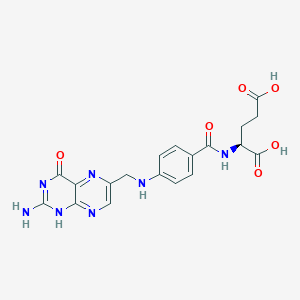
Vitamin B9 (Folate)
USDA FoodData Central reports folate in Beef, variety meats and by-products, liver, raw. The recorded analyte is folate.
References
[1] Latoch et al. (2024). Edible offal as a valuable source of nutrients (review). These nutrients support one‑carbon metabolism, red blood cell formation, and neurotransmitter-related pathways, making liver a potent “micronutrient booster” when used occasionally rather than daily.
[2] Crane et al. (2001). Biochemical functions of coenzyme Q10 in mitochondria