Vitamin B2 (Riboflavin)
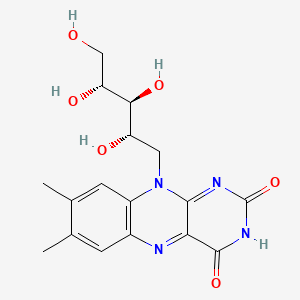
Overview
Vitamin B2, also known as riboflavin, is a water-soluble vitamin that forms the coenzymes FMN (flavin mononucleotide) and FAD (flavin adenine dinucleotide). These coenzymes support oxidative metabolism and redox balance throughout the body. FAD acts as a critical cofactor for MTHFR (methylenetetrahydrofolate reductase), linking riboflavin to homocysteine recycling and methylation capacity. Riboflavin also facilitates the metabolism of other B vitamins including B12, B6, and niacin, and supports antioxidant enzymes, making it an important component of the B vitamin network.
Recipes
10 recipes containing this substance
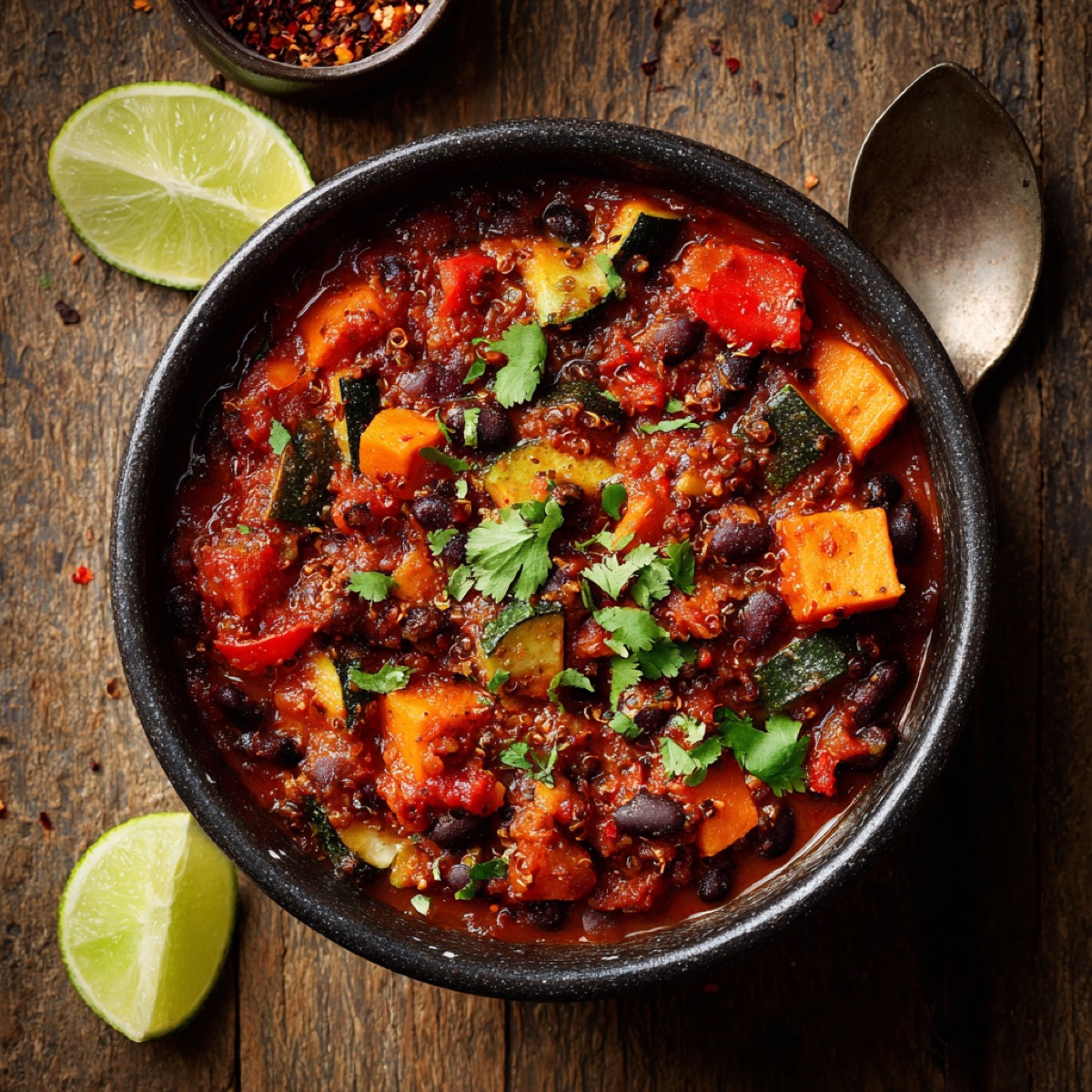
Black Bean & Sweet Potato Vegetable Chilli
A fibre-rich bean and vegetable chilli with warming spices and slow carbohydrates for steady energy and satiety.
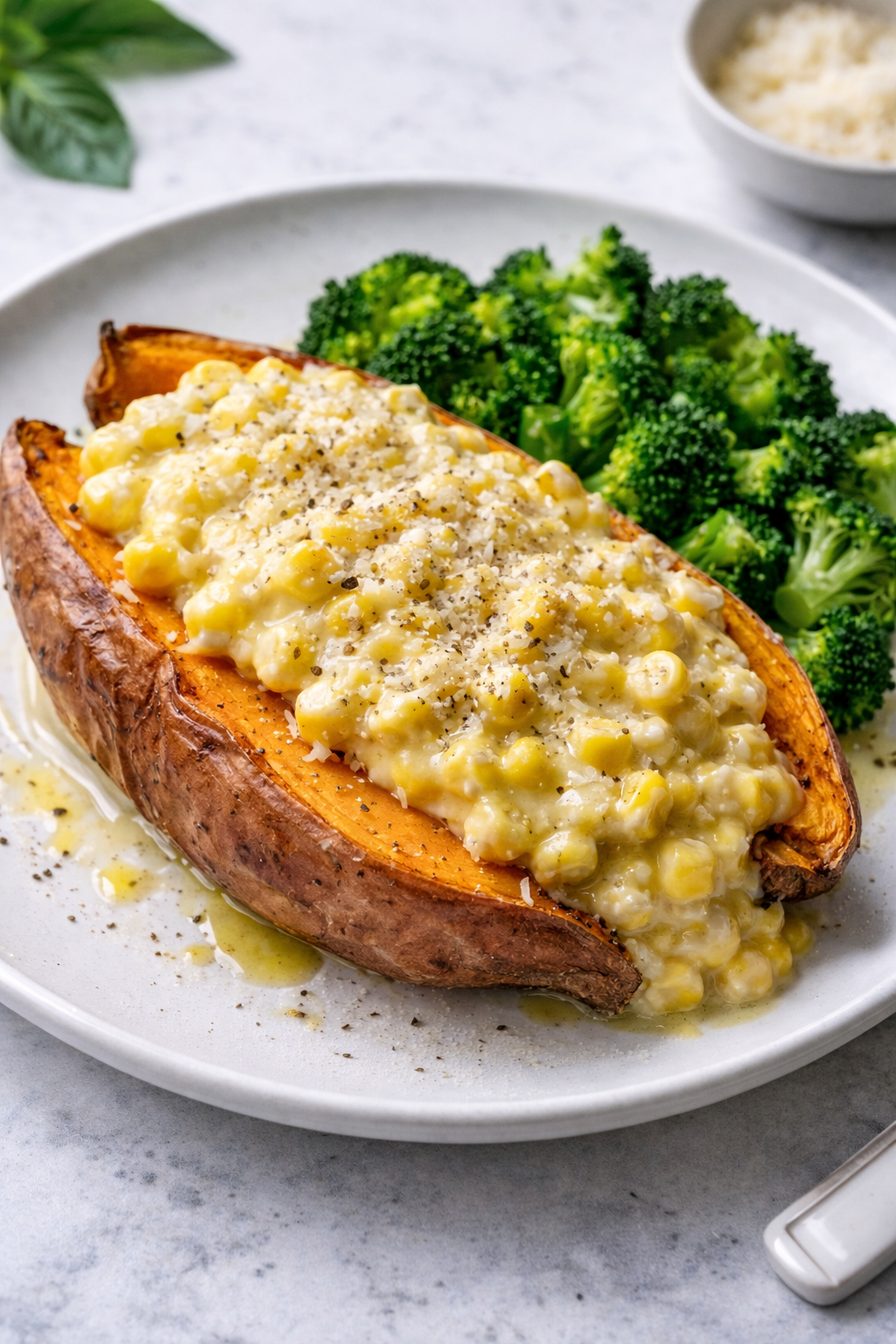
Creamed Corn on Roasted Sweet Potato
Roasted sweet potato with creamed corn and a mixed lipid phase to enhance carotenoid absorption; served with broccoli for fibre and glucosinolates.
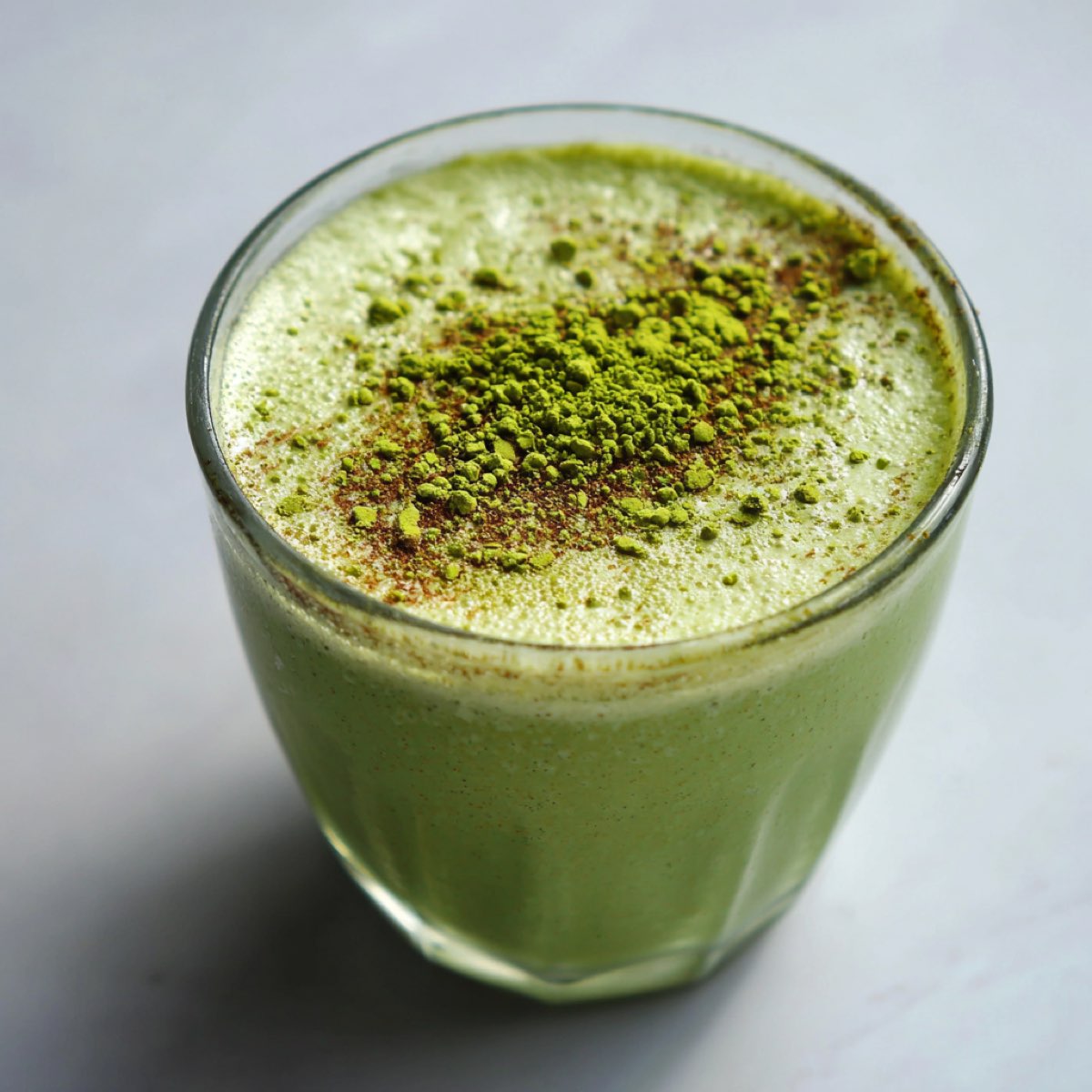
Matcha Mitochondria Smoothie
Mitochondrial energising smoothie rich in polyphenols, magnesium, and antioxidants
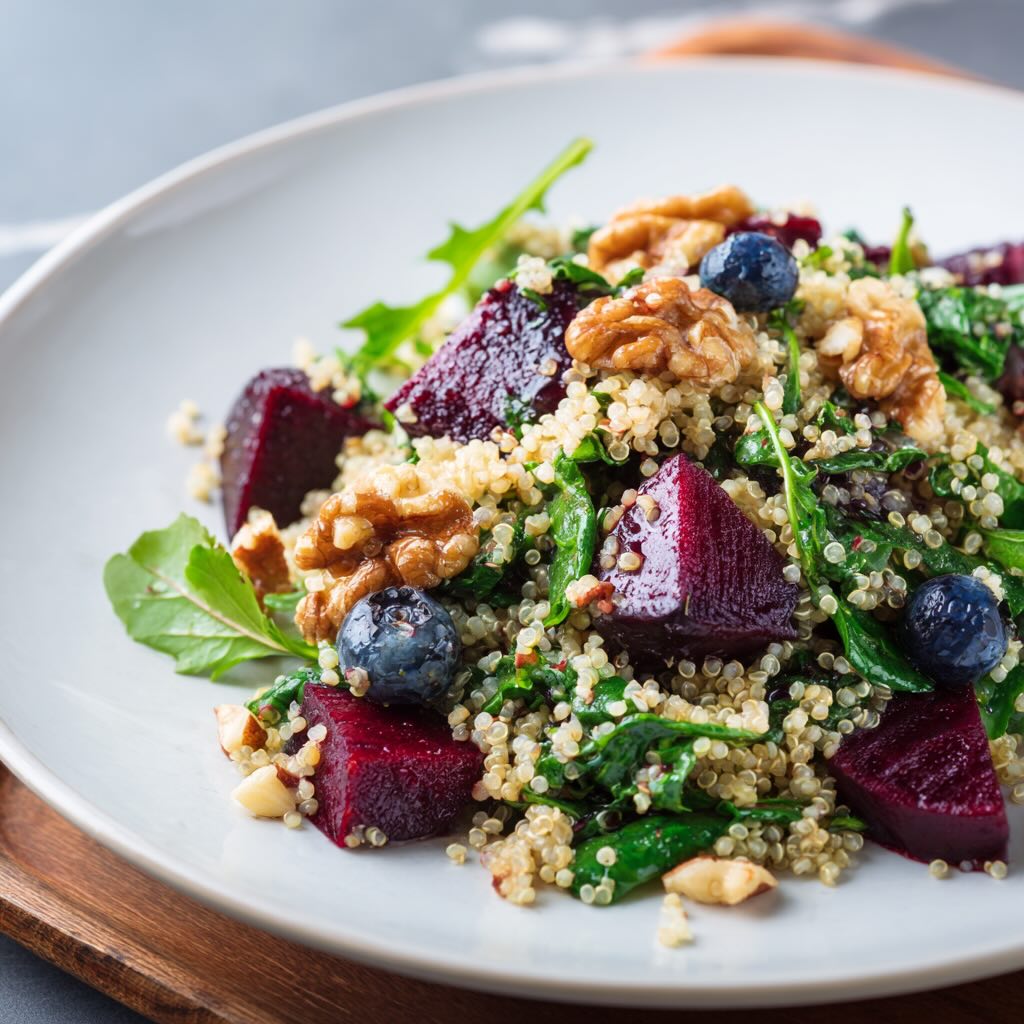
Mitochondrial Power Bowl
A nitrate-rich, polyphenol-dense bowl combining leafy greens, beets, berries, nuts, and early harvest olive oil
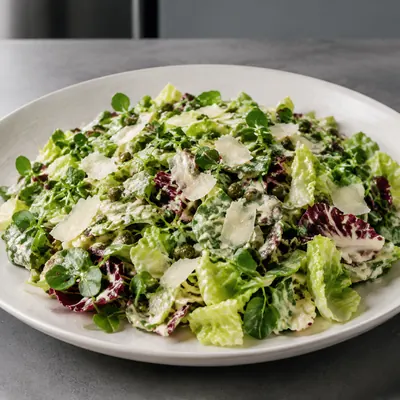
Mixed-Leaf Tahini Caesar Salad
A Caesar-style mixed-leaf salad with a tahini, anchovy, caper and Parmesan dressing, using extra virgin olive oil retained from oil-packed capers.
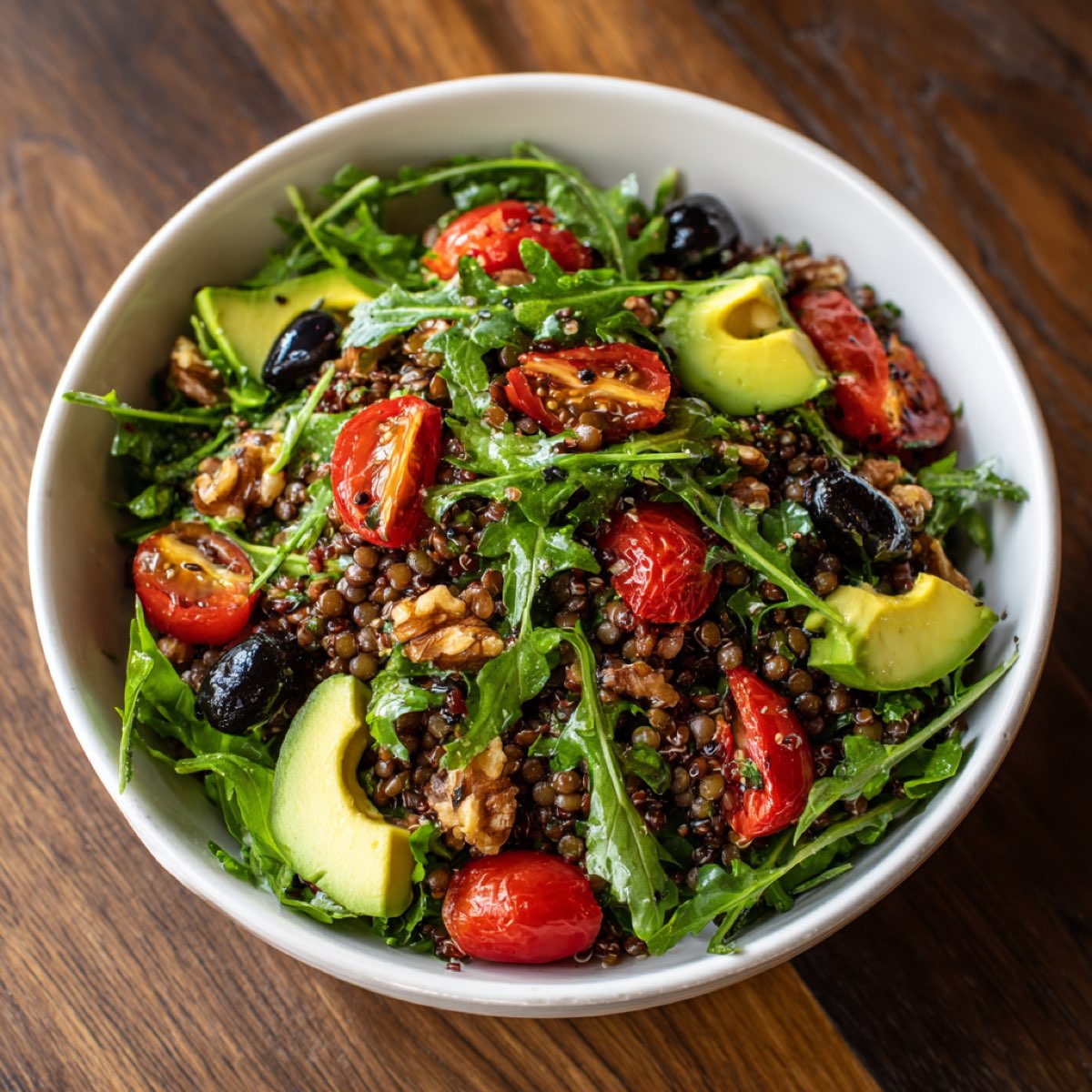
Rocket Lentil Avocado Midday Salad (Gut-Supporting)
Polyphenol-rich midday salad with quinoa or lentils, vegetables, avocado, and early harvest olive oil
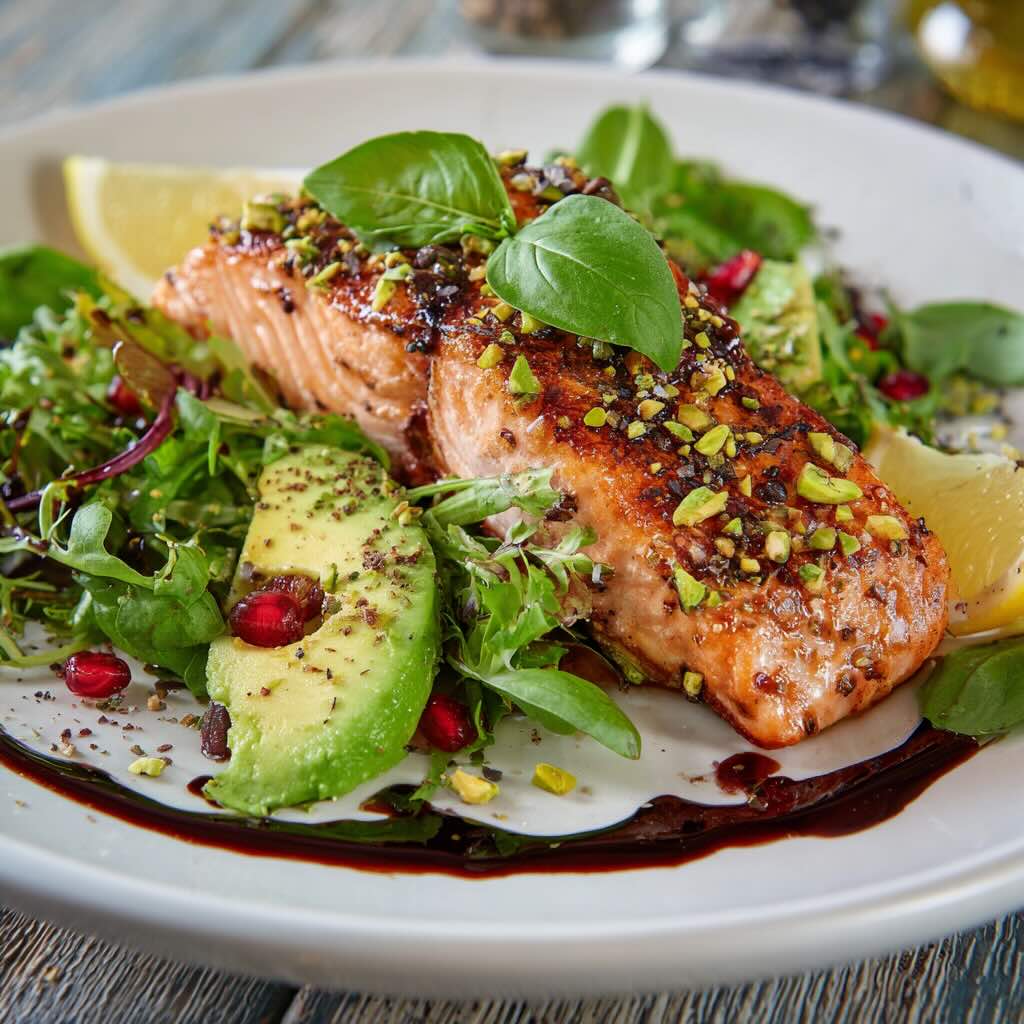
Salmon Bowl-pistachio-cacao-nibs
A Mediterranean-style bowl combining salmon, avocado, pistachios, cacao nibs, and early harvest olive oil — rich in omega-3 fats, polyphenols, and fibre.
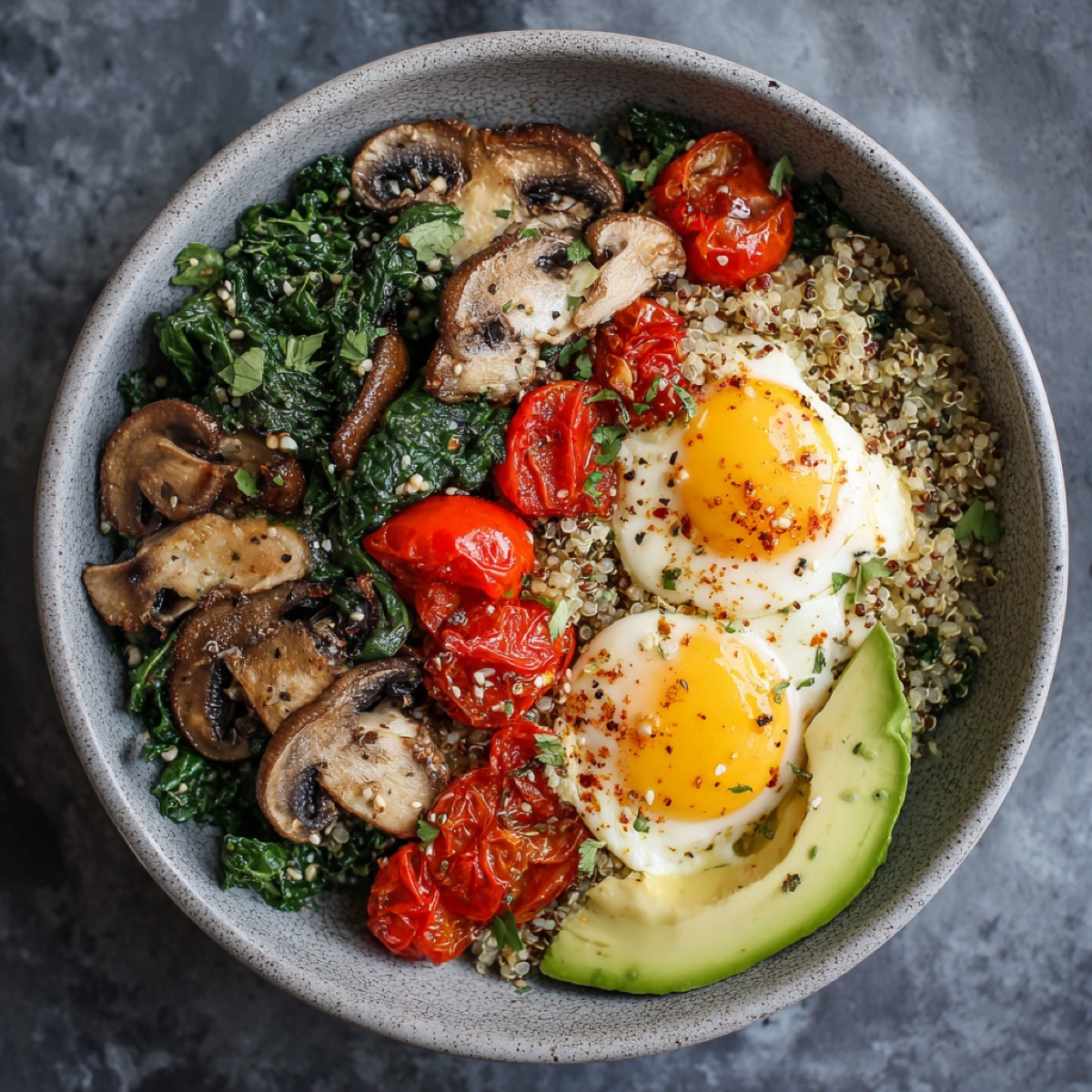
Savoury Greens & Egg Breakfast Skillet
A warm savoury breakfast skillet with eggs, greens, and slow carbohydrates for steady morning energy.
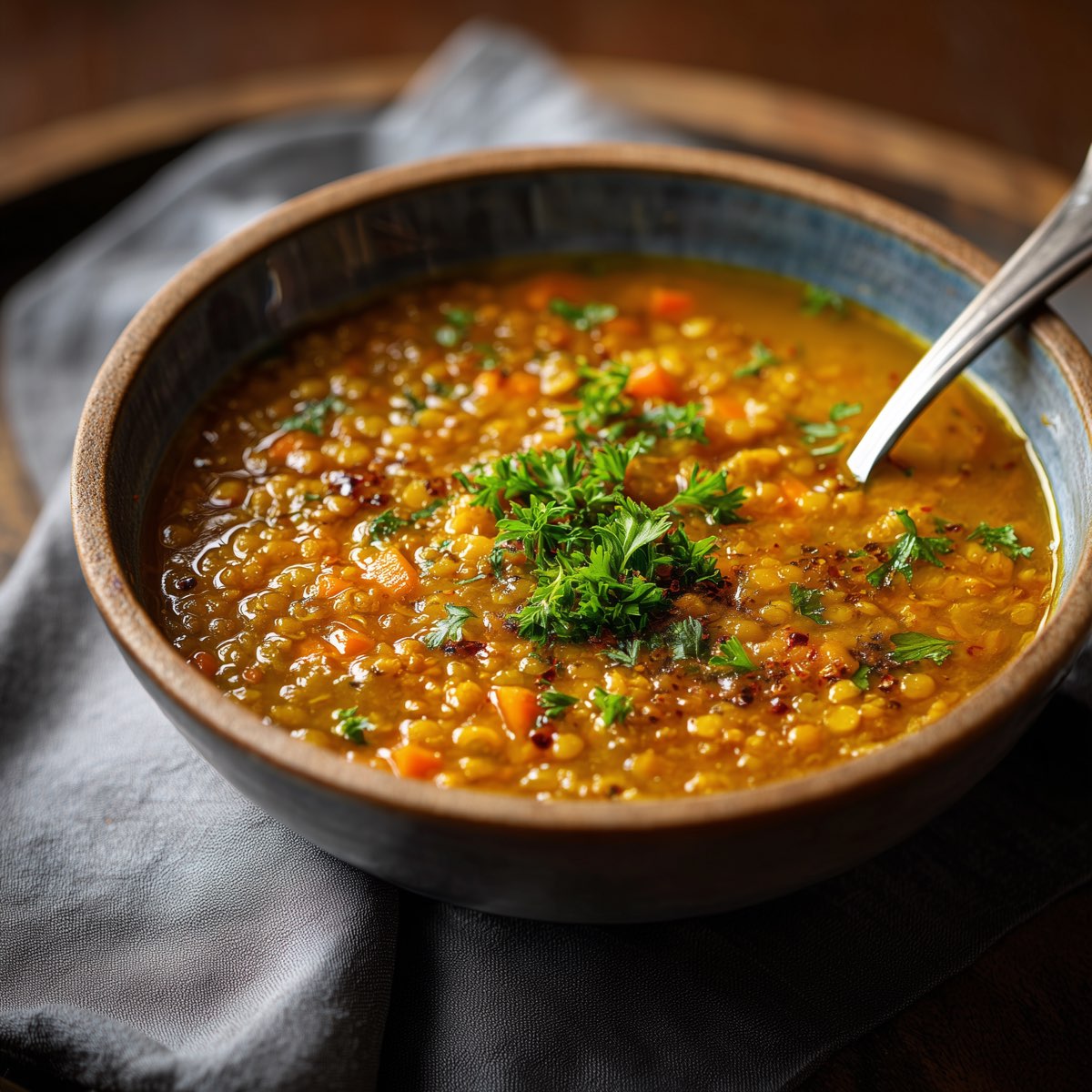
Turmeric Lentil Dahl
Turmeric- and ginger-spiced lentil dish rich in fibre, folate, and polyphenols
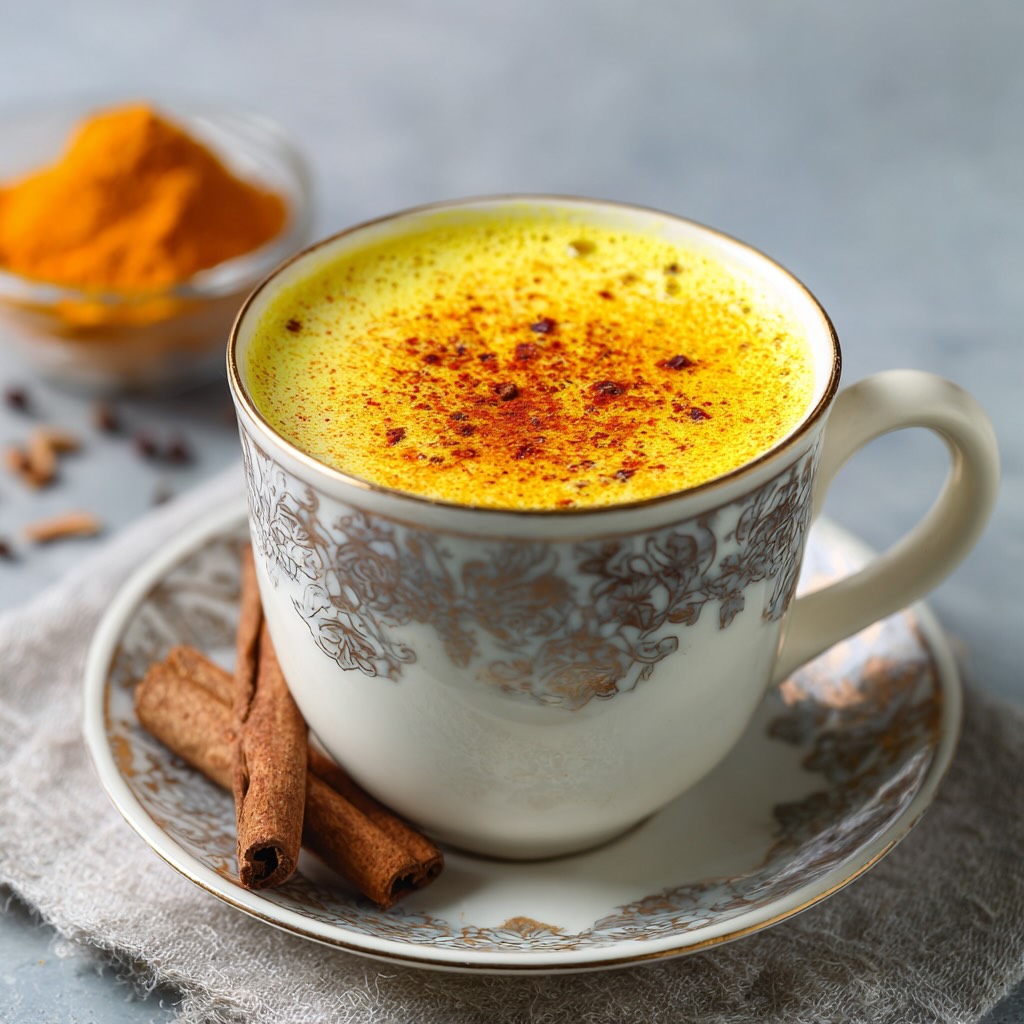
Turmeric Milk
A warming drink combining turmeric (curcumin) with milk/fat for enhanced curcumin absorption
Foods
7 foods containing this substance
Almonds
Nutrient-dense nut providing vitamin E, magnesium, fibre and unsaturated fats
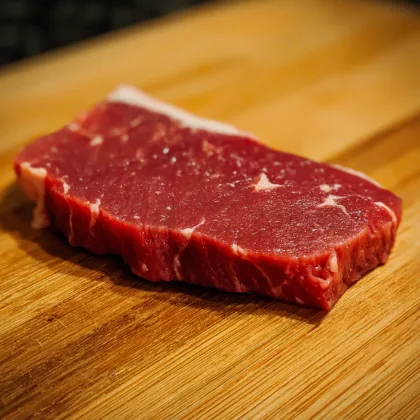
Beef
High creatine, CoQ10, and bioavailable heme iron
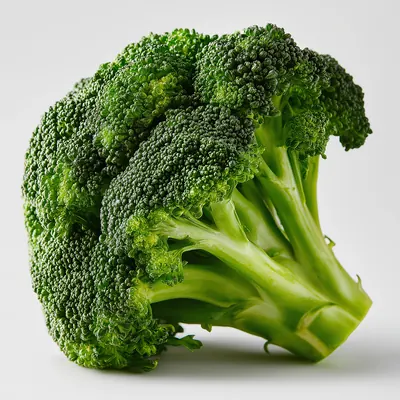
Broccoli
Cruciferous vegetable rich in sulforaphane, folate, and glutathione precursors

Kale
Leafy green rich in iron, magnesium, zinc, quercetin, and carotenoids

Milk
Complete protein, nicotinamide riboside, and calcium

Quinoa
Pseudograin with magnesium, iron, and balanced plant protein

Spinach
Leafy green rich in iron, magnesium, folate, and carotenoids
Biological Mechanisms and Implications
References
- Riboflavin forms FMN/FAD, supporting oxidative metabolism and redox balance; FAD is a critical cofactor for MTHFR, linking B2 to homocysteine recycling and methylation capacity Aragão et al. 2024
- Riboflavin facilitates metabolism of B12, B6, and niacin; supports antioxidant enzymes; ties into methylation capacity