Fish Roe
Overview
Fish roe provides phospholipid-bound omega-3 fatty acids (EPA/DHA), astaxanthin, and other nutrients in highly bioavailable forms for brain health. Salmon and other roe provide phospholipid-bound omega-3s for superior brain delivery.
Recipes
Substances
3 substances in this food
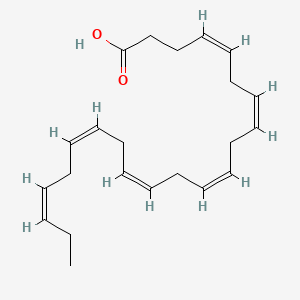
DHA (Docosahexaenoic Acid)
Accounts for ~10–15% of total brain fatty acids, 20–30% of neuronal phospholipids (PE, PS), and >90% of brain omega-3 PUFA; critical for membrane fluidity, synaptic vesicle fusion, neurodevelopment

EPA (Eicosapentaenoic Acid)
Potent anti-inflammatory; precursor to E-series resolvins; modulates dopamine and serotonin signalling
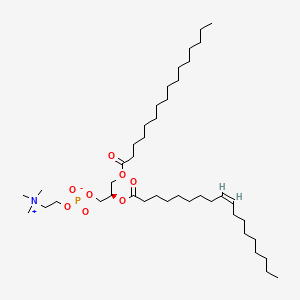
Phosphatidylcholine (PC)
Key brain phospholipid; carrier for DHA/EPA and acetylcholine precursor pathway
Preparation Notes
- Phospholipid-bound omega-3s for superior brain delivery
- Astaxanthin for antioxidant support
- High bioavailability compared to triglyceride forms
- Supports LPC-DHA transport across blood-brain barrier
Biological Target Matrix
| Biological Target | Substance | Contribution Level | Therapeutic Areas | Mechanism of Action |
|---|---|---|---|---|
| Gut–Brain Axis & Enteric Nervous System (ENS) | Omega-3 Fatty Acids | Contextual / minor contributor | — | |
| Inflammation & Oxidative Stress | Omega-3 Fatty Acids | Contextual / minor contributor | Specialized Pro-Resolving Mediators (SPMs) - resolvins, protectins, maresins terminate inflammation without immunosuppression, downregulate COX-2, inhibit neutrophil infiltration, enhance macrophage clearance, limit glutamate-induced excitotoxicity. Production of DHEA and EPEA (N-acyl ethanolamines) feeds into CB2-related anti-inflammatory signalling; ECS lipid mediators regulate immune tone and microglial activation (primary anchor for ECS mechanism: Inflammation & Oxidative Stress). | |
| Metabolic & Neuroendocrine Stress (HPA Axis & ANS) | Omega-3 Fatty Acids | Contextual / minor contributor | Improve vagal tone and HRV control, improve cortisol rhythms | |
| Methylation & One-Carbon Metabolism | Omega-3 Fatty Acids | Contextual / minor contributor | Support homocysteine reduction in combination with B12, phospholipid methylation (PLM) dependent on SAMe | |
| Mitochondrial Function & Bioenergetics | Omega-3 Fatty Acids | Contextual / minor contributor | ECS-related lipid signalling may influence mitochondrial coupling/efficiency (context-dependent; largely preclinical). Omega-3 incorporation changes membrane fluidity (secondary anchor for ECS mechanism: Mitochondrial Function & Bioenergetics). | |
| Neurotransmitter Regulation | Omega-3 Fatty Acids | Contextual / minor contributor | Membrane fluidity and neurotransmitter receptor function, ion channel behavior and gamma oscillations, support neurotransmission and phospholipid methylation | |
| Neurotransmitter Regulation | Phosphatidylcholine (PC) | Contextual / minor contributor | Major neuronal membrane phospholipid central to membrane fluidity, receptor function, and acetylcholine synthesis; DHA/EPA incorporated into PC are converted to lysophosphatidylcholine (LPC), a key transport form across the BBB |
References
- Salmon and other roe provide phospholipid-bound omega-3s for superior brain delivery
- Targeted foods such as salmon or lumpfish roe can be used to reliably and safely exceed minimum omega-3 intakes, helping individuals achieve optimal omega-3 status for brain health, cognitive performance, and inflammatory regulation