Ginger

Overview
Ginger provides gingerols with gut-brain axis support, anti-inflammatory effects, and prokinetic properties helpful for SIBO management.
Within the BRAIN Diet framework, ginger supports gut-brain axis support and anti-inflammatory effects at 1–2 g/day fresh or powdered root, and many members of the Zingiberaceae family (which includes ginger, turmeric, and galangal) have pleiotropic effects overlapping between metabolic regulation and neurocognitive outcomes.
Key Nutritional Highlights
- Ginger supports gut-brain axis support and anti-inflammatory effects at 1–2 g/day fresh or powdered root, and many members of the Zingiberaceae family (which includes ginger, turmeric, and galangal) have pleiotropic effects overlapping b… [2]
Food Context
Synergies
- Part of gut-brain axis strategy
Preparation
- Can be used fresh, powdered, or as tea
- Prokinetic effects support SIBO management
- Anti-inflammatory support
Recipes
2 recipes containing this food
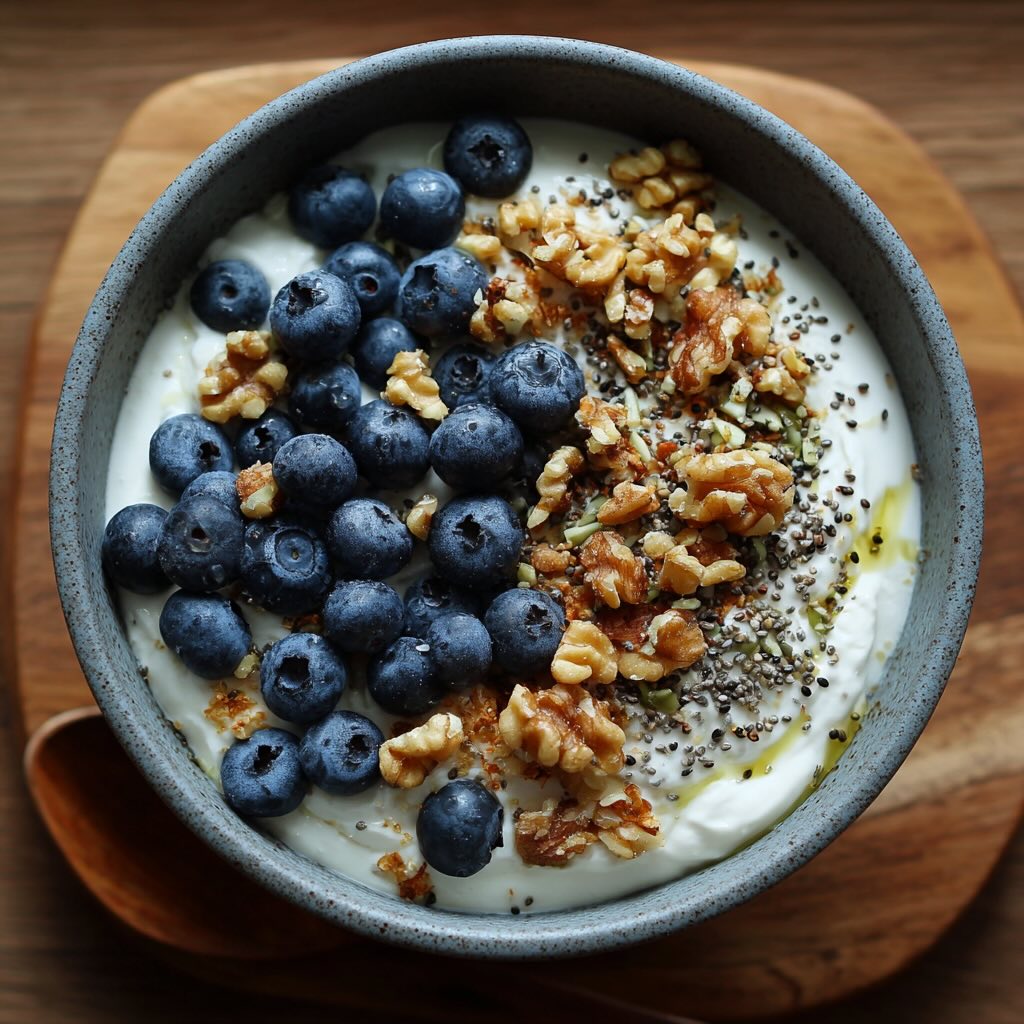
Ginger Yogurt and Blueberries
A polyphenol-rich breakfast bowl with high fibre, combining ginger, omega-3 nuts, blueberry polyphenols, and probiotic yogurt.
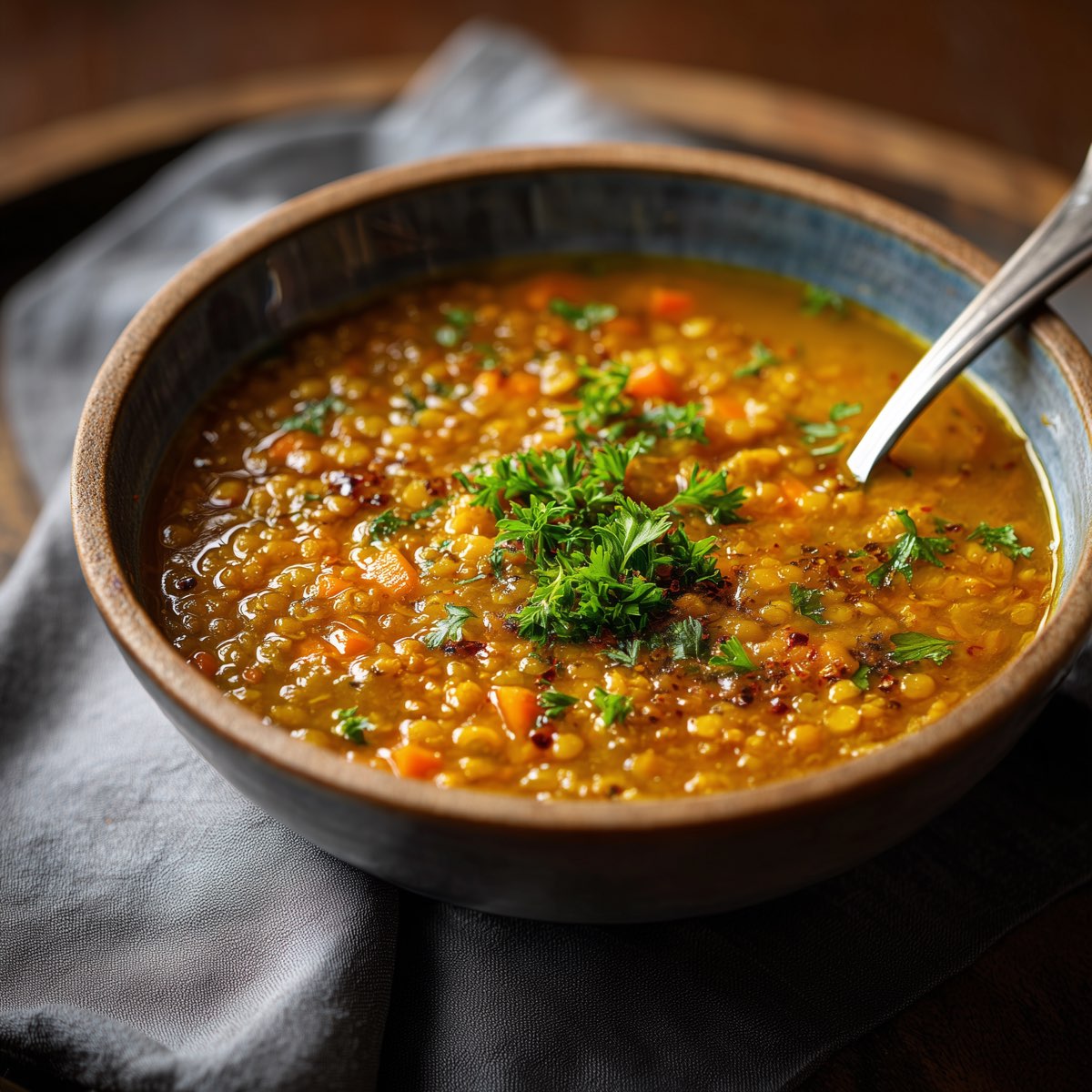
Turmeric Lentil Dahl
Turmeric- and ginger-spiced lentil dish rich in fibre, folate, and polyphenols
Nutrient Tables (per 100 g)
Selected food and preparation: Ginger root, raw. per 100 g edible portion.
Core nutrients
| Nutrient | Amount per 100 g | % reference intake per 100 g |
|---|---|---|
| Energy | 80 kcal | — |
| Protein | 1.8 g | — |
| Total fat | 0.8 g | — |
| Saturated fat | 0.2 g | — |
| Carbohydrates | 17.8 g | — |
| Sugars | 1.7 g | — |
| Fibre | 2 g | — |
Key vitamins and minerals
Vitamins and minerals supplying at least 10% of an adult reference intake per 100 g, derived from the composition panel.
| Nutrient | Amount per 100 g | % reference intake per 100 g |
|---|---|---|
| Magnesium | 43 mg | 10.2% |
| Potassium | 415 mg | 12.2% |
| Copper | 0.2 mg | 25.1% |
| Vitamin B6 | 0.2 mg | 12.3% |
Substances
References
[1] Culinary herbs and spices including ginger contribute bioactive polyphenols with anti-inflammatory relevance. Bruni et al. 2021. Herbal Remedies and Their Possible Effect on the GABAergic System and Sleep
[2] Plant-derived bioactives influence gut microbiota composition linked to gut–brain axis pathways. Yeo et al. 2023. Influence of food-derived bioactives on gut microbiota compositions and their metabolites by focusing on neurotransmitters