Buckwheat
Overview
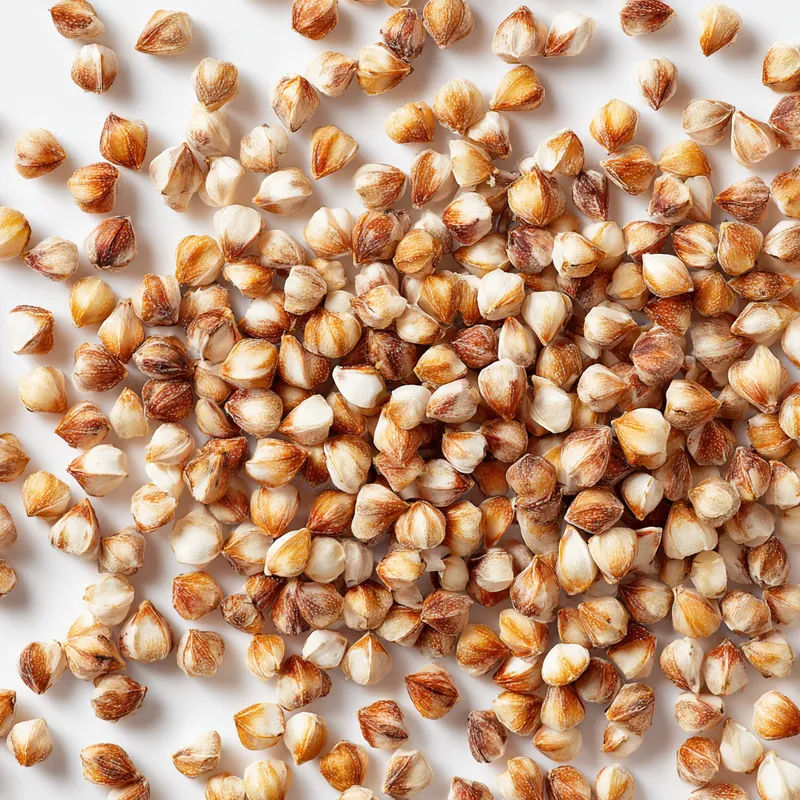
Buckwheat is a gluten-free pseudograin that provides carbohydrates, fibre and plant protein, together with minerals such as magnesium and iron. Compared with refined grain products, it can broaden pseudograin variety.
In the BRAIN Diet framework, buckwheat can be combined with varied plant-protein sources across meals. The generic protein-quality sources previously attached to this page did not establish a buckwheat-specific limiting amino acid.
Food Context
Synergies
- Pair buckwheat with legumes, vegetables or other protein foods for meal variety.
Preparation
- Rinse before cooking to remove any debris
- Use gentle simmering and avoid overcooking to preserve texture and practical meal quality.
Essential Amino Acid Profile
Buckwheat contributes plant protein. A buckwheat-specific amino-acid analysis is required before naming a limiting amino acid or assigning a protein-quality score; generic grain guidance is not sufficient.
Recipes
1 recipe containing this food
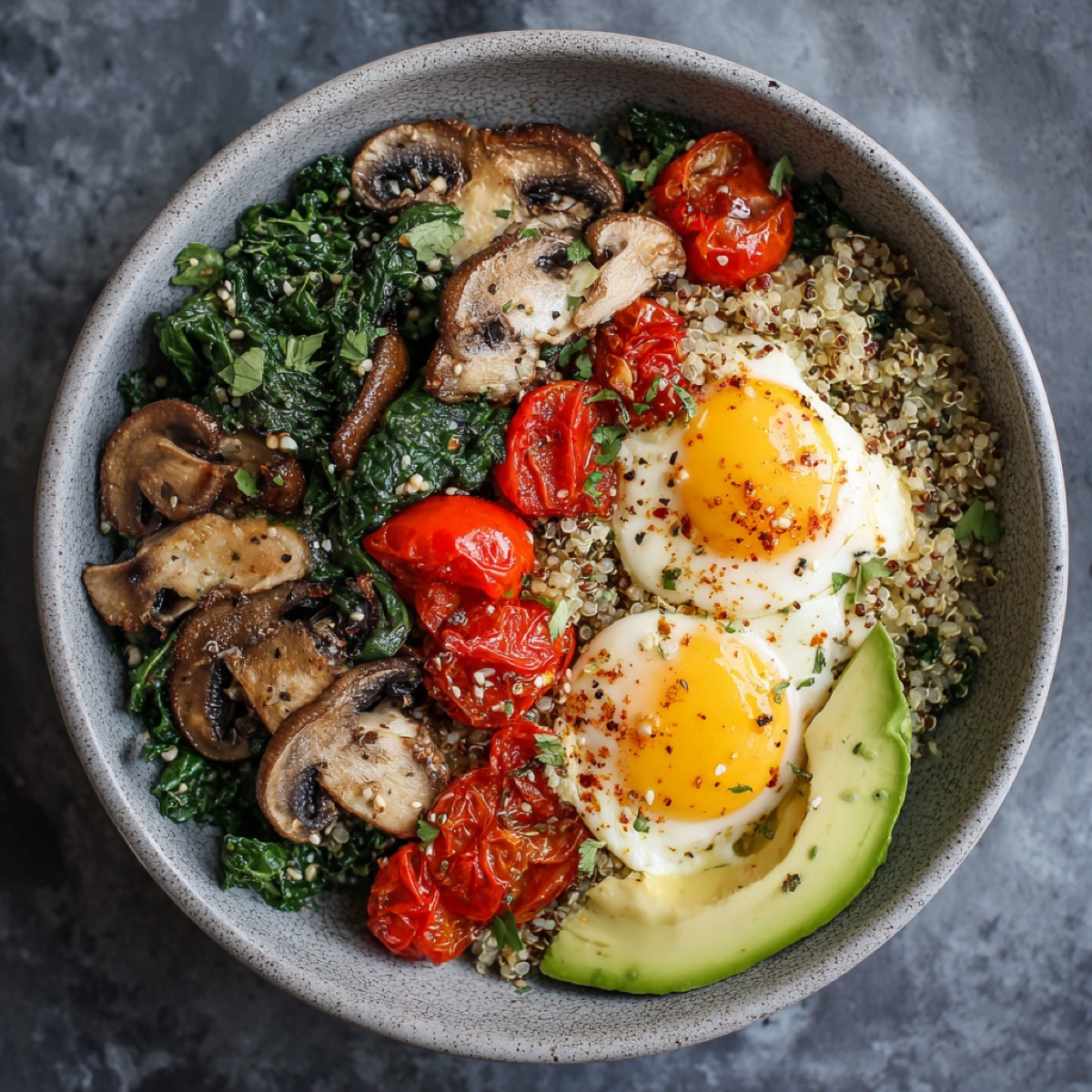
Savoury Greens & Egg Breakfast Skillet
A warm savoury breakfast skillet with eggs, greens, and slow carbohydrates for steady morning energy.
Nutrient Tables (per 100 g)
Selected food and preparation: Buckwheat. per 100 g edible portion.
Core nutrients
| Nutrient | Amount per 100 g | % reference intake per 100 g |
|---|---|---|
| Energy | 343 kcal | — |
| Protein | 13.3 g | — |
| Total fat | 3.4 g | — |
| Saturated fat | 0.7 g | — |
| Carbohydrates | 71.5 g | — |
| Fibre | 10 g | — |
Key vitamins and minerals
Vitamins and minerals supplying at least 10% of an adult reference intake per 100 g, derived from the composition panel.
| Nutrient | Amount per 100 g | % reference intake per 100 g |
|---|---|---|
| Iron | 2.2 mg | 12.2% |
| Zinc | 2.4 mg | 21.8% |
| Magnesium | 231 mg | 55% |
| Phosphorus | 347 mg | 49.6% |
| Manganese | 1.3 mg | 56.5% |
| Selenium | 8.3 µg | 15.1% |
| Potassium | 460 mg | 13.5% |
| Copper | 1.1 mg | 122.2% |
| Vitamin B6 | 0.2 mg | 16.2% |
| Vitamin B2 | 0.4 mg | 32.7% |
| Vitamin B3 | 7 mg | 43.9% |
| Vitamin B5 | 1.2 mg | 24.7% |
Substances
References
[1] Mariotti & Gardner (2019). Dietary Protein and Amino Acids in Vegetarian Diets—A Review. Dietary-pattern context for varied plant-protein intake; not a buckwheat composition or digestibility study.