Swiss Chard

Overview
Swiss chard is a nutrient-dense leafy green providing iron, magnesium, folate, and carotenoids. Similar to other leafy greens like kale and spinach, it supports neurotransmitter synthesis and antioxidant function.
The BRAIN diet specifically targets leafy green vegetables such as kale and spinach that are rich in iron, magnesium, and zinc, and Swiss chard fits within this category.
Food Context
Synergies
- Pair with vitamin C sources to enhance iron absorption
- Pair with fat (olive oil, avocado) for carotenoid absorption
- Part of diverse leafy green strategy
Preparation
- Boiling reduces oxalates and improves mineral bioavailability
- Can be used raw in salads or cooked in various dishes
Recipes
Nutrient Tables (per 100 g)
Selected food and preparation: Chard, swiss, raw. per 100 g edible portion.
Core nutrients
| Nutrient | Amount per 100 g | % reference intake per 100 g |
|---|---|---|
| Energy | 19 kcal | — |
| Protein | 1.8 g | — |
| Total fat | 0.2 g | — |
| Saturated fat | 0 g | — |
| Carbohydrates | 3.7 g | — |
| Sugars | 1.1 g | — |
| Fibre | 1.6 g | — |
Key vitamins and minerals
Vitamins and minerals supplying at least 10% of an adult reference intake per 100 g, derived from the composition panel.
| Nutrient | Amount per 100 g | % reference intake per 100 g |
|---|---|---|
| Iron | 1.8 mg | 10% |
| Magnesium | 81 mg | 19.3% |
| Manganese | 0.4 mg | 15.9% |
| Potassium | 379 mg | 11.1% |
| Copper | 0.2 mg | 19.9% |
| Vitamin C | 30 mg | 33.3% |
| Vitamin A | 306 µg | 34% |
| Vitamin E | 1.9 mg | 12.6% |
| Vitamin K | 830 µg | 691.7% |
Bioactive compounds
Content applies to the food and preparation identified in the source notes.
| Compound / class | Amount per 100 g | Notes |
|---|---|---|
| Beta-Carotene | 3647 µg | — |
| 5-Methyltetrahydrofolate | 242 µg | — |
- 5-Methyltetrahydrofolate: Supporting evidence and original measurement details are available in technical provenance below. [Reference]
Technical provenance
5-Methyltetrahydrofolate: Calculated from the reported Table 5 molar sum, not directly reported mass concentration. Includes polyglutamate species as monoglutamate equivalents, not their intact molecular masses. Glu8 response was estimated by calibration extrapolation; this sample includes that estimated component. Analytical steaming was extraction treatment, not a cooked-food state. One study sample does not establish universal food composition; do not add this vitamer value to total folate as an independent nutrient supply. [Reference]
Substances
9 substances in this food
Iron
USDA FoodData Central reports iron in Chard, swiss, raw.
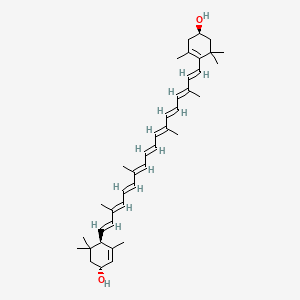
Lutein
Barickman and Kopsell (2016) conference poster identified lutein in fresh swiss chard leaf tissue, rhubarb red and oriole orange cultivars. A separate amount for this page’s preparation is not established.
Magnesium
USDA FoodData Central reports magnesium in Chard, swiss, raw.
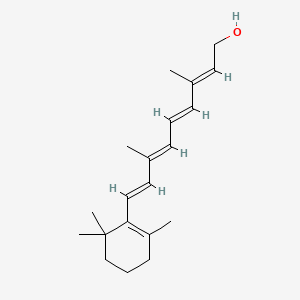
Vitamin A (Retinoids; β-Carotene precursor)
USDA FoodData Central reports vitamin A as retinol activity equivalents in Chard, swiss, raw.
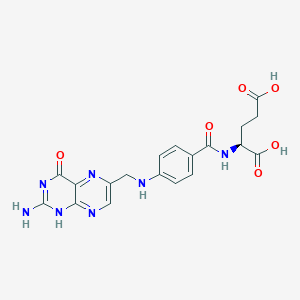
Vitamin B9 (Folate)
USDA FoodData Central reports folate in Chard, swiss, raw. The recorded analyte is folate.
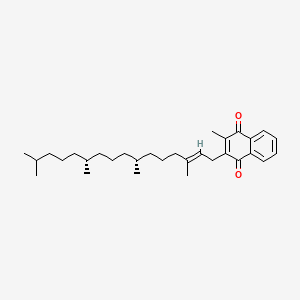
Vitamin K (Phylloquinone)
USDA FoodData Central reports vitamin K in Chard, swiss, raw. This vitamin K record is not a vitamin K2 measurement.
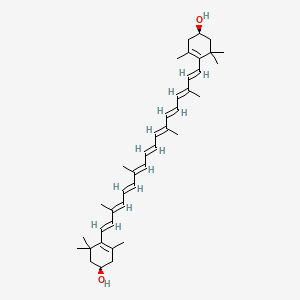
Zeaxanthin
Barickman and Kopsell (2016) conference poster identified zeaxanthin in fresh swiss chard leaf tissue, rhubarb red and oriole orange cultivars. A separate amount for this page’s preparation is not established.
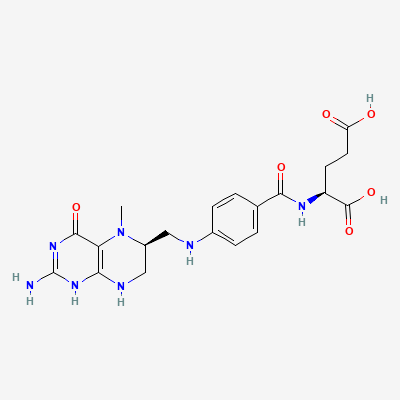
5-Methyltetrahydrofolate
A reduced form of vitamin B9 in foods, and the methyl donor for homocysteine remethylation.
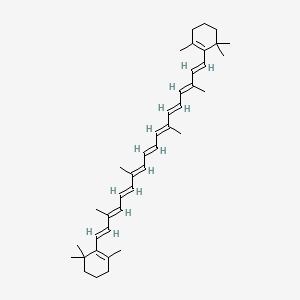
β-Carotene
USDA FoodData Central reports beta-carotene in Chard, swiss, raw.
References
[1] Leafy greens supply folate and B vitamins supporting one-carbon and neurochemical metabolism. Kennedy et al. 2016. B Vitamins and the Brain: Mechanisms, Dose and Efficacy—A Review
[2] Green leafy vegetables contribute lutein and carotenoids relevant to neuroprotection. Johnson et al. 2014. Role of lutein and zeaxanthin in visual and cognitive function throughout the lifespan